
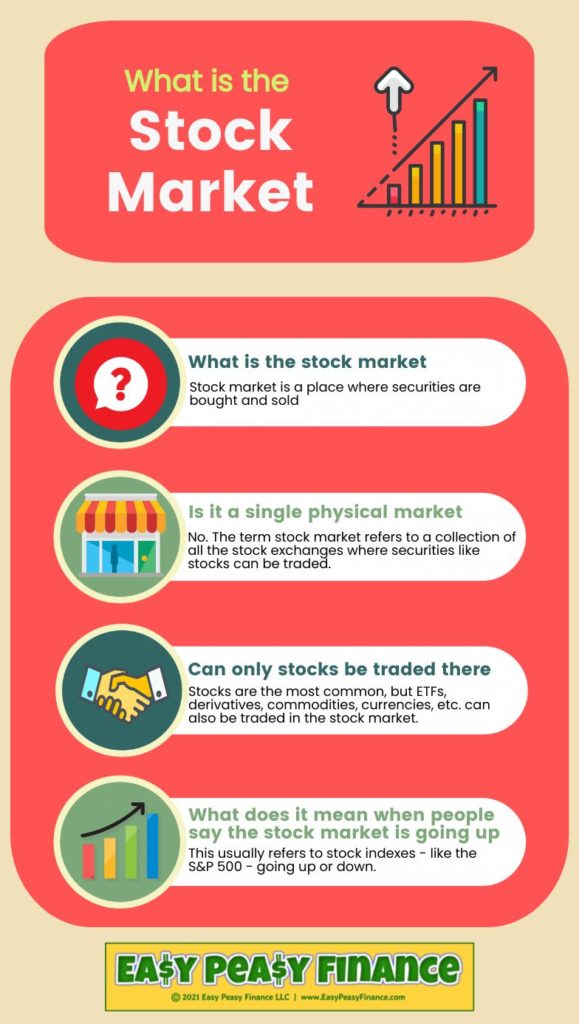
The stock market, a complex barometer of economic health and future expectations, is in a perpetual state of flux. Recent periods have been particularly dynamic, marked by a confluence of macroeconomic forces, geopolitical tensions, and technological shifts that have created both challenges and opportunities for investors. Understanding “what’s going on” requires a deep dive into these interconnected elements, moving beyond the daily headlines to grasp the underlying currents shaping asset valuations and investor sentiment. From inflation and interest rates to corporate earnings and global events, the market’s trajectory is a tapestry woven from countless threads, each demanding careful consideration for those navigating the world of personal finance and investment.

Navigating the Current Economic Landscape
The economic environment serves as the foundational backdrop against which stock market performance is judged. Currently, investors are grappling with an intricate web of economic indicators that paint a nuanced picture of global and domestic conditions.
The Interplay of Inflation and Interest Rates
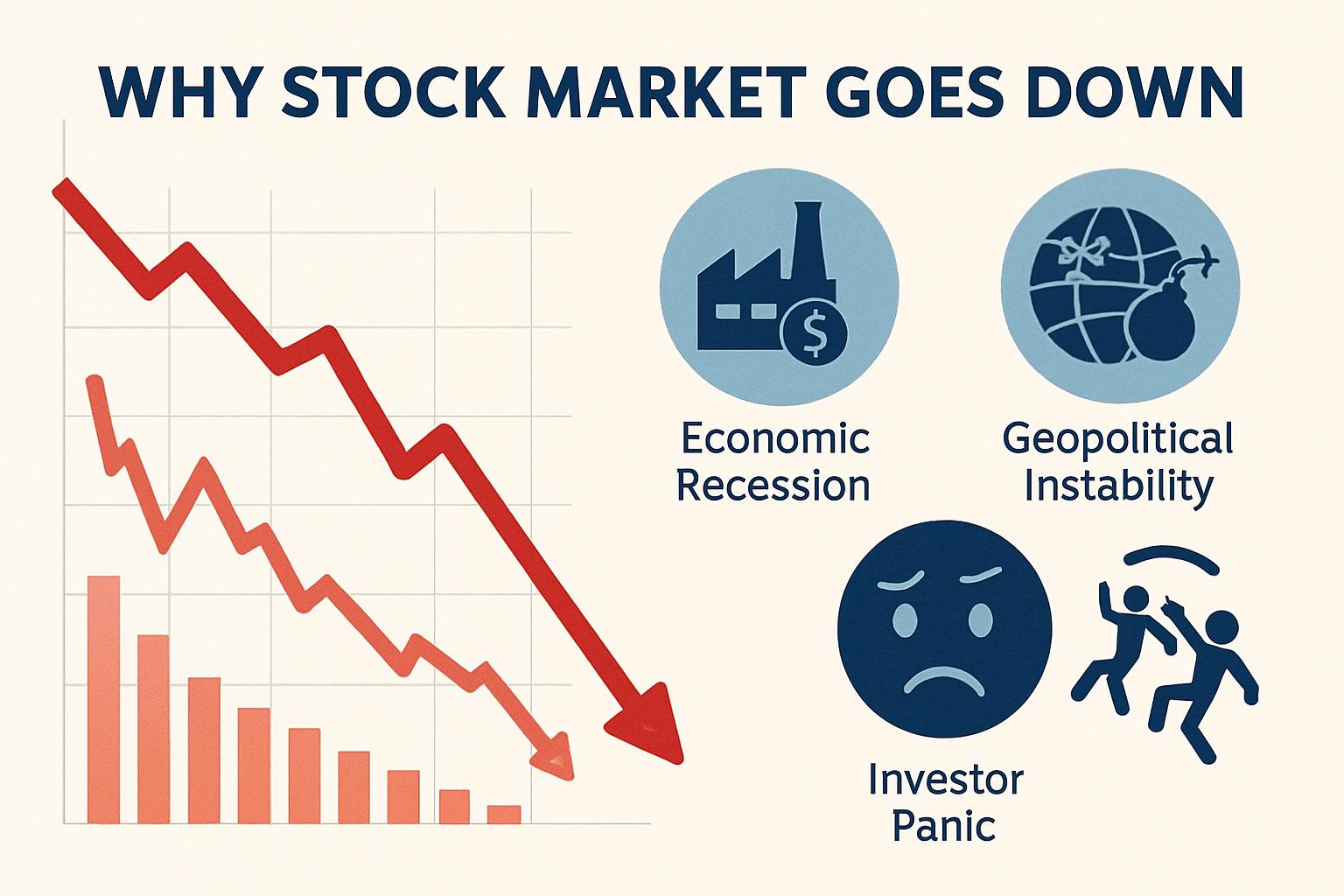
Perhaps the most significant economic storyline of recent times has been the resurgence of inflation and the subsequent aggressive response from central banks worldwide. After decades of relative price stability, inflationary pressures intensified due driven by supply chain disruptions, robust consumer demand, and geopolitical factors. This surge prompted central banks, most notably the U.S. Federal Reserve, to embark on a rapid cycle of interest rate hikes. Higher interest rates aim to cool the economy by making borrowing more expensive, thereby reducing demand and theoretically bringing inflation back to target levels. However, this policy has a direct impact on the stock market:
- Cost of Capital: Higher rates increase the cost of capital for businesses, potentially reducing investment and future earnings growth, which can depress stock valuations.
- Discounting Future Earnings: For investors, higher risk-free rates (like those on government bonds) make future corporate earnings less valuable in present terms, particularly for growth stocks whose valuations are heavily reliant on distant future profits.
- Consumer Spending: Increased borrowing costs for mortgages, auto loans, and credit cards can dampen consumer spending, impacting companies reliant on discretionary purchases.
Geopolitical Factors and Market Volatility
Beyond economic fundamentals, geopolitical developments exert a profound influence on market sentiment and stability. Regional conflicts, international trade disputes, and shifting global alliances introduce layers of uncertainty that can trigger sharp market reactions. For instance, the conflict in Eastern Europe has led to significant disruptions in energy and commodity markets, driving up prices and contributing to inflationary pressures globally. Tensions in other strategic regions can similarly affect supply chains, resource availability, and investor confidence. This unpredictability means that investors must factor in a “geopolitical risk premium,” where potential negative outcomes are priced into asset values, often leading to increased volatility and defensive positioning. The interconnectedness of global economies ensures that events in one part of the world can ripple through financial markets everywhere.
Shifting Consumer and Business Sentiment
Psychology plays a crucial role in market dynamics. Consumer confidence and business sentiment indices are closely watched as they offer insights into future spending and investment patterns. When consumers feel secure about their job prospects and financial future, they are more likely to spend, boosting corporate revenues. Conversely, pessimism can lead to reduced consumption and increased savings, slowing economic activity. Similarly, business confidence influences investment in new projects, hiring decisions, and expansion plans. A cautious business outlook can lead to lower capital expenditures and conservative financial management, which, while potentially sound for individual companies, can collectively signal a slowdown in overall economic growth and impact earnings forecasts for the broader market. These sentiment shifts can create self-fulfilling prophecies, accelerating market trends in either direction.
Key Drivers Behind Recent Market Movements
While the economic landscape sets the stage, specific catalysts are responsible for the day-to-day and month-to-month movements in stock prices. These drivers often converge to create periods of significant market trends or corrections.
Corporate Earnings and Sectoral Performance
At its core, the stock market reflects the aggregate earnings power of publicly traded companies. Quarterly earnings reports are meticulously scrutinized by analysts and investors, as they provide tangible evidence of a company’s financial health and future prospects. Strong earnings beats, coupled with optimistic guidance, can send individual stocks and entire sectors soaring. Conversely, missed expectations or revised-down forecasts can lead to sharp sell-offs.
- Sectoral Divergence: It’s common for different sectors to perform differently depending on the economic cycle and specific industry trends. For example, during periods of high interest rates, financial sectors might thrive, while growth-oriented technology sectors may face headwinds. Conversely, during economic expansions, technology and consumer discretionary stocks often lead the charge. This divergence necessitates a detailed understanding of which industries are benefiting from current trends and which are struggling.
- Profit Margins: Beyond top-line revenue growth, profit margins are critical. Rising input costs, wage pressures, and supply chain inefficiencies can compress margins, even if sales are strong. Companies able to maintain or expand their margins in challenging environments are often rewarded by investors.
Technological Disruption and Innovation’s Role
Technology remains an ever-present force shaping the stock market. Innovation drives new industries, creates competitive advantages, and disrupts established business models. Companies at the forefront of technological advancements – be it in artificial intelligence, biotechnology, renewable energy, or cloud computing – often command premium valuations due to their potential for exponential growth.
- AI’s Transformative Impact: The rapid advancements in AI, for instance, are not just creating new tech giants but also reshaping operations across virtually every industry, from healthcare to manufacturing. Companies successfully integrating AI to enhance efficiency or create new products can see significant boosts to their long-term growth prospects.
- Investment Flows: These transformative technologies attract substantial investment capital, leading to concentrated rallies in specific stocks or thematic ETFs. However, this also carries risks, as valuations can become stretched, making these sectors particularly vulnerable to market corrections if growth expectations aren’t met or if the economic environment turns unfavorable for high-growth assets.
The Impact of Fiscal and Monetary Policy
Government fiscal policy (spending and taxation) and central bank monetary policy (interest rates and quantitative easing/tightening) are powerful levers influencing the economy and, by extension, the stock market.
- Fiscal Stimulus: Government spending packages, tax cuts, or infrastructure projects can inject liquidity into the economy, stimulate demand, and support corporate revenues. However, excessive government debt or unsustainable spending can raise concerns about future economic stability.
- Monetary Tightening/Easing: As discussed, central banks use monetary policy to manage inflation and employment. Periods of monetary easing (lower rates, quantitative easing) typically support asset prices by making borrowing cheaper and increasing liquidity in the financial system. Conversely, monetary tightening (higher rates, quantitative tightening) tends to have the opposite effect, making capital more expensive and potentially slowing economic growth. The ongoing dance between inflation, growth, and central bank reactions is a primary determinant of market direction.
Understanding Market Cycles and Investor Psychology
The stock market rarely moves in a straight line. Instead, it follows cycles influenced by economic fundamentals and, significantly, by the collective psychology of investors.
Bull vs. Bear Markets: Identifying the Trends
Markets typically alternate between bull and bear phases:
- Bull Markets: Characterized by rising stock prices, investor optimism, and economic growth. During a bull market, investors are generally confident, and corrections are often seen as buying opportunities.
- Bear Markets: Defined by prolonged periods of declining stock prices, widespread pessimism, and often associated with economic contractions or recessions. In a bear market, fear dominates, and investors may be quick to sell, exacerbating downward trends.
Understanding these cycles is crucial for strategic planning. While no one can perfectly time the market, recognizing the characteristics of the current cycle can inform investment decisions, from asset allocation to risk tolerance.
Behavioral Biases and Their Influence on Decisions
Human psychology is a powerful, often irrational, force in financial markets. Various behavioral biases can lead investors astray:
- Fear of Missing Out (FOMO): Can drive investors to buy assets at inflated prices, chasing recent gains.
- Loss Aversion: The tendency to feel the pain of losses more acutely than the pleasure of equivalent gains, leading to holding onto losing positions for too long or selling winning positions too early.
- Herd Mentality: Following the crowd, even when it goes against one’s own analysis, can amplify market swings.
- Confirmation Bias: Seeking out information that confirms existing beliefs while ignoring contradictory evidence.
Awareness of these biases is the first step toward mitigating their impact. Developing a disciplined investment strategy, based on long-term goals rather than short-term emotional reactions, is vital.
The Importance of Long-Term Perspective
Despite the intense focus on daily market fluctuations, the stock market has historically rewarded patient, long-term investors. Short-term volatility is an inherent characteristic of equities, but over extended periods (decades), the market has demonstrated a consistent upward bias, driven by corporate innovation, economic growth, and compounding returns. Focusing on long-term goals, such as retirement planning or wealth accumulation, allows investors to weather temporary downturns and benefit from the eventual recovery and growth. A long-term perspective encourages investing in quality assets and avoiding panicked selling during market corrections, thereby preserving capital and capturing future appreciation.
Strategies for Investors in Volatile Times
When the stock market is volatile, a well-thought-out investment strategy becomes even more critical. Panic can lead to costly mistakes, while a disciplined approach can help protect and grow wealth.
Diversification and Risk Management
Diversification is perhaps the most fundamental principle of prudent investing. Spreading investments across different asset classes (stocks, bonds, real estate), sectors, geographies, and company sizes helps reduce the impact of any single underperforming asset.
- Asset Allocation: A carefully constructed asset allocation, tailored to an individual’s risk tolerance, financial goals, and time horizon, is key. During volatile periods, reviewing and potentially adjusting this allocation to ensure it still aligns with your objectives is wise.
- Hedging Strategies: For more sophisticated investors, employing hedging strategies through options or other derivatives can help mitigate downside risk, though these instruments carry their own complexities and risks.
Rebalancing Portfolios and Asset Allocation
Market movements can cause a portfolio’s original asset allocation to drift. For example, if stocks have had a strong run, their percentage weighting in the portfolio might exceed the intended allocation.
- Periodic Rebalancing: Regularly rebalancing involves selling assets that have performed well (and now represent an overweight position) and buying assets that have underperformed (and are now underweight). This disciplined approach helps maintain the desired risk level, forces investors to “buy low and sell high” in a systematic way, and ensures the portfolio remains aligned with its original strategic objectives. It prevents excessive concentration in overvalued assets and provides an opportunity to acquire undervalued ones.
The Value of Dollar-Cost Averaging
Dollar-cost averaging is a strategy where an investor invests a fixed amount of money at regular intervals, regardless of the asset’s price.
- Mitigating Volatility: This approach removes the need to time the market. When prices are high, the fixed investment buys fewer shares; when prices are low, it buys more shares. Over time, this averages out the purchase price and can reduce the overall risk associated with market timing. It’s particularly effective for long-term investors contributing regularly to retirement accounts or investment portfolios, turning market downturns into opportunities to acquire more assets at lower prices.
Seeking Professional Guidance
Navigating complex financial markets, especially during periods of high uncertainty, can be daunting.
- Financial Advisors: Engaging with a qualified financial advisor can provide invaluable benefits. An advisor can help assess your current financial situation, define your goals, create a personalized investment plan, and assist with emotional decision-making during market swings. They can offer expertise in portfolio construction, tax planning, estate planning, and risk management, ensuring your financial strategy is comprehensive and aligned with your broader life objectives. Their objective perspective can be crucial in avoiding common behavioral pitfalls.
The Future Outlook: Trends and Potential Headwinds
Looking ahead, the stock market will continue to be shaped by evolving trends and persistent challenges. A forward-looking perspective helps investors anticipate changes and adapt their strategies accordingly.
Emerging Technologies and Growth Sectors
Innovation will remain a primary engine of economic growth and market performance. Beyond current AI advancements, fields like quantum computing, advanced materials science, sustainable energy solutions, and personalized medicine are on the horizon, promising to create new industries and redefine existing ones. Investors who stay abreast of these emerging trends and identify companies positioned to capitalize on them could find significant growth opportunities. The shift towards a more sustainable and digitally integrated global economy will continue to create investment themes that transcend traditional sector boundaries.
Regulatory Changes and Global Economic Integration
Governments and international bodies will likely continue to play a significant role in shaping market environments through regulatory frameworks. Changes in antitrust laws, data privacy regulations, climate policies, and international trade agreements can impact corporate profitability, competitive landscapes, and capital flows. Increased scrutiny on large tech companies, for example, could alter their growth trajectories. Furthermore, the ongoing process of global economic integration, despite occasional protectionist sentiments, means that market participants must increasingly consider the interconnectedness of economies and the implications of policy decisions made far beyond their own borders. Understanding these macro-level shifts is crucial for assessing long-term investment viability.
Preparing for the Unforeseen
While we can analyze trends and anticipate challenges, the future always holds elements of surprise. Unforeseen events – “black swans” – such as new pandemics, geopolitical crises, or rapid technological shifts, can dramatically alter market dynamics. The best preparation for such events is not to predict them, but to build a resilient and adaptable financial strategy. This involves maintaining a diversified portfolio, holding adequate cash reserves, regularly reviewing financial plans, and staying informed. By focusing on controllable elements and building a robust financial foundation, investors can better weather future storms and position themselves for long-term success, regardless of “what’s going on” with the stock market at any given moment.
aViewFromTheCave is a participant in the Amazon Services LLC Associates Program, an affiliate advertising program designed to provide a means for sites to earn advertising fees by advertising and linking to Amazon.com. Amazon, the Amazon logo, AmazonSupply, and the AmazonSupply logo are trademarks of Amazon.com, Inc. or its affiliates. As an Amazon Associate we earn affiliate commissions from qualifying purchases.