
Cash App, once primarily known as a simple peer-to-peer payment service, has significantly expanded its ecosystem, transforming into a multifaceted financial tool that impacts personal finance, investing, and even small business operations. For millions, it’s no longer just an app for splitting a dinner bill; it’s an increasingly central component of their financial lives, prompting a closer look at its current trajectory and implications for users’ money.
Cash App’s Evolving Role in Personal Finance
The narrative around Cash App has shifted dramatically from its early days as a mere competitor in the P2P space. Today, it’s actively positioning itself as an alternative, or at least a powerful complement, to traditional banking services, fundamentally altering how many users manage their day-to-day finances. This expansion directly impacts how individuals store, spend, and receive their money.
Beyond Peer-to-Peer: Everyday Transactions
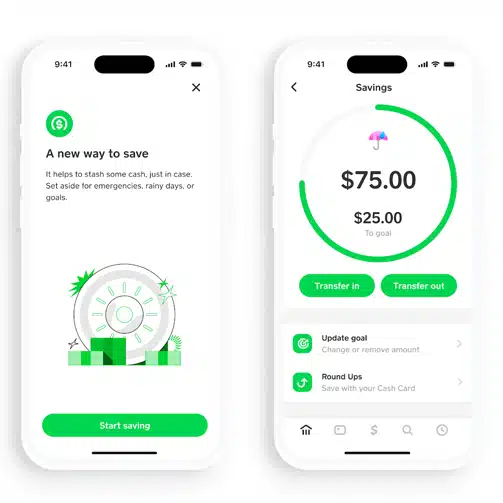
While sending money to friends remains a core function, Cash App’s utility has broadened to encompass a much wider array of everyday financial transactions. The introduction of the Cash Card, a customizable debit card linked directly to a user’s Cash App balance, has been a pivotal development. This card allows users to spend their Cash App funds at physical and online retailers, much like a traditional bank debit card. Moreover, the “Boosts” feature provides instant discounts at various merchants, offering tangible savings that directly impact a user’s disposable income and spending power. These features integrate the app deeply into daily spending habits, making it a primary financial tool for budgeting and expenditure tracking for many.
Direct Deposits and Banking Alternatives
Perhaps one of the most significant advancements in Cash App’s financial offering is its ability to facilitate direct deposits. Users can receive their paychecks, tax refunds, and government benefits directly into their Cash App accounts using a routing and account number. For individuals who are unbanked, underbanked, or simply prefer a mobile-first approach to their finances, this functionality presents a compelling alternative to traditional checking accounts. This capability empowers users with quicker access to their funds, potentially avoiding check-cashing fees and providing greater financial agility. However, it also places a greater onus on the platform’s stability and security, as these funds now represent a primary source of income for a growing user base. The promise of early direct deposit, often up to two days faster than traditional banks, further solidifies its appeal as a viable option for managing earned income efficiently.
Investment Features: A Gateway to Financial Markets
Cash App has distinguished itself by democratizing access to financial markets, particularly for a younger demographic and those new to investing. By integrating stock and Bitcoin trading directly within its intuitive interface, it has removed many of the perceived barriers to entry, impacting how millions approach saving, wealth building, and speculative financial activities.
Democratizing Stock Investing
The ability to buy fractional shares of stocks directly from the Cash App balance has been a game-changer. For many, traditional stock investing platforms can be intimidating, requiring substantial capital and complex understanding. Cash App simplifies this by allowing users to invest as little as $1 into publicly traded companies. This low entry barrier means that financial literacy and investment participation are no longer exclusive to those with large sums to invest. It encourages micro-investing, enabling users to gradually build a diversified portfolio aligned with their personal financial goals, whether long-term savings or simply dipping their toes into market dynamics. The app’s streamlined interface presents stock performance data in an easily digestible format, demystifying market movements and fostering a more engaged, albeit potentially less experienced, investor base.
The Bitcoin Boom and Bust: Cash App’s Crypto Stance
Beyond traditional stocks, Cash App’s early embrace of Bitcoin trading has been instrumental in mainstreaming cryptocurrency for its user base. Users can buy, sell, and send Bitcoin directly within the app, offering a simple way to participate in the volatile crypto market. During periods of significant Bitcoin price surges, this feature has allowed users to experience rapid gains, fundamentally altering their perception of investment potential. Conversely, during market downturns, it has exposed many to the inherent risks and potential for substantial losses in digital assets. Cash App’s approach prioritizes accessibility over advanced trading tools, positioning Bitcoin as a liquid asset that can be bought and sold with ease, thus blurring the lines between traditional currency and digital assets for everyday transactions and speculative investment. This dual offering of stocks and crypto significantly broadens the financial tools available to users, making Cash App a notable player in diversified personal wealth management.
Supporting the Gig Economy and Small Businesses
The rise of the gig economy and the increasing number of micro-businesses have found a natural ally in Cash App. Its straightforward payment processing capabilities and low overhead costs have made it an indispensable tool for individuals turning their skills into income streams and for small enterprises looking for efficient financial management solutions.

Seamless Payments for Side Hustles and Freelancers
For freelancers, independent contractors, and those engaged in side hustles, Cash App provides an incredibly convenient and often preferred method for receiving payments. The ease of generating a unique “$Cashtag” or sharing a QR code simplifies the process of getting paid for services rendered, whether it’s dog walking, graphic design, or tutoring. This direct-to-app payment method significantly cuts down on traditional invoicing complexities and processing times, ensuring faster access to earned income. For many, it acts as a crucial bridge between their work and their immediate financial needs, facilitating smoother cash flow management for unpredictable income streams. The absence of steep transaction fees for standard payments makes it particularly attractive for individuals operating on tight margins.
Small Business Solutions: Streamlining Transactions
Beyond individual freelancers, Cash App has increasingly been adopted by small businesses as a primary payment solution. Mobile vendors, local artisans, and fledgling e-commerce operations often rely on Cash App for customer transactions due to its simplicity and cost-effectiveness compared to traditional POS systems or merchant accounts. The ability to accept card payments via the Cash Card reader (though less emphasized now compared to QR codes and Cashtags) or simply having customers send money directly eliminates the need for complex banking infrastructure. This low-barrier entry allows entrepreneurs to focus more on their product or service and less on cumbersome financial administration. For these businesses, Cash App is not just a payment processor but a fundamental tool for managing incoming revenue, simplifying reconciliation, and providing an accessible financial platform that supports growth without prohibitive initial investments.
Navigating Security and User Confidence
As Cash App deepens its integration into users’ financial lives, the imperative for robust security and maintaining user confidence in safeguarding their funds becomes paramount. The platform handles sensitive financial information and significant sums of money, making it a prime target for malicious actors. Understanding its security measures and the common pitfalls is crucial for anyone relying on the app for their financial well-being.
Understanding Fraud and Scams
A significant challenge for Cash App, similar to other digital payment platforms, is the prevalence of fraud and scams. Users must be acutely aware of various schemes, including phishing attempts, fake customer support, “money flipping” scams, and requests for payments to unfamiliar individuals or services promising unrealistic returns. These scams often target the user’s trust and financial literacy, attempting to trick them into voluntarily sending money or divulging account credentials. Unlike traditional banks which often have more robust fraud departments and legal frameworks for recouping lost funds due to unauthorized transactions, P2P services like Cash App operate on a “send-is-final” principle. This means that once money is sent, especially to an unknown entity, it is often unrecoverable, directly impacting users’ personal finances. Vigilance and skepticism are therefore critical financial tools for any Cash App user.
Enhancing Account Protection and User Responsibility
Cash App employs several security features to protect user accounts and funds, including encryption, two-factor authentication (2FA), and fraud detection systems. Users are encouraged to enable 2FA, use strong, unique passwords, and monitor their account activity regularly. The platform also offers the ability to lock the Cash Card directly from the app if it’s lost or stolen, preventing unauthorized usage. However, a significant portion of security responsibility falls on the user. Educating oneself about common scam tactics, verifying recipients before sending money, and never sharing account login details or PINs are essential practices. The financial impact of a compromised account or falling victim to a scam can be severe, emphasizing the need for proactive financial self-protection when using digital payment tools like Cash App for managing significant portions of one’s money.
The Future Landscape: What’s Next for Your Money with Cash App
Cash App’s trajectory suggests a continued evolution from a simple payment app to a comprehensive financial platform. Its future developments will significantly influence how users interact with their money, from daily spending to long-term wealth management, while also navigating an increasingly complex regulatory environment.
Potential for Broader Financial Services
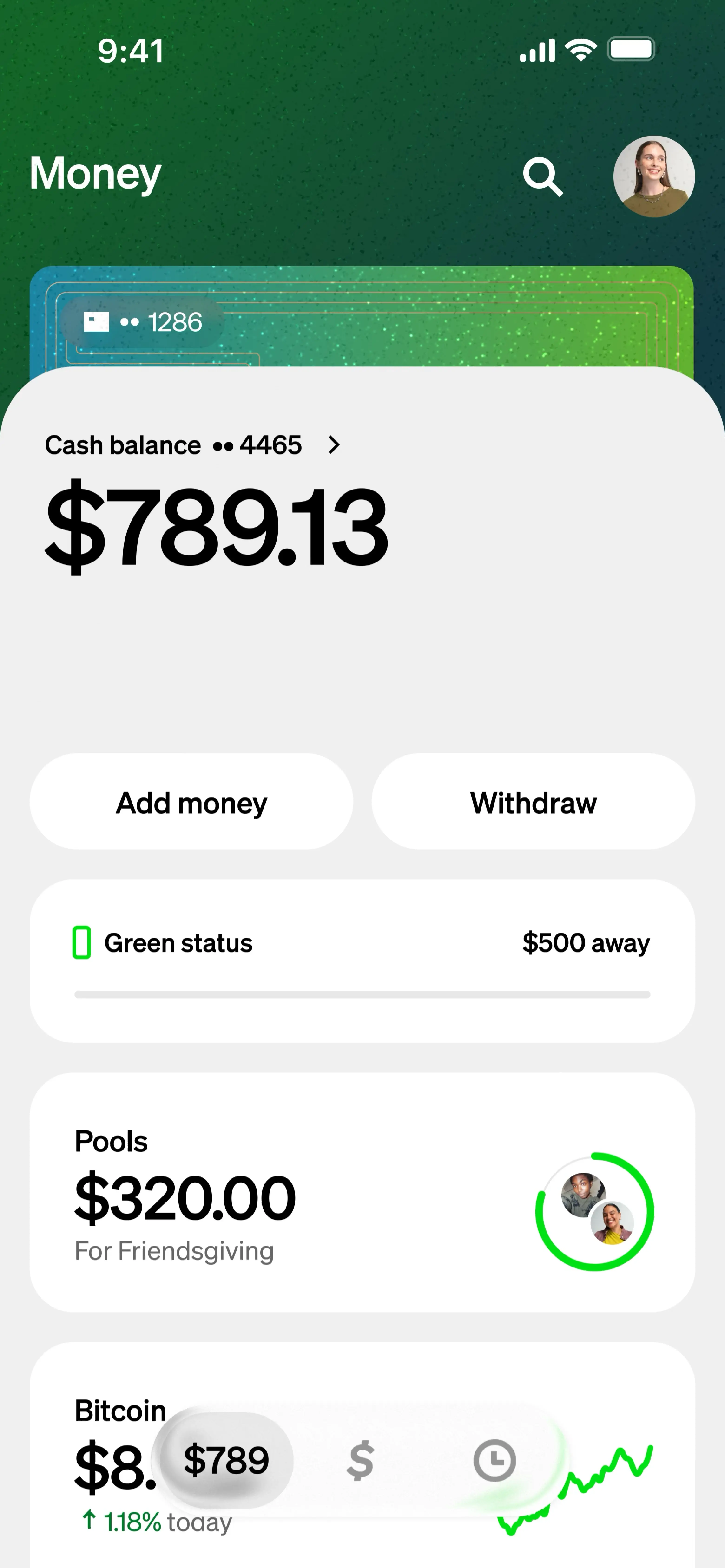
Looking ahead, Cash App is likely to expand into even more traditional banking services, further blurring the lines between fintech and traditional financial institutions. We might see an increased focus on savings accounts with competitive interest rates, lending products, or even more sophisticated investment options beyond basic stocks and Bitcoin. The integration of budgeting tools, credit score monitoring, or even insurance products could transform it into a full-service financial hub, catering to a broader spectrum of users’ financial needs. Such expansions would provide more options for users to manage their money entirely within the app, potentially simplifying their financial lives but also consolidating financial risk onto a single platform. The ability to manage all aspects of personal finance — from income to expenses, savings, and investments — within one intuitive interface is a compelling vision that Cash App appears to be striving for.
Regulatory Scrutiny and User Trust
As Cash App accumulates more financial functionalities and a larger user base, it inevitably draws increased regulatory scrutiny. Operating across various financial services (payments, banking, investments, crypto) means it must comply with a complex web of financial regulations designed to protect consumers and prevent illicit activities. How Cash App navigates these regulations, particularly concerning consumer protection, data privacy, and anti-money laundering (AML) protocols, will be critical. The platform’s continued success and expansion into deeper financial services hinge on its ability to maintain and enhance user trust. This includes transparent communication around fees, robust dispute resolution mechanisms, and continued investment in security features. The financial well-being of millions of users depends on Cash App’s commitment to responsible growth and its ability to adapt to an ever-changing financial and regulatory landscape, ultimately shaping its lasting impact on personal and business finance.
aViewFromTheCave is a participant in the Amazon Services LLC Associates Program, an affiliate advertising program designed to provide a means for sites to earn advertising fees by advertising and linking to Amazon.com. Amazon, the Amazon logo, AmazonSupply, and the AmazonSupply logo are trademarks of Amazon.com, Inc. or its affiliates. As an Amazon Associate we earn affiliate commissions from qualifying purchases.