
In the ever-evolving landscape of the digital world, cybersecurity threats are a constant concern for individuals, businesses, and governments alike. Among the myriad of malicious activities, Distributed Denial of Service (DDoS) attacks have emerged as a particularly disruptive and damaging force. These attacks, by their very nature, aim to cripple online services, making them inaccessible to legitimate users. Understanding what a DDoS attack is, how it works, and its implications is crucial for anyone operating or relying on digital infrastructure. This article will delve into the core mechanics of DDoS attacks, explore their various forms, and discuss the strategies employed for mitigation and defense, all within the critical domain of digital security.
The Mechanics of a DDoS Attack: Overwhelming the Target
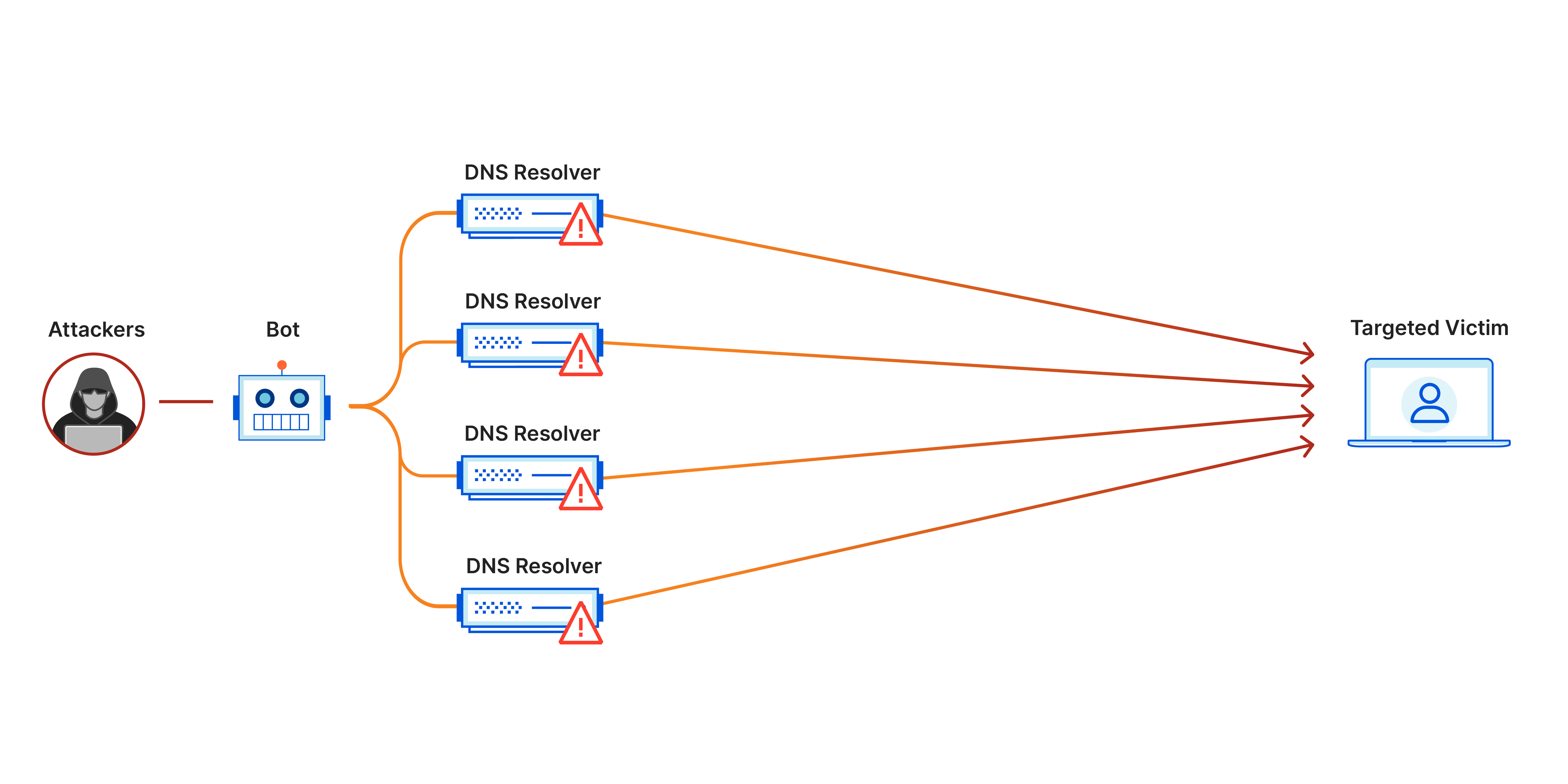
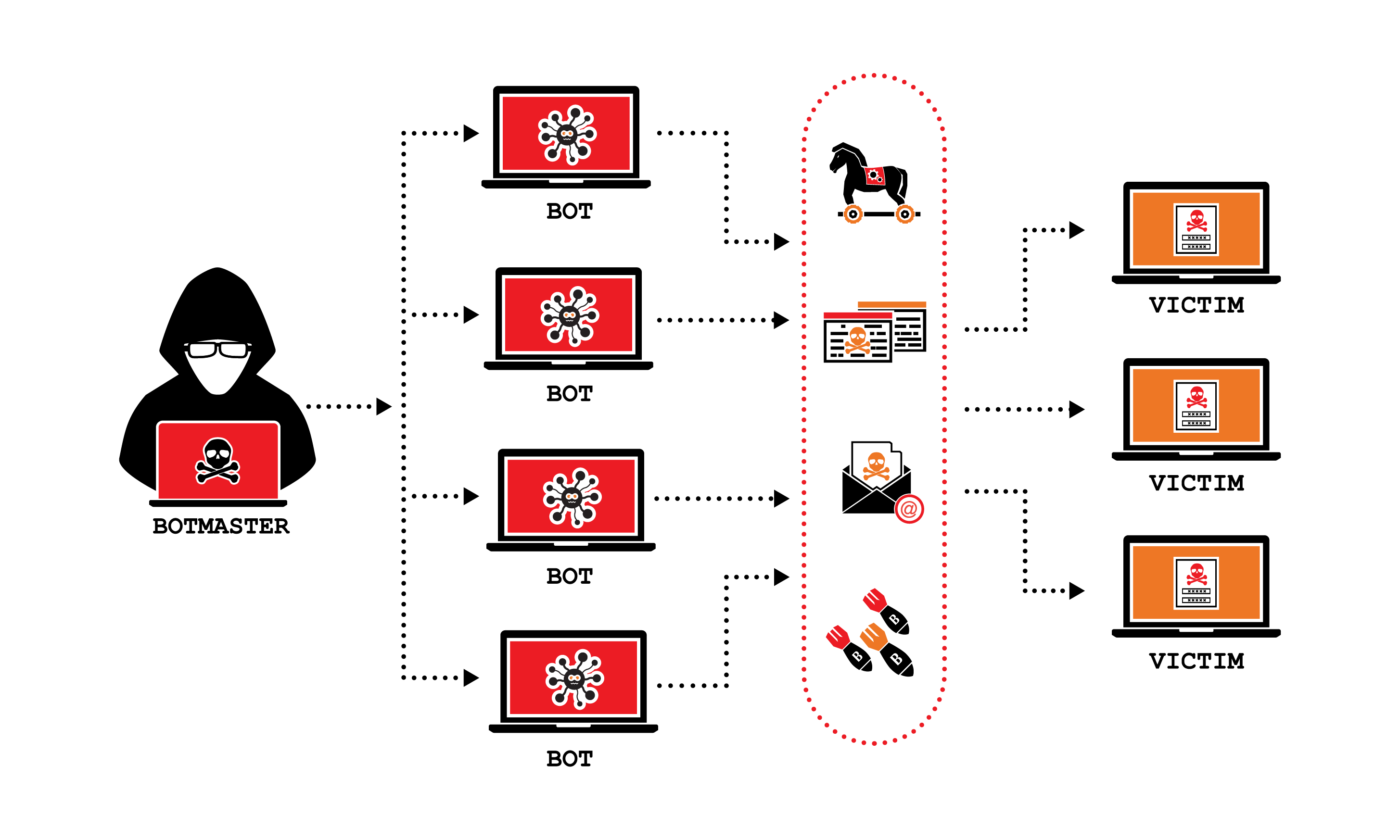
At its heart, a DDoS attack is an attempt to disrupt the normal traffic of a targeted server, service, or network by overwhelming it with a flood of internet traffic. The “distributed” aspect is key; unlike simpler Denial of Service (DoS) attacks that originate from a single source, DDoS attacks leverage multiple compromised computer systems, often referred to as a “botnet,” to launch the attack. These compromised systems, controlled by an attacker, can number in the tens of thousands or even millions, amplifying the volume of malicious traffic exponentially.
How Botnets Facilitate DDoS Attacks
A botnet is a network of internet-connected devices, such as computers, smartphones, or Internet of Things (IoT) devices, that have been infected with malware. This malware allows the attacker, known as the “botmaster,” to remotely control these devices without their owners’ knowledge. Once a botnet is established, the botmaster can command all the infected devices to simultaneously send requests or data to a specific target. This coordinated onslaught of traffic is designed to exhaust the target’s resources, such as bandwidth, processing power, or connection limits, rendering it unable to respond to legitimate user requests. The sheer scale of a botnet makes it incredibly difficult for a target to distinguish between genuine traffic and malicious traffic.
The Impact of Resource Exhaustion
DDoS attacks achieve their objective by exploiting the finite resources available to any online service. These resources can include:
- Bandwidth: This refers to the maximum rate of data transfer across a given path. An attack that consumes all available bandwidth effectively blocks any new, legitimate traffic from reaching the target. Imagine a highway with a four-lane capacity suddenly being flooded with thousands of cars attempting to merge at once; traffic would grind to a halt.
- Processing Power (CPU): Servers have a limited capacity to process incoming requests. DDoS attacks can flood a server with so many requests that its CPU becomes overloaded, unable to handle genuine user queries. This is akin to a cashier at a store being bombarded with an unmanageable stream of customers, leading to long queues and eventual service shutdown.
- Connection State Tables: Network devices like firewalls and load balancers maintain tables to track active connections. Attacks that create a massive number of half-open or fully open connections can fill these tables, preventing new, legitimate connections from being established. This is similar to a restaurant reaching its maximum seating capacity, forcing new patrons to wait or be turned away.
Types of DDoS Attacks: A Multifaceted Threat
DDoS attacks are not monolithic; they manifest in various forms, each targeting different layers of the network stack or employing distinct exploitation techniques. Understanding these different types is crucial for developing effective defenses. They can generally be categorized into three primary types:
Volumetric Attacks
Volumetric attacks aim to consume the target’s bandwidth to the point of saturation. They generate an enormous volume of traffic, overwhelming the network infrastructure. Examples include:
- UDP Flood: This attack involves sending a large number of User Datagram Protocol (UDP) packets to random ports on a target server. The server must respond to each packet by checking if any application is listening on that port, consuming its resources.
- ICMP Flood (Ping Flood): This attack exploits the Internet Control Message Protocol (ICMP). Attackers send a flood of ICMP Echo Request packets (pings) to the target. The target server must then respond to each ping with an ICMP Echo Reply, quickly depleting its bandwidth and processing power.
Protocol Attacks
Protocol attacks target vulnerabilities in the network protocols themselves, such as TCP (Transmission Control Protocol). They aim to exhaust server resources or intermediate communication equipment like firewalls and load balancers.
- SYN Flood: This is a classic and highly effective protocol attack. It exploits the TCP three-way handshake. The attacker sends a flood of TCP SYN (synchronization) requests to the target server but never completes the handshake by sending the final ACK (acknowledgment) packet. The server, waiting for the acknowledgment, keeps connections open, consuming its resources and preventing legitimate users from establishing connections.
- Fragmentation Attacks: These attacks involve sending fragmented IP packets to a target. The target server must reassemble these fragments to reconstruct the original packet. Attackers can send malformed fragments or a large number of fragments that overwhelm the server’s ability to reassemble them, leading to resource exhaustion.
Application Layer Attacks
Application layer attacks, also known as Layer 7 attacks, target specific vulnerabilities within an application or service, such as web servers or APIs. These attacks are often more sophisticated as they mimic legitimate user traffic, making them harder to detect.
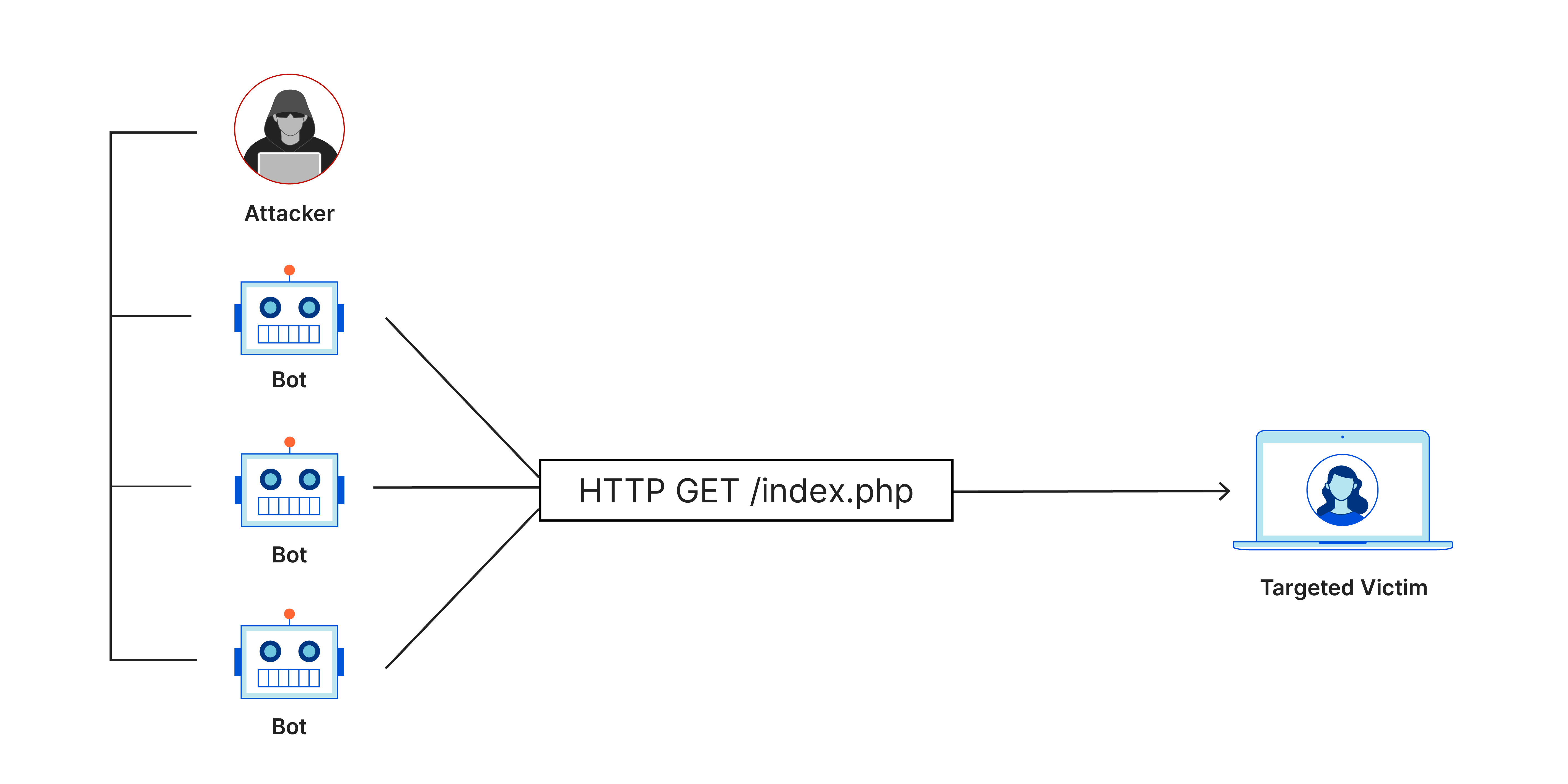
- HTTP Flood: Attackers send a high volume of seemingly legitimate HTTP requests to a web server. These requests can be for specific resources like login pages or search functions, designed to consume the server’s processing power and database resources.
- Slowloris: This attack aims to keep web server connections open for as long as possible by sending partial HTTP requests very slowly. The web server, waiting for complete requests, will eventually run out of available connections, preventing legitimate users from accessing the site.
The Motivations Behind DDoS Attacks: Why Attack?
The reasons behind launching DDoS attacks are diverse, ranging from financially driven motives to political activism and personal vendettas. Understanding these motivations can provide insights into the threat landscape and help organizations better prepare for potential attacks.
Financial Gain and Extortion
One of the most significant drivers for DDoS attacks is financial gain. Attackers may engage in “Ransom DDoS” (RDDoS) schemes, where they threaten to launch an attack against a business unless a ransom is paid. The threat alone can be enough to disrupt business operations and cause reputational damage, making some companies more likely to comply with the demands. Beyond extortion, DDoS attacks can be used to disrupt competitors’ services, allowing the attacker’s own services to gain an advantage. For instance, an e-commerce site might launch an attack against a rival during a peak sales period to divert customers.
Hacktivism and Political Agendas
Hacktivism, the use of hacking techniques for political or social causes, is another common motivation. Groups may launch DDoS attacks against government websites, financial institutions, or organizations they deem to be acting against their interests. The goal is to disrupt operations, draw attention to their cause, and demonstrate their capabilities. These attacks can be highly visible and aimed at creating significant public impact.
Cyber Warfare and State-Sponsored Attacks
In the realm of international relations, DDoS attacks can be employed as a tool of cyber warfare. Nation-states might use these attacks to disrupt critical infrastructure of adversarial nations, such as power grids, communication networks, or financial systems, as a prelude to or complement of conventional military action. These attacks are often sophisticated, well-resourced, and aimed at causing widespread disruption and undermining national security.
Vandalism and Disruption for Malice
Not all DDoS attacks are driven by complex motivations. Some attackers are simply motivated by a desire to cause chaos, disruption, or for the sheer challenge of breaching security. This can include individual hackers or groups looking to prove their technical prowess, impress peers, or simply cause damage for the sake of it. This type of attack, while perhaps less strategic, can be just as damaging to the targeted entities.
Defending Against DDoS Attacks: Strategies for Resilience
The constant threat of DDoS attacks necessitates a robust and multi-layered defense strategy. Organizations must implement a combination of technical solutions, proactive measures, and incident response plans to effectively mitigate these disruptions and maintain operational continuity.
Proactive Measures and Network Preparedness
The first line of defense involves building resilience into network infrastructure and implementing proactive security measures.
- Network Segmentation: Dividing a network into smaller, isolated segments can limit the impact of an attack. If one segment is compromised, the attack is less likely to spread to other critical areas.
- Over-Provisioning Bandwidth: While not a foolproof solution, having more bandwidth than typically required can absorb smaller volumetric attacks without immediate disruption.
- Firewall and Intrusion Prevention Systems (IPS): Properly configured firewalls and IPS can block known malicious traffic patterns and signatures, though sophisticated DDoS attacks can often bypass signature-based detection.
- Rate Limiting: Implementing rate limits on incoming requests can prevent any single IP address or source from overwhelming the server with too many requests.
- Content Delivery Networks (CDNs): CDNs distribute website content across multiple servers located geographically closer to users. This not only improves performance but also helps absorb traffic surges and can act as a buffer against DDoS attacks.
Detection and Mitigation Technologies
Effective DDoS defense relies on advanced technologies that can detect anomalous traffic patterns and automatically mitigate attacks.
- Traffic Scrubbing Centers: These are specialized facilities operated by DDoS mitigation service providers. When an attack is detected, incoming traffic is rerouted to these centers where malicious traffic is filtered out, and only clean, legitimate traffic is forwarded to the target.
- Behavioral Analysis: Modern security solutions employ behavioral analysis to identify deviations from normal traffic patterns. By understanding what constitutes legitimate traffic for a specific service, these systems can flag and block unusual or malicious activity, even if it doesn’t match known attack signatures.
- Anomaly Detection: AI-powered anomaly detection systems can continuously monitor network traffic for unusual spikes, patterns, or sources that deviate from established baselines. This allows for early detection of potential attacks.
- Blackholing and Sinkholing: In severe cases, network administrators may resort to blackholing traffic, which involves dropping all traffic destined for the targeted IP address. Sinkholing redirects malicious traffic to a “sinkhole” server for analysis and isolation. These are often last resorts as they can also impact legitimate users.
Incident Response Planning
Even with the best preventive measures, a DDoS attack can still occur. A well-defined incident response plan is crucial for minimizing downtime and recovery time.
- Communication Protocols: Establishing clear communication channels and protocols for internal teams and external stakeholders (like customers and service providers) is vital during an attack.
- Downtime Procedures: Having pre-defined procedures for what to do when services are unavailable can help manage customer expectations and maintain trust.
- Post-Attack Analysis: After an attack has been mitigated, a thorough analysis of the event is essential to understand how it occurred, identify vulnerabilities, and improve defenses for the future. This includes reviewing logs, assessing the effectiveness of mitigation strategies, and updating security policies.
In conclusion, DDoS attacks represent a significant and persistent threat to the digital ecosystem. By understanding their mechanics, motivations, and the diverse range of attack vectors, individuals and organizations can better equip themselves to defend against these disruptive forces. A proactive, layered approach combining robust infrastructure, advanced detection technologies, and well-rehearsed incident response plans is paramount in building resilience and ensuring the continuous availability of online services in an increasingly interconnected world.
aViewFromTheCave is a participant in the Amazon Services LLC Associates Program, an affiliate advertising program designed to provide a means for sites to earn advertising fees by advertising and linking to Amazon.com. Amazon, the Amazon logo, AmazonSupply, and the AmazonSupply logo are trademarks of Amazon.com, Inc. or its affiliates. As an Amazon Associate we earn affiliate commissions from qualifying purchases.