
In the hyper-competitive landscape of the global beauty industry, very few products achieve “cult status.” Even fewer manage to maintain that status for over two decades. When we ask “What is Strobe Cream?” from a branding and strategic marketing perspective, we are not simply discussing a luminescent moisturizer. We are analyzing a “Hero Product”—a strategic pillar that defines a brand’s identity, secures customer loyalty, and creates a barrier to entry for competitors.
Originally launched by MAC Cosmetics, Strobe Cream represents a masterclass in product positioning. It transitioned from a niche backstage tool for professional makeup artists into a global retail phenomenon. To understand the “what” of Strobe Cream is to understand how a single product can anchor a multi-billion dollar brand’s equity.

The Architecture of a Hero Product: Creating a New Category
In brand strategy, a “Hero Product” is the item that serves as the primary entry point for new customers. For MAC, Strobe Cream became that gateway. It didn’t just compete in the existing moisturizer or primer markets; it effectively created a new sub-category: “Liquid Glow.”
Identifying the Market Gap: Professional vs. Retail
Before the mass-market success of Strobe Cream, the industry was bifurcated. You had heavy, matte foundations for professional use and basic moisturizers for the average consumer. There was a visible gap for a product that provided “instant gratification”—a visual improvement to the skin that was neither makeup nor traditional skincare. By positioning Strobe Cream as “the ultimate quick fix for skin,” the brand tapped into a psychological desire for immediate results, a core tenet of effective brand marketing.
The Power of Distinctive Naming
The name “Strobe Cream” itself is a stroke of branding genius. At the time of its inception, “strobing” was a professional photography term referring to the use of flash or specialized lighting to highlight specific features. By adopting this terminology, the brand borrowed the authority of the professional photography world. This “pro-sumer” (professional-consumer) crossover gave the product an air of technical sophistication that a name like “Glow Lotion” would have lacked.
Sensory Branding and the “Pink Pearl” Signature
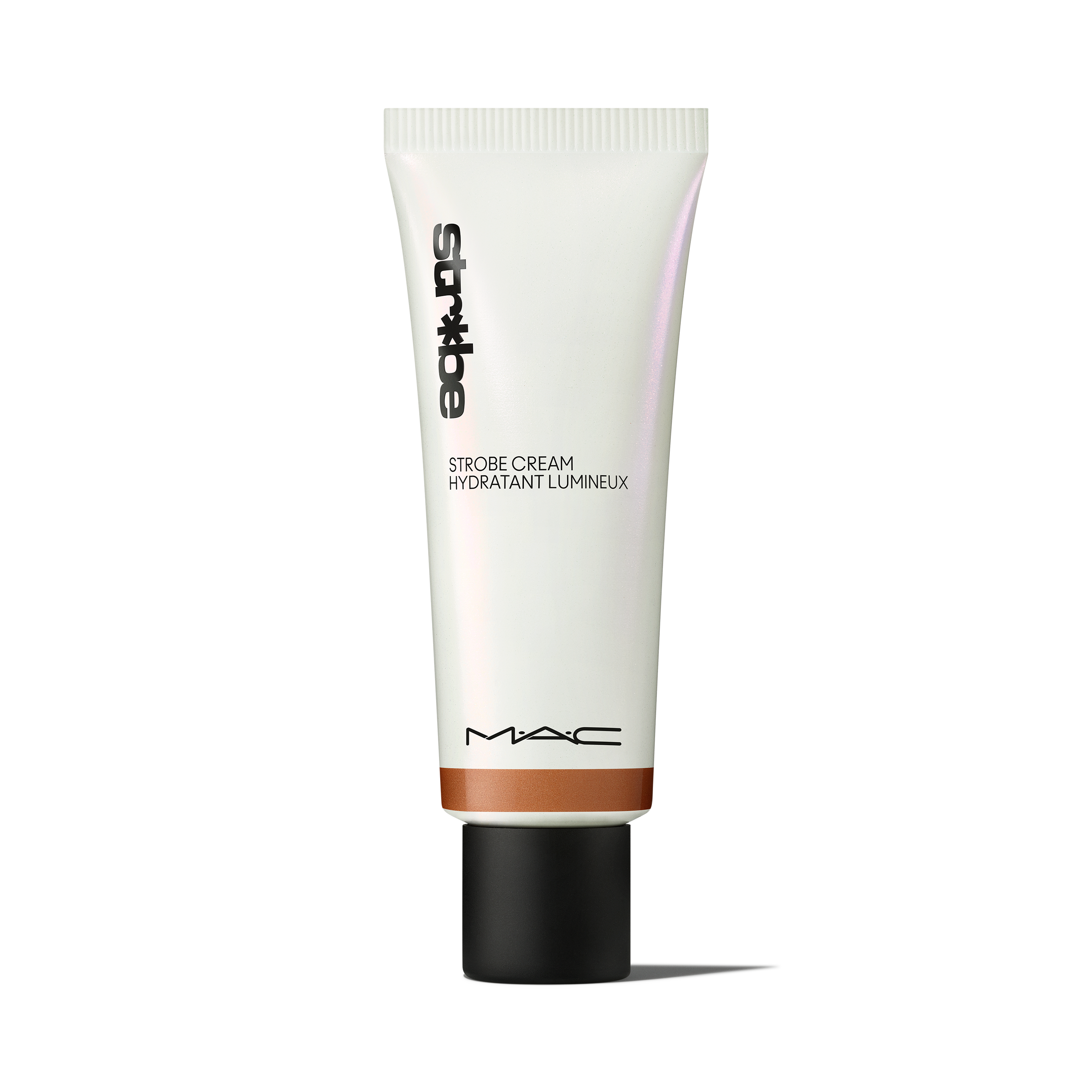
Branding isn’t just about logos; it’s about sensory cues. Strobe Cream’s specific iridescent finish—often referred to as the “Pink Pearl” effect—became a visual trademark. When a consumer saw that specific holographic sheen on a model or an influencer, they didn’t just see a highlighter; they saw the MAC aesthetic. This visual consistency builds massive brand recall.
Multi-Generational Branding: Maintaining Relevance in a Volatile Market
The lifecycle of a typical beauty product is notoriously short. Trends shift from “matte” to “dewy” to “glass skin” in the blink of an eye. However, Strobe Cream has survived these shifts through a sophisticated multi-generational branding strategy.
Product Evolution and Strategic Line Extension
A brand stays relevant by evolving without losing its core DNA. Initially, Strobe Cream was a singular product. As the market became more diverse and inclusive, the brand strategically expanded the range into “Strobe Face Glaze” and various shade extensions like Gold, Silver, and Peach. This wasn’t just product development; it was a move to ensure the brand remained inclusive and adaptable to changing global beauty standards, thereby protecting its market share.
The Influencer and Professional Artist Feedback Loop
MAC’s branding has always been rooted in its “Pro” heritage. By keeping Strobe Cream in the kits of world-class makeup artists at Fashion Weeks, the brand maintained its “cool factor.” When the era of YouTube and Instagram influencers arrived, the product was already a “holy grail” staple. The brand leveraged this by allowing organic endorsements from professionals to influence the mass market, creating a trickle-down effect that solidified the product’s authority.
Cultivating Brand Loyalty Through Versatility
From a marketing perspective, the more “use cases” a product has, the higher its value proposition. Strobe Cream is marketed as a moisturizer, a primer, a highlighter, and even a body lotion. By branding it as a multi-use tool, the company increased the product’s “stickiness.” Consumers who find four different ways to use a single product are significantly more likely to become repeat purchasers, increasing the Life Time Value (LTV) of each customer.
Visual Identity and the Psychology of the “Glow”
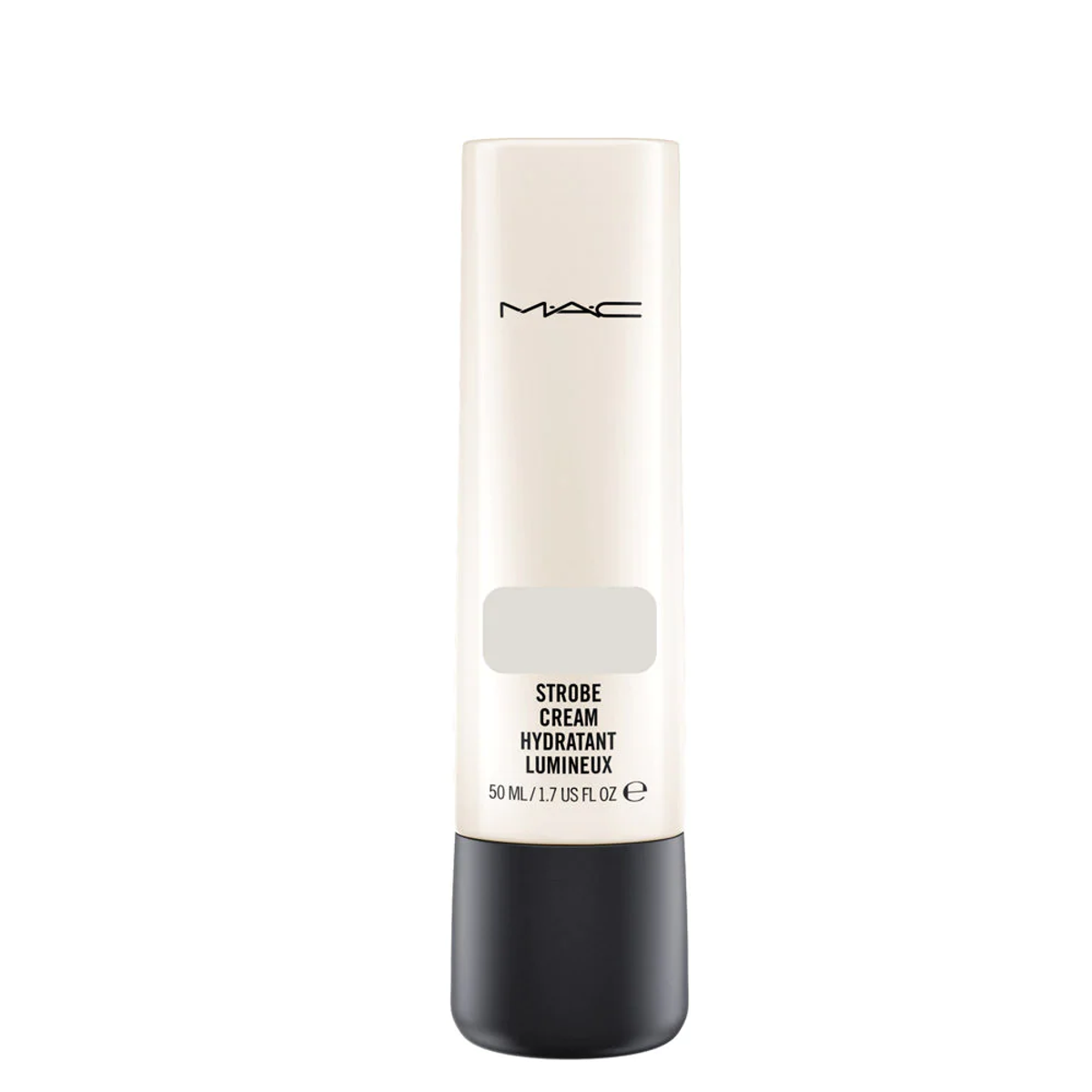
In the world of corporate identity, the promise of a product must match the visual reality. Strobe Cream promises “vitality,” and every element of its branding—from the minimalist, professional-looking tube to the iridescent finish of the cream—supports this narrative.
The “Skin Health” Narrative as a Brand Asset
Modern branding has shifted away from “masking” flaws to “enhancing” natural beauty. Strobe Cream was ahead of this curve. It was branded as a skincare-makeup hybrid long before “clean girl” aesthetics became a trend. By emphasizing botanical ingredients alongside its pearlescent pigments, the brand positioned the product as a health-conscious choice. This alignment with the “wellness” trend has allowed the product to transition seamlessly into the modern market.
Packaging as a Silent Salesman
The packaging of Strobe Cream reflects the brand’s professional identity. It is functional, sleek, and recognizable. Unlike many luxury brands that use heavy glass jars to signify value, MAC’s use of a portable, squeeze-tube design reinforces the “on-the-go” and “backstage” nature of the product. This consistency between the brand’s story (professional and fast-paced) and its packaging design is a critical component of its success.
Creating the “Instant Result” Feedback Loop
In digital marketing and branding, the “Aha!” moment is crucial. When a customer applies Strobe Cream, the change in skin luminosity is immediate. This creates a positive feedback loop that reinforces brand trust. If the “Hero Product” delivers on its promise within seconds, the consumer is more likely to trust the brand’s more expensive or complex offerings, such as foundations or serums.
Strategic Positioning: Defending Against the “Dupe” Culture
In the current digital age, successful brands face the constant threat of “dupes”—cheaper alternatives that claim to offer the same results. Strobe Cream’s longevity is a testament to the brand’s ability to defend its territory through strategic positioning.
The “Gold Standard” Defense
When a brand successfully defines a category, every other product in that category is compared to it. By maintaining the quality and the “Pro” association of Strobe Cream, MAC has ensured that while many “dupes” exist, none have been able to de-throne the original. The branding strategy here is to remain the “Gold Standard.” In marketing terms, being the original “first-to-mind” product provides a massive competitive advantage known as “brand salience.”
Leveraging the Global Retail Footprint
A brand’s strength is often tied to its accessibility. The global distribution network of MAC—from high-end department stores to airport duty-free shops—ensures that Strobe Cream is always within reach. This physical availability, combined with high brand awareness, creates a “moat” around the product. For a competitor to displace Strobe Cream, they would need not only a better formula but also a comparable global logistics and retail engine.
Adapting to the “Glass Skin” and “Clean Beauty” Trends
The rise of K-Beauty and the “Glass Skin” trend could have rendered Strobe Cream obsolete. Instead, the brand leaned into it. By re-marketing the product within the context of these new trends, they showed that a well-established brand could be agile. They didn’t change the product; they changed the conversation around the product. This is a vital lesson in brand management: when the market shifts, re-contextualize your assets rather than abandoning them.
Conclusion: The Legacy of a Branding Icon
What is Strobe Cream? It is more than just an iridescent moisturizer. It is a textbook example of how to build, maintain, and evolve a “Hero Product” in a saturated market. Through clever naming, professional positioning, sensory consistency, and strategic adaptation, Strobe Cream has moved beyond being a mere cosmetic item to becoming a vital component of a brand’s corporate identity and financial stability.
For brand strategists and marketers, the story of Strobe Cream offers several key takeaways:
- Solve a visual problem: The “instant fix” is a powerful brand promise.
- Own the category: Use professional terminology to build authority.
- Ensure versatility: Multi-use products have higher customer retention.
- Stay agile: Re-contextualize the product as new trends emerge to maintain relevance across generations.
In an industry where products disappear as quickly as they arrive, the enduring legacy of Strobe Cream proves that a strong brand identity, rooted in quality and professional heritage, is the most valuable asset a company can possess. By consistently delivering on the promise of “The Glow,” the brand has ensured that Strobe Cream remains not just a product, but a global standard.
aViewFromTheCave is a participant in the Amazon Services LLC Associates Program, an affiliate advertising program designed to provide a means for sites to earn advertising fees by advertising and linking to Amazon.com. Amazon, the Amazon logo, AmazonSupply, and the AmazonSupply logo are trademarks of Amazon.com, Inc. or its affiliates. As an Amazon Associate we earn affiliate commissions from qualifying purchases.