
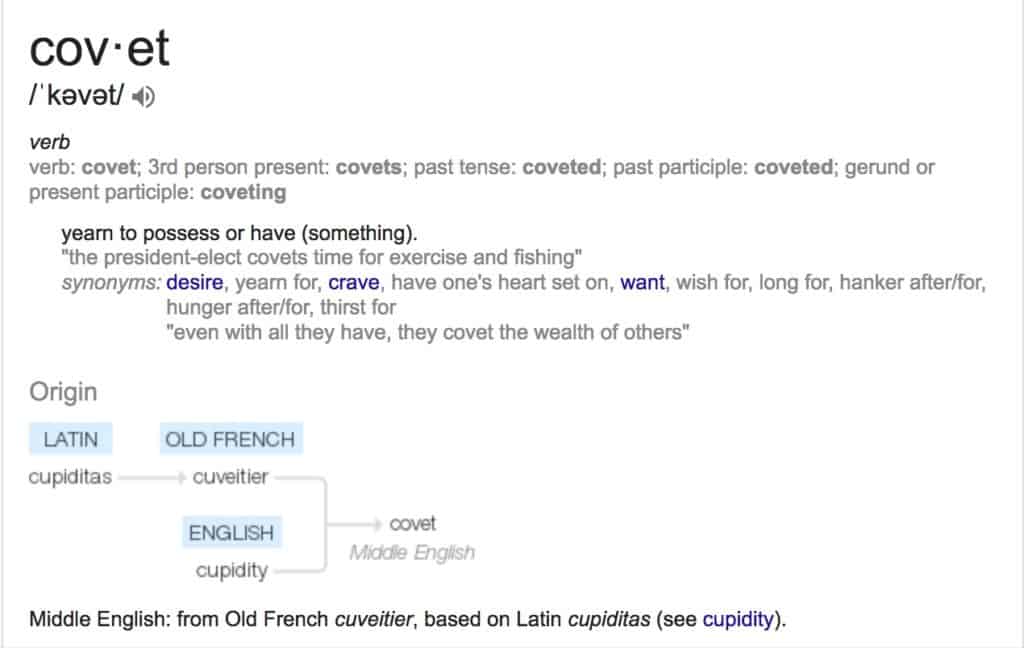
In the high-stakes world of consumer psychology and brand strategy, few words carry as much weight or historical complexity as “covet.” While it is often dismissed as a simple synonym for wanting something, in the realm of professional marketing and luxury brand positioning, coveting represents the pinnacle of consumer desire. It is the bridge between a mere purchase and a lifelong brand affiliation. Understanding what “covet” means in a corporate context is essential for any brand strategist looking to elevate their product from a commodity to an aspirational icon.
The Psychology of Covetous Branding
At its core, the term “covet” implies a profound, often irrational desire for something that may feel slightly out of reach. In marketing, this is the engine of the luxury economy. When a brand successfully positions itself as something to be coveted, it stops selling features and starts selling status, belonging, and identity.

Moving Beyond Utility
Most products compete on utility—how well they function, how long they last, or how competitively they are priced. This is the “Need” tier of the consumer hierarchy. Coveting, however, exists in the “Want” tier, specifically in the subset defined by scarcity and exclusivity. A consumer does not “covet” a standard ballpoint pen or a budget-tier smartphone; they covet a limited-edition writing instrument or an upcoming tech launch that feels like a status signal. To move a brand into this space, strategists must shift the narrative away from what the product does and toward how the product changes the consumer’s perceived standing in the world.
The Role of Scarcity and Exclusivity
Covetousness thrives on barriers to entry. If everyone can have it, no one truly covets it. This is why artificial scarcity—through limited production runs, waitlists, or invitation-only access—remains a cornerstone of luxury brand strategy. By intentionally restricting supply, a brand creates a vacuum of desire. When a consumer perceives that their access to a brand is conditional, the psychological value of that brand skyrockets. This is not just about sales; it is about the “hunt.” The pursuit of the item becomes part of the product experience, cementing the brand’s position as an object of desire.
Constructing the Covetable Brand Identity
Building a brand that people naturally covet requires a departure from traditional “direct response” marketing. You cannot force someone to covet your brand through discounts or aggressive advertising. Instead, you must curate an aura that makes the brand feel like a reward for the consumer’s own ambition or taste.
Cultivating an Aura of Sophistication
Covetability is intrinsically tied to the “halo effect.” When a brand associates itself with excellence—whether through high-end design, selective partnerships, or impeccable storytelling—it begins to emanate an aura of sophistication. This is why premium brands invest so heavily in aesthetic consistency and high-production-value content. If every touchpoint, from the unboxing experience to the social media feed, feels polished and deliberate, the consumer begins to feel that owning the product is a testament to their own refined sensibilities.
The Importance of Brand Narrative
What makes a consumer look at a leather handbag or a high-end watch and feel a visceral pull? It is the story attached to it. A brand that is coveted is one that stands for something beyond its own profit margins. It might represent heritage, craftsmanship, or a disruptive vision of the future. When a brand articulates a clear, compelling value system, it provides the consumer with a rationale for their desire. They aren’t just buying a product; they are buying into a philosophy. This emotional investment is the difference between a one-time buyer and a brand evangelist.
The Dynamics of Consumer Desire in the Digital Age
In the modern digital ecosystem, the mechanisms of coveting have shifted from physical storefronts to the scrolling feeds of social media platforms. The “covet” factor is now often driven by digital influence, creating a new set of challenges and opportunities for brand managers.
The “Influencer” Effect and Social Proof
Social media has turned “coveting” into a communal activity. When a product is prominently featured by figures who represent a aspirational lifestyle, the product itself becomes a shorthand for that lifestyle. This is where personal branding aligns with corporate identity. Influencers act as proxies; by showcasing their own “covetous” acquisition of a brand, they validate the desire of their followers. This creates a feedback loop of social proof: because others want it, it must be valuable, which in turn makes the audience want it more.
Digital Exclusivity and Community Building
Brands are now using digital tools to simulate exclusivity on a mass scale. Through early-access apps, private Discord servers, and token-gated content, brands are finding ways to make their most dedicated customers feel like part of an elite “in-group.” This satisfies the fundamental human need for community and status. By making their core audience feel like “insiders” who understand the value of the brand before it reaches the general public, marketers leverage the power of the “covet” sentiment to drive loyalty and long-term brand equity.
Maintaining Long-Term Brand Value
The greatest risk for a brand that achieves “covet” status is the inevitable cycle of overexposure. When a brand becomes too accessible or too ubiquitous, the sense of mystery dissipates, and with it, the desire. Protecting the brand’s status requires a delicate balance between growth and gatekeeping.
Balancing Scalability with Scarcity
This is the “luxury paradox”: how do you grow revenue without diluting the brand’s aspirational appeal? Successful brands handle this through product tiering. They might offer “entry-level” luxury items that serve as aspirational gateways, while simultaneously maintaining “flagship” products that remain intentionally difficult to acquire or afford. This allows the brand to capture market share while preserving the prestige that keeps the core audience interested.
The Lifecycle of Desire
A brand strategist must recognize that consumer interest is cyclical. What is coveted today may be discarded tomorrow. Maintaining long-term status requires constant innovation in storytelling and aesthetic direction. It requires listening to the culture and evolving the brand’s identity to remain relevant without compromising the core values that made it desirable in the first place. This is not about changing the product every season; it is about keeping the “aura” of the brand fresh and exciting.

Conclusion: The Strategic Imperative
At the end of the day, “to covet” is a powerful psychological trigger that, when harnessed correctly, provides a brand with an insurmountable competitive advantage. It moves the brand conversation away from the transactional and into the aspirational. When consumers covet your brand, they are not comparing your prices to your competitors; they are justifying why they need to be part of your ecosystem. In the crowded landscape of modern marketing, understanding the mechanics of desire is not just a psychological exercise—it is the ultimate strategic imperative for building a brand that survives and thrives across generations. Success is not just in being seen; it is in being wanted, pursued, and ultimately, deeply and profoundly coveted.
aViewFromTheCave is a participant in the Amazon Services LLC Associates Program, an affiliate advertising program designed to provide a means for sites to earn advertising fees by advertising and linking to Amazon.com. Amazon, the Amazon logo, AmazonSupply, and the AmazonSupply logo are trademarks of Amazon.com, Inc. or its affiliates. As an Amazon Associate we earn affiliate commissions from qualifying purchases.