
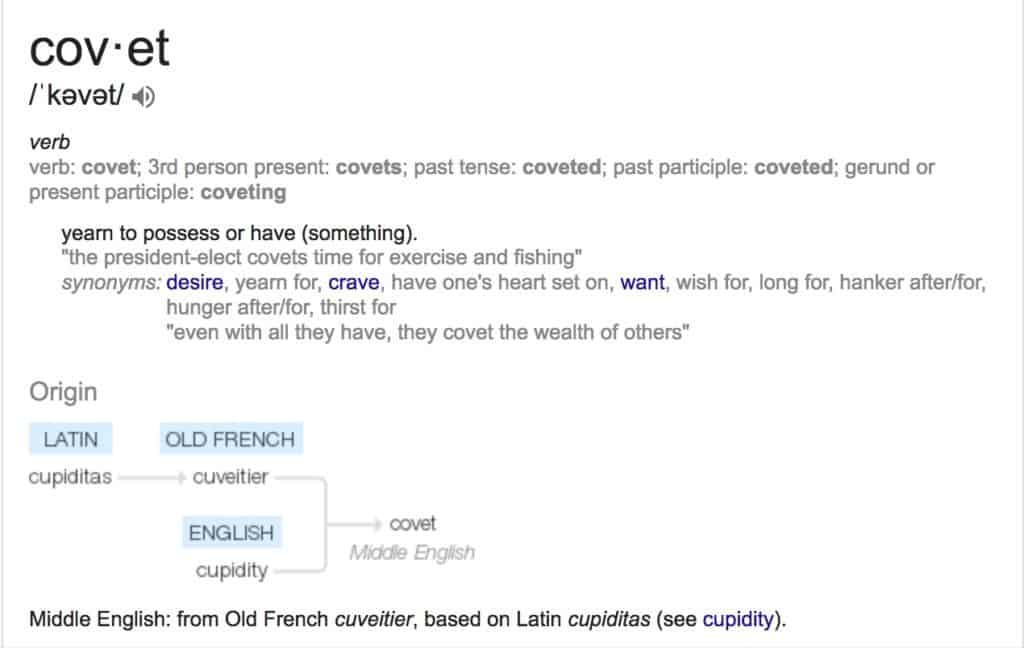
To “covet” is to yearn to possess or have (something), often something belonging to another. In the realm of branding, this definition takes on a powerful and profoundly strategic meaning. It’s not merely about wanting a product; it’s about an intense, aspirational desire, a deep-seated longing for ownership, belonging, or the perceived status that a particular brand confers. For a brand, being coveted means transcending utility to become an object of aspiration, a symbol that resonates deeply with consumer identity and desire.
Understanding what it means to be coveted is foundational for any brand aiming to build not just market share, but lasting loyalty, premium value, and an almost magnetic appeal. It’s the difference between a functional purchase and an emotional investment, between a fleeting trend and an enduring legacy. This article delves into the intricate psychology and strategic maneuvers behind fostering brand covetability, exploring how businesses cultivate this powerful form of consumer desire to build truly iconic and indispensable brands.

The Psychology Behind Covetousness in Branding
At its core, covetousness is a human emotion, a primal drive that brands expertly tap into. It’s far more complex than simple need; it’s rooted in deeper psychological constructs that marketers and brand strategists seek to understand and leverage.
Aspiration and Identity
Brands become coveted when they represent more than just a product or service – they become an extension of who we are, or more importantly, who we aspire to be. People covet brands that symbolize an ideal self, a desired lifestyle, or a particular social standing. Luxury brands, for instance, are not just about superior quality; they’re about signifying success, taste, and exclusivity. An Apple product isn’t merely a device; it’s a statement of innovation, design sensibility, and a certain creative spirit.
This aspirational appeal is carefully constructed through brand storytelling, visual identity, and the values the brand projects. When a consumer identifies with these elements, the brand transcends its functional purpose and becomes intertwined with their personal narrative. Owning a coveted brand item isn’t just a purchase; it’s an affirmation of identity, a step closer to an idealized version of oneself.
Scarcity and Exclusivity
One of the most potent psychological triggers for covetousness is the principle of scarcity. When something is rare, difficult to obtain, or available to only a select few, its desirability intensifies dramatically. Brands expertly employ this tactic through limited editions, exclusive collaborations, waitlists, and high price points. The perception of scarcity elevates an item from a commodity to a treasure.
Consider the phenomenon of limited-release sneakers or designer handbags. The difficulty in acquiring these items, the ‘hunt,’ and the immediate sell-out status, only fuels the desire further. It creates a sense of urgency and perceived value that goes beyond the intrinsic worth of the product. Exclusivity also plays into the human need for belonging and status – possessing something few others can reinforces a sense of uniqueness and privilege, making the brand inherently more coveted.
Emotional Connection and Storytelling
Humans are emotional creatures, and the most coveted brands are masters at forging deep emotional connections. This goes beyond product features to touch upon values, experiences, and shared narratives. A brand’s story – its origin, its mission, its impact – can evoke feelings of admiration, loyalty, nostalgia, or even love.
Think of Patagonia. While their gear is high-quality, the brand’s covetability is amplified by its unwavering commitment to environmental activism and sustainability. Consumers who share these values feel a strong emotional bond with Patagonia, seeing it as more than just an apparel company. This storytelling creates a narrative that customers want to be a part of, transforming a transactional relationship into a meaningful one. When a brand successfully taps into emotions, it builds a bond that is far stronger and more enduring than one based solely on utility or price.
Strategies for Cultivating Brand Covetability
Creating a brand that is truly coveted requires a deliberate, multi-faceted strategy that touches every aspect of its existence. It’s an ongoing process of refinement and authentic engagement.
Crafting a Unique Value Proposition (UVP)
At the heart of any coveted brand is a distinct and compelling Unique Value Proposition. This isn’t just about listing features; it’s about articulating the singular benefit or experience that the brand offers that no other can match. A strong UVP clearly answers the question: “Why should I choose this brand over all others?”
For Tesla, their UVP initially wasn’t just “an electric car”; it was “a sustainable, high-performance, technologically advanced luxury vehicle that redefines automotive innovation.” This positioning appealed to early adopters and environmentally conscious consumers seeking cutting-edge technology and a statement of progress. A powerful UVP differentiates a brand, making it memorable and uniquely desirable in the crowded marketplace.
Exceptional Design and Aesthetics
In an increasingly visual world, design and aesthetics play a critical role in fostering covetability. This encompasses not just the product itself, but also packaging, website, advertisements, and even physical retail spaces. A brand with a sophisticated, cohesive, and aesthetically pleasing design language communicates attention to detail, quality, and a premium experience.
Apple is perhaps the quintessential example here. Their minimalist, elegant design philosophy extends to every touchpoint, creating an experience that is intuitive, beautiful, and aspirational. The very act of unboxing an Apple product is an experience in itself, carefully orchestrated to build anticipation and reinforce the brand’s premium status. Great design communicates value before a single word is read or a feature is explained.
Building Community and Belonging
Humans have an inherent desire for connection and belonging. Coveted brands often foster strong communities around their products or values, transforming customers into advocates and members of an exclusive club. This sense of belonging creates a powerful emotional attachment, making the brand indispensable to its community.
Harley-Davidson is a prime example of community building. Owning a Harley is not just about having a motorcycle; it’s about joining a brotherhood, a lifestyle, and a shared passion. Events, rallies, and clubs reinforce this sense of identity and camaraderie, making the brand a central part of many owners’ lives. This creates a powerful network effect where customers themselves become integral to the brand’s appeal and continued covetability.
Influencer and Thought Leadership Integration
In the digital age, leveraging influencers and thought leaders has become a critical strategy for amplifying brand desire. When respected figures or individuals with aspirational lifestyles endorse or genuinely use a brand, it lends immense credibility and desirability. These individuals act as cultural gatekeepers, signaling what is ‘in’ and what is worth aspiring to.
Strategic partnerships with influencers who genuinely align with a brand’s values can introduce products to new audiences in an authentic way, converting their followers’ admiration into brand covetousness. Similarly, positioning brand leaders as thought leaders in their industry can elevate the brand’s perception, making it synonymous with innovation, expertise, and forward-thinking vision.
The Role of Perception and Prestige
Covetability is deeply intertwined with how a brand is perceived in the market. This perception is not accidental; it’s carefully constructed through consistent messaging, quality, and strategic positioning.
Quality and Craftsmanship
While desire can be spurred by marketing, true and sustained covetability must be built on a foundation of exceptional quality and craftsmanship. A product or service that consistently delivers on its promises, offers superior performance, and demonstrates meticulous attention to detail justifies the aspiration it generates. Without this intrinsic value, the allure of a brand can quickly fade, revealing it as mere hype.
Brands like Rolex or Hermès have maintained their coveted status for decades, not just because of their marketing, but because of their unwavering commitment to exquisite materials, unparalleled artistry, and enduring reliability. This commitment to quality builds trust and reinforces the idea that owning such an item is an investment in something truly superior and long-lasting.
Brand Heritage and Story
A rich brand heritage and a compelling origin story can imbue a brand with a profound sense of authenticity, mystique, and timelessness. Knowing the history, the struggles, the innovations, and the values that have shaped a brand over time can add layers of perceived value and emotional resonance.
Luxury fashion houses often leverage their extensive archives and founding narratives to reinforce their legacy and expertise. The idea that a brand has stood the test of time, overcome challenges, and maintained its core essence adds significant weight to its desirability. It suggests a proven track record, a deep understanding of its craft, and a connection to a larger cultural narrative, making it more than just a contemporary offering.
Strategic Pricing and Positioning
Price is a powerful communicator of value and exclusivity. For coveted brands, strategic premium pricing is not just about maximizing profit; it’s about reinforcing the brand’s positioning as high-end, exclusive, and aspirational. A higher price point, when justified by quality, design, and experience, can actually increase perceived value and desire.
Coupled with pricing is positioning – how the brand is presented relative to competitors. Coveted brands rarely compete on price; instead, they differentiate themselves on unique benefits, emotional appeal, and an elevated brand experience. Their marketing focuses on aspiration rather than affordability, carefully crafting an image that resonates with their target audience’s desires for status, luxury, or superior performance.
Measuring and Sustaining Brand Covetability
Creating a coveted brand is not a one-time achievement but an ongoing commitment. It requires continuous effort to maintain relevance, innovate, and connect with evolving consumer desires.
Beyond Sales: Metrics of Desire
While sales figures are important, measuring covetability goes beyond traditional financial metrics. Brands must look at indicators like brand equity (the value consumers attach to the brand), brand sentiment on social media, engagement rates, brand perception studies, and even the willingness of customers to pay a premium. Other indicators include share of voice, cultural relevance (e.g., being mentioned in popular culture), and the existence of a passionate fan base or community. These qualitative and quantitative measures provide a more holistic view of a brand’s magnetic pull.
Innovation and Evolution
To remain coveted, brands cannot afford to stand still. Consumer tastes, technological advancements, and cultural trends are constantly shifting. Brands must continuously innovate, evolve their offerings, and refresh their brand narrative to stay relevant and exciting. This doesn’t necessarily mean reinventing the wheel with every product cycle, but rather demonstrating a forward-thinking approach and an ongoing commitment to improvement and surprising customers.
Apple’s continuous innovation in user experience and product design, or Nike’s consistent advancements in athletic footwear technology, are examples of how brands maintain their cutting-edge appeal. This commitment to evolution ensures that the brand continues to capture attention and desire, preventing it from becoming stagnant or outdated.

Ethical Considerations and Authenticity
In today’s socially conscious marketplace, true covetability increasingly hinges on ethical practices and authenticity. Consumers are more discerning than ever, expecting brands to operate with integrity, sustainability, and social responsibility. Brands that genuinely embed these values into their core operations, rather than just using them as marketing talking points, build deeper trust and admiration.
A brand’s commitment to fair labor practices, environmental stewardship, or philanthropic initiatives can become a powerful differentiator, making it more desirable to consumers who want their purchases to align with their personal ethics. Authenticity in all communications and actions is paramount; any perceived disconnect between a brand’s claims and its reality can quickly erode trust and destroy covetability.
Ultimately, “what’s covet mean” for a brand is about achieving a state where it is deeply desired, emotionally resonant, and inextricably linked to the aspirations and identities of its audience. It is an artful blend of psychological insight, strategic execution, unwavering quality, and genuine connection. Brands that master this art don’t just sell products; they inspire dreams, cultivate communities, and build legacies that transcend generations.
aViewFromTheCave is a participant in the Amazon Services LLC Associates Program, an affiliate advertising program designed to provide a means for sites to earn advertising fees by advertising and linking to Amazon.com. Amazon, the Amazon logo, AmazonSupply, and the AmazonSupply logo are trademarks of Amazon.com, Inc. or its affiliates. As an Amazon Associate we earn affiliate commissions from qualifying purchases.