
In a world increasingly shaped by technology, where every device, every energy source, and every piece of digital infrastructure relies on intricate processes, understanding the fundamental building blocks becomes paramount. Among these core principles, the concept of oxidation-reduction—often abbreviated as redox—stands out as a silent architect of much of our modern technological landscape. Far from being an arcane chemical curiosity, redox reactions are the engines driving our batteries, the processes shaping our microchips, the silent battles against corrosion, and the promise behind next-generation energy solutions.
This article delves into the essence of oxidation reduction, not merely as a chemical definition, but as the pulsating heart of technological innovation. We will explore what these reactions entail, why they are inextricably linked, and how their principles are meticulously applied and manipulated to power, protect, and advance the devices and systems that define our digital age. From the sleek smartphone in your hand to the vast data centers that house the internet, the invisible dance of electrons orchestrated by oxidation and reduction is constantly at play, making the seemingly magical, profoundly practical.
The Fundamental Dance: Defining Oxidation and Reduction
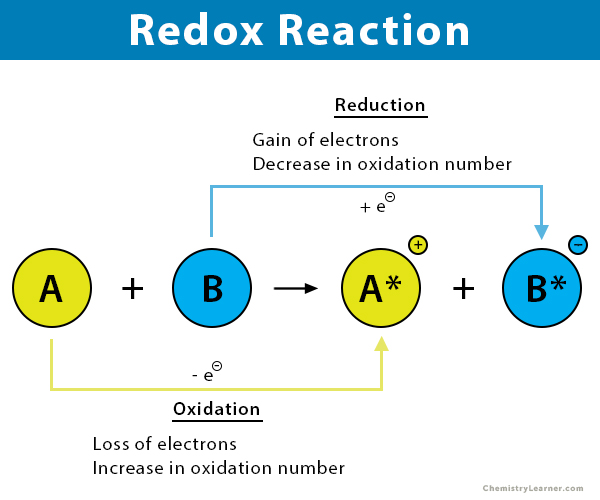
At its simplest, oxidation reduction is a pair of chemical reactions that always occur together, involving the transfer of electrons between two species. This electron transfer is the key to understanding countless natural and artificial processes, particularly in technology.
Loss of Electrons: The Essence of Oxidation
Oxidation is defined as the loss of electrons by a molecule, atom, or ion. When a substance undergoes oxidation, its oxidation state (a number representing the hypothetical charge of an atom in a compound) increases. This process can be remembered by mnemonics like “LEO the lion says GER” (Loss of Electrons is Oxidation) or “OIL RIG” (Oxidation Is Loss).
Consider a simple metal like iron. When iron rusts, it reacts with oxygen, and the iron atoms lose electrons to the oxygen atoms. The iron is oxidized, forming iron oxides (rust). This seemingly simple process has profound implications for material science and the longevity of technological components. In a battery, the material at the anode undergoes oxidation, releasing electrons that flow through an external circuit to power a device.
Gain of Electrons: The Heart of Reduction
Conversely, reduction is defined as the gain of electrons by a molecule, atom, or ion. When a substance undergoes reduction, its oxidation state decreases. Continuing with our mnemonics, “GER” stands for Gain of Electrons is Reduction, and “RIG” for Reduction Is Gain.
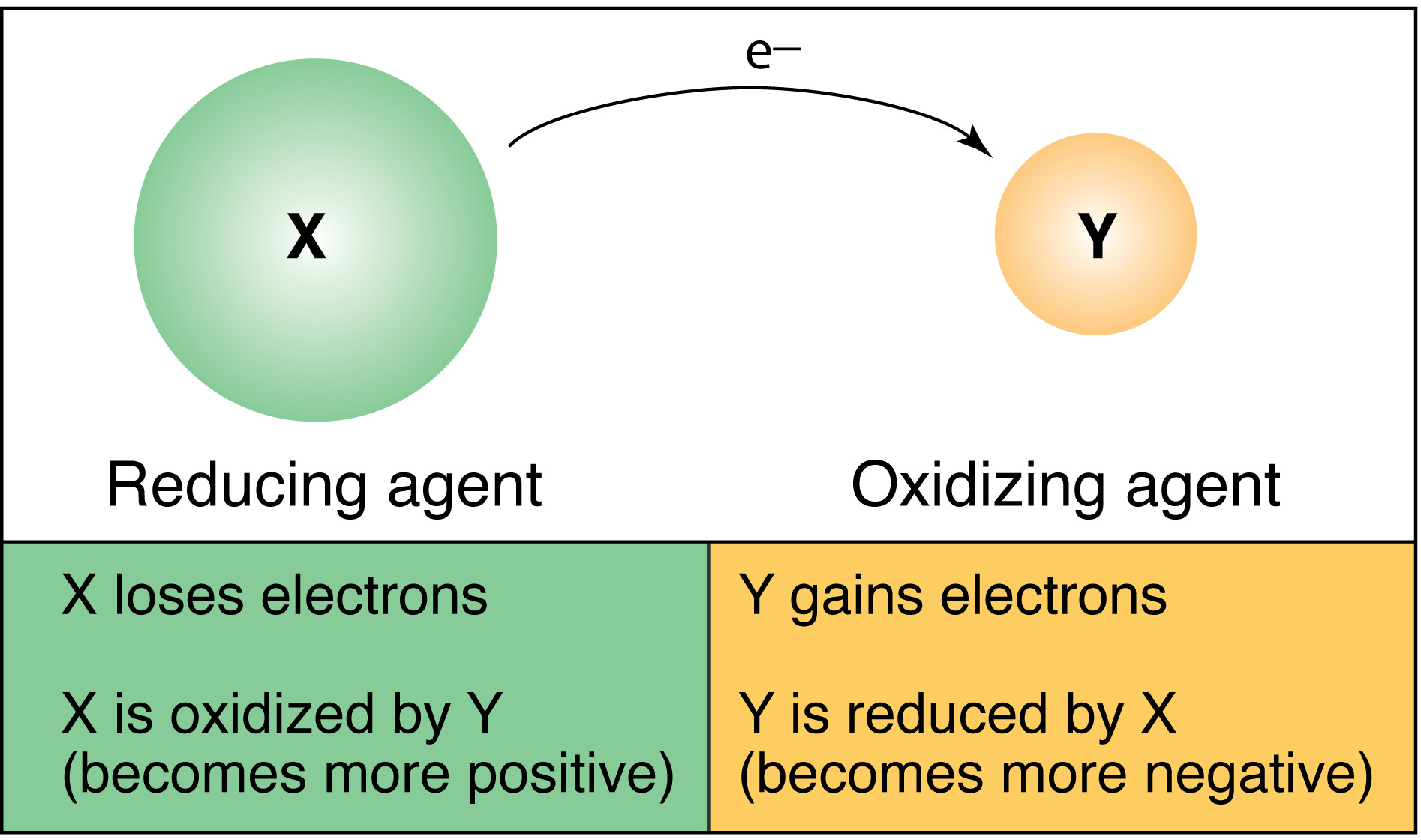
In the rusting example, while iron is oxidized, oxygen is simultaneously reduced, gaining the electrons lost by the iron. In the battery example, the material at the cathode undergoes reduction, accepting the electrons that have traveled from the anode. This coordinated dance is what generates electrical current. Understanding both sides of this exchange is critical, as one cannot occur without the other.
The Coupled Nature: Why They Always Go Together
The crucial takeaway is that oxidation and reduction are always coupled; they are two sides of the same coin. Electrons are not spontaneously created or destroyed in chemical reactions; they are merely transferred. If one substance loses electrons (is oxidized), another substance must gain those same electrons (is reduced). This coupled process is why they are collectively referred to as “redox reactions.” This principle of electron conservation is fundamental to designing and optimizing electrochemical systems, from miniature watch batteries to massive grid-scale energy storage solutions.
Powering Our Digital Lives: Redox Reactions in Energy Storage
Perhaps the most apparent and impactful application of redox reactions in technology lies in energy storage devices. Our insatiable demand for portable power and grid-scale energy solutions is met almost entirely by technologies built upon the principles of oxidation and reduction.
Batteries: The Electrochemical Engine of Gadgets
Every smartphone, laptop, electric vehicle, and myriad other gadgets are powered by batteries, which are essentially self-contained electrochemical cells where redox reactions are engineered to produce a flow of electrons.
-
How they work: When a battery discharges, an oxidative reaction occurs at the anode (negative terminal), releasing electrons. These electrons then travel through an external circuit (powering your device) to the cathode (positive terminal), where a reductive reaction consumes them. When the battery is recharged, the process is reversed by applying an external electrical current, forcing electrons back to the anode and restoring the original chemical states.
-
Innovation: Advances in battery technology—from lead-acid to lithium-ion, and emerging solid-state batteries—are fundamentally about finding new and more efficient redox couples that can store more energy, charge faster, and last longer. The ability to precisely control these electron transfers is at the heart of breakthroughs in portable electronics and renewable energy integration.
Fuel Cells: Towards Sustainable Energy Solutions
Fuel cells represent another powerful application of redox chemistry, offering a promising avenue for cleaner energy generation. Unlike batteries, fuel cells continuously produce electricity as long as fuel (e.g., hydrogen) and an oxidant (e.g., oxygen from air) are supplied.
-
The process: In a hydrogen fuel cell, hydrogen gas is oxidized at the anode, releasing electrons and protons. The electrons travel through an external circuit, generating electricity, while the protons move through an electrolyte to the cathode. At the cathode, oxygen is reduced, combining with the electrons and protons to form water, the only byproduct.
-
Technological significance: Fuel cells are crucial for applications requiring sustained power without frequent recharging, such as in specialized vehicles, backup power systems, and potentially as a clean alternative to internal combustion engines. Their efficiency and minimal environmental impact hinge entirely on optimized redox kinetics and materials science.
Supercapacitors and Beyond: Next-Gen Energy Tech
While not strictly reliant on chemical redox reactions in the same way as batteries, technologies like supercapacitors leverage electrochemical principles related to charge separation and electron movement at interfaces. Furthermore, hybrid energy storage systems combine the best features of batteries (high energy density) and supercapacitors (high power density) by carefully managing their respective redox and electrostatic charge mechanisms. Future energy technologies, including advanced flow batteries and solid-state devices, are continually pushing the boundaries of what’s possible by re-imagining and refining the control of electron transfer processes.
Guardians of Longevity: Redox and Material Integrity
Beyond powering devices, redox reactions play a critical, albeit often detrimental, role in the longevity and reliability of technological assets. Understanding and mitigating these reactions is central to digital security (protecting hardware) and the sustained performance of infrastructure.
Corrosion: The Silent Threat to Infrastructure and Electronics
Corrosion is essentially an unwanted electrochemical redox reaction where metals react with their environment (oxygen, water, acids) to form more stable compounds, typically oxides. This degradation can manifest as rust on steel bridges, tarnishing on electrical contacts, or catastrophic failure in critical electronic components.
- Impact on Tech: For tech, corrosion is a significant concern. It can degrade printed circuit boards (PCBs), weaken solder joints, lead to signal loss in connectors, and ultimately cause device failure. In large-scale infrastructure like data centers, corrosion can compromise structural integrity or lead to the failure of cooling systems, posing substantial digital security risks.
Anti-Corrosion Technologies: Protecting Our Digital Assets
Mitigating corrosion involves applying redox principles to create protective barriers or alter electrochemical potentials.
-
Protective coatings: Paints, polymers, and ceramic coatings physically separate the metal from corrosive agents.
-
Sacrificial anodes: In a process called cathodic protection, a more easily oxidized metal (the sacrificial anode, e.g., zinc or magnesium) is electrically connected to the metal to be protected (e.g., a steel pipeline). The sacrificial anode corrodes preferentially, “sacrificing” itself to prevent the protected metal from oxidizing. This principle is vital for submerged structures, pipelines, and even in some electronic enclosures.
-
Passivation: Some metals naturally form a thin, stable oxide layer (a product of oxidation) that acts as a protective barrier against further corrosion (e.g., stainless steel, aluminum). Engineers leverage this property or induce it through chemical treatments to enhance material durability.
Electroplating and Surface Treatments: Enhancing Durability and Functionality
Electroplating is a deliberate and controlled redox process used to deposit a thin layer of metal onto a conductive surface. This technique is invaluable for:
-
Corrosion resistance: Plating with metals like nickel, chromium, or cadmium provides a protective barrier.
-
Enhanced conductivity: Gold or silver plating on electrical contacts improves signal integrity and reduces resistance, critical for high-performance electronics.
-
Aesthetics and hardness: Chromium plating offers a shiny finish and increased surface hardness.
-
Semiconductor manufacturing: Electroplating is used to create specific metallic structures on silicon wafers, integral to chip fabrication.
These applications demonstrate how mastering redox reactions allows engineers to not only combat degradation but also to impart desired properties to materials, significantly extending the lifespan and performance of technological products.
Crafting the Future: Redox in Semiconductor Manufacturing and Beyond
The intricate world of microelectronics, from the smallest transistor to the most complex integrated circuit, is also deeply indebted to the precise control of redox chemistry. These reactions are fundamental to the manufacturing processes that sculpt silicon and integrate myriad components into the brains of our digital devices.
Etching and Deposition: Sculpting Microchips
The fabrication of semiconductors involves a series of highly sophisticated steps where material is either removed (etching) or added (deposition) at an atomic scale. Many of these processes are electrochemical, relying on controlled oxidation and reduction.
-
Electrochemical etching: This technique selectively removes material from a wafer, creating the channels and gates essential for transistors. The precise control over redox reactions at the material surface allows for nanometer-scale precision.
-
Chemical Vapor Deposition (CVD) and Atomic Layer Deposition (ALD): These deposition techniques often involve redox reactions where precursor gases react on a surface to form thin films, adding layers of insulating, conductive, or semiconductive materials. ALD, in particular, leverages self-limiting surface reactions, often involving oxidation steps, to achieve atomic-level thickness control, crucial for modern nanoscale transistors.
Digital Security Implications: Hardware Resilience
The physical security of hardware, which underpins digital security, is also indirectly linked to redox processes. Beyond general corrosion, specific electrochemical attacks or unintended redox reactions can compromise hardware. For instance, electromigration, a phenomenon where current flow causes mass transport in metallic interconnects, can lead to circuit failure over time. Understanding and mitigating these redox-driven physical degradations is crucial for designing robust, long-lasting, and secure hardware components that are resilient against both environmental threats and sophisticated physical attacks.
Emerging Tech: Biosensors, AI and Electrochemical Interfaces
The influence of redox extends into cutting-edge domains:
-
Biosensors: Many advanced biosensors, particularly those used in health tech (e.g., glucose meters), rely on enzymatic redox reactions to detect specific biomarkers. These devices convert a biochemical redox event into an electrical signal, providing rapid and accurate diagnostic information.
-
AI and Machine Learning in Redox Chemistry: AI is increasingly being used to predict the outcomes of redox reactions, design new catalysts, and optimize battery materials. Machine learning algorithms can analyze vast datasets of electrochemical properties to accelerate the discovery of novel materials with desired redox characteristics for energy storage or catalytic applications.
-
Electrochemical Interfaces for Computing: Researchers are exploring new computing paradigms that leverage redox states of molecules or materials at interfaces for memory or processing, potentially leading to ultra-low-power devices or neuromorphic computing architectures.

Conclusion
Oxidation reduction, often perceived as a complex chemical concept, is in reality an indispensable force driving the entirety of our technological evolution. From the fundamental principles that govern electron transfer to their intricate applications in powering our gadgets, protecting our infrastructure, and manufacturing the very chips that enable artificial intelligence, redox reactions are the silent, yet profoundly impactful, architects of the digital age.
Understanding “what is oxidation reduction” is not just about chemical literacy; it’s about appreciating the foundational science that allows engineers and innovators to push the boundaries of what’s possible. As we continue to demand more efficient energy, more durable materials, and more powerful computing, the mastery of redox chemistry will remain at the forefront of technological advancement, continuously shaping the future of our interconnected, electric, and increasingly sophisticated world.
aViewFromTheCave is a participant in the Amazon Services LLC Associates Program, an affiliate advertising program designed to provide a means for sites to earn advertising fees by advertising and linking to Amazon.com. Amazon, the Amazon logo, AmazonSupply, and the AmazonSupply logo are trademarks of Amazon.com, Inc. or its affiliates. As an Amazon Associate we earn affiliate commissions from qualifying purchases.