
The term “senior dog” evokes images of gentle giants with silver muzzles, wise eyes, and a well-earned sense of calm. But when does a dog officially cross the threshold into seniority? Is it a specific age, a change in behavior, or a combination of factors? For many pet owners, this transition is both a celebration of their dog’s life and a signal to adapt their care. This article will explore what defines a senior dog, drawing parallels and insights from the seemingly disparate worlds of technology, branding, and finance, to offer a comprehensive understanding of this important life stage.

The Evolving Definition of a Senior Dog: Beyond the Calendar
Just as technology rapidly advances and brand perceptions shift, the concept of a senior dog isn’t a static one. While a general age range exists, several elements contribute to determining when a canine companion truly enters their senior years.
The Age Factor: A Variable Benchmark
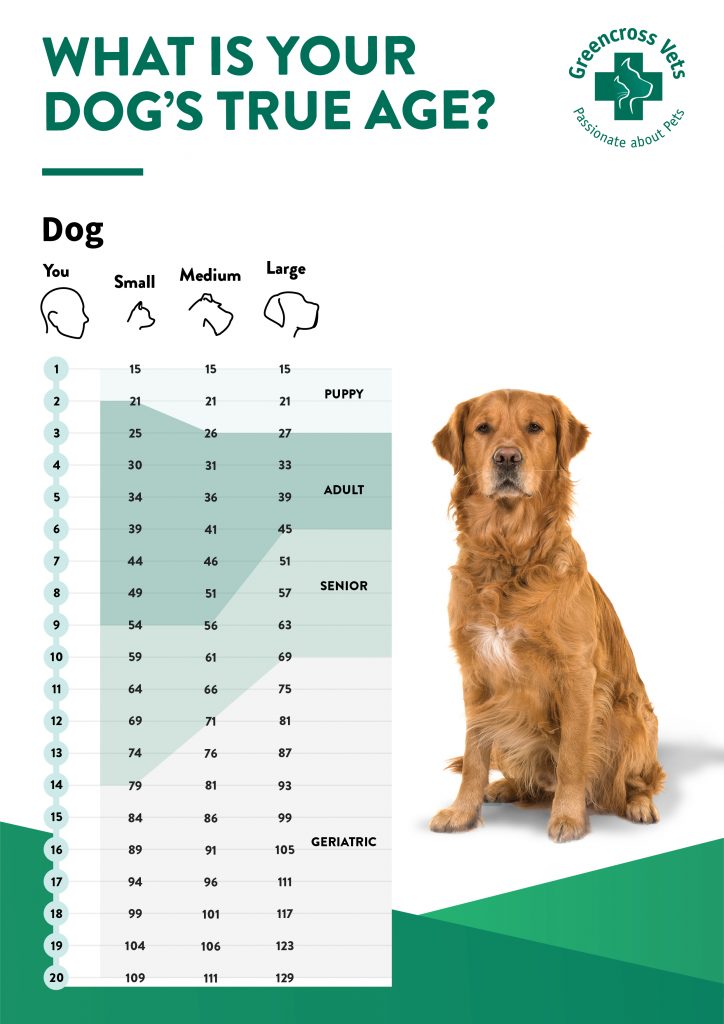
The most common metric for defining a senior dog is age. However, this isn’t a one-size-fits-all equation. Unlike humans, dogs mature at different rates, and their lifespan is heavily influenced by breed and size.
- Small Breeds: Typically, smaller dogs are considered seniors around 10-12 years of age. Their generally longer lifespans mean they can remain active and vibrant for longer periods. Think of a chihuahua or a miniature poodle reaching their twilight years in their early teens.
- Medium Breeds: For medium-sized dogs, the senior stage often begins around 7-10 years old. This encompasses a wide range of popular breeds like beagles, border collies, and standard poodles.
- Large and Giant Breeds: These breeds have significantly shorter lifespans and tend to age more rapidly. Large breeds like Labrador Retrievers and Golden Retrievers are often considered seniors by 6-8 years old, while giant breeds like Great Danes and Irish Wolfhounds can enter their senior years as early as 5-6 years old.
It’s crucial to remember that these are general guidelines. A veterinarian can provide the most accurate assessment of your individual dog’s age and life stage based on their breed, health, and overall condition. This is akin to how a tech review might offer specific performance benchmarks for a device, but ultimately, user experience and individual needs dictate its true value.
Beyond the Numbers: Behavioral and Physical Indicators
While age is a significant factor, a dog’s behavior and physical state offer more nuanced insights into their seniority. Just as a brand’s reputation is built on consistent customer experience, a dog’s senior status is often recognized through observable changes.
- Changes in Activity Levels: A noticeable decrease in energy and enthusiasm for activities they once loved is a hallmark of aging. This could manifest as sleeping more, less interest in vigorous play, or a reluctance to go for long walks. This mirrors how a well-established tech product might see a dip in adoption rates as newer, more advanced alternatives emerge.
- Physical Deterioration: Signs of aging can include a graying muzzle, cloudy eyes (cataracts), hearing loss, stiff joints, and changes in skin and coat. Arthritis is particularly common in senior dogs, leading to mobility issues and discomfort. These physical changes are akin to the gradual wear and tear on a physical product or the decline in performance of older software versions.
- Cognitive Decline: Some senior dogs may exhibit signs of cognitive dysfunction syndrome (CDS), similar to dementia in humans. This can involve disorientation, changes in sleep-wake cycles, house-soiling accidents, and altered social interactions. This is a direct parallel to the challenges faced by outdated algorithms or legacy systems in the tech world.
- Dietary and Health Changes: Senior dogs often require adjustments to their diet to meet their changing nutritional needs. They may also be more prone to age-related health issues, such as kidney disease, heart conditions, and cancer. This is analogous to how financial portfolios need rebalancing as individuals approach retirement, or how a business might adapt its marketing strategy as its target demographic ages.
Adapting Care for the Senior Dog: A Strategic Approach
Recognizing that your dog is entering their senior years is a call to action, prompting a strategic shift in their care. This involves a proactive approach, much like how businesses or individuals proactively manage their finances or personal brands to ensure long-term success and well-being.
Health and Wellness: Proactive Management
The health of a senior dog requires heightened attention and preventative care. This is where the principles of proactive financial planning and robust digital security become highly relevant.
- Regular Veterinary Check-ups: Increased frequency of vet visits becomes essential. These check-ups are crucial for early detection of age-related diseases and for managing chronic conditions. Think of these as essential software updates or regular security audits to prevent potential breaches.
- Dietary Adjustments: Senior dogs often benefit from specialized senior dog food that is formulated with lower calories, increased fiber, and nutrients that support joint health and cognitive function. Consulting with your veterinarian about the best diet is paramount. This is akin to choosing investment vehicles that align with your risk tolerance and financial goals, or curating content that resonates with your evolving personal brand.
- Pain Management and Mobility Support: Arthritis and other joint issues are common. Owners may need to consider supplements like glucosamine and chondroitin, physical therapy, or pain medication. Providing orthopedic beds and ramps can also significantly improve comfort. This mirrors the need for robust cybersecurity measures to protect digital assets, or the importance of diversifying income streams to mitigate financial risks.
- Dental Care: Dental hygiene becomes even more critical as dogs age, as dental disease can lead to more serious health problems. Regular teeth brushing and professional cleanings are recommended. This is akin to maintaining the foundational infrastructure of a website or ensuring all components of a digital tool are functioning optimally.

Environmental Modifications: Creating a Comfortable Haven
Just as technology companies design user-friendly interfaces and businesses create accessible physical spaces, owners can modify their homes to make them more comfortable and safe for senior dogs.
- Accessibility: Non-slip rugs or carpets can help dogs with mobility issues navigate slippery floors. Ramps can aid them in getting onto furniture or into cars. Orthopedic beds offer better support for aging joints. This is like implementing accessibility features in a software application or ensuring a website is navigable for all users.
- Temperature Control: Older dogs may be more sensitive to extreme temperatures. Ensuring a comfortable indoor environment is crucial. This is akin to optimizing a server’s performance for consistent uptime regardless of external factors, or ensuring a brand’s message remains consistent across various communication channels.
- Safety and Supervision: Senior dogs may be more prone to accidents due to reduced vision or hearing. It’s important to supervise them, especially in unfamiliar environments, and to secure any potential hazards. This mirrors the need for robust digital security protocols and ongoing monitoring to prevent data breaches or system failures.
Mental Stimulation and Emotional Well-being
While physical activity may decrease, mental stimulation remains vital for a senior dog’s well-being. This is reminiscent of the ongoing need for skill development in technology, strategic refinement in branding, and continuous learning in financial literacy.
- Gentle Exercise and Enrichment: Shorter, more frequent walks can be beneficial. Puzzle toys and slow-feeder bowls can provide mental engagement without being overly strenuous. This is akin to optimizing workflow for maximum efficiency without burnout, or developing content that engages an audience without overwhelming them.
- Routine and Comfort: Maintaining a consistent routine provides a sense of security for senior dogs. Plenty of affection and quiet time are also important for their emotional well-being. This is like establishing a predictable release cycle for software updates or maintaining a consistent brand voice to build trust with consumers.
- Social Interaction: While some older dogs may prefer quieter companionship, others still enjoy gentle interaction with familiar pets and people. It’s important to gauge their comfort level and provide opportunities for positive social engagement. This mirrors how a brand might foster community engagement or how individuals build professional networks.
The Financial and Branding Analogies: A Deeper Understanding
Exploring the parallels between a senior dog’s life stage and the concepts of technology, branding, and finance can offer a richer perspective on how we care for our aging canine companions.
Tech: Obsolescence and Upgrades
The concept of a “senior dog” can be viewed through the lens of technological obsolescence. Just as older software versions or hardware may become outdated, a dog’s physiological systems naturally decline with age. However, unlike technology that is simply replaced, a senior dog requires “upgrades” in care and attention to maintain their quality of life. This involves investing in specialized diets (like upgrading to a premium software subscription), regular veterinary check-ups (akin to software maintenance and bug fixes), and environmental modifications (similar to improving user interface accessibility). The goal isn’t to replace the dog, but to optimize their existing “hardware” and ensure its continued functionality and comfort.
Brand: Reputation and Loyalty
A senior dog, much like a well-established brand, has a rich history and a loyal following. Their years of companionship have built a strong emotional connection with their owners. The “brand” of a senior dog is one of trust, unconditional love, and a lifetime of shared memories. As they age, their needs change, and owners become custodians of this valuable “brand equity.” This means adapting marketing strategies (their daily care) to maintain their reputation for well-being and happiness. Ignoring their evolving needs would be akin to a brand neglecting its customer base, leading to a decline in satisfaction and ultimately, a tarnished reputation. The investment in senior dog care is an investment in preserving and honoring the invaluable “brand” they represent.
Money: Long-Term Investment and Resource Allocation
Caring for a senior dog can be viewed as a long-term financial investment. While initial adoption costs are one-time, the ongoing expenses for specialized food, potential veterinary treatments, and comfort-enhancing aids can add up. This requires careful financial planning and resource allocation, much like managing a retirement fund or investing in a business. Owners need to consider the potential costs associated with aging and be prepared to allocate sufficient resources to ensure their dog receives the best possible care. This isn’t just about spending money; it’s about strategically investing in the well-being and happiness of a beloved family member, yielding immense returns in the form of continued companionship and love. Just as financial advisors help clients navigate complex investment landscapes, veterinarians and pet health professionals guide owners through the financial considerations of senior pet care.
Conclusion: Embracing the Golden Years with Love and Care
Defining a senior dog is a multifaceted endeavor, extending beyond a simple age marker. It encompasses a holistic understanding of their physical, behavioral, and emotional changes. By drawing parallels to the dynamic worlds of technology, branding, and finance, we gain a deeper appreciation for the strategic and proactive approach required to navigate this golden period of our canine companions’ lives.
Recognizing the signs of aging allows us to adapt our care, ensuring their continued comfort, health, and happiness. Just as we upgrade our technology, refine our brands, and manage our finances for long-term success, we must invest in the well-being of our senior dogs. Their journey into seniority is not an ending, but a continuation, deserving of our utmost dedication, love, and informed care. By embracing these principles, we can ensure that their twilight years are as fulfilling and joyous as the vibrant ones that came before.
aViewFromTheCave is a participant in the Amazon Services LLC Associates Program, an affiliate advertising program designed to provide a means for sites to earn advertising fees by advertising and linking to Amazon.com. Amazon, the Amazon logo, AmazonSupply, and the AmazonSupply logo are trademarks of Amazon.com, Inc. or its affiliates. As an Amazon Associate we earn affiliate commissions from qualifying purchases.