
The Unseen Engine of Faster Mobile Speeds
In the ever-evolving landscape of mobile technology, where the demand for faster, more reliable data connectivity is insatiable, a sophisticated technique known as carrier aggregation plays a crucial, albeit often invisible, role. For the average smartphone user, the experience of streaming high-definition video, participating in lag-free video calls, or downloading large files in mere seconds is taken for granted. However, behind this seamless performance lies a complex interplay of radio frequencies and network infrastructure, with carrier aggregation standing out as a cornerstone technology enabling these leaps in speed and capacity. This article delves into the intricacies of carrier aggregation, demystifying its workings, exploring its benefits, and highlighting its significance in shaping the future of mobile communication.

Understanding the Fundamentals of Carrier Aggregation
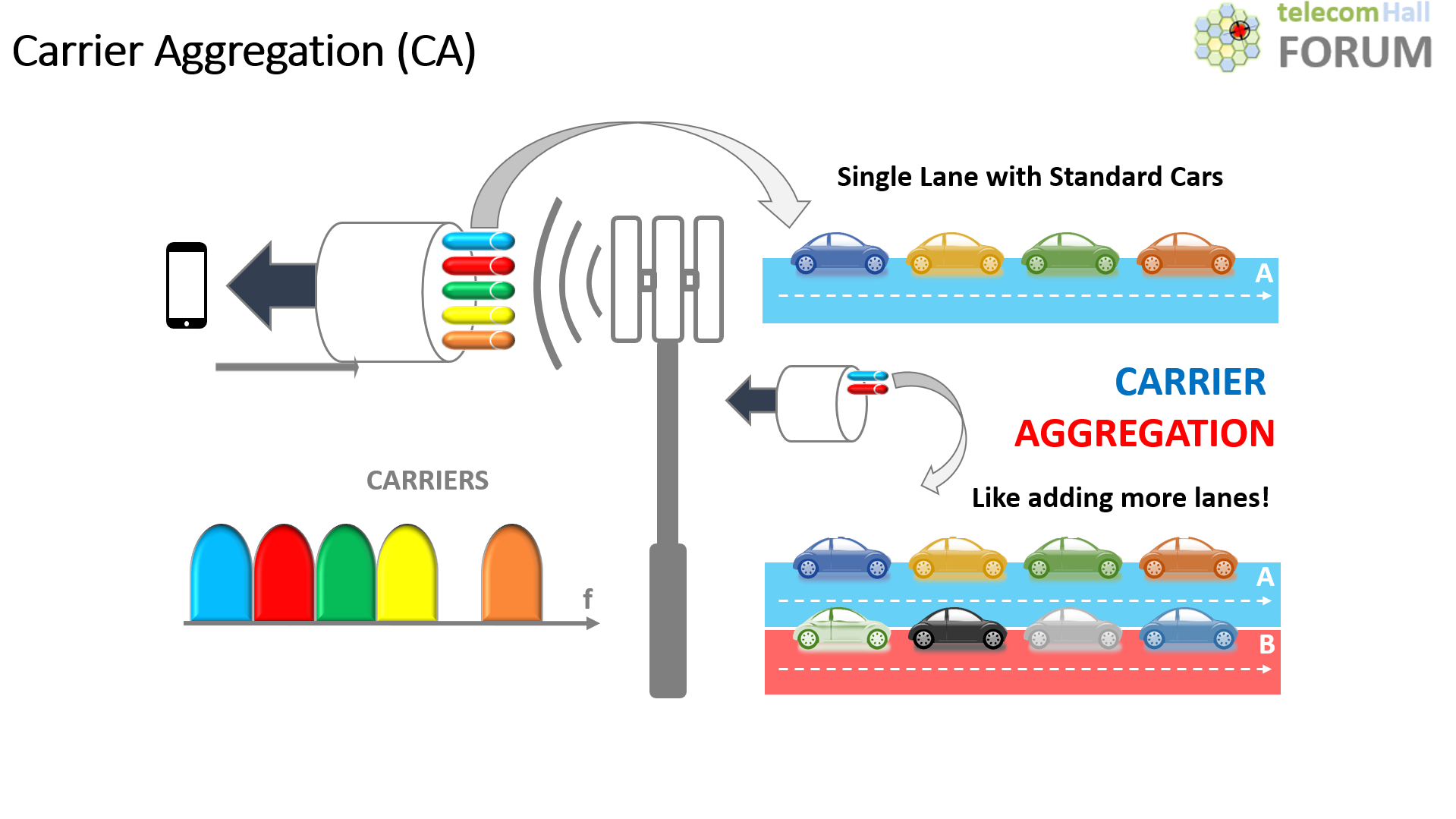
At its core, carrier aggregation is a method employed by mobile network operators to enhance the data throughput and overall performance of their wireless networks. It achieves this by enabling devices to connect to multiple frequency bands, or “carriers,” simultaneously. Imagine your mobile data connection as a highway. Traditionally, you might have been restricted to a single lane, limiting the flow of traffic. Carrier aggregation, in essence, opens up multiple lanes, allowing a much larger volume of data to travel to and from your device concurrently.
The Spectrum Scarcity Challenge
The fundamental challenge in wireless communication is the finite nature of radio spectrum. Spectrum, the range of electromagnetic frequencies used for transmitting wireless signals, is a valuable and limited resource. Regulatory bodies allocate specific frequency bands to different mobile network operators. To provide faster speeds, operators need more bandwidth, which translates to access to a wider range of spectrum. However, acquiring new spectrum licenses can be incredibly expensive and time-consuming.
The Power of Combining Frequencies
Carrier aggregation offers a clever solution to this spectrum scarcity. Instead of relying on a single, broad frequency band (which might be difficult or costly to acquire), operators can combine several smaller, adjacent or non-adjacent frequency bands to create a larger virtual channel. This aggregation effectively increases the total bandwidth available to a user, leading to higher download and upload speeds. Think of it like combining several smaller roads to form a superhighway – the total capacity for vehicles increases significantly.
Types of Carrier Aggregation
Carrier aggregation can be implemented in various ways, depending on the specific frequency bands being combined and how they are structured. The primary distinctions lie in whether the aggregated carriers are within the same frequency range or across different ranges, and whether they are contiguous or separated.
Intra-band Contiguous Carrier Aggregation
This is the simplest form of carrier aggregation, where multiple frequency channels within the same frequency band are combined, and these channels are adjacent to each other. For example, an operator might have three 10 MHz channels in the 2.6 GHz band. With intra-band contiguous aggregation, these three channels can be combined to create a 30 MHz contiguous block. This configuration offers the most efficient use of spectrum and generally provides the highest performance gains because the combined signal behaves more like a single, wider channel. It is particularly common in LTE-Advanced deployments.
Intra-band Non-contiguous Carrier Aggregation
In this scenario, multiple frequency channels within the same frequency band are combined, but they are not adjacent. The network effectively creates gaps between the aggregated channels. While this still offers increased bandwidth, the performance gains might be slightly less pronounced compared to contiguous aggregation due to the need for the device and network to manage these separate channels more distinctly. This method can be useful when an operator holds non-contiguous spectrum blocks within the same band.
Inter-band Carrier Aggregation
This is perhaps the most widely deployed and impactful form of carrier aggregation. It involves combining frequency bands that are entirely different from each other. This can include combining low-frequency bands (which offer wider coverage but lower capacity) with high-frequency bands (which offer higher capacity but shorter range). For instance, an operator could aggregate their 800 MHz spectrum (good for coverage) with their 2.6 GHz spectrum (good for speed). This inter-band aggregation allows devices to leverage the strengths of different spectrum types simultaneously, providing a more balanced and robust mobile experience that combines broad coverage with high data rates.
The Role of MIMO and Higher-Order Modulation
Carrier aggregation doesn’t operate in isolation. Its effectiveness is significantly amplified by other advanced wireless technologies, most notably Multiple-Input Multiple-Output (MIMO) and higher-order modulation schemes.
MIMO: Multiplying Data Streams
MIMO technology utilizes multiple antennas at both the transmitter (base station) and receiver (device) to send and receive data simultaneously over the same radio channel. By employing multiple antennas, MIMO can send multiple independent data streams, dramatically increasing the data rate. When combined with carrier aggregation, MIMO can be applied across each aggregated carrier, multiplying the potential for increased speed. For example, if carrier aggregation combines two frequency bands, and MIMO uses two antennas on each band, the data capacity can be significantly boosted.
Higher-Order Modulation: More Bits per Hertz
Modulation is the process of encoding data onto a carrier wave. Higher-order modulation schemes, such as 256-QAM (Quadrature Amplitude Modulation), allow more bits of data to be transmitted within each symbol (a fundamental unit of transmission). This means more information can be packed into the same amount of spectrum, leading to higher speeds. Carrier aggregation, by providing more bandwidth, makes it more feasible to employ these advanced modulation techniques, further enhancing the overall data throughput.
The Tangible Benefits of Carrier Aggregation
The technical complexities of carrier aggregation translate into significant, tangible benefits for both mobile network operators and end-users. These advantages are fundamental to meeting the increasing demands of the digital age.
Enhanced Download and Upload Speeds
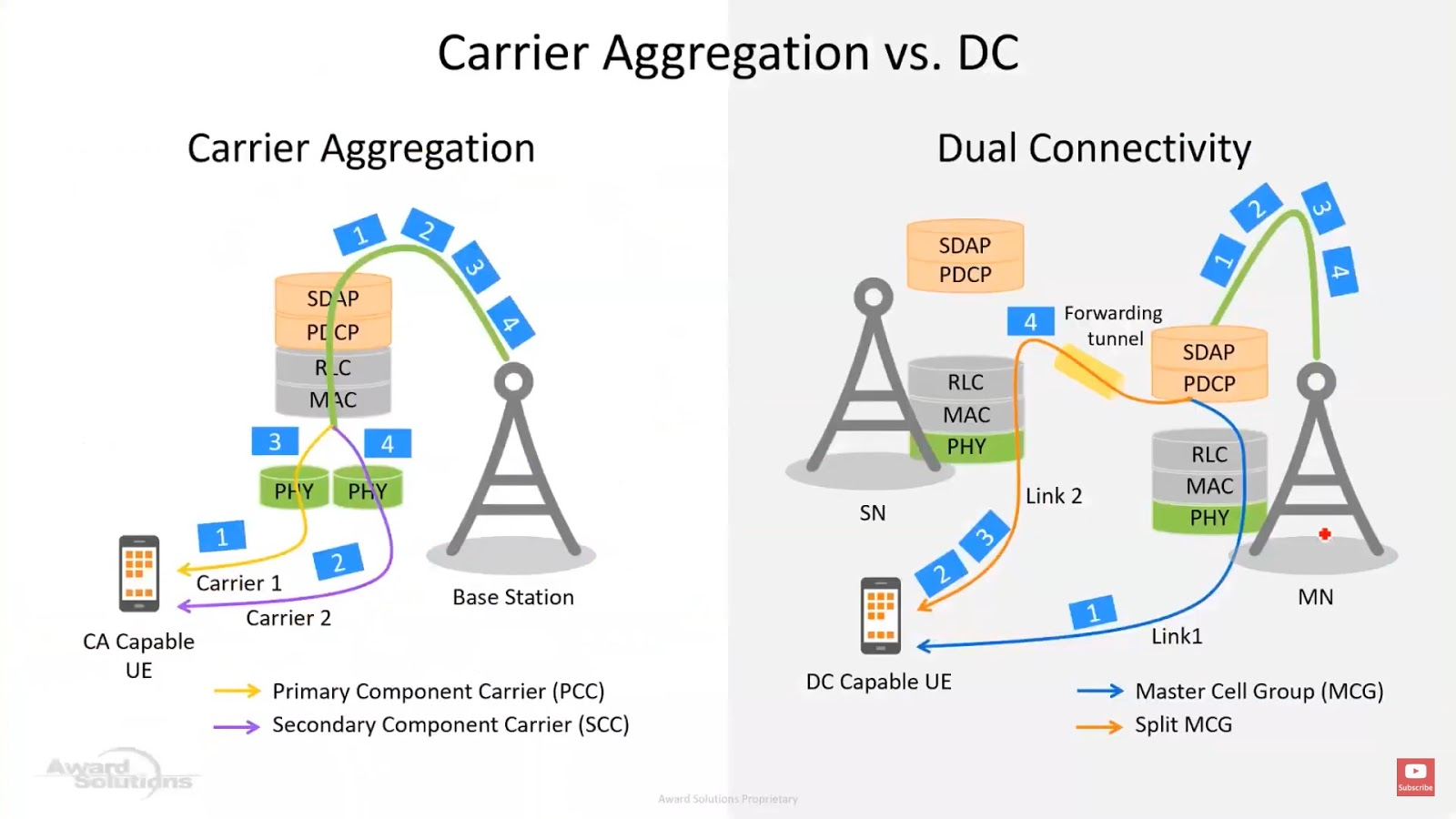
The most immediate and noticeable benefit of carrier aggregation is the dramatic improvement in data speeds. By combining multiple frequency bands, the total available bandwidth is significantly increased. This allows for faster downloads of large files, seamless streaming of high-definition video content, and quicker uploads of photos and videos to social media platforms or cloud storage. Users experience a more fluid and responsive online environment, reducing frustration and improving productivity.
Increased Network Capacity and Reduced Congestion
Beyond individual user speeds, carrier aggregation plays a vital role in increasing the overall capacity of mobile networks. In densely populated areas or during peak usage times, mobile networks can become congested, leading to slower speeds and dropped connections for everyone. By aggregating available spectrum, operators can effectively expand their network’s capacity, allowing more users to connect simultaneously and access data services without experiencing significant performance degradation. This is crucial for supporting the growing number of connected devices and data-intensive applications.
Improved Reliability and Coverage
Carrier aggregation, particularly when it involves inter-band aggregation of low-frequency and high-frequency bands, can also contribute to improved network reliability and coverage. Low-frequency spectrum travels further and penetrates obstacles like buildings more effectively, providing a wider coverage footprint. High-frequency spectrum offers greater capacity but has a shorter range. By aggregating these different types of spectrum, operators can create a more robust network that offers both broad coverage and high speeds, mitigating the limitations of relying on a single frequency band. This can lead to a more consistent user experience, even in areas with challenging signal conditions.
Enabling Advanced Mobile Technologies
Carrier aggregation is not just about making current services faster; it’s a foundational technology that enables the development and widespread adoption of future mobile innovations. Technologies like 5G, with its promise of ultra-low latency and massive connectivity, heavily rely on sophisticated spectrum utilization techniques, including advanced forms of carrier aggregation. The ability to combine various spectrum bands – including licensed, unlicensed, and shared spectrum – is essential for unlocking the full potential of 5G and beyond. Furthermore, new applications such as augmented reality (AR), virtual reality (VR), and autonomous systems, which require immense data throughput and low latency, will be heavily dependent on the capabilities facilitated by carrier aggregation.
Cost-Effectiveness for Operators
While acquiring new spectrum licenses is extremely expensive, carrier aggregation allows mobile operators to maximize the value of the spectrum they already own or have acquired. By intelligently combining their existing spectrum assets, they can effectively boost network performance and capacity without necessarily investing in entirely new, costly spectrum allocations. This makes carrier aggregation a more cost-effective strategy for improving network capabilities and staying competitive in the market.
The Evolution and Future of Carrier Aggregation
Carrier aggregation has been a key component in the evolution of mobile technologies, progressing from its early implementations in 4G LTE to becoming an indispensable feature in 5G and beyond. Its continued development promises even more sophisticated and high-performing mobile experiences.
From LTE to LTE-Advanced and Beyond
Carrier aggregation was first introduced as a key feature of LTE-Advanced (LTE-A), often referred to as 4G+. It allowed for the combination of up to five component carriers (frequency bands) in LTE-A, significantly boosting data speeds compared to earlier 4G deployments. As networks evolved, the number of aggregatable carriers and the complexity of aggregation schemes increased, pushing the boundaries of mobile data performance.
Carrier Aggregation in 5G Networks
The advent of 5G has further amplified the importance of carrier aggregation. 5G operates across a much wider range of spectrum, including low-band (sub-1 GHz), mid-band (1-6 GHz), and high-band (millimeter wave or mmWave) frequencies. Carrier aggregation is crucial for 5G to deliver on its promises. By aggregating different spectrum bands – for instance, combining the wide coverage of low-band 5G with the high capacity of mid-band 5G, or even incorporating mmWave for localized high-speed zones – 5G networks can offer a balanced blend of speed, coverage, and capacity. This multi-band aggregation is essential for creating a seamless and high-performance 5G experience across diverse usage scenarios.
Dynamic Spectrum Sharing (DSS) and Aggregation
A key innovation in the 5G era is Dynamic Spectrum Sharing (DSS), which allows 4G and 5G to coexist on the same spectrum bands. DSS, when combined with carrier aggregation, enables devices to simultaneously connect to both 4G and 5G networks, potentially utilizing different carriers from each. This allows for a smoother transition to 5G, leveraging existing 4G infrastructure while gradually introducing 5G services. It also means that a 5G device might be using carrier aggregation to combine a 4G carrier with a 5G carrier, offering improved performance during the transition period.
Future Trends and Innovations
The concept of carrier aggregation is continuously evolving. Future trends point towards even more sophisticated aggregation techniques:
Massive Carrier Aggregation
The future will likely see “massive” carrier aggregation, where devices can aggregate a larger number of component carriers, potentially including licensed, unlicensed, and shared spectrum. This could involve combining numerous small spectrum blocks to form very wide virtual channels, pushing theoretical speeds to unprecedented levels.
Advanced Coexistence Technologies
As networks become more complex with the integration of diverse spectrum, advanced coexistence technologies will be crucial. These technologies will ensure that aggregated carriers, especially those in unlicensed spectrum or shared bands, do not interfere with each other or with other wireless services, maintaining overall network stability and efficiency.
AI-Driven Spectrum Management
Artificial Intelligence (AI) is expected to play a significant role in optimizing carrier aggregation. AI algorithms can dynamically analyze network conditions, user demand, and spectrum availability to intelligently manage and aggregate carriers in real-time, ensuring the most efficient and optimal use of resources for every user. This could lead to proactive adjustments that anticipate congestion and optimize performance before it impacts users.
Conclusion: The Unsung Hero of Modern Connectivity
Carrier aggregation, while largely unseen by the end-user, is a critical technology that underpins the high-speed, high-capacity mobile networks we rely on today. From enabling smoother video streaming and faster downloads to paving the way for the transformative capabilities of 5G, its impact is profound. By intelligently combining disparate frequency bands, it allows mobile operators to overcome the limitations of spectrum scarcity, enhancing both individual user experiences and the overall efficiency of their networks. As mobile data demands continue to surge and new wireless innovations emerge, carrier aggregation will remain an indispensable tool, constantly evolving to meet the challenges and opportunities of the connected future. It is, in essence, the unsung hero ensuring that our mobile devices can perform at their peak, keeping us connected and empowered in an increasingly digital world.
aViewFromTheCave is a participant in the Amazon Services LLC Associates Program, an affiliate advertising program designed to provide a means for sites to earn advertising fees by advertising and linking to Amazon.com. Amazon, the Amazon logo, AmazonSupply, and the AmazonSupply logo are trademarks of Amazon.com, Inc. or its affiliates. As an Amazon Associate we earn affiliate commissions from qualifying purchases.