
The phrase “capital murder” immediately conjures images of the most severe criminal offenses, often associated with the death penalty. However, understanding its precise legal definition and implications requires a deeper dive beyond the sensationalized portrayals. This article aims to demystify capital murder by dissecting its core components, the legal frameworks that govern it, and the complex ethical and societal considerations it entails. While the term itself is deeply rooted in criminal law, exploring its nuances can illuminate broader discussions about justice, punishment, and the state’s role in dispensing the ultimate penalty.
Defining Capital Murder: Beyond the Heinous Act
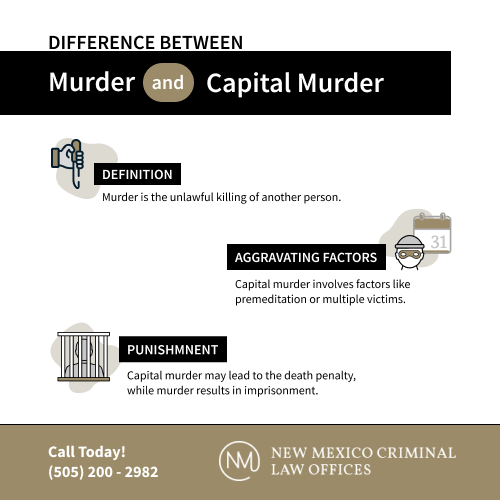
At its most fundamental level, capital murder refers to a homicide that is considered so egregious that it warrants the most severe legal consequences, historically including capital punishment. However, the specific criteria defining capital murder vary significantly across jurisdictions. It’s not simply a matter of an intentional killing; rather, it involves a confluence of aggravating factors that elevate the offense beyond simple murder.
The Spectrum of Homicides: Distinguishing Capital Murder
To grasp what constitutes capital murder, it’s crucial to understand its place within the broader spectrum of homicide offenses. Homicides can range from accidental killings, where there is no intent to harm, to premeditated murder, where a person plans and carries out the killing.
- Manslaughter vs. Murder: Generally, manslaughter involves a killing without malice aforethought. This can be voluntary (e.g., in a heat of passion) or involuntary (e.g., through criminal negligence). Murder, on the other hand, involves malice aforethought, meaning the perpetrator acted with intent to kill or cause grievous bodily harm.
- Degrees of Murder: Within murder, jurisdictions often distinguish between first-degree and second-degree murder. First-degree murder typically involves premeditation and deliberation, or occurs during the commission of certain dangerous felonies (felony murder). Second-degree murder often involves intent to kill or cause serious harm, but without the same level of premeditation, or can involve extreme recklessness that demonstrates a depraved indifference to human life.
Aggravating Factors: The Key Differentiator
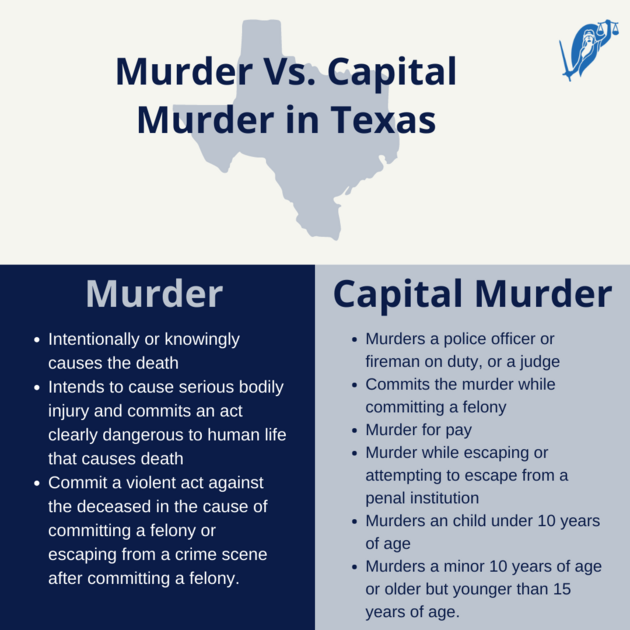
Capital murder is almost universally defined by the presence of specific “aggravating factors” that make the crime exceptionally severe. These factors are not exhaustive and can differ considerably between states or federal law. However, some commonly recognized aggravating factors include:
- Murder of a Police Officer or Firefighter: Killing a law enforcement official or first responder in the line of duty is almost always considered an aggravating factor due to the societal importance of their roles and the inherent danger they face.
- Murder for Hire: Contract killings, where a person is hired to commit murder, are seen as particularly heinous due to the calculated and mercenary nature of the act.
- Murder Committed During the Commission of Another Felony: This is a crucial element of felony murder rules. If a death occurs during the commission of certain serious felonies (e.g., rape, robbery, arson, kidnapping, burglary), even if the perpetrator did not intend to kill, they can be charged with capital murder. The underlying felony must be inherently dangerous.
- Multiple Murders: Killing more than one person in a single incident or in separate incidents over a period of time can also elevate a murder charge to capital murder.
- Murder for Pecuniary Gain: Similar to murder for hire, killing to obtain financial benefit, such as through insurance fraud or inheritance, is often an aggravating factor.
- Murder Involving Torture or Extreme Cruelty: If the victim suffers prolonged pain, torture, or extreme physical or mental abuse before death, this can be an aggravating factor.
- Murder of a Vulnerable Victim: Killing a child, an elderly person, or a disabled individual can be considered aggravating due to the victim’s inherent vulnerability.
- Murder with Prior Convictions: A history of violent criminal behavior, particularly previous murder convictions, can serve as an aggravating factor.
- Murder on Behalf of a Criminal Organization: If the murder is committed as part of the activities of a criminal enterprise or terrorist group, it can be grounds for a capital charge.
The Legal Framework: Prosecuting Capital Crimes
The legal process for prosecuting capital murder cases is distinct and significantly more complex than for other criminal offenses. It is designed to ensure thoroughness and provide heightened safeguards due to the potential for the ultimate penalty.
The Dual-Phase Trial System
In jurisdictions that allow for capital punishment, capital murder trials typically operate under a bifurcated or dual-phase system:
- Guilt Phase: This phase is similar to a standard criminal trial. The prosecution must prove beyond a reasonable doubt that the defendant committed murder and that the murder meets the statutory definition of capital murder, including the presence of at least one aggravating factor. The defense presents its case to refute the charges or argue for a lesser offense.
- Sentencing Phase (Penalty Phase): If the defendant is found guilty of capital murder in the guilt phase, the trial proceeds to the sentencing phase. In this phase, both the prosecution and the defense present evidence and arguments regarding the appropriate sentence. The prosecution typically focuses on the aggravating factors that support a death sentence, while the defense presents mitigating factors.
Aggravating vs. Mitigating Factors
The sentencing phase revolves around a careful weighing of aggravating and mitigating factors.
- Aggravating Factors: These are the circumstances that make the crime more severe and justify the death penalty. They are typically defined by statute and must be proven by the prosecution beyond a reasonable doubt.
- Mitigating Factors: These are circumstances that, while not excusing the crime, may reduce the defendant’s moral culpability or make a death sentence seem inappropriate. Examples include the defendant’s age, lack of prior criminal history, mental illness, history of abuse or trauma, or the fact that they played a minor role in the offense. The defense has the burden of proving mitigating factors, often by a preponderance of the evidence.
The Jury’s Role and Judicial Discretion
In most capital cases, the jury plays a critical role in both phases. They determine guilt and, in many jurisdictions, recommend a sentence. However, the ultimate decision of whether to impose a death sentence often rests with the judge, who considers the jury’s recommendation, the evidence presented, and the legal standards. The judge has the discretion to depart from the jury’s recommendation in some cases.
Appeals and Review
Given the irreversible nature of the death penalty, capital murder convictions and sentences are subject to extensive and rigorous appeals processes. These appeals can go through state appellate courts, state supreme courts, and potentially federal courts. This ensures that all legal avenues are exhausted and that the conviction and sentence are indeed just and constitutional.
Ethical and Societal Implications of Capital Murder Laws
The existence of capital murder laws and the practice of capital punishment raise profound ethical, moral, and societal questions that have been debated for centuries.
The Death Penalty Debate: Justice vs. Morality
The core of the debate surrounding capital murder lies in the question of whether the state should have the power to take a human life as punishment.
- Arguments for Capital Punishment: Proponents often cite retribution (“an eye for an eye”), deterrence (though statistical evidence for its deterrent effect is widely debated), and the idea that some crimes are so heinous that the death penalty is the only just punishment. They argue that for the most egregious offenders, like those convicted of capital murder, incapacitation is insufficient and the ultimate penalty is deserved.
- Arguments Against Capital Punishment: Opponents raise concerns about the risk of executing innocent individuals (as evidenced by wrongful convictions), the moral implications of state-sanctioned killing, the potential for bias in its application (racial, economic, and geographic), and the high cost associated with capital trials and appeals compared to life imprisonment. They often advocate for life imprisonment without parole as a sufficient and more humane alternative.
The Evolving Landscape of Capital Murder
Over time, the application and interpretation of capital murder laws have evolved.
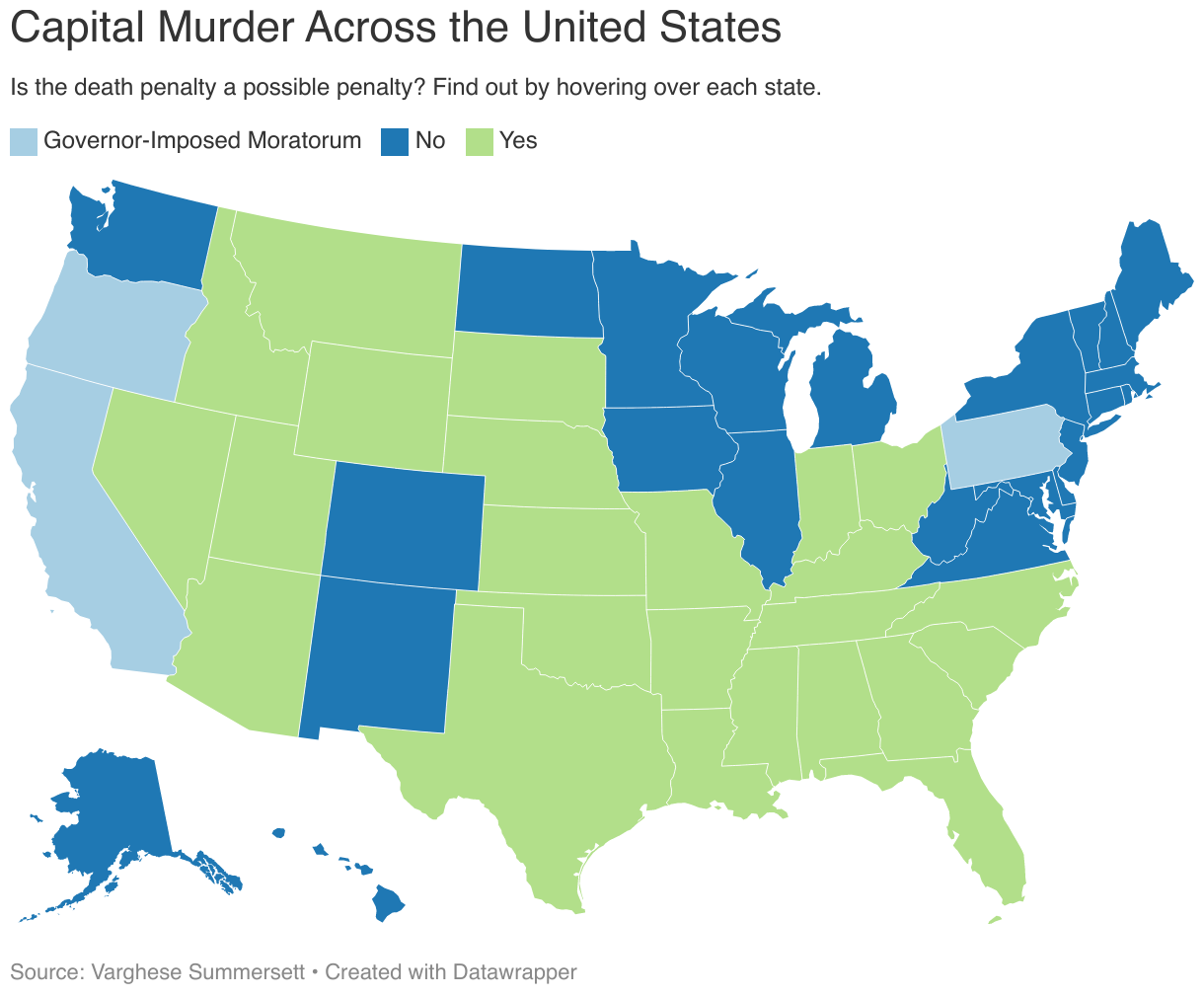
- Abolitionist Movements: Many countries and a growing number of U.S. states have abolished the death penalty, reflecting a societal shift away from capital punishment.
- Constitutional Challenges: The death penalty has faced numerous legal challenges based on the Eighth Amendment’s prohibition against cruel and unusual punishment. Supreme Court rulings have placed significant limitations on its application, particularly concerning methods of execution, the types of crimes eligible for the death penalty, and the mental capacity of the defendant.
- Public Opinion: Public opinion on capital punishment remains divided and can fluctuate based on high-profile cases and societal events.
The Role of the Legal System in Dispensing Justice
Ultimately, capital murder laws represent a society’s attempt to draw a line between acceptable and unacceptable levels of violence, and to enact a form of justice that is perceived by some as commensurate with the most horrific crimes. The legal system, through its complex statutes, procedures, and appellate reviews, strives to ensure that such severe punishments are reserved for the most culpable offenders and are applied with the utmost fairness and accuracy. However, the ongoing debates and evolving legal landscape underscore the persistent challenges in balancing the demands of justice with fundamental ethical considerations. The definition and application of “capital murder” will likely continue to be a focal point of legal and societal discourse for the foreseeable future.
aViewFromTheCave is a participant in the Amazon Services LLC Associates Program, an affiliate advertising program designed to provide a means for sites to earn advertising fees by advertising and linking to Amazon.com. Amazon, the Amazon logo, AmazonSupply, and the AmazonSupply logo are trademarks of Amazon.com, Inc. or its affiliates. As an Amazon Associate we earn affiliate commissions from qualifying purchases.