
In an increasingly digital world, where data is king and trust is paramount, a revolutionary technology has emerged as a potential game-changer: blockchain. Often synonymous with cryptocurrencies like Bitcoin, blockchain’s true essence transcends digital money. At its core, blockchain is an ingeniously designed distributed ledger technology (DLT) that promises unparalleled security, transparency, and decentralization across a multitude of applications. It represents a fundamental shift in how we record, verify, and share information, offering a pathway to build trust in environments where it might otherwise be absent. Far from a passing fad, understanding blockchain means grasping a foundational innovation that is poised to redefine industries, streamline operations, and reshape our digital interactions for decades to come.
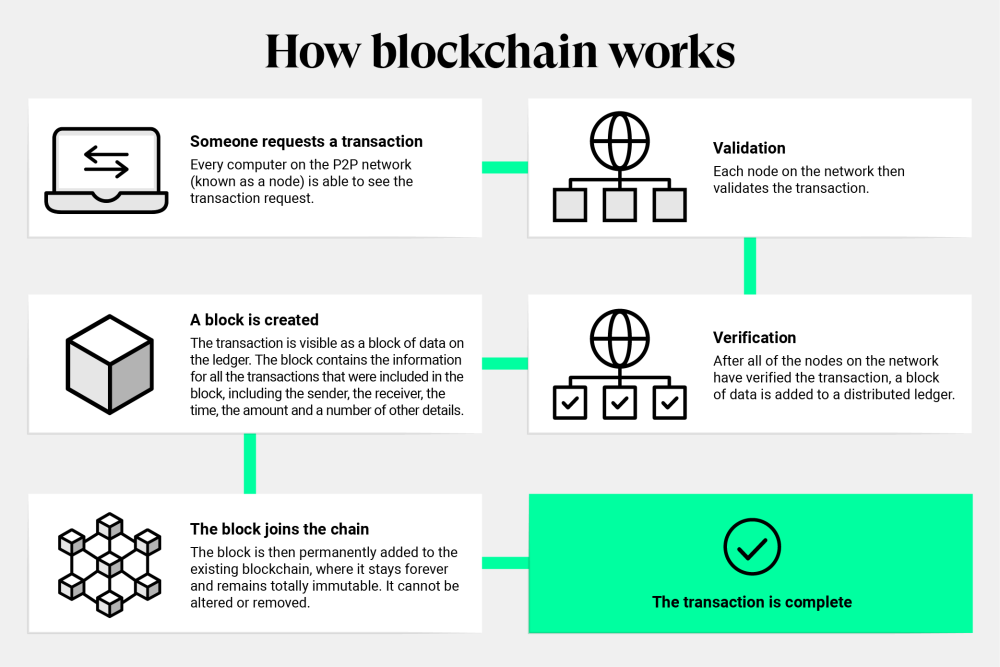
This article delves into the technical underpinnings of blockchain, dissecting its core components, exploring its operational mechanics, and shedding light on its profound implications across various technological domains. We will uncover why this seemingly complex system is generating so much excitement and why it is increasingly viewed as a cornerstone for the next generation of digital infrastructure.
Deconstructing the Blockchain: The Foundational Pillars
To truly appreciate blockchain, one must first understand its constituent elements and how they interlock to create a robust and secure system. It’s a structure built on a few critical concepts that collectively imbue it with its distinctive properties.
Blocks, Chains, and Cryptographic Linkage
At the heart of a blockchain is the “block.” Imagine a digital page in a ledger. Each block is essentially a container for a set of validated transactions or data records. Once a block is filled with data and verified, it is then “chained” to the previous block using a sophisticated cryptographic technique known as hashing. A cryptographic hash is a unique, fixed-size string of characters generated from the block’s data. Even a minuscule change in the block’s data will result in an entirely different hash. Each new block contains not only its own hash but also the hash of the previous block. This creates an unbreakable, chronological link, forming a “chain” of blocks. Altering any data within an older block would change its hash, which would then invalidate the hash stored in the subsequent block, and all blocks that follow. This cryptographic chaining is the primary mechanism that ensures the immutability and integrity of the entire ledger.
The Power of Decentralization: A Distributed Ledger
Unlike traditional databases, which are typically centralized and controlled by a single entity (e.g., a bank, a corporation, a government), blockchain operates on a distributed ledger model. This means that a complete copy of the ledger is maintained and updated across a network of independent computers, often called “nodes.” Every node on the network holds an identical copy of the blockchain. When a new block of transactions is added, it is propagated to all nodes, and each node verifies and adds it to its local copy. There is no central authority, no single point of failure, and no single entity that can unilaterally alter the ledger. This distributed nature is what makes blockchain incredibly resilient to censorship, hacking, and manipulation. If one node goes offline or is compromised, the network continues to operate seamlessly, drawing on the data from the countless other nodes. This fundamental shift from centralized control to a distributed, peer-to-peer network is a cornerstone of blockchain’s disruptive potential.
Immutability and Transparency: The Trustless Advantage
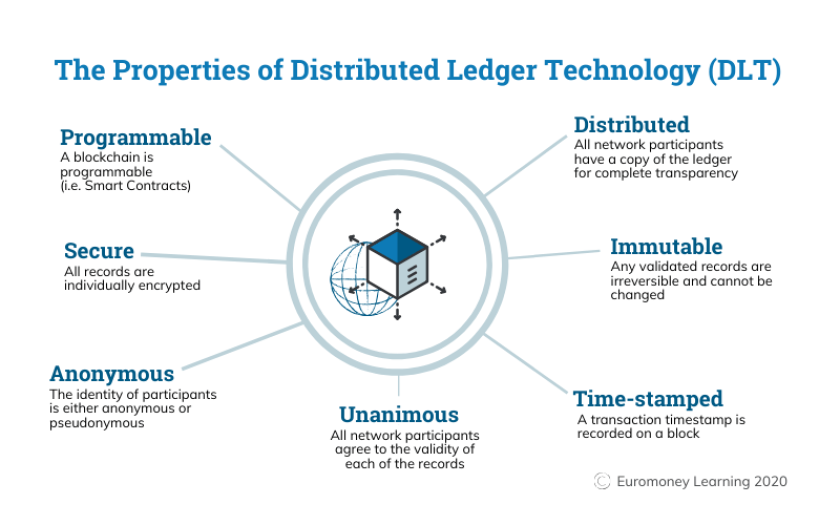
The combination of cryptographic chaining and decentralization gives blockchain two of its most celebrated properties: immutability and transparency. Immutability means that once data is recorded on the blockchain and a block is added to the chain, it cannot be altered or deleted. As previously explained, any attempt to tamper with past data would break the cryptographic links, making the alteration immediately detectable and rejected by the network. This provides an unprecedented level of data integrity and an audit trail that is virtually impossible to corrupt.
Transparency, on the other hand, comes from the distributed nature of the ledger. In a public blockchain, every participant (node) can view the entire transaction history. While personal identifying information might be pseudonymized (represented by public keys), the transactions themselves are openly auditable. This “trustless” environment means that participants don’t need to trust a central intermediary; instead, they trust the cryptographic proofs and the network’s consensus mechanisms. The rules are clear, the history is visible, and the system is designed to operate without reliance on a single point of authority or good faith from a specific actor.
Consensus Mechanisms: Validating the Truth
For a decentralized network to agree on the validity of new transactions and the order in which blocks are added, a consensus mechanism is essential. This is the set of rules and algorithms that dictate how nodes collectively agree on the true state of the ledger. Different blockchains employ various consensus mechanisms, each with its own strengths and trade-offs.
Perhaps the most well-known is Proof of Work (PoW), utilized by Bitcoin and early Ethereum. In PoW, “miners” compete to solve a complex computational puzzle. The first miner to find the solution gets to add the next block to the chain and is rewarded. This process is energy-intensive but highly secure, as it’s computationally prohibitive to reverse transactions.
Another popular mechanism is Proof of Stake (PoS), adopted by Ethereum 2.0 and many newer blockchains. In PoS, instead of miners, “validators” are chosen to create new blocks based on the amount of cryptocurrency they “stake” (lock up as collateral) in the network. If they act maliciously, they risk losing their staked assets. PoS is generally more energy-efficient and scalable than PoW.
Other mechanisms include Delegated Proof of Stake (DPoS), Proof of Authority (PoA), and federated Byzantine Fault Tolerance (fBFT), each tailored for specific network requirements, often seen in private or consortium blockchains. Regardless of the specific mechanism, their overarching purpose is to ensure that the distributed nodes agree on a single, consistent version of the truth, thus maintaining the integrity of the blockchain without a central authority.
Beyond Cryptocurrencies: Diverse Technological Applications
While blockchain gained initial notoriety through cryptocurrencies, its underlying technological framework is far more versatile, extending its potential impact across numerous industries well beyond finance. Its ability to create immutable, transparent, and decentralized records makes it ideal for solving complex data management and trust issues.
Streamlining Supply Chains and Logistics
The traditional supply chain is often fragmented, opaque, and susceptible to fraud or inefficiencies. Tracking goods from origin to consumer typically involves numerous intermediaries, each maintaining their own separate records, leading to delays, disputes, and a lack of end-to-end visibility. Blockchain offers a transformative solution. By establishing a shared, immutable ledger, every participant in the supply chain—producers, manufacturers, transporters, distributors, retailers—can record each step of a product’s journey.
For instance, a sensor could automatically log a package’s location, temperature, or humidity onto the blockchain. This creates an unalterable, real-time audit trail, allowing all authorized parties to instantly verify the provenance, quality, and authenticity of goods. This transparency can drastically reduce counterfeit products, speed up customs clearance, simplify dispute resolution, and enhance consumer trust by providing verifiable product histories (“farm-to-fork” traceability). Companies like IBM Food Trust are already leveraging blockchain to track food products, improving safety and reducing waste.
Redefining Digital Identity and Data Security
In the current digital landscape, our personal data is scattered across countless databases, managed by various corporations, making us vulnerable to data breaches and identity theft. Blockchain offers a path towards a “self-sovereign identity” model, empowering individuals with greater control over their own digital information. Instead of relying on centralized authorities to verify identity, users could store verifiable credentials (e.g., driver’s license, passport, educational degrees) on a blockchain, selectively revealing only the necessary information to third parties, without exposing the entire underlying dataset.
For example, to prove you are over 21, you could present a cryptographic proof from your blockchain-based ID without revealing your birthdate or address. This enhances privacy, reduces the risk of data compromise, and streamlines authentication processes. Secure data storage solutions built on blockchain also promise greater resilience and integrity compared to centralized cloud systems, by distributing data fragments across a network and encrypting them, making them harder to target.
Empowering Smart Contracts and Decentralized Applications (dApps)
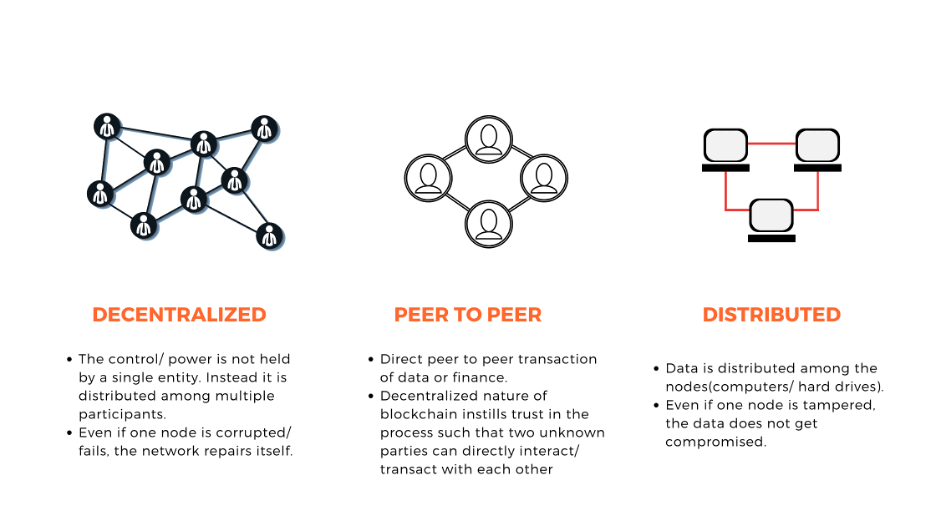
One of the most revolutionary applications of blockchain technology, particularly championed by platforms like Ethereum, is the concept of “smart contracts.” These are self-executing contracts with the terms of the agreement directly written into lines of code. Unlike traditional contracts, which require intermediaries (lawyers, banks) for enforcement, smart contracts automatically execute when predetermined conditions are met, without human intervention.
For example, an insurance smart contract could automatically pay out a claim if flight delay data from a verified oracle shows a plane arrived late. This automation introduces unprecedented efficiency, reduces costs, and eliminates the need for trust between parties, as the contract’s execution is guaranteed by the blockchain’s immutable code. Smart contracts are the backbone of Decentralized Applications (dApps)—applications that run on a decentralized peer-to-peer network rather than a single server. These dApps span various sectors, from decentralized finance (DeFi) to gaming and social media, offering censorship resistance and user control not typically found in traditional web applications.
Revolutionizing Healthcare and Record Management
The healthcare industry grapples with fragmented patient records, data privacy concerns, and inefficiencies in information sharing. Blockchain can address these challenges by providing a secure, interoperable, and immutable platform for managing medical data. Patient records, once encrypted and hashed onto a blockchain, can be shared securely between authorized healthcare providers, research institutions, and patients themselves, only with explicit consent.
This enables a comprehensive, longitudinal view of a patient’s medical history, improving diagnosis accuracy, reducing redundant tests, and enhancing coordinated care. It also gives patients greater agency over their health data, allowing them to grant or revoke access as they see fit. Beyond patient records, blockchain can be used for tracking pharmaceutical supply chains to prevent counterfeit drugs, managing clinical trial data with greater transparency, and securely recording wearable device data for personalized health insights. The inherent security and auditability of blockchain make it an ideal fit for an industry where data integrity and privacy are paramount.
The Core Strengths of Blockchain Technology
Beyond its diverse applications, blockchain brings a suite of inherent advantages that distinguish it from conventional data management systems. These strengths are the reasons why it’s considered a foundational technology capable of addressing some of the most persistent challenges in the digital realm.
Enhanced Security and Data Integrity
The security of blockchain is multifaceted, rooted in its cryptographic foundations and decentralized architecture. Each block is cryptographically linked to the previous one, forming an immutable chain. Any attempt to alter past data would immediately break this cryptographic link, rendering the tampered block invalid and alerting the network. Furthermore, the distributed nature of the ledger means there’s no single point of attack for hackers. To compromise a blockchain, an attacker would need to simultaneously gain control of a majority of the network’s nodes, a feat that becomes astronomically difficult and expensive as the network grows. This makes blockchain significantly more resilient to data breaches, fraud, and unauthorized alterations compared to centralized databases, where a single successful attack can compromise the entire system.
Operational Efficiency and Reduced Intermediaries
Traditional systems often rely on intermediaries (banks, lawyers, escrow services) to facilitate transactions or verify information, adding layers of cost, time, and complexity. Blockchain’s trustless and decentralized nature can significantly reduce or even eliminate the need for these middlemen. Smart contracts automate processes, executing agreements automatically when conditions are met, without human intervention. This disintermediation leads to faster transaction settlements, lower operational costs, and streamlined workflows. For example, international payments, which can take days and incur high fees through traditional banking channels, can be settled in minutes on a blockchain, with significantly reduced costs. By cutting out intermediaries, businesses can achieve greater efficiency, agility, and cost savings across various operations.
Resilience Against Single Points of Failure
A major vulnerability of centralized systems is their susceptibility to a single point of failure. If a central server goes down, is attacked, or suffers a technical malfunction, the entire system can become inaccessible or compromised. Blockchain, by contrast, distributes its ledger across a vast network of nodes. There is no central server to target, and no single point whose failure can bring down the entire system. If some nodes go offline, the remaining nodes continue to operate, ensuring the continuous availability and integrity of the data. This robust resilience makes blockchain an ideal technology for critical infrastructure where uptime, data persistence, and resistance to external threats are non-negotiable requirements.
Navigating the Challenges and Future Trajectory
While blockchain presents compelling advantages, it is not without its limitations and ongoing developmental hurdles. Understanding these challenges is crucial for a realistic assessment of its potential and the trajectory of its future evolution.
Scalability and Performance Limitations
One of the most significant challenges for many existing blockchain networks, particularly public ones like Bitcoin and Ethereum (pre-merge), is scalability. The inherent design choices that ensure security and decentralization—such as every node validating every transaction and blocks being processed sequentially—can limit the number of transactions per second (TPS) a network can handle. Compared to centralized payment systems like Visa (which can process thousands of TPS), early blockchains were significantly slower. This bottleneck is a major impediment to widespread enterprise adoption and consumer use for high-volume applications.
Solutions are actively being developed to address this, broadly categorized as Layer 1 and Layer 2 scaling. Layer 1 solutions involve fundamental changes to the blockchain’s core protocol, such as “sharding” (breaking the network into smaller, parallel processing segments) or increasing block size. Layer 2 solutions, like Lightning Network for Bitcoin or rollups (Optimistic, ZK) for Ethereum, process transactions off-chain and then periodically settle them on the main chain, significantly boosting throughput while leveraging the main chain’s security.
Energy Consumption and Environmental Impact (for certain types)
The Proof of Work (PoW) consensus mechanism, fundamental to Bitcoin and early Ethereum, is notoriously energy-intensive. The computational race among miners to solve complex puzzles consumes vast amounts of electricity, leading to environmental concerns regarding its carbon footprint. While the energy consumption is a direct consequence of PoW’s security model, it has become a significant point of criticism and a barrier for environmentally conscious adoption.
The shift towards Proof of Stake (PoS) for networks like Ethereum 2.0 significantly mitigates this issue, as PoS requires far less energy because validators don’t engage in computationally intensive puzzle-solving. The debate and ongoing innovation around greener consensus mechanisms are a critical part of blockchain’s evolution, with the industry moving towards more sustainable alternatives to reduce its environmental footprint.
The Road Ahead: Innovation and Interoperability
Despite the challenges, the trajectory for blockchain technology is one of continuous innovation and expansion. Researchers and developers are relentlessly working on solutions to current limitations. Beyond scalability and energy efficiency, a major focus is on “interoperability”—the ability for different blockchain networks to communicate and exchange data seamlessly. Currently, many blockchains operate in silos, limiting their collective utility. Projects focusing on cross-chain bridges and protocols are crucial for creating a more connected and robust blockchain ecosystem, allowing assets and data to flow freely between disparate networks.
Further developments include enhanced privacy solutions (e.g., zero-knowledge proofs), improved governance models, and the integration of blockchain with other emerging technologies like Artificial Intelligence (AI) and the Internet of Things (IoT). For instance, blockchain can secure IoT device data, while AI can analyze blockchain data for insights. As the technology matures, it is expected to move beyond its niche applications and become an invisible, yet integral, part of our digital infrastructure, enabling new forms of digital interaction and economic models.
Conclusion
Blockchain is much more than a ledger for cryptocurrencies; it is a profound technological innovation that redefines how we manage and trust information in a digital age. By decentralizing control, ensuring immutability, and leveraging robust cryptography, it offers a secure, transparent, and efficient alternative to traditional centralized systems. From revolutionizing supply chains and digital identity to empowering smart contracts and transforming healthcare, its potential applications are vast and continue to expand.
While challenges like scalability and energy consumption (for certain implementations) persist, the rapid pace of development, coupled with a dedicated global community of innovators, suggests that these hurdles are being actively addressed. Blockchain is poised to transition from an emerging technology to a foundational one, subtly yet powerfully reshaping industries and fostering a new era of trust and efficiency in our increasingly interconnected world. Understanding “what’s blockchain” is no longer an academic exercise but a critical step in comprehending the future of digital interaction and governance.
aViewFromTheCave is a participant in the Amazon Services LLC Associates Program, an affiliate advertising program designed to provide a means for sites to earn advertising fees by advertising and linking to Amazon.com. Amazon, the Amazon logo, AmazonSupply, and the AmazonSupply logo are trademarks of Amazon.com, Inc. or its affiliates. As an Amazon Associate we earn affiliate commissions from qualifying purchases.