
In the rapidly evolving landscape of social media technology, a new player emerged that challenged the very foundations of how we interact with digital content. That player is BeReal. While platforms like Instagram and TikTok have spent a decade perfecting algorithms designed to keep users scrolling through highly curated, filtered, and often unattainable versions of reality, BeReal took a diametrically opposed approach. Positioned as the “anti-Instagram,” BeReal is not just a social networking app; it is a technical experiment in digital authenticity. By leveraging specific software mechanics and a unique user interface (UI), it has forced the tech industry to reconsider what “engagement” actually looks like in an era of digital fatigue.
The Mechanics of Authenticity: How BeReal Works
At its core, BeReal is a masterclass in restrictive software design. Unlike traditional platforms that encourage users to post whenever they look their best, BeReal dictates the timing of user interaction. This shift from user-controlled posting to system-triggered posting is the cornerstone of its technical identity.
The Synchronous Notification System
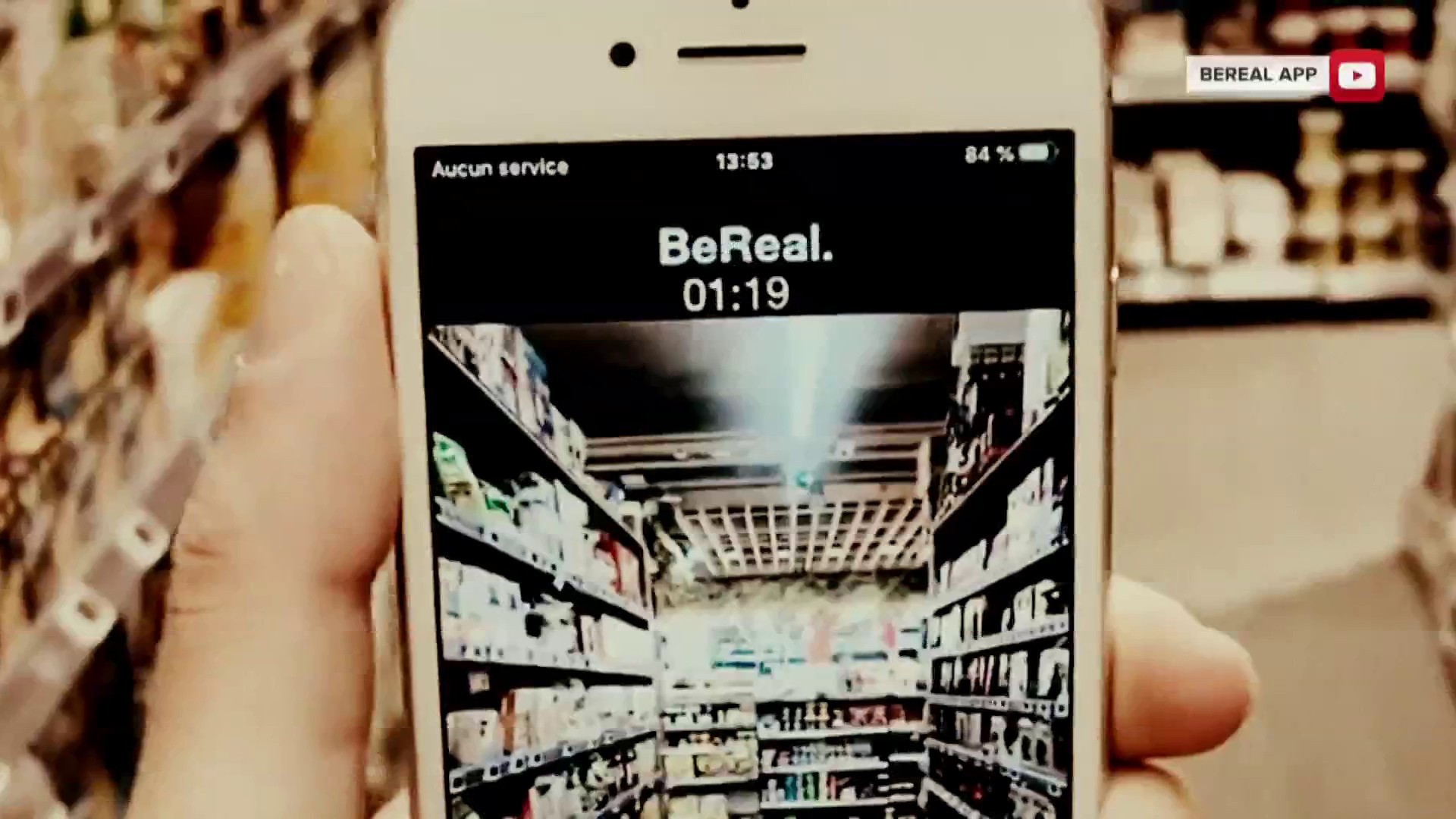
The most defining feature of BeReal is its daily notification. Once a day, at a random time, every user receives a push notification simultaneously: “⚠️ Time to BeReal. ⚠️” This is not a simple alert; it is a system-wide trigger that opens a two-minute window for the user to capture and post a photo. From a software engineering perspective, this requires a robust backend capable of handling massive spikes in concurrent traffic. When millions of users attempt to access the camera and upload high-resolution images within the same 120-second window, the server load is immense. This synchronous experience creates a shared digital moment, a technical feat that distinguishes it from the asynchronous nature of a standard “feed.”
Dual-Camera Integration
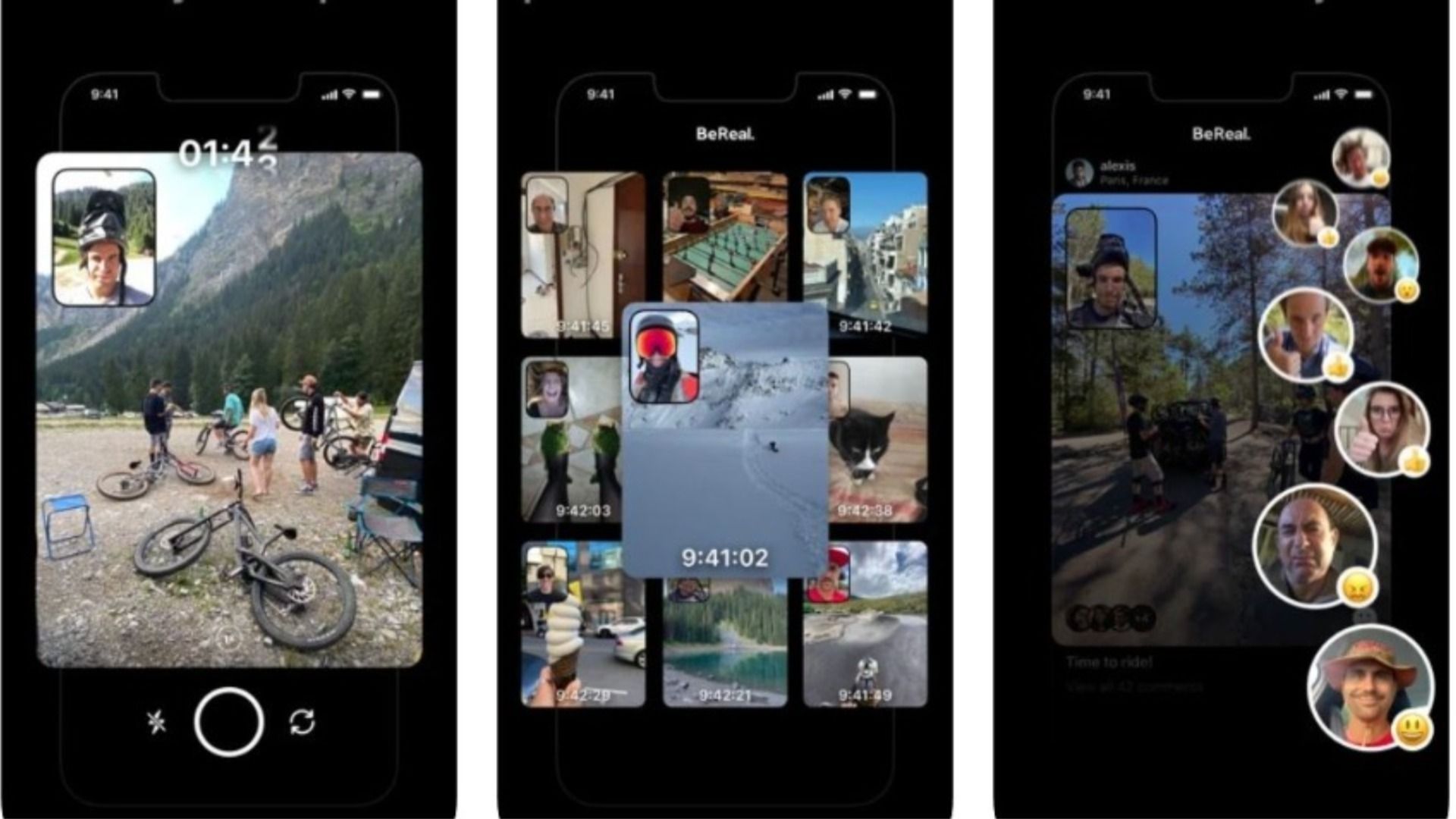
To eliminate the “behind-the-scenes” fabrication common on other platforms, BeReal utilizes a dual-camera capture system. When a user takes a photo, the app simultaneously captures an image from both the front-facing and rear-facing cameras. This design choice ensures that the viewer sees not only what the user looks like but also exactly where they are and what they are doing. There is no option to upload images from the camera roll during this two-minute window, a technical constraint that prevents the use of pre-edited or old photos. The resulting “BeReal” is a composite image that provides a 360-degree context of a single moment in time.
The “Discovery” Feed and Interaction Logic
BeReal’s UI is intentionally minimalist. The feed is divided into “Friends” and “Discovery.” However, the app employs a clever “quid pro quo” logic: users cannot view their friends’ posts until they have posted their own for the day. This prevents “lurking”—the practice of consuming content without contributing—which is a common issue in social media psychology. Furthermore, the app replaces traditional “likes” with “RealMojis.” Instead of clicking a heart icon, users must take a selfie that mimics an emoji (like a thumbs up or a shocked face) to react to a friend’s post. This adds another layer of biometric interaction that keeps the engagement grounded in the user’s actual physical state.
The Technological Philosophy Behind the Design
BeReal’s success is rooted in a specific philosophy of software design that prioritizes “friction” over “seamlessness.” In the tech world, friction is usually seen as a negative—something that prevents a user from completing an action. BeReal, however, uses friction as a feature to drive a specific type of behavioral outcome.
Countering Algorithm Fatigue
Most modern social apps use complex machine learning algorithms to curate a feed based on user preferences, often leading to “echo chambers” or “doomscrolling.” BeReal lacks a traditional recommendation engine. There is no “For You” page optimized by AI to keep you addicted for hours. The feed is chronological and finite. Once you have seen your friends’ posts for the day, there is nothing left to do. This “stop-point” design is a radical departure from the infinite scroll tech pioneered by platforms like Facebook and Pinterest. It reflects a growing trend in “Ethical Tech” that seeks to limit screen time rather than maximize it.
Removing Filters and the Aesthetic of Rawness
From a technical standpoint, the absence of features is as important as the presence of them. BeReal contains no photo editing tools, no beauty filters, and no stickers. By stripping away the digital manipulation layer, the app forces a “raw” aesthetic. This is a direct response to the “perfection fatigue” caused by the computational photography and AI-enhanced filters found in apps like Snapchat. By hard-coding the inability to edit, the developers have created a digital environment where “low quality” is the high-standard.
Friction as a Tool for Intentionality
The two-minute timer is the ultimate form of productive friction. It creates a sense of urgency that bypasses the user’s desire to “pose.” While users can post “late,” the app publicly flags how many hours or minutes late the post was. This metadata acts as a social accountability mechanism. The technology isn’t just facilitating a post; it’s enforcing a specific behavior—honesty. This represents a shift in app development where the software acts as a behavioral coach rather than just a neutral tool.
Data, Privacy, and Security in a Candid Environment
With any app that encourages the sharing of “real-time” locations and unedited images, significant technical and ethical questions regarding data security and privacy arise. BeReal’s unique format presents specific challenges that differ from older social media models.
Geolocation and Over-Sharing Risks
By default, many of BeReal’s early versions had geolocation turned on. Because the app encourages posting “right now,” users often inadvertently share the exact location of their homes, offices, or schools. From a digital security perspective, this creates a high-risk environment for stalking or doxxing. The tech community has closely scrutinized how BeReal handles this metadata. Modern updates have made it easier to disable location sharing, but the “real-time” nature of the app remains a hurdle for personal security.
The Challenges of Real-Time Moderation
Because BeReal content is generated and consumed in a massive burst, moderating that content in real-time is a significant technical hurdle. Traditional social networks use a combination of AI and human moderators to flag inappropriate content over a 24-hour cycle. BeReal’s “Discovery” feed, which shows posts from strangers worldwide, requires incredibly fast automated moderation to prevent the spread of illicit or harmful imagery during the peak notification window. The app relies heavily on user reporting, but as the platform scales, the need for more sophisticated AI-driven image recognition software becomes paramount.
Data Harvesting and User Privacy Policies
Like all “free” apps, the question of the business model looms. While BeReal currently lacks traditional advertising, its privacy policy allows for the collection of significant amounts of user data, including device information, usage patterns, and the content itself. In the tech sector, there is ongoing debate about how this data might be used in the future—whether for training AI models or for eventually building a targeted ad platform that leverages the high-intent, “authentic” data that BeReal captures.
The Evolution of Social Tech: From Curated Feeds to Synchronous Experiences
BeReal is part of a larger movement in software development toward “synchronous social networking.” This trend moves away from the “broadcast” model of the early 2010s and toward a “shared experience” model.
The Rise of “Push-Pull” Engagement
In the past, users “pushed” content to platforms whenever they felt like it. BeReal inverted this by “pulling” content from users at the platform’s request. This “push-pull” dynamic is being seen in other niche tech areas, such as live-streaming apps and “HQ Trivia” style games. It treats the app not as a static destination, but as an event. This transition requires developers to think more like event coordinators and less like content archivists.
Competitive Response: How Instagram and TikTok Adapted
The impact of BeReal’s technology is perhaps most evident in how its competitors reacted. Shortly after BeReal’s surge in popularity, Instagram began testing “Candid Stories,” a feature that almost exactly mirrored BeReal’s dual-camera and timed notification system. TikTok launched “TikTok Now,” another direct clone. This “feature-cloning” is a common phenomenon in the tech world (similar to how “Stories” moved from Snapchat to every other platform), proving that BeReal’s technical innovations touched a nerve in the market.
The Future of BeReal and the Social App Ecosystem
As the “novelty” of BeReal begins to stabilize, the platform faces the ultimate tech challenge: longevity. Can a platform built on a single “gimmick” survive the rapidly shifting interests of digital natives?
Scaling Beyond the Gimmick
To survive, BeReal has begun to introduce new features, such as “Behind the Scenes” (BTS) videos and the ability to share music via Spotify integration. These technical additions aim to add depth to the two-minute window without compromising the “authentic” mission. The challenge lies in adding features without succumbing to the “feature creep” that turned apps like Facebook into cluttered, multi-purpose utilities.

Integration and Platform Longevity
The future of BeReal likely depends on its ability to integrate into the broader digital lifestyle. Whether through wearable tech integrations (imagine a BeReal notification on a smart ring or glasses) or through deeper integrations with other media platforms, the app must evolve. It represents a pivot point in tech history: the moment we realized that the technology of the past was too perfect, and the technology of the future needed to be a little more human, a little more flawed, and a lot more “real.”
aViewFromTheCave is a participant in the Amazon Services LLC Associates Program, an affiliate advertising program designed to provide a means for sites to earn advertising fees by advertising and linking to Amazon.com. Amazon, the Amazon logo, AmazonSupply, and the AmazonSupply logo are trademarks of Amazon.com, Inc. or its affiliates. As an Amazon Associate we earn affiliate commissions from qualifying purchases.