
In the modern healthcare landscape, the intersection of medicine and technology has birthed a new era of “smart” patient management. At the heart of this evolution lies haemodynamic monitoring—a sophisticated technological process used to measure the blood pressure, blood flow, and oxygen levels within the cardiovascular system. While traditionally viewed through a purely clinical lens, haemodynamic monitoring has transitioned into a powerhouse of the MedTech (Medical Technology) sector. It now encompasses advanced sensors, complex software algorithms, artificial intelligence, and the Internet of Medical Things (IoMT).
As we move toward a future of proactive rather than reactive medicine, understanding the technology behind haemodynamic monitoring is essential for tech professionals, software developers, and digital health innovators. This article explores the digital architecture, hardware evolution, and AI-driven advancements that define modern haemodynamic monitoring.
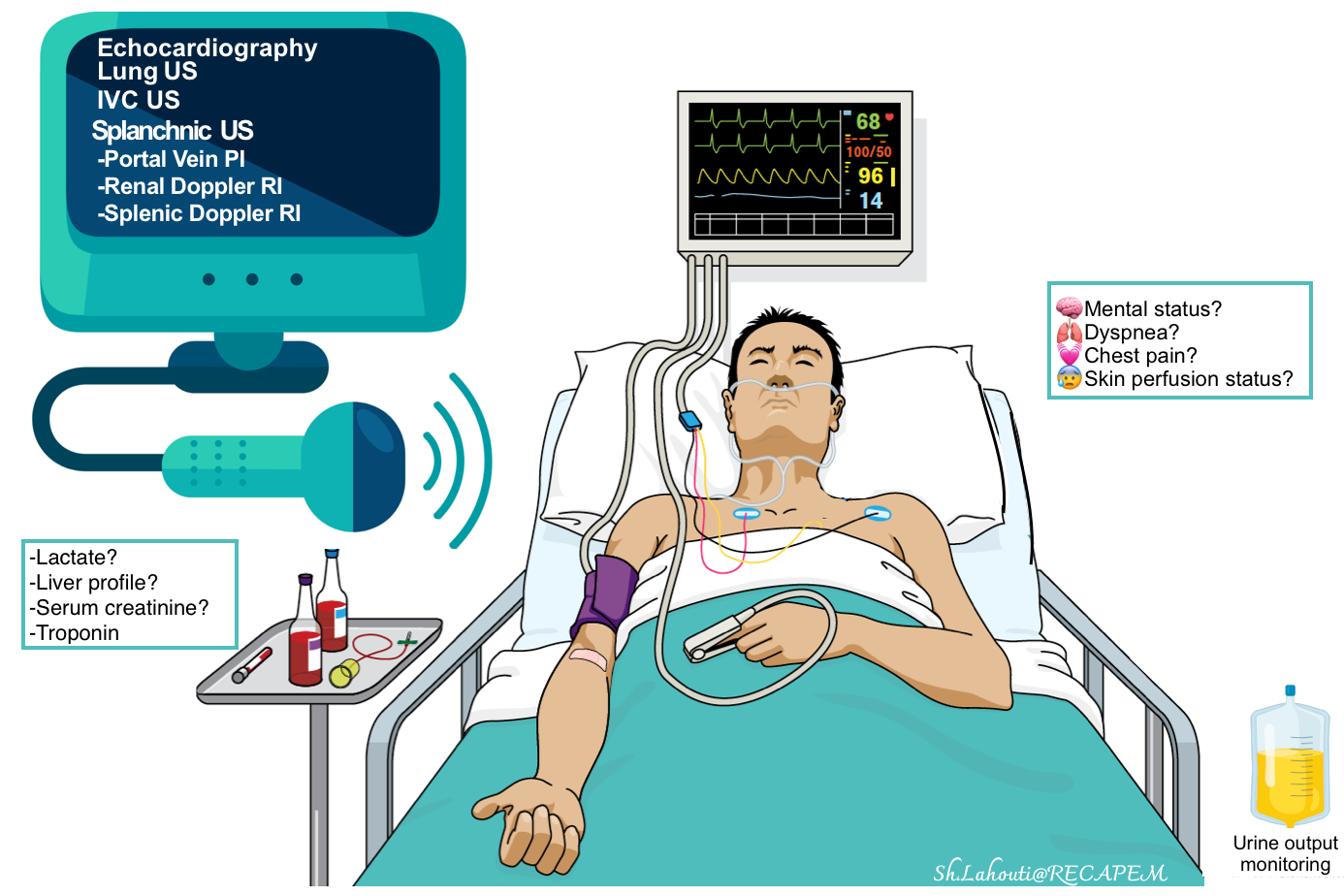
1. The Hardware Evolution: From Invasive Probes to Wearable Sensors
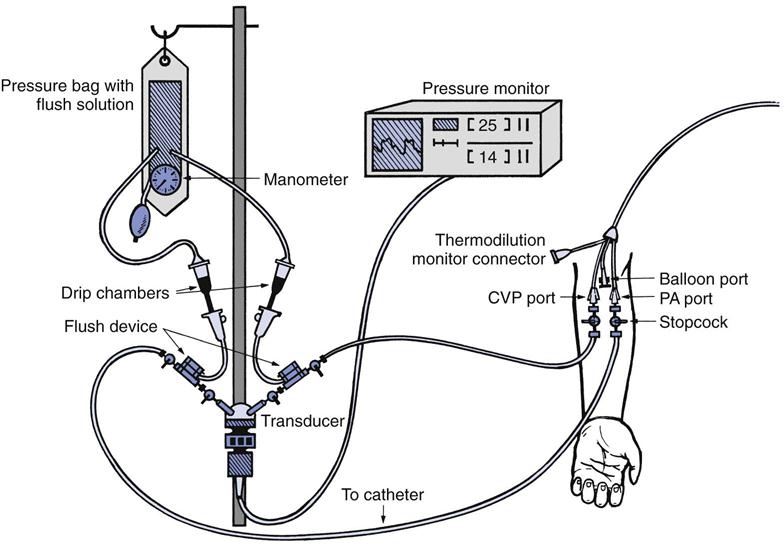
The foundational tech of haemodynamic monitoring has undergone a radical transformation. In its infancy, the field relied almost exclusively on invasive procedures, such as the insertion of a pulmonary artery catheter (Swan-Ganz). Today, the industry is pivoting toward non-invasive and minimally invasive hardware that prioritizes high-fidelity data collection with minimal patient risk.
The Rise of Piezoelectric and PPG Sensors
Modern monitoring devices utilize highly sensitive piezoelectric sensors and Photoplethysmography (PPG). PPG technology, which many consumers recognize from their smartwatches, uses light emitters and photodetectors to measure blood volume changes in the microvascular bed of tissue. In a clinical tech setting, these sensors are calibrated to professional-grade standards, allowing for continuous, non-invasive monitoring of cardiac output and stroke volume. The hardware must be capable of filtering “noise” from patient movement, a significant engineering challenge that requires advanced digital signal processing (DSP).
The Internet of Medical Things (IoMT) Integration
We are currently witnessing the “gadgetization” of critical care. Haemodynamic monitors are no longer standalone bedside boxes; they are nodes in a larger IoMT ecosystem. Modern hardware is equipped with Bluetooth Low Energy (BLE) and Wi-Fi modules that stream telemetry data directly to a hospital’s central server. This allows for “untethered” monitoring, where a patient can move throughout a facility while their vital cardiovascular metrics are monitored remotely by a centralized command center.
2. Software Ecosystems: Processing the Data Deluge
The hardware provides the raw signal, but the software ecosystem is where the real value is extracted. Haemodynamic monitoring involves the processing of massive amounts of high-frequency data. For instance, a continuous arterial pressure waveform generates hundreds of data points per second. Managing this data requires robust software architecture.
Data Visualization and UX in Critical Care
In a high-stress environment like an Intensive Care Unit (ICU), the User Experience (UX) of a monitoring software interface can be a matter of life and death. Tech companies are now focusing on “Cognitive Computing” interfaces that aggregate complex haemodynamic variables—such as systemic vascular resistance and oxygen delivery—into simplified, intuitive visual dashboards. By using heat maps, trend lines, and color-coded alerts, software engineers help clinicians identify physiological deterioration at a glance.
Interoperability and API Integration
A major trend in medical software is interoperability. Haemodynamic monitors must “talk” to Electronic Health Records (EHR) systems and hospital information systems (HIS). This is achieved through standardized protocols like HL7 (Health Level Seven) and FHIR (Fast Healthcare Interoperability Resources). The goal is a seamless data pipeline where haemodynamic data is automatically logged into the patient’s digital chart, reducing manual entry errors and providing a comprehensive data set for later analysis.
3. The AI Revolution: Predictive Analytics and Machine Learning
The most significant technological leap in haemodynamic monitoring is the integration of Artificial Intelligence (AI) and Machine Learning (ML). We are moving away from “threshold-based” alerts (which beep when a number gets too low) toward “predictive” analytics (which warn that a number will get too low in the future).
Algorithmic Pattern Recognition
Machine learning models are trained on vast datasets of thousands of patient outcomes. These algorithms can identify subtle patterns in blood pressure waveforms that are invisible to the human eye. For example, AI can detect “hidden” signs of hypovolaemia (low blood volume) or impending sepsis hours before a patient shows physical symptoms. By analyzing the morphology of the arterial pressure wave, these AI tools provide a “probability score” for haemodynamic instability, allowing for preemptive intervention.
Early Warning Systems (EWS) and Automation
Digital health platforms are now incorporating automated Early Warning Systems. These software tools use “Random Forest” or “Neural Network” models to synthesize multiple haemodynamic variables into a single risk index. Some experimental systems are even exploring closed-loop technology, where the monitor communicates directly with an infusion pump to adjust medication dosages in real-time based on the patient’s haemodynamic response—a concept often referred to as the “Auto-Pilot” for anesthesia and critical care.
4. Digital Security and Data Integrity in Monitoring Tech
As haemodynamic monitoring becomes increasingly networked, it becomes vulnerable to the same threats facing all digital systems: cyberattacks and data breaches. Because these devices are literally connected to a human being, the stakes for digital security are uniquely high.
Protecting Sensitive Patient Telemetry
Haemodynamic data is highly sensitive Personal Health Information (PHI). Under regulations like HIPAA (USA) and GDPR (EU), tech providers must ensure that data streaming from a bedside monitor to the cloud is encrypted both in transit and at rest. Modern monitors utilize AES-256 encryption and secure “handshaking” protocols to ensure that only authorized medical devices can join the hospital network.
Software as a Medical Device (SaMD)
A growing niche in the tech world is “Software as a Medical Device” (SaMD). This refers to software that performs medical functions without being part of a hardware medical device. Many haemodynamic analysis apps fall into this category. Tech companies must navigate rigorous regulatory pathways (such as FDA 510(k) clearance) to prove that their algorithms are safe, accurate, and resilient to software bugs. This requires a high level of DevSecOps maturity, ensuring that software updates do not break critical monitoring functions.
5. Future Trends: AR, Remote Monitoring, and Personalization
The trajectory of haemodynamic monitoring tech is pointing toward even more immersive and distributed systems. The “hospital-at-home” movement and advanced visualization tools are the next frontiers for developers and engineers.
Augmented Reality (AR) in the Operating Room
Imagine a surgeon or anaesthesiologist wearing an AR headset like the Apple Vision Pro or HoloLens. Instead of looking away from the patient to check a monitor, haemodynamic data could be projected as a virtual overlay in their field of vision. Tech firms are currently developing AR “heads-up displays” that integrate real-time cardiovascular telemetry directly into the surgical workflow, improving focus and reducing cognitive load.
Remote Monitoring and the Digital Twin
The future of haemodynamic tech also lies in “Digital Twins”—virtual models of a patient’s cardiovascular system. By feeding real-time monitoring data into a digital twin, doctors can run simulations to see how a patient might react to a specific drug or procedure before it is administered. Furthermore, as sensors become smaller and cheaper, continuous haemodynamic monitoring will move out of the ICU and into the homes of chronic heart failure patients, allowing for remote “tele-monitoring” and significantly reducing hospital readmission rates.

Conclusion
Haemodynamic monitoring has evolved from a simple mechanical measurement into a sophisticated pillar of the global technology sector. The transition from invasive hardware to AI-driven, cloud-integrated software ecosystems represents a monumental shift in how we understand human physiology. For the tech industry, this field offers a unique challenge: the need to balance cutting-edge innovation—like predictive machine learning and AR—with the absolute reliability and security required in life-critical environments. As these technologies continue to mature, haemodynamic monitoring will not just track the “flow” of blood, but the “flow” of data that defines the future of human health.
aViewFromTheCave is a participant in the Amazon Services LLC Associates Program, an affiliate advertising program designed to provide a means for sites to earn advertising fees by advertising and linking to Amazon.com. Amazon, the Amazon logo, AmazonSupply, and the AmazonSupply logo are trademarks of Amazon.com, Inc. or its affiliates. As an Amazon Associate we earn affiliate commissions from qualifying purchases.