
In the increasingly complex world of personal finance and investing, individuals and businesses often seek expert guidance to navigate their financial journeys. Among the myriad of financial professionals, the Registered Investment Advisor (RIA) stands out as a unique and increasingly preferred option. But what exactly is an RIA, and why is this designation gaining such prominence, particularly when viewed through the lenses of technology, branding, and the fundamental principles of money management?
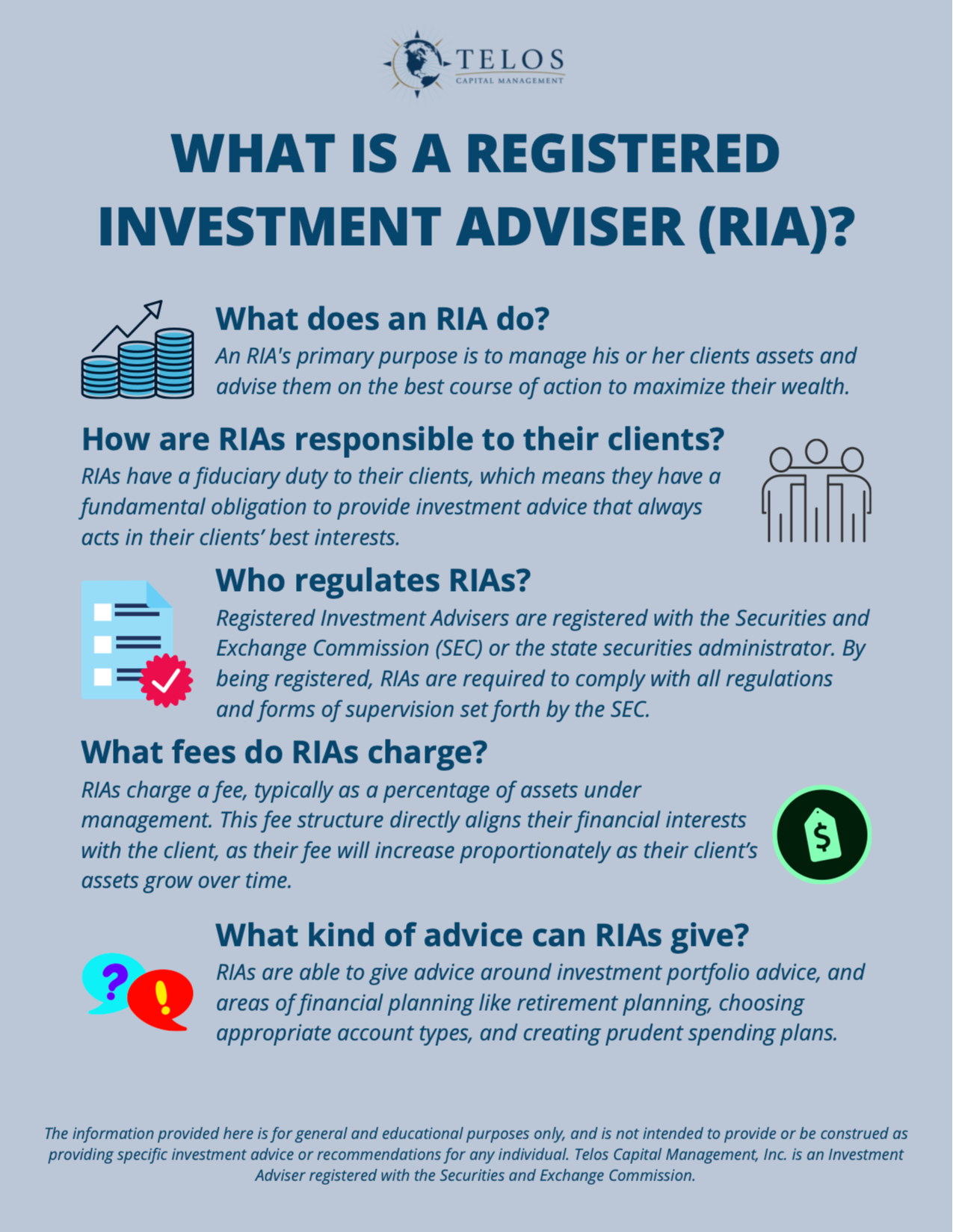
At its core, an RIA is a firm or individual that provides financial advice or services for a fee and is registered with either the U.S. Securities and Exchange Commission (SEC) or state securities authorities. This registration isn’t just a formality; it underpins a crucial distinction that sets RIAs apart: a fiduciary duty to their clients. This article will delve into the essence of an RIA, exploring its foundational principles, the transformative role of technology, the critical importance of brand building, and its indelible connection to effective money management, all within the dynamic landscape of modern finance.
Understanding the Core: What Defines an RIA?
To truly grasp the significance of an RIA, one must understand the fundamental principles that govern its operations and client relationships. These principles are not merely regulatory requirements but form the ethical and operational bedrock upon which an RIA’s value proposition is built.
The Fiduciary Standard: The Client’s Best Interest, Always
Perhaps the single most defining characteristic of a Registered Investment Advisor is its adherence to a fiduciary standard. This legal and ethical obligation mandates that an RIA must act in the client’s best interest at all times. This is a higher standard than the “suitability” standard, which applies to brokers and implies that an investment recommendation only needs to be suitable for a client, not necessarily the best option available.
For an RIA, the fiduciary duty means a commitment to transparency, objectivity, and avoiding conflicts of interest. If a potential conflict arises, the RIA is legally bound to disclose it to the client and mitigate it where possible. This unwavering commitment to the client’s welfare fosters a deeper level of trust and provides peace of mind that their financial advice is genuinely aligned with their goals, not driven by commissions or product sales.
Fee-Only vs. Commission-Based: A Transparent Compensation Model
The compensation model of an RIA often directly reflects its fiduciary nature. While not all RIAs are exclusively fee-only, a significant portion operates under this transparent structure. “Fee-only” means the advisor is compensated solely by the client, typically through a percentage of assets under management (AUM), an hourly rate, a flat fee for a specific service (like a financial plan), or a retainer. This model eliminates potential conflicts of interest that can arise when advisors earn commissions from selling specific financial products.
In contrast, commission-based advisors (like many traditional brokers) earn a fee when they sell a product, such as a mutual fund, annuity, or insurance policy. While legitimate, this structure can create an incentive to recommend products that pay higher commissions, even if they aren’t the absolute best fit for the client. The fee-only model, prevalent among RIAs, ensures that the advisor’s advice is untainted by product sales incentives, strengthening the fiduciary relationship.
Registration and Regulation: Oversight for Client Protection
The “Registered” in Registered Investment Advisor refers to the requirement for firms and individuals to register with either the SEC or state securities regulators. This registration process involves submitting a comprehensive document called Form ADV, which provides detailed information about the RIA’s business practices, ownership, fees, disciplinary history, and more. This document is publicly available, allowing potential clients to perform due diligence.
The level of regulation (state vs. SEC) depends on the amount of assets an RIA manages. Generally, firms managing over $100 million are regulated by the SEC, while smaller firms are regulated at the state level. This oversight provides a layer of protection for investors, ensuring that RIAs adhere to specific operational, ethical, and disclosure standards, further solidifying their position as trustworthy financial guides.
The RIA in the Digital Age: A Tech Perspective
The financial services industry has been dramatically reshaped by technological advancements, and RIAs are at the forefront of embracing these innovations. Technology isn’t just an auxiliary tool for an RIA; it’s an integral component that enhances efficiency, deepens client relationships, and ensures robust security.
Embracing FinTech and AI: Streamlining Operations and Insights
RIAs are increasingly leveraging Financial Technology (FinTech) and Artificial Intelligence (AI) to optimize every aspect of their practice. Portfolio management software, for instance, allows advisors to efficiently manage numerous client portfolios, rebalance assets, and execute trades with precision. Tools for performance reporting, tax-loss harvesting, and risk analysis are often integrated, providing advisors with sophisticated insights and freeing up time to focus on client-facing activities.
AI and machine learning are transforming data analysis, enabling RIAs to identify market trends, personalize investment strategies, and even predict client behaviors with greater accuracy. Robo-advisors, while sometimes seen as competitors, are also being integrated by RIAs, either as a direct offering for smaller accounts or as a technology platform to automate certain aspects of portfolio management, allowing human advisors to concentrate on complex planning and emotional coaching. The synergy between human expertise and AI-driven efficiency creates a powerful value proposition for clients.
Digital Security and Data Privacy: A Paramount Concern
In an era where cyber threats are omnipresent, the digital security and data privacy of client information are paramount for RIAs. Managing sensitive financial data, personal details, and investment portfolios demands robust cybersecurity measures. RIAs invest heavily in encryption technologies, multi-factor authentication, secure cloud storage, and regular security audits to protect against breaches and ensure regulatory compliance (e.g., SEC cybersecurity guidelines).
Furthermore, training staff on best practices for data handling and privacy is crucial. A single data breach can severely damage an RIA’s reputation and client trust. Therefore, proactive digital security is not just a technical requirement but a core ethical responsibility, demonstrating an RIA’s commitment to safeguarding its clients’ most valuable information.
Enhancing Client Experience with Tech: Engagement and Accessibility
Technology has revolutionized how RIAs interact with their clients, moving beyond annual meetings to provide continuous engagement and accessibility. Secure client portals allow individuals to view their portfolios, access financial plans, review performance reports, and communicate directly with their advisor anytime, anywhere. Mobile apps offer convenience, enabling clients to check balances, review transactions, and access educational content on the go.
Virtual meeting platforms have become standard, allowing RIAs to serve clients across geographical boundaries and provide flexible scheduling options. Personalized digital advice, driven by algorithms that adapt to a client’s changing financial situation, further enhances the user experience. By leveraging these tools, RIAs create a seamless, transparent, and highly responsive client experience, fostering stronger relationships and improved financial outcomes.
Productivity Tools for Advisors: Maximizing Efficiency
Beyond client-facing tech, RIAs rely on a suite of productivity tools to manage their internal operations efficiently. Customer Relationship Management (CRM) software is essential for tracking client interactions, managing leads, and ensuring personalized communication. Financial planning software helps advisors create comprehensive, dynamic financial plans that can be easily updated and shared with clients.
Automated reporting tools streamline the process of generating performance reports, tax documents, and compliance records, saving countless hours. Document management systems ensure secure storage and easy retrieval of critical client paperwork. By optimizing their internal processes with technology, RIAs can dedicate more time to value-added activities like strategic planning, market research, and direct client engagement, ultimately serving their clients more effectively.
Building Trust and Influence: The Brand of an RIA
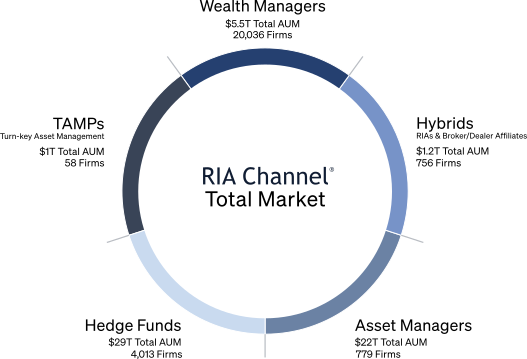
In a competitive market where trust is the ultimate currency, the brand of an RIA is crucial. It’s more than just a logo; it encompasses the firm’s values, reputation, unique selling proposition, and how it communicates its expertise and integrity to the world.
Crafting a Unique Value Proposition: Standing Out from the Crowd
For an RIA to thrive, it must clearly articulate what makes it different and better than alternatives. This unique value proposition (UVP) might stem from a specialization in serving specific niches (e.g., tech entrepreneurs, medical professionals, retirees), an expertise in particular investment strategies (e.g., ESG investing, alternative assets), or a distinctive client service model. A compelling UVP helps an RIA attract its ideal clients and reinforces its expertise in a focused area.
Developing a strong UVP requires introspection: What problems does the RIA solve for clients? What unique insights or processes does it offer? How does it deliver superior results or experiences? Clearly defining and communicating this UVP is foundational to building a memorable and impactful brand identity that resonates with potential clients.
Personal Branding for Advisors: Thought Leadership and Credibility
Individual advisors within an RIA firm also benefit immensely from cultivating their personal brand. This involves establishing oneself as a thought leader and trusted expert in the financial community. Strategies include consistent content creation (blog posts, articles, whitepapers) that demonstrates expertise, active participation in professional networks, speaking engagements, and leveraging platforms like LinkedIn to share insights and engage with peers and prospective clients.
A strong personal brand enhances credibility, attracts referrals, and reinforces the overall brand of the RIA firm. When advisors are recognized for their knowledge and integrity, it builds confidence in the advice they provide and strengthens the firm’s market position. It’s about demonstrating value before even having a direct conversation with a prospective client.
Corporate Identity and Marketing: Professionalism and Reach
A professional and consistent corporate identity is vital for an RIA. This includes a well-designed website that is intuitive, informative, and secure; consistent branding across all digital and physical touchpoints; and compelling marketing materials. The website, often the first point of contact for potential clients, must clearly articulate the firm’s mission, services, fees, and fiduciary commitment.
Effective marketing strategies are essential for reach and visibility. This can include Search Engine Optimization (SEO) to ensure the firm ranks highly for relevant financial planning terms, targeted digital advertising, email marketing, and engaging social media presence. Client testimonials and case studies, ethically obtained and presented, can also be powerful tools to build social proof and demonstrate the firm’s impact on clients’ lives, converting interest into trust.
Reputation Management in the Digital Sphere: Integrity and Responsiveness
In the digital age, an RIA’s reputation is constantly under scrutiny. Online reviews, social media mentions, and forum discussions can quickly shape public perception. Proactive reputation management involves monitoring online sentiment, actively soliciting feedback, and responding professionally and promptly to any concerns or criticisms.
Maintaining integrity in all communications, both online and offline, is paramount. Transparency about fees, investment strategies, and potential risks helps build and maintain client trust. Any perceived lapse in ethical conduct or client service can have significant repercussions, underscoring that an RIA’s brand is a living entity that requires continuous nurturing and protection through consistent action and clear communication.
The Financial Ecosystem: Money and the RIA
At its heart, an RIA exists to guide clients through the complex world of money – from saving and investing to planning for major life events. The intersection of an RIA’s expertise with the practical realities of personal and business finance forms the bedrock of its service offering.
Comprehensive Financial Planning: Beyond Just Investments
While investment management is a core service, a leading RIA offers much more than just picking stocks or funds. It provides comprehensive financial planning that addresses all facets of a client’s financial life. This includes retirement planning (401(k) rollovers, IRA strategies), estate planning (wills, trusts, beneficiaries), tax planning (optimizing deductions, managing capital gains), risk management (insurance needs), and even budgeting and cash flow management.
A holistic approach ensures that all financial decisions are interconnected and aligned with a client’s overarching goals, mitigating potential pitfalls and maximizing opportunities for wealth accumulation and preservation. This deep dive into a client’s entire financial picture differentiates true planning from mere product sales.
Investment Strategies and Portfolio Management: Growing and Protecting Wealth
A primary function of an RIA is to develop and implement tailored investment strategies designed to help clients achieve their financial objectives. This involves a thorough risk assessment to understand a client’s comfort level with volatility, asset allocation based on time horizons and goals, and diversified portfolio construction across various asset classes (stocks, bonds, real estate, alternatives).
RIAs emphasize long-term growth, strategic rebalancing, and adapting portfolios to changing market conditions while adhering to the client’s risk profile. They provide ongoing monitoring, performance reporting, and educational insights, demystifying the investment process and empowering clients to make informed decisions. The focus is on disciplined, evidence-based investing, rather than chasing fads or making impulsive decisions.
Understanding Fee Structures and Value: Justifying the Cost of Advice
Clients engage an RIA for professional expertise, but they also want to understand the value they receive for the fees they pay. RIAs are transparent about their fee structures, explaining how their compensation is calculated and what services are included. This clarity is a direct extension of their fiduciary duty.
Demonstrating value goes beyond just investment returns. It includes the peace of mind derived from expert guidance, the time saved by outsourcing financial management, the optimization of tax strategies, the avoidance of costly mistakes, and the achievement of complex financial goals. RIAs quantify this value through regular reviews, showing how their advice contributes to overall financial well-being and helps clients navigate market fluctuations and life changes successfully.
Business Finance for RIA Firms: Growth and Sustainability
Finally, an RIA firm itself operates as a business within the financial ecosystem, requiring sound financial management for its own growth and sustainability. This includes managing operational expenses, setting appropriate service fees, forecasting revenue, investing in technology and talent, and strategic planning for expansion or succession.
Many RIAs start as small independent practices and grow into larger enterprises, each stage requiring careful financial stewardship. Understanding their own business finance enables RIAs to run efficient operations, ensure profitability, and ultimately, continue to provide high-quality, long-term service to their clients. This internal financial health reflects their capability to manage external client finances effectively.
In conclusion, a Registered Investment Advisor is much more than just a financial professional; it is a fiduciary partner dedicated to placing clients’ best interests first. The modern RIA leverages cutting-edge technology to enhance efficiency, security, and client engagement. It meticulously crafts and maintains a trusted brand built on transparency, expertise, and a unique value proposition. And fundamentally, it expertly navigates the complex world of money, offering comprehensive financial planning and astute investment management to empower clients to achieve their financial aspirations. As the financial landscape continues to evolve, the RIA, with its robust ethical framework and embrace of innovation, remains a cornerstone of intelligent and trustworthy financial guidance.
aViewFromTheCave is a participant in the Amazon Services LLC Associates Program, an affiliate advertising program designed to provide a means for sites to earn advertising fees by advertising and linking to Amazon.com. Amazon, the Amazon logo, AmazonSupply, and the AmazonSupply logo are trademarks of Amazon.com, Inc. or its affiliates. As an Amazon Associate we earn affiliate commissions from qualifying purchases.