
The dream of entrepreneurship is often obscured by the perceived complexity of starting a business. Many aspiring founders believe that launching a company requires significant venture capital, a revolutionary technological breakthrough, or a massive team of experts. However, the modern economic landscape has shifted the goalposts. Today, the “easiest” business to start is defined not by how little work it requires, but by how low the barriers to entry are and how quickly the venture can reach a point of positive cash flow.
In the realm of personal finance and business development, ease is synonymous with low overhead, minimal inventory risk, and the ability to leverage existing skills. When searching for an accessible point of entry, the focus should remain on models that allow for lean operations—where the primary investment is time and strategic focus rather than liquid capital.
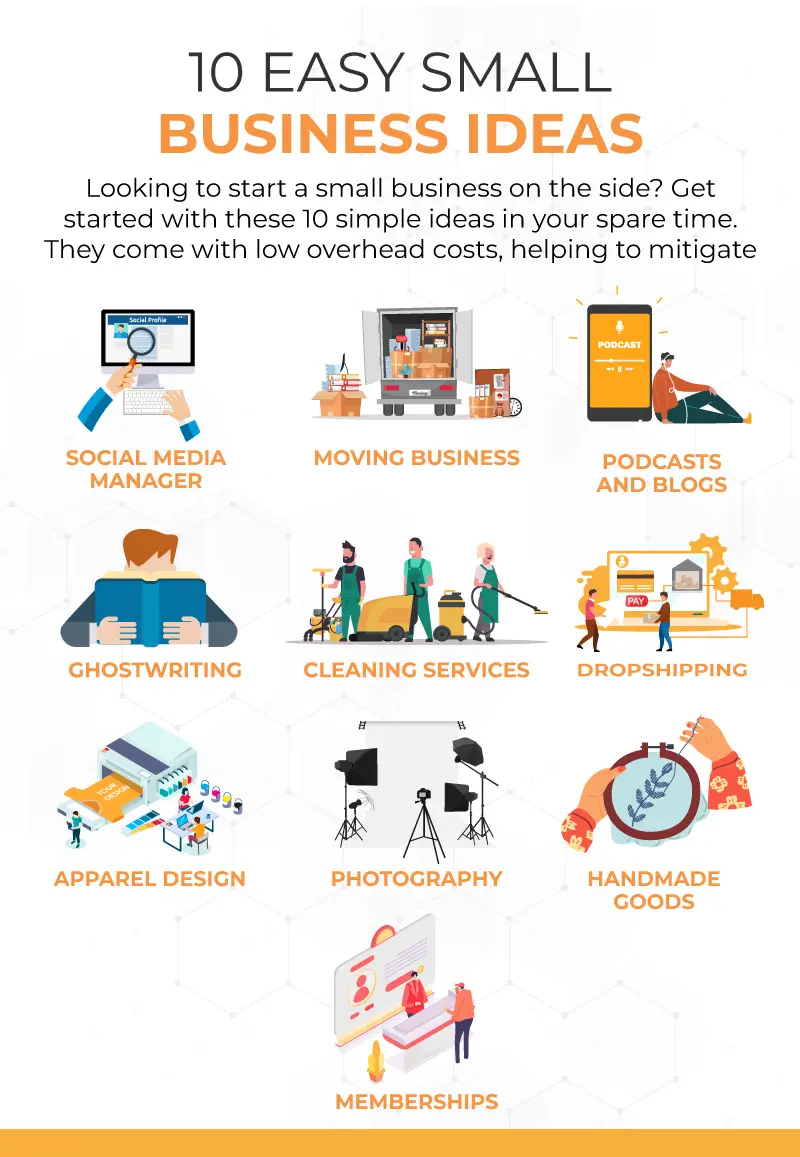
Evaluating the “Easy” Business Model: Low Barriers and High Margins
To identify a truly easy business to start, one must first look at the financial fundamentals. An ideal entry-level business minimizes the “burn rate”—the amount of money spent before the business becomes profitable. For most individuals, this means avoiding physical storefronts, heavy machinery, or complex supply chains in the initial phase.
The Low Capital Advantage
The most accessible businesses are those that require minimal upfront investment. In traditional business cycles, debt was often a prerequisite for growth. In the digital and service-based economy, the goal is “bootstrapping.” By starting a business that requires only a computer, an internet connection, and specific expertise, the entrepreneur mitigates the financial risk of failure. If the venture does not gain traction, the loss is limited to time rather than a catastrophic financial deficit.
Skill Leverage and Market Demand
An easy business is one where you already possess 80% of the required competence. If you are an accountant, starting a specialized tax advisory service is “easy.” If you are a proficient writer, a content strategy firm is “easy.” The friction of learning an entirely new industry often leads to burnout before the first dollar is earned. Success in low-barrier businesses comes from identifying a market need that overlaps with your current utility.
Scalability and the Transition from Side Hustle
A common mistake is starting a business that is easy to begin but impossible to grow. An easy business should have a clear path from a solo operation to a scalable entity. This transition usually involves moving from trading hours for dollars to creating systems, digital assets, or hiring subcontractors. Financial sustainability is the ultimate goal, transforming a simple side hustle into a robust source of personal wealth.
Service-Based Ventures: Trading Expertise for Immediate Cash Flow
Service-based businesses remain the gold standard for easy startups. They offer the fastest route to revenue because they bypass the development and manufacturing cycles inherent in product-based businesses. When you sell a service, you are essentially selling a solution to a specific problem that a client is willing to pay to solve today.
Freelancing and Consulting
Freelancing is perhaps the most straightforward business model in existence. Whether it is bookkeeping, copywriting, graphic design, or project management, the infrastructure required is negligible. The “money” aspect of freelancing revolves around your hourly rate or project-based fee.
To turn a freelance gig into a real business, the entrepreneur must focus on “value-based pricing” rather than just “time-based pricing.” For example, a freelance consultant who helps small businesses optimize their tax filings isn’t just selling hours; they are selling thousands of dollars in potential savings. This shift in mindset is what separates a low-paying hobby from a high-margin business.
Virtual Assistance and Specialized Support
The rise of the “solopreneur” has created a massive secondary market for support services. Many high-earning business owners are overwhelmed by administrative tasks, scheduling, and basic operations. Starting a virtual assistant (VA) agency—even as a solo operator—is incredibly simple.
The financial upside here lies in specialization. While a general VA may earn a modest wage, a “Technical VA” who manages CRM systems or email marketing funnels can command significantly higher rates. The ease of this business comes from the abundance of platforms like LinkedIn or specialized job boards where demand is constantly outstripping supply.
Tutoring and Educational Coaching
The knowledge economy has made education a highly profitable niche. If you have mastered a specific skill—whether it’s high-level mathematics, a foreign language, or investment strategies—you have the foundation for a tutoring business. With the proliferation of video conferencing tools, your market is no longer local; it is global. From a financial perspective, tutoring offers high margins because there are virtually no costs associated with delivering the service.
Content and Digital Assets: Building Long-Term Equity
For those who prefer not to trade their time directly for money in a one-on-one setting, digital asset businesses offer a compelling alternative. While these may take longer to generate their first dollar compared to service businesses, they provide the potential for passive income and higher scalability.
Niche Content Creation
Starting a niche blog, a specialized newsletter (via platforms like Substack), or a focused YouTube channel is a business built on intellectual property. The “easy” part is the setup; the “business” part is the monetization. Successful content businesses monetize through several streams:
-
Sponsorships: Brands pay to access your specific audience.
-
Affiliate Marketing: Earning a commission for recommending financial tools, software, or products.
-
Premium Subscriptions: Charging for deep-dive analysis or exclusive insights.
The financial strategy here is to build an audience that trusts your expertise. In the world of personal finance, for instance, a newsletter that simplifies complex investing topics can become a highly valuable asset that generates recurring revenue with very low maintenance costs.
Digital Downloads and Online Courses
If you have a repeatable process that yields results, you can package that process into a digital product. E-books, templates, and pre-recorded courses are “sell-once, earn-many” models. The initial “cost of goods sold” (COGS) is the time spent creating the asset. Once created, the margin on every subsequent sale is nearly 100%. This is the pinnacle of a lean business model, as it eliminates the need for inventory, shipping, and physical overhead.
Reselling and Curated E-commerce
While many e-commerce models require significant investment in inventory, certain subsets of the retail world are remarkably easy to enter for those with an eye for value and market trends.
The Arbitrage Model
Retail arbitrage involves buying undervalued items from one marketplace and selling them for a profit on another. This could be finding discounted goods at local outlets to sell on Amazon or sourcing vintage clothing to sell on specialized platforms. The financial key to success here is “inventory turnover.” The faster you can flip an item, the faster you can reinvest that capital into more inventory, creating a compounding effect on your initial investment.
Dropshipping and Print-on-Demand
Dropshipping is often touted as the ultimate easy business because the entrepreneur never touches the product. You act as the storefront and marketer; when a customer makes a purchase, the supplier ships the product directly to them.
Similarly, Print-on-Demand (POD) allows you to sell custom-designed merchandise without ever holding stock. The financial risk is shifted to the provider, while you focus on the marketing and brand positioning. While the margins are lower than traditional retail, the “ease” comes from the total lack of logistical headaches.
The Financial Framework for a Successful Start
Regardless of which “easy” business you choose, the transition from a concept to a profitable reality requires a disciplined financial approach. Starting easy does not mean starting sloppy.
Managing Lean Operations
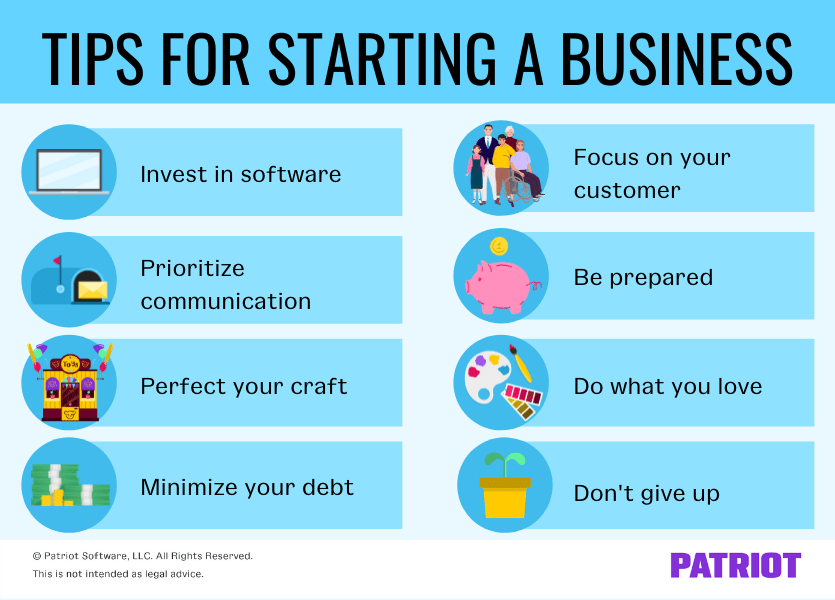
The primary rule of starting an easy business is to keep your overhead as low as possible for as long as possible. Many new entrepreneurs make the mistake of overspending on “business theater”—expensive websites, premium software subscriptions, and fancy business cards—before they have even made their first sale. In the early stages, every dollar should be directed toward activities that generate revenue or improve the product/service.
Separating Personal and Business Finances
Even the smallest side hustle should have its own dedicated bank account. From a legal and tax perspective, keeping your business income separate from your personal spending is crucial. It allows you to track your true profit margins and ensures that you are prepared for tax obligations. Professionalism in your bookkeeping is a hallmark of a business that is built to last.

The Importance of Reinvestment
An easy business becomes a powerful wealth-building tool when you resist the urge to spend the initial profits. By reinvesting early earnings back into the business—whether that means buying better equipment, investing in targeted advertising, or outsourcing menial tasks—you accelerate the growth of the venture. The goal is to move from a “job” you created for yourself to a “business” that functions as an independent financial engine.
Starting an easy business is about removing the friction between an idea and the marketplace. By focusing on low-barrier models like service-based consulting, digital content, or lean e-commerce, anyone can enter the world of entrepreneurship. The key is to start small, stay lean, and remain focused on the fundamental goal of any business: providing value to the customer in exchange for a sustainable profit.
aViewFromTheCave is a participant in the Amazon Services LLC Associates Program, an affiliate advertising program designed to provide a means for sites to earn advertising fees by advertising and linking to Amazon.com. Amazon, the Amazon logo, AmazonSupply, and the AmazonSupply logo are trademarks of Amazon.com, Inc. or its affiliates. As an Amazon Associate we earn affiliate commissions from qualifying purchases.