
In an increasingly dynamic educational and professional landscape, navigating the myriad of academic credentials can be daunting. Among the various degrees available, the associate’s degree often stands out as a practical, efficient, and versatile option, frequently misunderstood but increasingly valuable. Far from being a lesser alternative, an associate’s degree represents a focused educational pathway designed to equip individuals with specific skills for immediate workforce entry or to serve as a strategic stepping stone towards further higher education. Its growing relevance is particularly pronounced in fields intertwined with technology, personal branding, and shrewd financial planning – core themes that resonate deeply in today’s economy.

This comprehensive guide will demystify the associate’s degree, exploring its structure, types, and the profound strategic advantages it offers. We will delve into how this qualification aligns with rapid technological advancements, empowers individuals to cultivate a strong professional brand, and provides a financially sound investment in one’s future.
Understanding the Foundation: What Exactly is an Associate’s Degree?
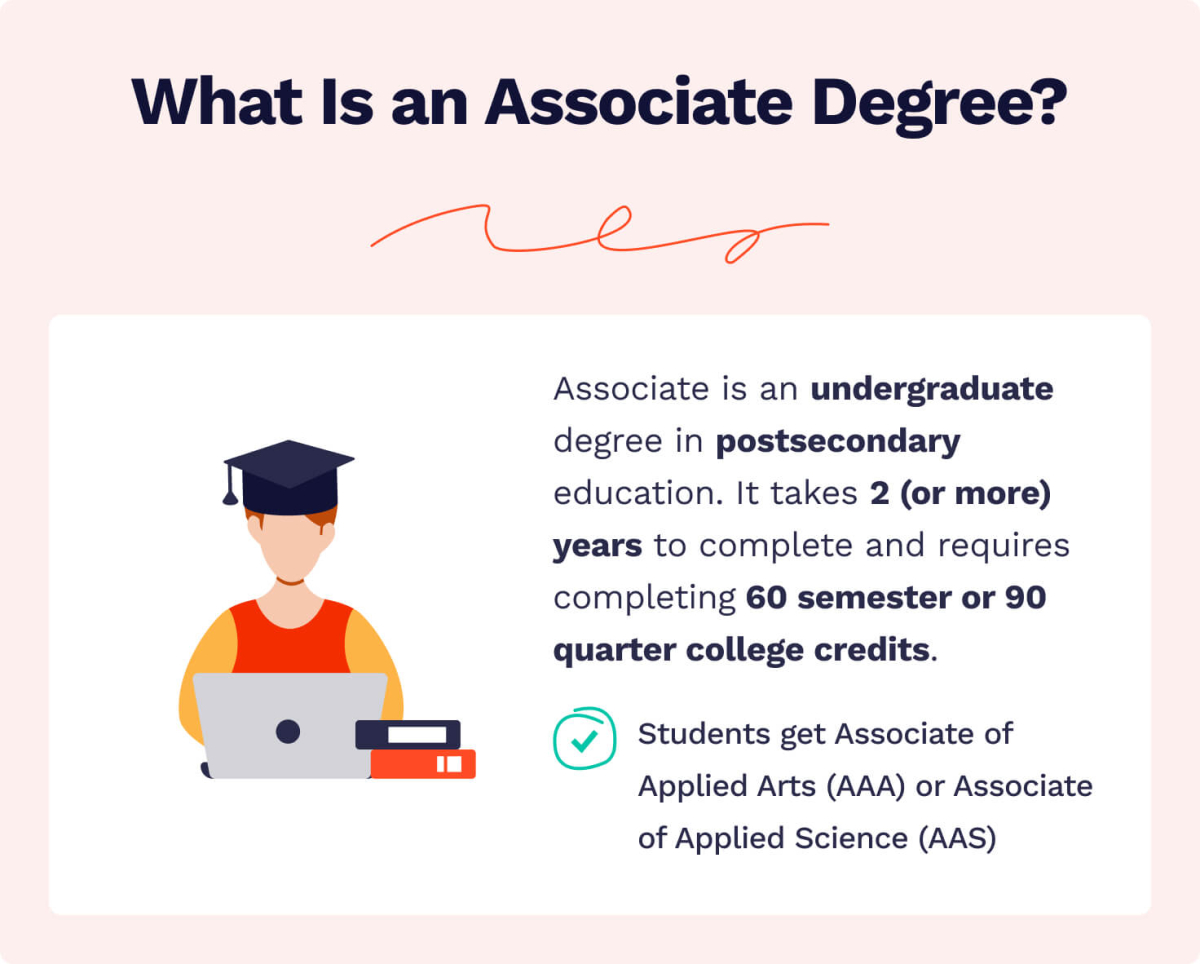
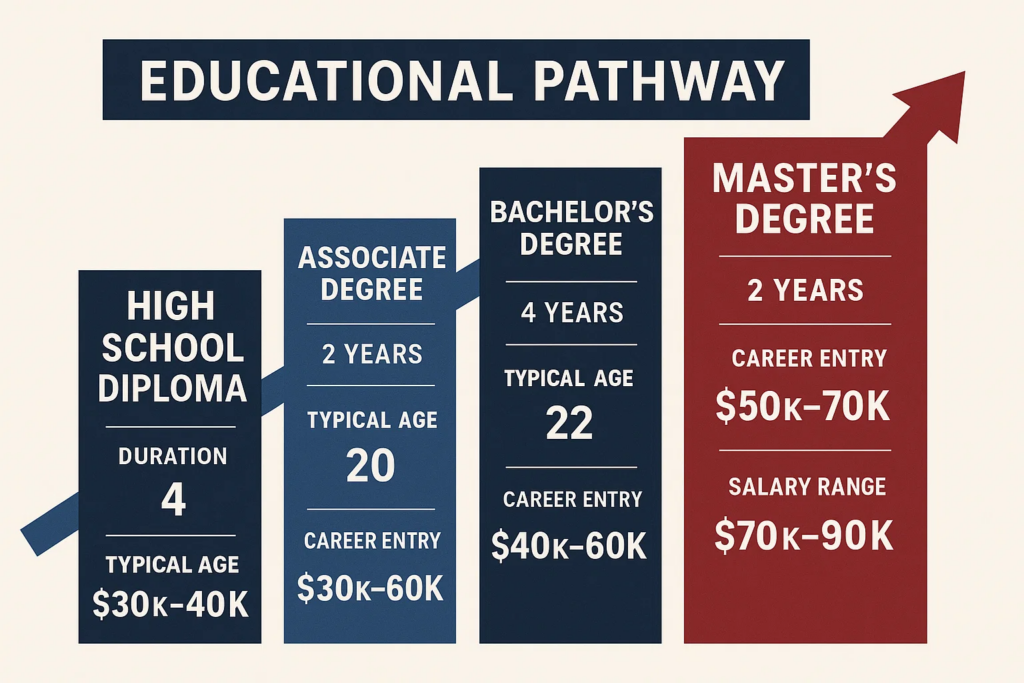
At its core, an associate’s degree is an undergraduate academic degree awarded by community colleges, junior colleges, technical colleges, and some four-year universities upon completion of a course of study typically lasting two years. It usually requires approximately 60 credit hours, equivalent to about half of a bachelor’s degree. Unlike a high school diploma, which signifies general education completion, or a bachelor’s degree, which offers a broad liberal arts foundation alongside specialized study, an associate’s degree occupies a unique and powerful middle ground.
Defining the Degree: Structure and Duration
The structure of an associate’s degree program is generally divided between general education courses and specialized coursework. General education requirements typically include subjects like English composition, mathematics, humanities, and social sciences, providing a foundational academic background. The remaining credits are then dedicated to a specific major or area of study, offering specialized knowledge and practical skills pertinent to a chosen field.
The “two-year” duration is a standard, but flexibility abounds. Many students complete their associate’s degree in less time through accelerated programs or by transferring existing credits. Conversely, part-time students might take longer, balancing their studies with work or family commitments. This inherent flexibility makes the associate’s degree accessible to a diverse demographic, from recent high school graduates to adult learners seeking career changes or skill enhancement. The credit hours typically range from 60 to 72 semester credits, or 90 to 108 quarter credits, reflecting a concentrated period of study that is both rigorous and achievable.
The Three Main Types: AA, AS, and AAS
To truly appreciate the versatility of an associate’s degree, it’s crucial to understand its primary classifications, each serving distinct educational and career objectives:
-
Associate of Arts (AA): This degree is generally designed for students who plan to transfer to a four-year institution to complete a bachelor’s degree. AA programs typically focus on liberal arts, humanities, and social sciences. The curriculum emphasizes critical thinking, communication, and analytical skills, making it an excellent foundation for a wide range of bachelor’s degrees in fields like English, history, psychology, communication, and business administration. The general education courses in an AA program are often structured to seamlessly transfer into the first two years of a bachelor’s degree program, preventing loss of credits and saving considerable tuition costs.
-
Associate of Science (AS): Similar to the AA, the AS degree is also primarily intended for transfer to a four-year institution, but it focuses on science, technology, engineering, and mathematics (STEM) fields. AS programs include a higher concentration of math and science courses, such as biology, chemistry, physics, and calculus. This degree is ideal for students aspiring to bachelor’s degrees in engineering, computer science, nursing, environmental science, or other scientific disciplines, preparing them with the rigorous foundational knowledge required for advanced study in these areas.
-
Associate of Applied Science (AAS): Distinct from AA and AS, the AAS degree is career-oriented, designed to prepare graduates for immediate entry into a specific profession. These programs are highly specialized and often include a significant component of hands-on training, internships, and industry-specific certifications. AAS degrees are prevalent in technical and vocational fields, such as nursing, culinary arts, automotive technology, information technology, graphic design, and paralegal studies. While some AAS credits may transfer to a four-year institution, the primary goal of this degree is direct employment, providing graduates with in-demand skills tailored to specific industry needs. This is where the intersection with technology is most evident, as many AAS programs are direct pipelines to tech-driven careers.
Where to Earn Your Associate’s: Exploring Institutions
The vast majority of associate’s degrees are conferred by community colleges. These institutions are renowned for their accessibility, affordability, and commitment to local workforce development. Beyond community colleges, junior colleges, vocational schools, and an increasing number of online learning platforms also offer associate’s degree programs. Some four-year universities have also begun to offer associate’s degrees, often as part of a broader strategy to attract a wider range of students or to provide specific career-focused pathways. The choice of institution often depends on the type of degree sought, financial considerations, and personal learning preferences, including the increasing popularity of flexible online programs.
The Strategic Value Proposition: Why an Associate’s Degree Matters in Today’s World
In an economy shaped by rapid technological shifts, competitive job markets, and evolving financial models, an associate’s degree presents a compelling strategic advantage. It’s not just a qualification; it’s an investment that aligns with modern imperatives of financial prudence, technological proficiency, and effective personal branding.
Financial Acumen: Affordability, ROI, and Early Earning Potential (Money Focus)
One of the most immediate and tangible benefits of an associate’s degree is its financial advantage. The cost of tuition at community colleges is significantly lower than at four-year universities. This affordability translates into less student debt, a critical consideration for many individuals and families. By saving tens of thousands of dollars on the first two years of higher education, students can reduce their financial burden, allowing for greater financial flexibility in the future. This aligns perfectly with principles of personal finance and smart investing – investing in education that yields a high return without crippling debt.
Furthermore, an associate’s degree offers a quicker return on investment (ROI). With a typical two-year completion time, graduates enter the workforce much sooner than their bachelor’s-holding counterparts. This early entry means earlier earning potential, allowing individuals to start accumulating savings, paying off any existing debt, or investing in their future sooner. Many associate-level positions offer competitive salaries, especially in specialized technical fields, often surpassing the earnings of those with only a high school diploma. For those interested in online income or side hustles, the practical skills gained from an associate’s degree can be immediately monetized, providing additional financial streams. Whether it’s setting up a small web design business, offering IT support services, or working as a freelance paralegal, the skills are directly applicable to generating income outside of traditional employment.
Tech-Driven Careers: Bridging the Skills Gap in a Digital Age (Tech Focus)
The rapid advancement of technology has created an insatiable demand for skilled professionals across a multitude of industries. Many of these roles do not require a bachelor’s degree but instead prioritize specialized, hands-on technical competencies – precisely what an AAS degree provides. An associate’s degree in a tech-related field can be a direct pipeline to high-growth, high-demand careers.
Consider roles in information technology: IT support specialists, network administrators, cybersecurity technicians, web developers, and data entry specialists often find entry-level and mid-level positions with an associate’s degree. These programs frequently incorporate training in the latest software, AI tools, digital security protocols, and hardware, ensuring graduates are equipped with relevant, marketable skills from day one. For instance, an AAS in cybersecurity can lead to roles protecting digital assets, a critical function in every modern business. An AS in computer science can lay the groundwork for understanding software development and data analytics. The focus on practical application in associate’s programs means students learn to use the very gadgets and applications that power today’s digital world. As technology trends evolve, associate’s programs are often quicker to adapt their curricula, ensuring students are always learning the most up-to-date skills, from new programming languages to emerging AI tool proficiencies.
Building Your Professional Identity: Personal Branding and Marketability (Brand Focus)
In today’s competitive job market, a degree is more than just a piece of paper; it’s a foundational element of your personal brand. An associate’s degree, particularly an AAS, makes a strong statement: you are career-focused, possess practical skills, and are ready to contribute immediately. It showcases a commitment to a specific field and demonstrates a proactive approach to skill acquisition.
For those entering fields like graphic design, marketing support, or media production, an associate’s degree provides the technical proficiency required to build a compelling portfolio – the cornerstone of personal branding in creative industries. Graduates learn design principles, software tools, and production techniques that directly translate into marketable services. Even in non-creative fields, an associate’s degree can brand you as a reliable, skilled professional capable of handling specific tasks. The soft skills gained – such as problem-solving, teamwork, and communication – are also integral to building a positive professional reputation.
Furthermore, an associate’s degree can be the basis for developing a strong corporate identity for oneself or even for a future business. If you acquire skills in digital marketing or social media management through an associate’s program, you can then apply that knowledge to brand yourself as an expert or to help other businesses craft their brand strategy. It signals to employers that you have specific, valuable expertise, setting you apart from general applicants and enhancing your overall marketability.
Diverse Pathways: From Classroom to Career or Beyond
The beauty of an associate’s degree lies in its versatility. It doesn’t lock you into a single trajectory but instead opens up multiple strategic pathways, whether you aim for immediate employment, continued education, or even entrepreneurial ventures.
Direct Entry into High-Demand Sectors
For many, an associate’s degree is the express lane to a fulfilling career. Industries such as healthcare support (e.g., registered nursing, medical assisting, dental hygiene), skilled trades (e.g., electricians, HVAC technicians, welders), manufacturing, and the aforementioned IT sector heavily rely on graduates with associate’s degrees. These roles are critical to the economy and often boast excellent job security and competitive wages. An AAS in fields like diagnostic medical sonography or physical therapist assistant can lead to immediate employment in growing healthcare fields. In the burgeoning tech sector, associate’s degree holders are crucial for roles spanning network administration, cloud support, and helpdesk operations, providing the backbone for digital infrastructure.
A Seamless Bridge to Bachelor’s Programs
For those who envision a bachelor’s degree but seek a more affordable and flexible start, an associate’s degree, particularly an AA or AS, serves as an ideal bridge. Many community colleges have articulation agreements, or 2+2 programs, with four-year universities. These agreements guarantee that credits earned in an associate’s program will transfer directly into specific bachelor’s degree programs, allowing students to seamlessly transition into their junior year. This approach saves a significant amount of money on tuition for the first two years and often provides a more supportive learning environment in smaller community college classes. It’s a financially savvy way to achieve a four-year degree without incurring the full cost or initial commitment to a larger university.
Fueling Entrepreneurship and Side Hustles
The practical, hands-on skills acquired through an associate’s degree are highly transferable and can be a springboard for entrepreneurship. Individuals with an AAS in areas like web development, graphic design, IT consulting, or even business administration can leverage their expertise to start their own businesses. An associate’s degree can equip aspiring entrepreneurs with the foundational knowledge of business finance, marketing, and operational management necessary to launch and sustain a small enterprise. For example, a graduate with an AAS in digital marketing could start a local agency assisting small businesses with their online presence, using their skills in brand strategy and digital tools. Similarly, a tech-savvy associate’s graduate could offer freelance IT support or develop niche apps, creating online income streams. This pathway blends the “Money” and “Brand” aspects of the website’s focus, empowering individuals to build their own financial independence and professional identity.
Maximizing Your Associate’s Degree: Strategies for Success
To truly harness the power of an associate’s degree, strategic planning and proactive engagement are key. It’s not just about earning the degree, but how you leverage it.
Program Selection and Curriculum Alignment
The first critical step is choosing the right program. Research is paramount: understand the curriculum, the faculty’s industry experience, and the specific career outcomes. For tech-focused degrees, investigate if the program offers training in cutting-edge software, AI tools, or specific certifications that are in demand. Ensure the program’s learning objectives align with your career aspirations, whether it’s immediate job placement or transfer to a bachelor’s program. For transfer-oriented degrees, verify articulation agreements with your target universities.
Leveraging Experiential Learning and Certifications
Many associate’s programs emphasize experiential learning through labs, practicums, and internships. These opportunities are invaluable for gaining real-world experience, applying theoretical knowledge, and building a professional network. Actively seek out and participate in these experiences. Additionally, numerous associate’s degrees, especially in tech and healthcare, integrate industry-recognized certifications (e.g., CompTIA A+, Cisco CCNA, specific medical certifications). These certifications significantly enhance your marketability, validate your skills, and often lead to higher starting salaries, bolstering your personal brand and earning potential.
Cultivating Your Network and Professional Growth
Networking is crucial at any stage of your career, and an associate’s degree program provides an excellent environment for it. Connect with your instructors, who often have direct industry experience and valuable contacts. Engage with your classmates, who may become future colleagues or collaborators. Attend career fairs, workshops, and industry events. Building a strong professional network can open doors to internships, job opportunities, and mentorship. Furthermore, understand that the learning doesn’t stop after graduation. Especially in fields driven by technology, continuous learning is essential. Stay updated on new software, industry trends, and emerging AI tools through online courses, workshops, and professional development programs to maintain your edge and relevance.
Conclusion
The associate’s degree is a powerful and increasingly relevant credential in today’s intricate educational and professional landscape. It offers an accessible, affordable, and efficient pathway to specialized skills and career readiness, making it a highly strategic investment. Whether viewed through the lens of emerging technology, the cultivation of a robust personal brand, or astute financial planning, an associate’s degree demonstrates its profound value.
It provides a direct route to in-demand careers, equipping graduates with practical skills essential for the modern workforce, particularly in tech-driven sectors. It empowers individuals to build a strong professional identity and market themselves effectively in a competitive environment. Crucially, it offers a financially intelligent approach to higher education, minimizing debt while maximizing early earning potential and fostering opportunities for online income and entrepreneurial ventures. Far from being a lesser qualification, an associate’s degree is a testament to focused learning, strategic planning, and the pursuit of practical excellence in an ever-evolving world. For many, it’s not just a degree; it’s a launchpad for a successful and financially secure future.
aViewFromTheCave is a participant in the Amazon Services LLC Associates Program, an affiliate advertising program designed to provide a means for sites to earn advertising fees by advertising and linking to Amazon.com. Amazon, the Amazon logo, AmazonSupply, and the AmazonSupply logo are trademarks of Amazon.com, Inc. or its affiliates. As an Amazon Associate we earn affiliate commissions from qualifying purchases.