
Amazon Prime Day has become an indelible fixture in the global retail calendar, a colossal event that transcends mere sales to embody a profound case study in brand strategy, consumer psychology, and market influence. What began as a modest celebration for Amazon Prime members in 2015 has rapidly evolved into an annual, much-anticipated retail spectacle that reshapes consumer spending habits and challenges traditional seasonal sales patterns. To truly understand Amazon Prime Day is to delve beyond its surface as a discount event and appreciate its strategic significance as a core pillar of Amazon’s brand ecosystem and marketing prowess.
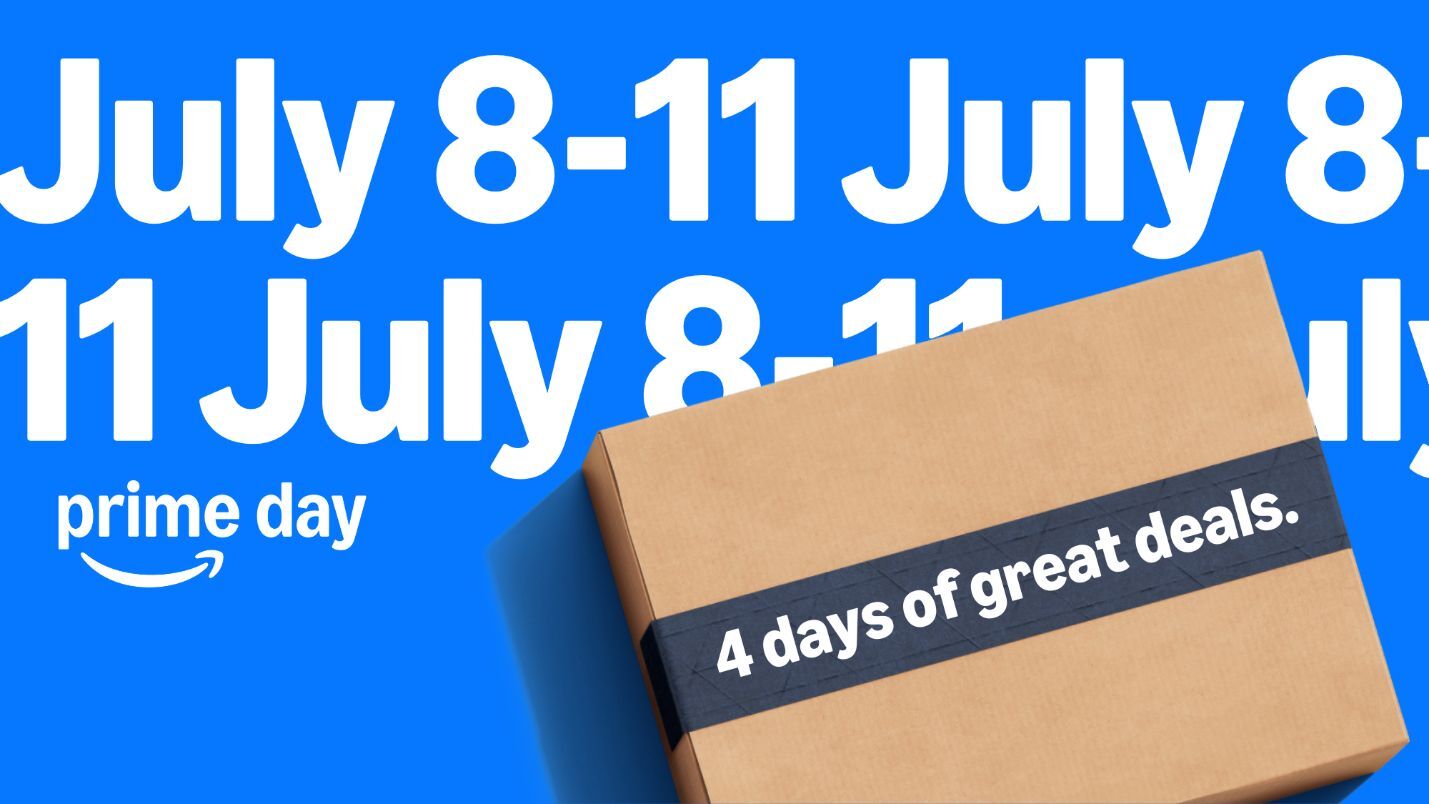
At its heart, Prime Day is Amazon’s proprietary shopping holiday, exclusively available to its Prime subscribers. For a limited window—typically 48 hours in mid-summer—Prime members gain access to a dizzying array of deals, discounts, and lightning sales across virtually every product category imaginable, from Amazon’s own devices to electronics, home goods, fashion, groceries, and much more. The event is a calculated move designed to not only reward existing Prime members but, crucially, to attract new subscribers to the lucrative Prime ecosystem, which offers a host of benefits including fast, free shipping, streaming video and music, exclusive deals, and more. This strategic linkage between membership and exclusive access is fundamental to its success and provides a potent blueprint for modern brand engagement.
The Genesis and Strategic Imperative of Prime Day
The inception of Amazon Prime Day in July 2015 marked Amazon’s 20th anniversary, framed as a “global shopping event, offering more deals than Black Friday.” This initial positioning immediately signaled Amazon’s ambition: to create an entirely new retail phenomenon that could rival, if not surpass, established shopping holidays. The decision to launch it in July was also strategic, effectively creating a “Black Friday in July” that filled a traditional retail lull period, giving consumers a compelling reason to shop outside the conventional holiday season.
From Niche Celebration to Global Phenomenon
What started as a single-day event quickly expanded, both in duration and geographical reach. Its initial success demonstrated an untapped demand for significant discounts outside of the traditional November-December holiday rush. Amazon capitalized on this, refining its approach each year, expanding to more countries, and extending the event to two full days. This gradual scaling up transformed Prime Day from an experimental anniversary celebration into a permanent, tentpole event on the global retail calendar. This evolution showcases a brand’s ability to identify a successful concept and meticulously nurture its growth, leveraging data and customer feedback to optimize its impact year after year. The journey from a celebratory gesture to a major economic driver is a testament to Amazon’s foresight and execution in brand development.
Cultivating Customer Loyalty and Prime Membership Growth
The primary strategic imperative behind Prime Day is undeniably the acquisition and retention of Prime members. The entire event is gated behind a Prime subscription, instantly creating an incentive for non-members to join. This exclusivity is a powerful psychological lever, fostering a sense of belonging and privilege among subscribers. For Amazon, Prime membership is far more than just a subscription fee; it’s the bedrock of its customer loyalty program. Prime members are significantly more engaged with the Amazon platform, purchasing more frequently and spending more annually than non-Prime members. They are deeply embedded in the Amazon ecosystem, utilizing various services from streaming to groceries, which solidifies their brand loyalty and lifetime value. Prime Day acts as the ultimate annual demonstrator of the value proposition of a Prime membership, showcasing tangible financial benefits that justify the ongoing subscription cost. It reinforces the idea that being a Prime member isn’t just about convenience, but also about exclusive access to unparalleled value.
A Masterclass in Experiential Marketing
Prime Day is not just a sales event; it’s a carefully orchestrated marketing spectacle designed to create excitement, urgency, and a unique shopping experience. Amazon employs sophisticated marketing techniques that tap into fundamental aspects of consumer psychology, making the event far more engaging than a typical sale.
The Psychology of Scarcity and Urgency
Central to Prime Day’s marketing effectiveness is the masterful deployment of scarcity and urgency. Many of the most coveted deals are presented as “Lightning Deals”—time-limited offers with finite stock, often expiring within hours or even minutes. A prominent timer counts down, and a percentage bar indicates how much stock has been claimed, creating intense pressure on shoppers to make immediate purchase decisions. This psychological pressure triggers the fear of missing out (FOMO), driving impulsive buying and encouraging constant monitoring of the Amazon site. By generating a high-stakes, dynamic shopping environment, Amazon ensures that Prime Day is an active, engaging experience rather than passive browsing. This strategy not only boosts sales during the event but also creates a buzz that extends before and after, keeping the brand top of mind.
Curated Deals and Personalization at Scale
While Prime Day offers a vast universe of discounts, Amazon leverages its immense data capabilities to personalize the shopping experience. Through advanced algorithms, it curates deal recommendations tailored to individual users’ browsing history, purchase patterns, and wish lists. This personalization makes the overwhelming number of deals feel more manageable and relevant to each shopper, increasing the likelihood of conversion. Furthermore, Amazon often uses Prime Day to heavily discount its own suite of products—Echo devices, Fire tablets, Kindle e-readers, Ring security systems, and more. These “hero products” serve as powerful anchors, drawing customers in and further embedding them within Amazon’s hardware and service ecosystem. The strategic promotion of these proprietary products reinforces Amazon’s vertical integration and expands its brand presence in consumers’ homes.
The Entertainment and Community Aspect
Beyond just discounts, Amazon has increasingly incorporated elements of entertainment and community into Prime Day. This includes live performances, celebrity endorsements, and interactive content leading up to and during the event. These initiatives transform Prime Day into more than just a transactional exercise; they make it an event, a shared experience that shoppers can engage with. The social aspect, where friends and family share deals or discuss purchases, further amplifies its reach and cultural relevance. This approach aligns with modern marketing trends that prioritize experiential value and community building, strengthening the emotional connection between consumers and the Amazon brand.
Reinforcing Amazon’s Brand Identity and Market Dominance
Prime Day is a powerful demonstration of Amazon’s brand strength and its ability to shape market dynamics. It’s a testament to how a single company can create an entirely new retail holiday and, in doing so, solidify its position as a global e-commerce leader.
Shaping Consumer Perceptions of Value
By consistently offering deep discounts on a wide range of products, Prime Day reinforces Amazon’s brand identity as the ultimate destination for value and convenience. Consumers come to associate Amazon with competitive pricing and a vast selection, enhancing brand perception. This perception is crucial in a competitive retail landscape, ensuring Amazon remains the first port of call for many shoppers. The event also subtly communicates Amazon’s logistical prowess: the ability to handle millions of orders, process payments, and deliver products globally with remarkable efficiency, thereby strengthening its brand image as an unparalleled operations leader. This operational excellence is a silent, yet powerful, brand message that underpins consumer trust and loyalty.
The “Amazon Effect” on Retail Competitors
The sheer scale and success of Prime Day have created what’s often referred to as the “Amazon Effect” on the broader retail industry. Competitors, unable to ignore the massive consumer engagement generated by Prime Day, have been forced to launch their own counter-sales events during the same period. Major retailers like Walmart, Target, and Best Buy now routinely offer “Black Friday in July” or “Deal Days” promotions to capture some of the mid-summer shopping frenzy instigated by Amazon. This reactive behavior from competitors underscores Amazon’s market dominance and its ability to dictate retail trends. It’s a clear indicator that Prime Day is not just a success for Amazon, but a significant force that reshapes the entire retail landscape, demonstrating Amazon’s power to influence industry-wide marketing and sales calendars.
Expanding Brand Reach Beyond E-commerce
While rooted in e-commerce, Prime Day’s brand influence extends far beyond mere online shopping. By offering deals on everything from Amazon’s streaming services to smart home devices, the event promotes the entire Amazon ecosystem. It encourages cross-pollination between different Amazon brands and services, strengthening the overall brand architecture. For instance, someone buying an Echo Dot on Prime Day might then subscribe to Amazon Music Unlimited or utilize Alexa for smart home controls, thereby deepening their engagement with the Amazon brand across multiple touchpoints. This holistic approach ensures that Prime Day is not just about moving products, but about expanding the Amazon brand’s footprint in consumers’ daily lives, reinforcing its ambition to be an indispensable part of modern living.
The Evolution and Future of a Retail Spectacle
As Prime Day continues to mature, its evolution will be shaped by shifting consumer expectations, technological advancements, and the ever-present need for Amazon to innovate to maintain its competitive edge.
Adapting to Shifting Consumer Behaviors
Consumer behaviors are constantly evolving, with increasing demands for sustainability, ethical sourcing, and personalized experiences. Amazon will need to continually adapt Prime Day to these shifts. This could involve highlighting deals on eco-friendly products, promoting small businesses and artisans on its platform more prominently, or integrating new technologies like augmented reality for a more immersive shopping experience. The brand’s ability to remain agile and responsive to cultural and technological trends will be critical for Prime Day’s sustained relevance and success. The future of Prime Day may also see greater integration with social commerce, influencer marketing, and interactive formats to keep younger, digitally native generations engaged.
Sustaining Innovation in a Crowded Market
With more competitors launching similar sales events, the challenge for Amazon will be to continually innovate and differentiate Prime Day. This could manifest in exclusive product launches during the event, enhanced gamification of the shopping experience, or even greater integration with Amazon’s physical retail footprint. The brand must find new ways to surprise and delight its Prime members, ensuring that Prime Day remains a unique and compelling proposition. Maintaining the allure of “exclusivity” and “unbeatable deals” in an increasingly saturated promotional landscape will require constant creativity and a deep understanding of consumer desires. This could mean experimenting with new deal formats, offering more personalized content, or creating more exclusive member-only benefits that extend beyond just discounts.

A Blueprint for Branded Sales Events
Ultimately, Amazon Prime Day stands as a powerful case study for any brand looking to create a high-impact, proprietary sales event. Its success demonstrates the potent combination of exclusive membership benefits, sophisticated marketing tactics leveraging scarcity and personalization, and the strategic alignment of sales goals with broader brand objectives. For brands across industries, Prime Day offers invaluable lessons in building customer loyalty, driving engagement, and effectively reshaping market dynamics through innovative brand strategy. It has redefined what a “sales event” can be, elevating it from a simple price reduction to a global phenomenon that strengthens an entire brand ecosystem. As Amazon continues to evolve, so too will Prime Day, solidifying its place not just as a retail holiday, but as a dynamic and enduring testament to the power of strategic branding.
aViewFromTheCave is a participant in the Amazon Services LLC Associates Program, an affiliate advertising program designed to provide a means for sites to earn advertising fees by advertising and linking to Amazon.com. Amazon, the Amazon logo, AmazonSupply, and the AmazonSupply logo are trademarks of Amazon.com, Inc. or its affiliates. As an Amazon Associate we earn affiliate commissions from qualifying purchases.