
Bitcoin has evolved from a cryptographic curiosity into a premier global asset class, often referred to as “digital gold.” For many, the goal of participating in the cryptocurrency market is not just to hold a digital asset, but to eventually realize a profit or generate a consistent stream of income. Navigating the transition from digital tokens to spendable currency—or “getting money from Bitcoins”—requires a sophisticated understanding of market liquidity, financial platforms, and the tax implications of asset disposal. Whether you are looking to liquidate a long-term investment, generate passive yield, or earn Bitcoin through labor, the financial landscape offers several distinct pathways to capitalize on your holdings.
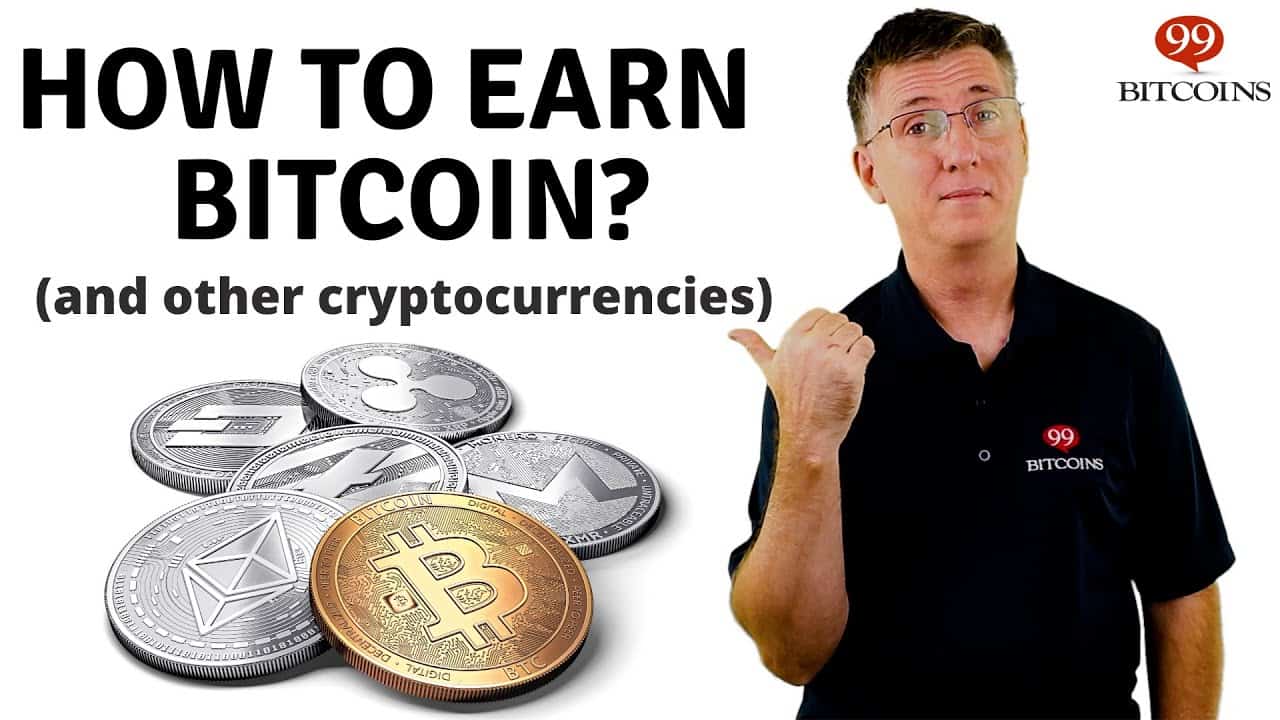
Converting Digital Assets into Liquid Fiat Currency
The most direct way to get money from Bitcoin is to sell it for fiat currency, such as US Dollars, Euros, or Yen. This process, known as “off-ramping,” is the cornerstone of realizing investment gains. The efficiency of this process depends largely on the platform chosen and the urgency of the liquidation.
Utilizing Centralized Exchanges (CEXs)
Centralized exchanges like Coinbase, Kraken, and Binance remain the most common vehicles for converting Bitcoin into cash. These platforms function similarly to traditional brokerage firms. To liquidate, a user transfers their Bitcoin to the exchange’s wallet and places a “sell” order. Once the trade is executed, the resulting fiat currency is held in the user’s account balance.
The final step is the withdrawal to a traditional bank account. Most professional-grade exchanges support Automated Clearing House (ACH) transfers, SEPA transfers, or wire transfers. While ACH transfers are often free or low-cost, they may take several business days to settle. Wire transfers are faster but usually incur higher bank fees. For those seeking immediate liquidity, some exchanges offer “Instant Buy/Sell” features that link directly to a debit card, though these often come with higher convenience fees that can eat into your profit margins.
Peer-to-Peer (P2P) Marketplaces
Peer-to-peer marketplaces offer a more decentralized approach to cashing out. Platforms such as Paxful or various localized P2P desks connect individual sellers directly with buyers. This method provides greater flexibility in how you receive your money. Buyers may offer to pay via bank transfer, digital payment apps like PayPal or Zelle, or even physical cash meetups.
The primary advantage of P2P trading is the ability to bypass some of the rigid structures of centralized exchanges, sometimes allowing for a premium price above the current market rate. However, it requires a higher degree of due diligence. Successful P2P sellers must rely on reputation systems and escrow services provided by the platform to ensure that the fiat payment is received before the Bitcoin is released. This method is particularly popular in regions where traditional banking infrastructure is less friendly toward cryptocurrency businesses.
The Role of Bitcoin ATMs
For those who need physical cash immediately, Bitcoin ATMs (BTMs) serve as a bridge between the digital and physical worlds. These machines allow users to scan a QR code from their mobile wallet and sell their Bitcoin for dispensed cash on the spot. While convenient, BTMs are generally the most expensive way to get money from Bitcoin. Transaction fees can range from 7% to 15%, and the exchange rate provided is often less favorable than the spot price found on major exchanges. They are best utilized as a last resort for small, urgent liquidity needs rather than for significant divestment.
Generating Passive Income and Yield
In the modern financial ecosystem, you do not always have to sell your Bitcoin to get money from it. Much like real estate or dividend-paying stocks, Bitcoin can be treated as a capital asset that generates recurring cash flow. This shift from capital appreciation to yield generation is a hallmark of sophisticated personal finance management in the digital age.
Lending Platforms and Interest-Bearing Accounts
One of the most established ways to extract value from Bitcoin without selling it is through lending. In this model, you provide your Bitcoin to a lending platform which, in turn, lends it to institutional borrowers or market makers. In exchange for providing this liquidity, you receive interest payments, typically denominated in Bitcoin or a stablecoin.
While the high-yield “crypto banks” of the past have seen significant volatility and regulatory scrutiny, institutional-grade lending remains a viable path for those with a high risk tolerance. By lending your assets, you effectively turn your Bitcoin into a productive asset that “works” for you. It is essential, however, to understand that this often involves moving your Bitcoin into a custodial environment, meaning you are trusting a third party with the security of your funds.
Decentralized Finance (DeFi) and Liquidity Provision
For those who prefer to maintain “self-custody” of their assets, Decentralized Finance (DeFi) offers ways to earn money through automated protocols. While Bitcoin exists on its own blockchain, it can be “wrapped” (as WBTC) to function on networks like Ethereum or Polygon. Once wrapped, your Bitcoin can be used in liquidity pools on decentralized exchanges (DEXs) like Uniswap.

By providing liquidity to a pair (for example, WBTC/USDC), you earn a proportional share of the transaction fees generated by that pool. This is a highly technical but potentially lucrative way to generate ongoing income. However, it introduces the risk of “impermanent loss,” where the value of your deposited assets changes relative to each other, potentially resulting in less value than if you had simply held the Bitcoin in a cold wallet.
Strategic Trading and Investment Methodologies
Getting money from Bitcoin often involves active market participation. Rather than a simple “buy and hold” strategy, investors can use various financial techniques to extract value based on market volatility and price action.
Long-Term Holding and Strategic Rebalancing
The most successful financial strategy for many has been “HODLing”—long-term holding. However, the “money” aspect comes from strategic rebalancing. Professional investors often set price targets at which they will sell a predetermined percentage of their holdings. For example, if Bitcoin’s value doubles, an investor might sell 10% of their position to recoup their initial principal, effectively leaving them with a “risk-free” investment. This disciplined approach ensures that paper gains are converted into realized wealth before market corrections occur.
Arbitrage Opportunities
Bitcoin is traded on hundreds of exchanges globally, and price discrepancies frequently occur between these platforms. Arbitrage is the practice of buying Bitcoin on one exchange where the price is lower and simultaneously selling it on another where the price is higher. While sophisticated trading bots have made this space highly competitive, manual arbitrage still exists, particularly between international markets with different capital controls or liquidity levels. This method allows traders to generate “money” from the inefficiencies of the market itself rather than relying solely on the upward movement of the price.
Earning Bitcoin as a Primary or Supplemental Income
For many, the best way to “get money” from Bitcoin is to treat it as a currency of settlement for labor. This circumvents the need to first buy the asset with fiat, allowing for a pure accumulation of digital wealth through professional services.
Crypto-Integrated Freelancing
A growing number of freelancers in fields like software development, graphic design, and digital marketing are opting to be paid in Bitcoin. Platforms like BitWage allow employees to receive a portion of their traditional salary in Bitcoin, while freelance marketplaces like LaborX specifically cater to the crypto-economy. By earning Bitcoin directly, you avoid the fees associated with currency conversion and can benefit from the asset’s potential appreciation while covering your living expenses.
Content Creation and Affiliate Programs
The digital economy has opened doors for earning Bitcoin through affiliate marketing and content creation. Many financial tools, hardware wallet manufacturers, and exchanges offer affiliate programs that pay out in Bitcoin. By creating educational content or reviews, individuals can earn a commission for every user they refer to these services. This creates a “side hustle” that generates Bitcoin income, which can then be held as an investment or converted to fiat as needed.
Managing Financial Risks and Tax Obligations
No discussion on getting money from Bitcoin is complete without addressing the legal and security frameworks that govern wealth. The transition from digital asset to bankable cash is a taxable event in almost every major jurisdiction.
Understanding Capital Gains Taxes
In the eyes of most tax authorities, such as the IRS in the United States, Bitcoin is treated as property. This means that every time you sell Bitcoin for fiat, or even trade it for another cryptocurrency, you are triggering a capital gains event. To effectively manage your money, you must keep meticulous records of your “cost basis”—the price you paid for the Bitcoin—and the fair market value at the time of sale.
Short-term capital gains (on assets held for less than a year) are typically taxed at your ordinary income rate, while long-term capital gains often enjoy a lower tax rate. Failing to account for these taxes can lead to significant financial penalties, effectively neutralizing the profits you worked to achieve.

Security Protocols to Protect Capital
Finally, getting money from Bitcoin requires that you successfully protect that Bitcoin until the moment of sale. The “money” is only yours if you control the private keys. Utilizing hardware wallets for long-term storage and enabling multi-factor authentication (MFA) on all exchange accounts is non-negotiable. In the world of digital finance, security is the foundation of wealth preservation. Without a rigorous security protocol, the “money” you intend to get from Bitcoin could be lost to hacks or phishing attempts, proving that in the crypto-economy, the safest investor is often the most successful one.
aViewFromTheCave is a participant in the Amazon Services LLC Associates Program, an affiliate advertising program designed to provide a means for sites to earn advertising fees by advertising and linking to Amazon.com. Amazon, the Amazon logo, AmazonSupply, and the AmazonSupply logo are trademarks of Amazon.com, Inc. or its affiliates. As an Amazon Associate we earn affiliate commissions from qualifying purchases.