
For centuries, silver has occupied a unique dual position in the global economy. It is simultaneously a precious metal used as a store of value and an indispensable industrial commodity. When someone asks, “What’s a troy ounce of silver worth?” the answer is rarely a single, static number. The value of silver is a moving target, influenced by global market fluctuations, industrial demand, and the specific form the metal takes—whether it’s a minted coin, a cast bar, or a digital contract.
Understanding the value of a troy ounce of silver requires looking beyond the daily “spot price” seen on financial news networks. For investors and collectors, the true worth of silver is a combination of its intrinsic metal value, its role as an inflation hedge, and the logistical costs of ownership.
Understanding the Troy Ounce and the “Spot Price”
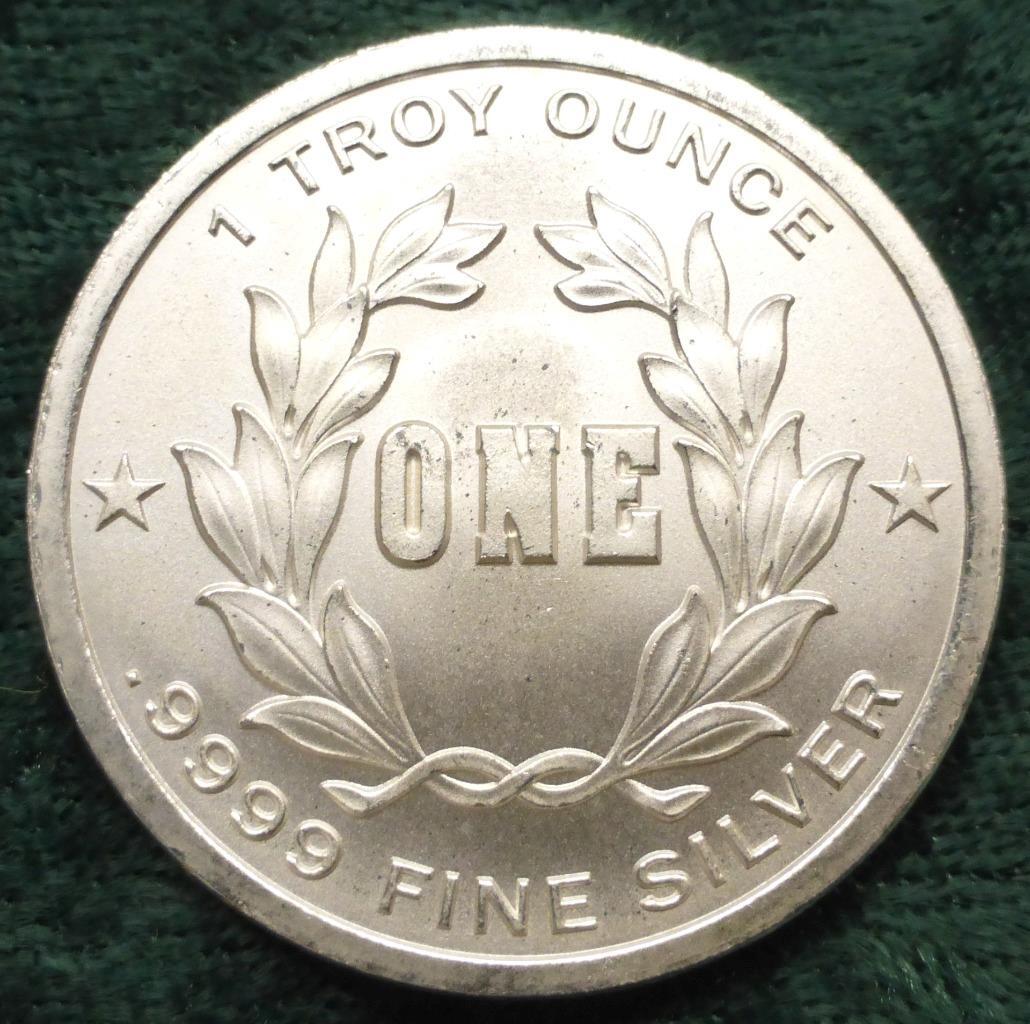
To accurately determine what silver is worth, one must first understand the specific unit of measurement used in the precious metals market: the troy ounce. Unlike the standard “avoirdupois” ounce used for groceries or mail, the troy ounce is the international standard for weighing precious metals.
The Difference Between a Troy Ounce and an Avoirdupois Ounce
One of the most common mistakes new investors make is assuming all ounces are created equal. A standard (avoirdupois) ounce weighs approximately 28.35 grams. However, a troy ounce is heavier, weighing exactly 31.1035 grams. This distinction is vital; if you are calculating the value of a silver collection based on kitchen scale measurements, you will likely undervalue your holdings by about 10%. When you see a price quote for silver on an exchange, it is always referring to the 31.1-gram troy ounce.
How the Silver Spot Price is Determined
The “spot price” is the current market price at which a troy ounce of raw, unfabricated silver can be bought or sold for immediate delivery. This price is determined by the global commodities markets, primarily the COMEX (Commodity Exchange) in New York and the London Bullion Market Association (LBMA).
These markets operate 24 hours a day during the work week, with prices fluctuating based on the trading of “paper silver”—futures contracts and options. Because the spot price is based on large-scale institutional trading of 1,000-ounce bars, it serves as the baseline for all retail silver prices. However, it is important to remember that as an individual investor, you will rarely be able to buy physical silver at exactly the spot price.
Factors That Drive the Value of Silver
The worth of a troy ounce of silver is not arbitrary; it is the result of complex macroeconomic and industrial variables. Because silver has more industrial applications than gold, its price can be more volatile, reacting to both economic growth and economic fear.
Industrial Demand and the Green Energy Transition
Unlike gold, which is mostly stored in vaults, roughly 50% of the world’s annual silver production is consumed by industry. Silver is the most electrically and thermally conductive of all metals, making it essential for modern technology.
Today, the “worth” of silver is increasingly tied to the green energy transition. Silver is a critical component in photovoltaic (solar) panels and the electrical systems of electric vehicles (EVs). As nations push toward carbon neutrality, the industrial demand for silver is expected to remain high, creating a floor for its market value that other precious metals might lack.
Inflation, Interest Rates, and the US Dollar
Silver has a long-standing reputation as a “hard asset” that protects against currency devaluation. When inflation rises and the purchasing power of the US dollar declines, investors often flock to silver to preserve their wealth.
Conversely, interest rates play a significant role in silver’s valuation. Since silver does not pay a dividend or interest, it must compete with interest-bearing assets like Treasury bonds. When the Federal Reserve raises interest rates, the “opportunity cost” of holding silver increases, which can sometimes lead to a dip in price. However, in environments where inflation outpaces interest rates (negative real rates), silver’s value tends to climb.
Geopolitical Uncertainty and “Safe Haven” Status
In times of war, political instability, or systemic banking crises, investors seek “safe haven” assets. Silver, along with gold, is a tangible asset that carries no counterparty risk—meaning its value does not depend on a government or corporation’s promise to pay. This psychological factor can cause the value of a troy ounce to spike during periods of global unrest, as capital moves out of “risky” stocks and into the security of physical metal.

The Gap Between Paper Price and Physical Price
If you look up the spot price of silver today and then visit a local coin shop or an online bullion dealer, you will notice a discrepancy. This is because the “worth” of physical silver includes several layers of costs that the digital spot price does not.
Understanding Dealer Premiums
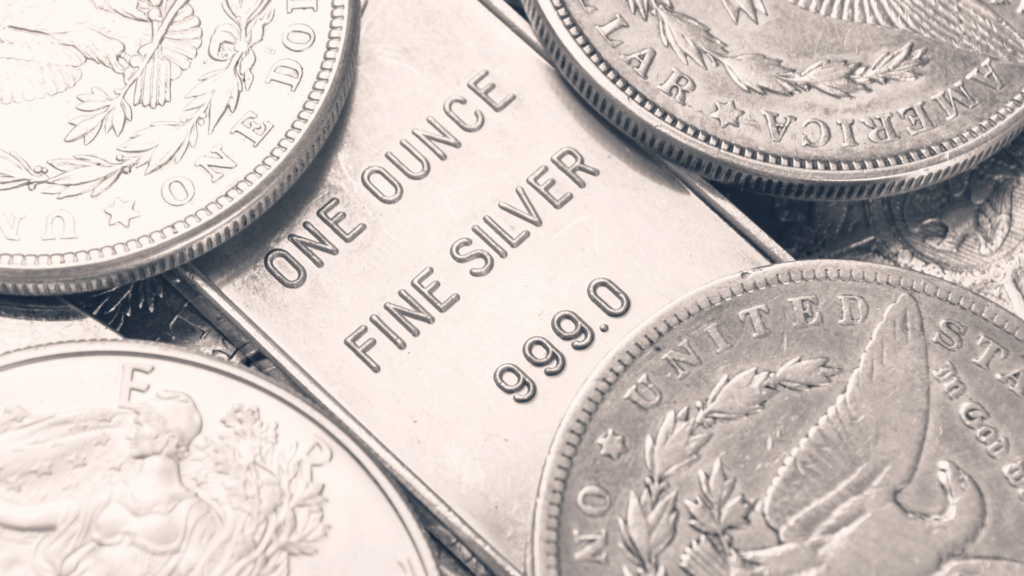
A “premium” is the amount you pay over the spot price for a physical troy ounce of silver. This premium covers the cost of refining the metal, minting it into a specific shape (like a coin or bar), shipping, insurance, and the dealer’s profit margin.
For example, a highly sought-after 1 oz American Silver Eagle coin will carry a much higher premium than a generic 10 oz silver bar. The “worth” of your silver, therefore, depends heavily on its form. If you buy during a period of high demand, premiums can skyrocket, sometimes adding 20% to 50% to the total cost per ounce.
Storage, Shipping, and Liquidity Costs
When calculating what silver is worth to you as an investment, you must factor in the “friction” of the trade. If you own physical silver, you must consider the cost of secure storage (such as a safe or a bank deposit box) and insurance. Furthermore, when it comes time to sell, you may have to pay shipping fees or accept a “buy-back” price from a dealer that is slightly below the current spot price. This “bid-ask spread” is a crucial component of silver’s real-world financial value.
Ways to Add Silver to Your Financial Portfolio
For the modern investor, there are multiple ways to gain exposure to the value of silver. The method you choose should align with your financial goals, whether you are seeking long-term wealth preservation or short-term speculative gains.
Physical Bullion: Coins, Rounds, and Bars
Physical ownership is the most traditional way to invest in silver.
- Sovereign Coins: These are minted by governments (e.g., the Canadian Maple Leaf) and have a face value. They are highly liquid and easy to recognize.
- Bars and Rounds: These are produced by private mints. They generally have lower premiums than sovereign coins, making them a more cost-effective way to accumulate raw weight.
Physical silver offers the ultimate security of “if you don’t hold it, you don’t own it,” but it requires physical management.
Paper Silver: ETFs and Mining Stocks
If you want to profit from the movement in silver’s price without the hassle of storing metal, you can invest in “paper silver.”
- ETFs (Exchange-Traded Funds): Funds like SLV track the price of silver. You can buy and sell shares of the fund as easily as a stock.
- Mining Stocks: Investing in companies that mine silver provides leverage. If the price of silver rises by 10%, a well-managed mining company’s stock might rise by 20% or 30%. However, this comes with added risks, such as management quality and jurisdictional stability.
The Silver-to-Gold Ratio as a Strategic Indicator
Experienced investors often look at the “Silver-to-Gold Ratio” to determine if silver is undervalued relative to gold. This ratio tells you how many ounces of silver it takes to buy one ounce of gold. Historically, the ratio has averaged around 50:1 to 60:1. When the ratio stretches to 80:1 or 100:1, many investors believe silver is “cheap” and will outperform gold in the coming market cycle.
Is Silver a Good Investment for You?
Ultimately, determining what a troy ounce of silver is worth depends on your timeframe and your reason for buying. Silver is rarely a “get rich quick” scheme; rather, it is a tool for financial resilience.
Long-term Wealth Preservation vs. Short-term Speculation
If you are looking for a hedge against a failing currency or a total market collapse, the worth of silver lies in its permanence. It has never gone to zero in thousands of years of human history. However, for short-term traders, silver’s volatility can be a double-edged sword. Its price can swing wildly based on a single economic report or a shift in manufacturing trends.
Diversification and Risk Management
Financial advisors often suggest that precious metals make up 5% to 10% of a diversified portfolio. Silver provides a “non-correlated” asset—meaning it often moves independently of the stock and bond markets. By holding silver, you reduce the overall risk of your portfolio.
In conclusion, the value of a troy ounce of silver is more than just the number on a ticker symbol. It is a reflection of global industrial health, the stability of the US dollar, and the collective desire of investors to hold a tangible piece of the earth’s finite resources. Whether the spot price is $20, $30, or $50, the true worth of silver remains its ability to provide financial autonomy and a hedge against an uncertain future. For those willing to navigate the complexities of premiums and market cycles, silver remains one of the most accessible and essential assets in the world of personal finance.
aViewFromTheCave is a participant in the Amazon Services LLC Associates Program, an affiliate advertising program designed to provide a means for sites to earn advertising fees by advertising and linking to Amazon.com. Amazon, the Amazon logo, AmazonSupply, and the AmazonSupply logo are trademarks of Amazon.com, Inc. or its affiliates. As an Amazon Associate we earn affiliate commissions from qualifying purchases.