
In the landscape of modern textile maintenance, the term “dry cleaning” is something of a misnomer. The process is far from dry; instead, it represents a sophisticated intersection of chemical engineering, advanced thermodynamics, and automated mechanical systems. While traditional laundering relies on the polar properties of water and mechanical agitation to break down soils, dry cleaning utilizes non-polar solvents to protect the structural integrity of delicate fibers. As technology evolves, the dry cleaning industry has transitioned from rudimentary chemical soaking to a high-tech, closed-loop system governed by microprocessors and sustainable chemical innovations. This exploration delves into the technical machinery and chemical processes that define contemporary professional garment care.
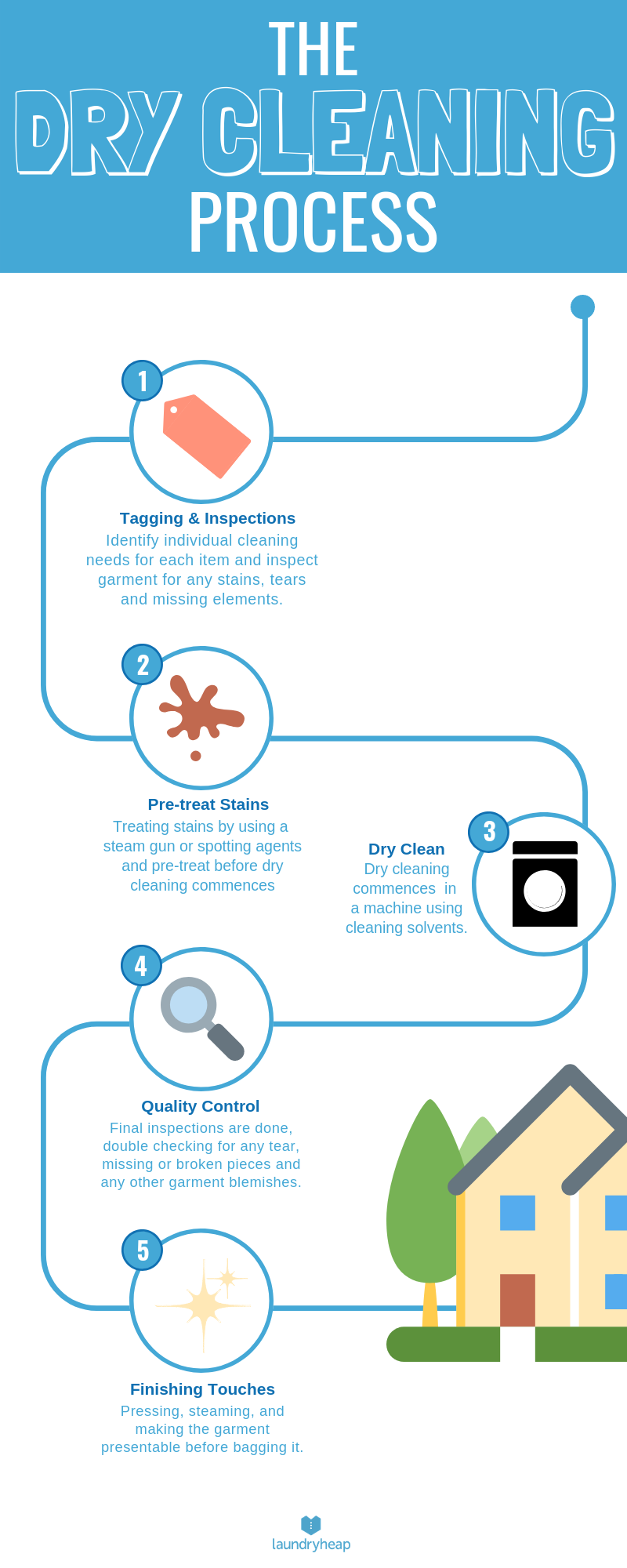
The Chemistry of Solvents: The Molecular Foundation of Textile Care
At the heart of the dry cleaning process lies the solvent. Unlike water, which can cause natural fibers like wool and silk to swell, distort, or shrink due to its high surface tension and polar nature, dry cleaning solvents are non-polar. This allows them to dissolve oils, fats, and greases—the primary “glues” that hold dirt to fabric—without interacting with the fiber’s physical structure.
From Perchloroethylene to Silicone-Based Alternatives
For decades, the industry standard has been Perchloroethylene (commonly known as “perc”). From a technical standpoint, perc is a heavy, non-flammable chlorinated hydrocarbon with a high solvency power (Kauri-butanol value). However, the tech trend in textile care has shifted toward safer, more advanced alternatives. Siloxane (decamethylcyclopentasiloxane), often branded as GreenEarth, represents a leap in chemical engineering. It is a silicone-based solvent that degrades into sand, water, and CO2, offering a lower surface tension that penetrates fibers more effectively than traditional chemicals while being chemically inert.
The Role of Surfactants and Chemical Adjuvants
Modern dry cleaning tech does not rely on the solvent alone. Technicians utilize complex chemical additives known as surfactants. These molecules are engineered to have a hydrophilic (water-loving) head and a lipophilic (oil-loving) tail. In a dry cleaning machine, these surfactants create “micelles” that can carry small amounts of moisture. This is a critical technical nuance: it allows the non-polar solvent to remove water-soluble stains like perspiration or sugar-based spills, which would otherwise remain untouched by the solvent alone.
The Engineering of the Closed-Loop Dry Cleaning Machine
The hardware used in professional facilities has evolved from vented systems to sophisticated “dry-to-dry” closed-loop machines. These units are marvels of mechanical engineering, designed to wash, extract, dry, and recover solvent in a single continuous cycle, ensuring zero emissions and maximum efficiency.
The Wash and Extraction Cycle: Precision Centrifugation
The process begins in a stainless steel drum, which is controlled by a variable frequency drive (VFD). The VFD allows the machine to adjust its RPM precisely based on the fabric weight and delicacy. During the wash phase, the drum rotates at a specific cadence to facilitate “mechanical action”—the physical lifting and dropping of garments that aids soil removal. Following the wash, the machine enters a high-speed extraction phase. Here, centrifugal force is used to spin the solvent out of the garments. Modern sensors monitor the “G-force” to prevent basket imbalance, a common failure point in older mechanical designs.
The Distillation and Filtration Unit: Tech-Driven Purification
One of the most impressive technical aspects of a dry cleaning machine is its internal purification system. To ensure that every garment is cleaned with “virgin-quality” solvent, the machine employs a two-stage purification process. First, the solvent passes through regenerative powder-disk filters or carbon cartridges to remove particulate matter and dyes. Second, the machine utilizes an onboard distillation still. By heating the solvent to its boiling point and then condensing the vapor back into a liquid, the machine separates the pure solvent from the non-volatile residues (oils, waxes, and greases). This distillation process is monitored by thermal sensors to ensure energy efficiency and prevent the degradation of the solvent.
Automation and AI in Contemporary Garment Management
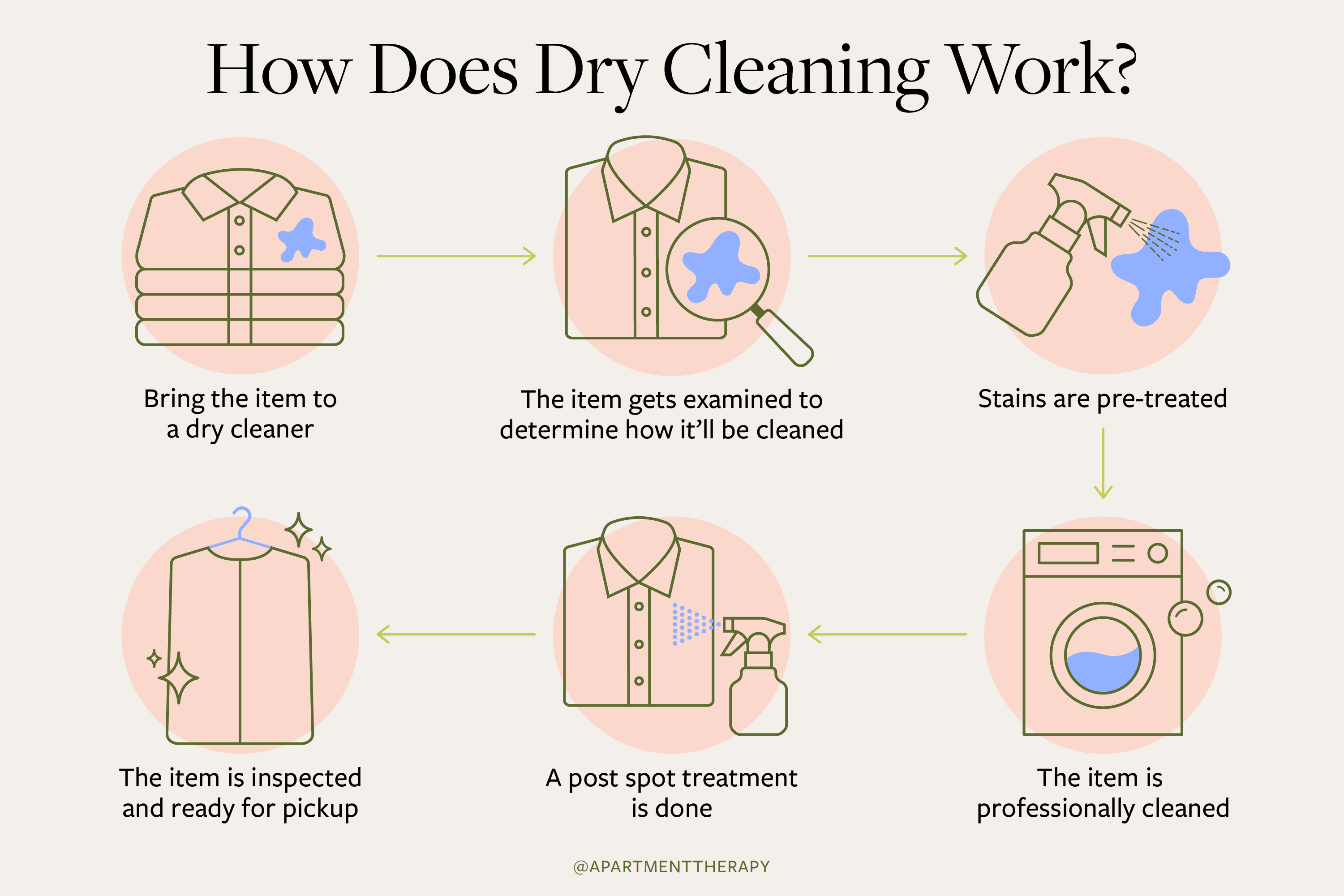
The digital transformation has reached the dry cleaning floor, replacing manual tagging with sophisticated tracking and diagnostic tools. This integration of Information Technology (IT) ensures precision in handling thousands of unique items simultaneously.
RFID Tagging and Automated Sorting Systems
The implementation of Radio Frequency Identification (RFID) and heat-resistant barcodes has revolutionized the logistics of the cleaning process. Each garment is assigned a digital twin in the facility’s database. As the garment moves from the “sorting” stage to the “cleaning” and “finishing” stages, overhead conveyors equipped with optical scanners automatically route the item to the correct station. This reduces human error and allows for real-time tracking, where customers can receive automated notifications via apps when their specific garment has cleared the final quality control checkpoint.
AI-Driven Stain Recognition and Specialized Treatment
Leading-edge facilities are now experimenting with AI-enhanced “spotting” boards. Traditionally, identifying a stain required a master technician’s intuition. Today, high-resolution cameras combined with machine learning algorithms can analyze the spectral signature of a stain to determine its composition—whether it is protein-based, tannin-based, or synthetic. This allows for the precise application of chemical reagents, such as steam-injected ultrasonic guns, which use high-frequency sound waves to vibrate stain particles out of the fabric matrix without damaging the fibers.
The Sustainable Shift: Innovations in Eco-Friendly Textile Tech
As environmental regulations tighten and consumer demand for “Green Tech” increases, the dry cleaning industry is pivoting toward high-tech, low-impact cleaning methods that move beyond traditional solvent usage.
Liquid Carbon Dioxide (LCO2) Cleaning
Perhaps the most advanced technological development in the field is Liquid Carbon Dioxide cleaning. This process involves placing garments in a specialized pressure vessel where CO2 is compressed into a liquid state. Liquid CO2 has a very low surface tension, allowing it to act as a highly efficient, non-toxic solvent. When the pressure is released at the end of the cycle, the CO2 reverts to a gas and is recaptured for reuse, leaving the clothes completely dry and free of any chemical residue. This technology eliminates the need for heat during the drying cycle, significantly extending the lifespan of delicate garments.
Professional Wet Cleaning: Tech Mimicking Dry Results
Professional Wet Cleaning is a tech-heavy alternative to dry cleaning that uses water as the primary solvent but manages it through computerized precision. Unlike home washing, these systems use specialized moisture-sensitive sensors and high-tech “conditioners” that coat the fibers before they touch water. The mechanical action is kept to a minimum—sometimes as little as six revolutions per minute—and the drying process is controlled by infrared sensors that stop the machine at the exact second the fiber reaches its natural moisture equilibrium. This prevents the “over-drying” that leads to fiber brittleness and shrinkage.
The Finishing Stage: Thermodynamics and Fabric Rejuvenation
The dry cleaning process concludes with the “finishing” stage, which utilizes specialized pneumatic and steam-based equipment to restore the garment’s original silhouette. This is not mere ironing; it is a technical reconstruction of the fabric’s drape.
Tensioning Equipment and Steam-Air Forms
Modern finishing utilizes “form finishers” or “mannequins” that use pressurized steam and hot air. A jacket, for instance, is placed on a form that expands using air pressure to match the garment’s dimensions. Steam is then injected from the inside out to relax the fibers, followed by a blast of cool air to “set” the shape. This application of thermodynamics ensures that the garment maintains its structural integrity without the harsh, flattening pressure of a traditional hand iron, which can “fossilize” fibers over time.

The Future of the Industry: IoT and Smart Maintenance
Looking forward, the dry cleaning process is becoming increasingly connected through the Internet of Things (IoT). Modern machines are equipped with diagnostic sensors that upload performance data to the cloud. Manufacturers can remotely monitor solvent levels, pump pressures, and temperature fluctuations to predict mechanical failures before they occur. This transition toward predictive maintenance ensures that the chemical and mechanical parameters of the dry cleaning process remain within the tight tolerances required for high-end garment care.
In conclusion, the dry clean process is a sophisticated symphony of chemical science and mechanical engineering. From the molecular manipulation of non-polar solvents to the AI-driven logistics of garment tracking, the industry has evolved into a high-tech sector dedicated to the preservation of complex textiles. As we move toward more sustainable technologies like LCO2 and sensor-driven wet cleaning, the “dry” cleaning process continues to redefine how we apply technology to the everyday necessity of clothing maintenance.
aViewFromTheCave is a participant in the Amazon Services LLC Associates Program, an affiliate advertising program designed to provide a means for sites to earn advertising fees by advertising and linking to Amazon.com. Amazon, the Amazon logo, AmazonSupply, and the AmazonSupply logo are trademarks of Amazon.com, Inc. or its affiliates. As an Amazon Associate we earn affiliate commissions from qualifying purchases.