
The concept of a “suburb” has evolved far beyond the mid-century stereotype of white picket fences and manicured lawns. For the modern investor, the suburb represents a specific asset class—a geographic and economic buffer between the high-density volatility of the urban core and the low-liquidity expansiveness of rural land. Understanding what a suburb is, and more importantly, how it functions as a financial engine, is essential for anyone looking to build a resilient real estate portfolio or optimize their personal finance strategy.
In economic terms, a suburb is a residential district located on the periphery of a city. However, from a wealth-management perspective, it is a hub of predictable appreciation, tax advantages, and consumer demand. This article explores the financial anatomy of the suburb and why it remains the bedrock of long-term capital growth.
The Economic Definition of a Suburb: More Than Just a Location
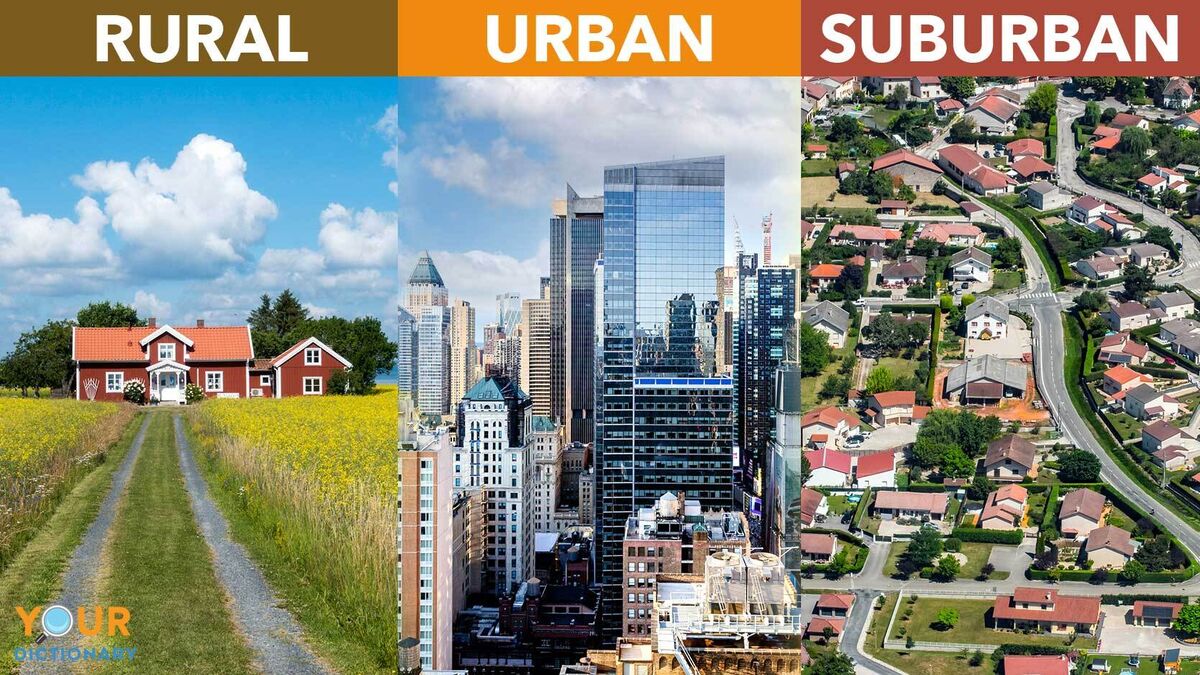
To define a suburb within the context of finance, we must look at land use and density. Unlike urban centers, where value is often tied to commercial verticality and high-frequency foot traffic, suburban value is tied to land ownership and residential stability.
The Core Characteristics of Suburban Real Estate
From an investment standpoint, suburban areas are characterized by lower population density compared to the city but higher infrastructure development than rural areas. This “sweet spot” provides a unique risk-to-reward ratio. Investors typically see suburbs as “low-beta” assets—they may not experience the explosive, speculative surges of a trendy downtown loft district, but they are significantly more resilient during market downturns. The presence of single-family homes (SFHs) provides a tangible asset that appeals to the largest demographic of buyers: families. This creates a “floor” for property values that urban condos often lack.
The Shift from Urban Centers to Commuter Hubs
Historically, the suburb was defined by its proximity to a metropolitan employment hub. Economically, this created a symbiotic relationship: the city provided the income, and the suburb provided the equity. In the modern era, this definition has expanded. We are now seeing the rise of “edge cities”—suburbs that have developed their own commercial tax bases. For a personal finance strategist, identifying a suburb that is transitioning from a mere “bedroom community” to a self-sustaining economic hub is the key to capturing significant capital appreciation before the broader market catches on.
The Financial Case for Suburban Investment
When we ask “what’s a suburb,” we are effectively asking where the most reliable residential ROI (Return on Investment) can be found. For decades, the suburbs have outperformed other geographic tiers in terms of steady, inflation-adjusted growth.
Equity Growth and Long-Term Value
The primary driver of suburban wealth is home equity. Because suburban properties are usually situated on larger plots of land than urban dwellings, the “land-to-structure” value ratio is often more favorable. In the world of real estate finance, buildings depreciate, but land appreciates. By owning a suburban asset, you are holding a larger share of the underlying land. Over a 20-to-30-year horizon, this land appreciation is what drives the compounding wealth that forms the basis of many retirement portfolios. Furthermore, the suburban market is less sensitive to the “flighty” capital of young, transient renters, leaning instead toward long-term owners who are incentivized to maintain and improve the community’s value.
Tax Implications and Cost of Living Advantages
From a cash-flow perspective, suburbs often offer a more favorable tax environment than the “city proper.” While property taxes vary wildly by jurisdiction, suburban areas frequently offer a better “service-to-tax” ratio. For an investor or a homeowner, the lower cost of living—ranging from cheaper insurance premiums to lower sales taxes—increases the “disposable income” component of their financial plan. This extra liquidity can then be redirected into other investment vehicles, such as brokerage accounts or high-yield savings, creating a multi-layered approach to wealth accumulation that is difficult to achieve in an expensive urban environment.

Analyzing Market Trends: The “Exurb” and the “15-Minute Suburb”
The definition of the suburb is currently undergoing a radical transformation driven by shifts in how we work and spend money. These trends are creating new “micro-markets” that savvy investors are watching closely.
The Impact of Remote Work on Property Values
The “Zoom Town” phenomenon has redefined the geographic boundaries of the suburb. As remote work becomes a permanent fixture of the corporate world, the traditional “commuter” definition is fading. Suburbs that were once considered “too far” from the city—often called exurbs—are seeing a massive influx of capital. This migration of wealth from high-tax, high-density cities to lower-density peripheral areas has led to unprecedented price growth in outer-ring suburbs. For the investor, the “new suburb” is no longer defined by miles from the city center, but by high-speed internet infrastructure and lifestyle amenities.
New Development vs. Established Neighborhoods
When choosing where to deploy capital, one must distinguish between “mature suburbs” and “growth suburbs.”
- Mature Suburbs: These are established areas with little room for new construction. The investment play here is “value-add”—buying older homes, renovating them, and tapping into the high demand for a specific school district.
- Growth Suburbs: These are areas where developers are actively converting farmland into residential tracts. The play here is “speculative growth.” While riskier due to the potential for oversupply, the entry price is lower, offering a higher ceiling for percentage-based gains. Understanding the local government’s zoning laws and “Master Plan” is essential for timing these investments correctly.
Risk Management in Suburban Real Estate
No investment is without risk. While the suburb is generally a safe haven for capital, there are specific financial pitfalls that can erode wealth if not properly managed.
Demographic Volatility and Infrastructure Development
A suburb is only as strong as its infrastructure. A neighborhood that lacks investment in roads, schools, and utilities will eventually see a decline in property values. This is known as “suburban blight,” and it occurs when the cost of maintaining aging infrastructure exceeds the tax revenue generated by the residents. Before investing in a suburban area, it is vital to analyze the “municipal balance sheet.” Does the local government have a high debt-to-revenue ratio? Are they prepared for the maintenance costs of the next twenty years? A suburb with a failing school district or crumbling roads is a liability, not an asset.
Diversification Strategies for Investors
For those looking to generate “Online Income” or “Side Hustles” through real estate, the suburb offers the best environment for the “Short-Term Rental” (STR) vs. “Long-Term Rental” (LTR) debate. While urban areas often have strict regulations against platforms like Airbnb, many suburbs are more lenient, or conversely, offer a more stable market for long-term corporate housing. A diversified suburban strategy might involve owning a primary residence in an appreciating “growth suburb” while holding a multi-family rental property in a “mature suburb.” This balances aggressive equity growth with steady, predictable cash flow.

Conclusion: The Suburb as a Financial Foundation
So, what is a suburb? In the world of money and finance, it is a strategic compromise between the volatility of the city and the stagnation of the remote countryside. It is an asset class that prioritizes land value, family-driven demand, and long-term stability.
For the individual looking to build a legacy of wealth, the suburb offers a clear path. It provides the opportunity for leveraged appreciation through mortgages, a hedge against inflation through rising property values, and a lifestyle that facilitates higher savings rates. Whether you are a first-time homebuyer looking to escape the “rent trap” or a seasoned investor seeking to diversify a portfolio, the suburb remains one of the most powerful tools in the modern financial toolkit. By understanding the underlying economic drivers of these areas—from tax structures to demographic shifts—you can transform a simple geographic location into a sophisticated engine for personal financial freedom.
aViewFromTheCave is a participant in the Amazon Services LLC Associates Program, an affiliate advertising program designed to provide a means for sites to earn advertising fees by advertising and linking to Amazon.com. Amazon, the Amazon logo, AmazonSupply, and the AmazonSupply logo are trademarks of Amazon.com, Inc. or its affiliates. As an Amazon Associate we earn affiliate commissions from qualifying purchases.