
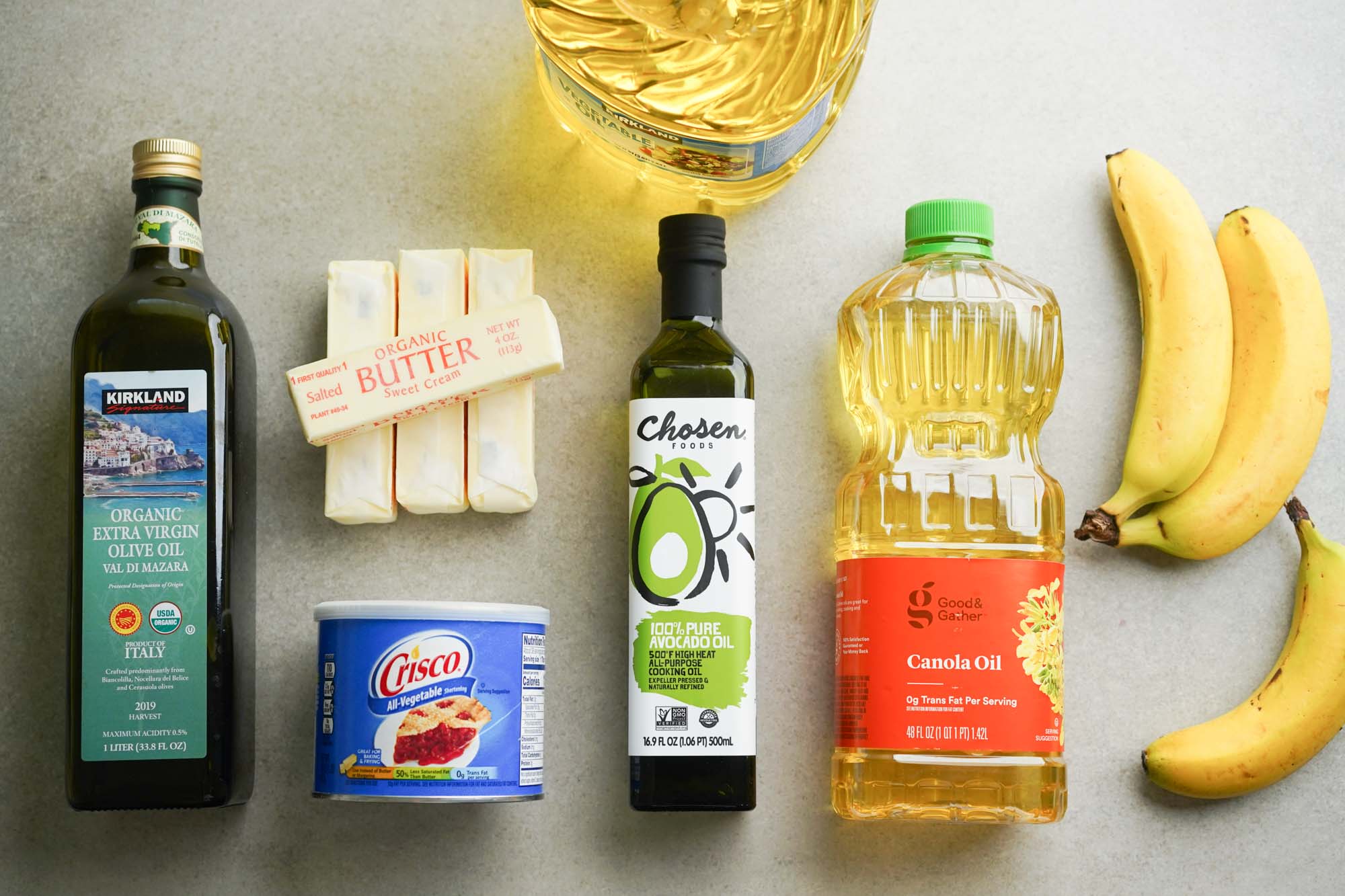
For many, vegetable oil has long been the “default” choice for cooking, frying, and baking. It is inexpensive, shelf-stable, and boasts a neutral flavor profile. However, as more consumers prioritize health, sustainability, and ethical sourcing, the conversation surrounding kitchen staples is shifting. If you are looking to replace vegetable oil, you are not just looking for a liquid fat; you are looking for an investment in your kitchen’s nutritional profile and culinary performance.
The primary issue with many mass-produced “vegetable oils”—typically highly refined blends of soybean, corn, or canola—is the processing method. These oils are often extracted using chemical solvents like hexane and subjected to high-heat deodorization, which can oxidize the fats before they even hit your pan. By choosing alternatives, you are diversifying your fat intake and ensuring that your cooking methods align with your long-term health goals.
The Science of Smoke Points and Stability
Before selecting a replacement, you must understand how fats behave under heat. Every oil has a “smoke point”—the temperature at which the oil begins to break down, release free radicals, and impart a burnt flavor to your food. Using a delicate, unrefined oil in a high-heat wok is a waste of money and potentially harmful to the integrity of the dish.
Understanding Refinement Levels
Refined oils have had impurities and some natural compounds removed, which gives them a higher smoke point and a neutral flavor. Unrefined or “virgin” oils are cold-pressed, retaining more nutrients, antioxidants, and the distinct flavor of their source (e.g., olive, avocado, or sesame).
Matching the Fat to the Method
For high-heat searing, you need stable saturated or monounsaturated fats. For dressings or low-heat sautéing, you have the luxury of choosing oils with richer flavor profiles and higher levels of volatile nutrients. Matching your fat to the technique is the hallmark of a skilled cook.
Top Performers for High-Heat Cooking
When your pan is screaming hot, your priority should be heat stability. You want fats that are resistant to oxidation. The following options provide the best utility for frying, roasting, and searing.
Avocado Oil: The Gold Standard
Avocado oil is widely considered the best all-around replacement for vegetable oil. It has a remarkably high smoke point (approximately 500°F/260°C) and a very mild, buttery flavor that does not overwhelm your ingredients. Because it is high in monounsaturated fats—specifically oleic acid—it remains stable even at high temperatures.
From a culinary standpoint, it mimics the versatility of vegetable oil perfectly. You can use it in high-heat stir-fries, for roasting vegetables, or even in homemade mayonnaise where a neutral taste is required. While it is more expensive per ounce than soybean oil, its health profile makes it a worthwhile investment for the home chef.
Refined Coconut Oil
For those who prefer a solid fat, refined coconut oil is an excellent choice. Unlike virgin coconut oil, which carries a strong tropical aroma, the refined version is neutral and can handle heat quite well. Because it is highly saturated, it is incredibly stable and less prone to oxidation during cooking. It is particularly effective for deep-frying or for baking applications where you need a fat that provides structure at room temperature.
Ghee and Clarified Butter
Ghee is essentially butter that has been simmered to remove the water and milk solids. By removing the milk solids, you eliminate the components that burn easily, leaving you with a fat that has a high smoke point (around 485°F/250°C) and a rich, nutty flavor. Ghee is an ancient staple in many cultures for a reason: it is shelf-stable, nutrient-dense, and imparts a luxurious mouthfeel to everything from sautéed greens to seared steaks.
Flavor-Forward Alternatives for Low-Heat and Finishing
When you aren’t fighting to prevent food from burning, you have the opportunity to use oils that add complexity to your dishes. These oils should rarely be used for high-heat cooking, as their delicate chemical structures break down too quickly, but they shine when added at the end of the cooking process.
Extra Virgin Olive Oil (EVOO)
There is a common misconception that olive oil cannot be heated. While it is true that you shouldn’t use it for high-heat industrial deep-frying, high-quality extra virgin olive oil is perfectly fine for sautéing and roasting at moderate temperatures. Its real value, however, lies in its polyphenol content—the antioxidants that provide its signature peppery bite.
Use EVOO as a finishing oil for roasted vegetables, soups, or salads. It is a cornerstone of the Mediterranean diet and provides a depth of flavor that a generic vegetable oil simply cannot replicate.
Toasted Sesame Oil
A little goes a long way with toasted sesame oil. With an incredibly low smoke point, it should never be used as a primary cooking fat. Instead, treat it as a seasoning. A teaspoon drizzled over a finished stir-fry or added to a vinaigrette provides a deep, roasted aroma that defines many East Asian dishes. It is a classic example of using fat as a flavor vehicle rather than just a heat-transfer medium.
Nut Oils: Walnut and Macadamia
Walnut oil, when cold-pressed, is an exquisite finishing oil. It has a delicate, nutty profile that pairs beautifully with autumnal salads, roasted squash, or even drizzled over soft cheeses. Because it is high in omega-3 fatty acids, it is heat-sensitive and should be kept in the refrigerator to prevent rancidity. These oils are meant to be showcased, not hidden in a hot pan.
Strategic Substitutions in Baking
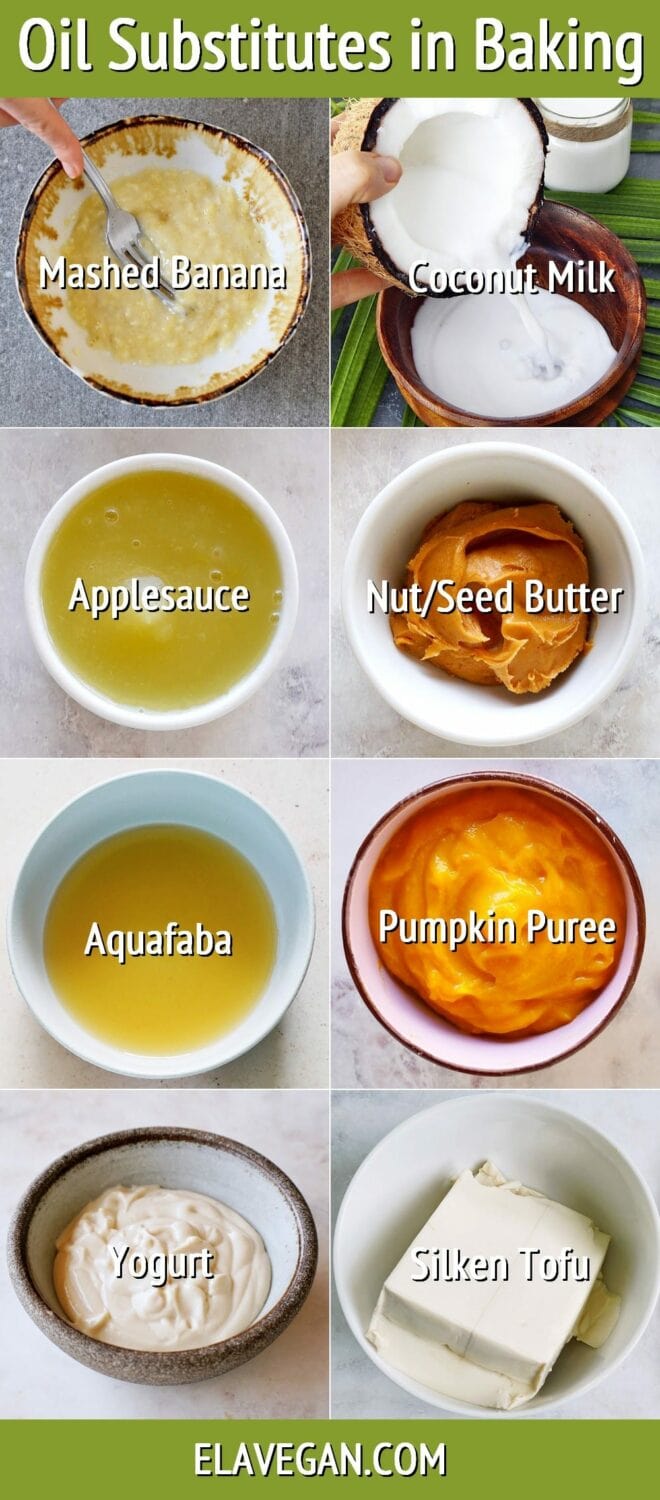
Baking is chemistry. When a recipe calls for vegetable oil, it is often looking for a specific moisture content and a crumb structure that remains soft at room temperature. Replacing oil in baking requires a bit of understanding regarding the fat’s physical state.
Applesauce and Purees
If you are looking to reduce the total fat content in a recipe, unsweetened applesauce is a popular substitute for up to half of the oil in muffin or quick-bread recipes. It provides moisture, but it lacks the richness of fat, so expect a slightly denser final product.
Greek Yogurt
Greek yogurt is an excellent substitute for oil in many baking recipes. It adds protein and tang, resulting in a moist, tender crumb. It works particularly well in cakes and brownies where a dense, rich texture is desirable.
Melted Butter or Cultured Fats
If a recipe calls for vegetable oil and you want to elevate the flavor, melted butter is the most straightforward replacement. Keep in mind that butter contains water and milk solids, so your cake may be slightly softer or browner than if you had used a pure liquid oil. This is usually a desired outcome, as it adds depth and a “homemade” flavor profile that neutral oils lack.
Conclusion: Investing in Your Kitchen Staples
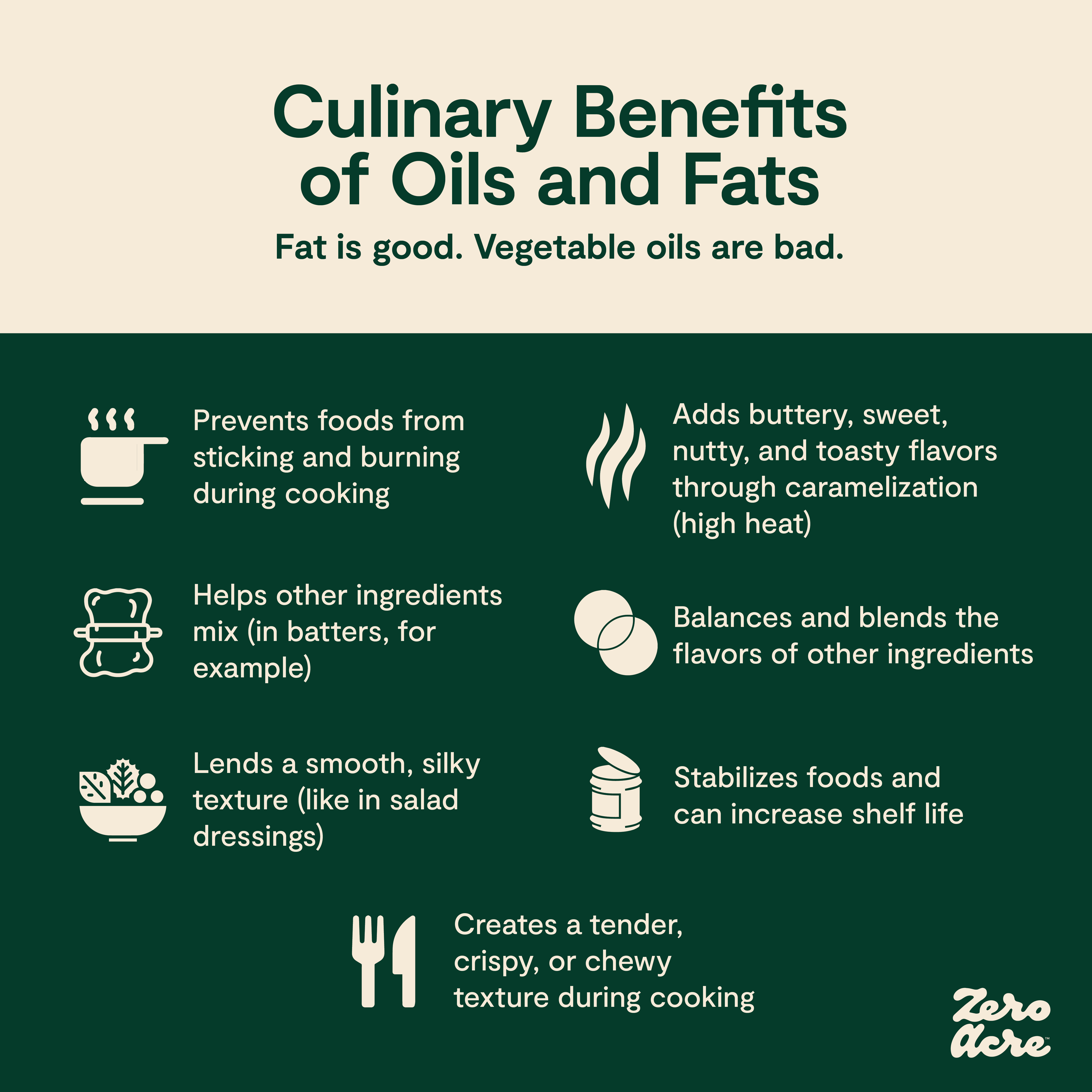
Replacing vegetable oil is about more than just changing a bottle in your pantry; it is about upgrading the quality of your ingredients. By choosing fats like avocado oil for high-heat applications, Ghee for its richness, and cold-pressed oils for their nutrient density and flavor, you are making a conscious decision to improve your health and the taste of your meals.
The best approach is to maintain a “fat portfolio.” Keep a bottle of avocado oil for the heavy lifting, a high-quality extra virgin olive oil for daily sautéing and dressings, and perhaps a specialty oil like toasted sesame for those moments when you need to add a signature flair. While the upfront cost of these alternatives may be higher than a generic bottle of vegetable oil, the return on investment—in both health outcomes and culinary satisfaction—is profound. Your kitchen is the heart of your home; feed it with the best materials available.
aViewFromTheCave is a participant in the Amazon Services LLC Associates Program, an affiliate advertising program designed to provide a means for sites to earn advertising fees by advertising and linking to Amazon.com. Amazon, the Amazon logo, AmazonSupply, and the AmazonSupply logo are trademarks of Amazon.com, Inc. or its affiliates. As an Amazon Associate we earn affiliate commissions from qualifying purchases.