
For centuries, understanding the intricacies of the menstrual cycle was a deeply personal, often intuitive, and frequently imprecise endeavor. Women relied on anecdotal evidence, traditional calendars, and their own body’s subtle cues to gauge regularity. The concept of “regular” itself was often a broad, generalized average, rarely tailored to the individual’s unique physiological rhythm. Today, however, the landscape has been revolutionized. Technology, from sophisticated apps to advanced wearables and AI-driven analytics, has transformed our ability to define, track, and ultimately understand what constitutes a “regular menstrual cycle” for each person.
This isn’t merely about predicting the next period; it’s about unlocking a deeper understanding of hormonal health, fertility windows, and early indicators of potential health issues. The question “what’s a regular menstrual cycle?” is no longer answered by a simple textbook definition but by a personalized data narrative, crafted by cutting-edge technology. In this article, we delve into how technology empowers individuals to gain unprecedented insight into their bodies, moving from generalized norms to precise, data-driven self-awareness, all while navigating the crucial considerations of privacy and security in this sensitive domain.
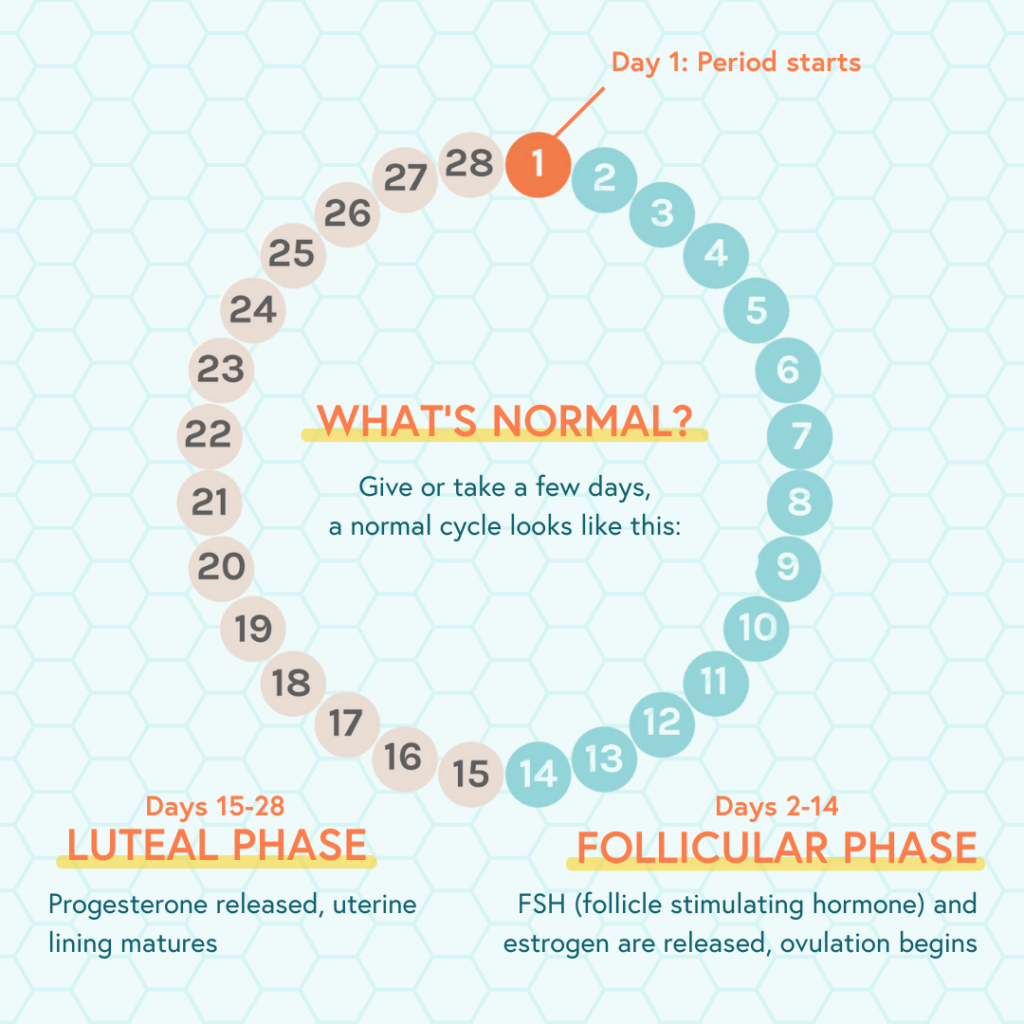
The Digital Evolution of Cycle Tracking: From Manual Logs to AI Insights
The journey to understanding menstrual regularity through technology has been a rapid and transformative one. What began as simple digital approximations has evolved into highly sophisticated, personalized health dashboards.
Early Digital Tools and Their Limitations
The first wave of digital cycle tracking tools were essentially electronic versions of paper calendars. Mobile apps emerged, allowing users to manually log their period start and end dates. These applications offered basic functionalities: a countdown to the next predicted period, a historical view of past cycles, and sometimes the ability to log simple symptoms like cramps or mood swings. Their primary value lay in convenience and discrete digital record-keeping.
However, these early tools had significant limitations. Predictions were often based on generalized averages (e.g., a 28-day cycle with ovulation on day 14), which rarely reflected the individual variability inherent in human physiology. They relied heavily on user consistency for manual data entry and lacked the ability to infer insights beyond the direct input. While helpful for basic planning, they offered little in the way of deep physiological understanding or personalized health insights. They could tell you when your period might arrive, but not much about why it was regular or irregular, or what “regular” truly meant for you.
The Rise of Smart Devices and Wearables
A pivotal shift occurred with the integration of cycle tracking into smart devices and wearables. The proliferation of fitness trackers, smartwatches, and specialized health gadgets brought a wealth of continuous, passive data collection to the forefront. These devices monitor a myriad of physiological markers that indirectly or directly correlate with menstrual cycle phases:
- Basal Body Temperature (BBT): Specialized thermometers or wearables that track subtle temperature shifts can pinpoint ovulation more accurately than calendar methods, as BBT typically rises after ovulation.
- Heart Rate Variability (HRV): Changes in HRV, a measure of the variation in time between heartbeats, can reflect hormonal fluctuations and stress levels, which are intimately linked to the menstrual cycle.
- Sleep Patterns: Sleep quality and duration can be affected by hormonal shifts throughout the cycle, and wearables can track these changes, offering additional data points.
- Activity Levels: Energy levels often fluctuate with cycle phases, and activity trackers can quantify these changes, adding another layer to the overall picture.
By combining direct user input (like period start dates) with this rich, continuous stream of biometric data, these smart devices provide a far more comprehensive and accurate picture of an individual’s cycle. They move beyond simple prediction to offer a more nuanced understanding of the physiological processes underlying each cycle.
AI and Machine Learning: Personalizing “Regular”
The true game-changer in defining a “regular menstrual cycle” has been the advent of Artificial Intelligence (AI) and Machine Learning (ML). These advanced algorithms are capable of processing vast amounts of data—both from individual users and aggregated, anonymized datasets—to identify patterns that are impossible for humans to discern manually.
AI-powered cycle tracking apps don’t just calculate averages; they learn your unique patterns. They can:
- Identify Individual Baselines: Instead of a generic 28-day cycle, AI can determine your personal average cycle length, ovulation day, and luteal phase length, adjusting predictions as more data is gathered.
- Flag Anomalies: By continuously learning what’s “normal” for you, AI can detect subtle deviations that might indicate an irregular cycle, a potential anovulatory cycle, or other health concerns. For instance, a consistently shorter luteal phase or unusual temperature fluctuations might be flagged for attention.
- Predict with Greater Accuracy: AI models can account for external factors like stress, travel, or changes in diet and exercise, refining predictions and providing more accurate windows for ovulation and menstruation.
- Correlate Symptoms: Beyond just logging symptoms, AI can identify correlations between specific symptoms (e.g., headaches, fatigue, breast tenderness) and particular phases of your cycle, offering insights into premenstrual syndrome (PMS) or premenstrual dysphoric disorder (PMDD) patterns.
This level of personalization is crucial because “regular” is not a universal constant. What’s regular for one person might be considered irregular for another. AI tailors the definition of regularity to the individual, providing a truly personalized health metric.
Beyond Prediction: Understanding Hormonal Health Through Tech
The utility of cycle tracking technology extends far beyond simply predicting the next period. It has become an invaluable tool for gaining deeper insights into overall hormonal health, facilitating better communication with healthcare providers, and even aiding in family planning.
Data-Driven Symptom Logging and Correlation
One of the most powerful features of modern cycle tracking apps is the ability to log a wide array of symptoms—from mood swings and energy levels to skin changes, digestive issues, and pain. While manual logging is useful, AI takes it a step further by identifying patterns and correlations.
For example, an AI algorithm might reveal that a user consistently experiences migraines during their luteal phase or that their anxiety peaks right before menstruation. These data-driven correlations provide invaluable insights into how hormonal fluctuations impact an individual’s overall well-being. This information can be empowering, helping individuals anticipate symptoms and adopt coping strategies. It also provides concrete, objective data to discuss with healthcare providers, leading to more targeted diagnostics and treatment plans for conditions like endometriosis, PCOS, or PMDD. The subjective experience of symptoms becomes an objective data point, enhancing clinical understanding.
Integrating Biomarkers and Advanced Sensors
The future of understanding hormonal health through technology is increasingly focused on integrating direct biomarker measurement. While wearables currently infer hormonal changes from proxies like BBT or HRV, emerging technologies aim to provide more direct insights:
- Continuous Glucose Monitors (CGMs): Although primarily for diabetes management, research is exploring how CGMs might offer insights into metabolic shifts during the menstrual cycle, which are influenced by hormones.
- Hormone Monitoring Devices: New portable devices are being developed to measure hormone levels (e.g., estrogen, progesterone, LH, FSH) directly from saliva, urine, or even interstitial fluid, offering real-time insights into hormonal shifts without requiring lab tests. These could revolutionize fertility tracking and the early detection of hormonal imbalances.
- Smart Rings and Patches: These discreet wearables are becoming more sophisticated, capable of tracking not just temperature and heart rate but potentially even skin galvanic response or subtle biochemical markers that could reflect hormonal activity.
These advanced integrations promise to paint an even more precise picture of an individual’s hormonal landscape, moving beyond predictions based on external symptoms to direct biochemical validation. This level of detail will redefine what “regular” means by showing how internal chemistry orchestrates the external cycle.
Telehealth and Remote Monitoring
The data meticulously collected by cycle tracking apps and smart devices forms a rich substrate for telehealth and remote monitoring. Users can easily generate reports or share anonymized data trends with their gynecologists or other healthcare providers.
This capability transforms doctor-patient consultations. Instead of relying on a patient’s potentially faulty memory or vague descriptions (“my periods are usually around 30 days, I think?”), clinicians gain access to weeks or months of precise, objective data. This allows for:
- More Informed Diagnoses: Patterns of irregularity, ovulation issues, or symptom severity become evident, aiding in the diagnosis of conditions like PCOS, thyroid disorders, or perimenopause.
- Personalized Treatment Plans: Treatment efficacy can be monitored and adjusted based on the objective data showing how the cycle is responding.
- Proactive Care: Early detection of consistent irregularities can prompt earlier intervention, potentially preventing more significant health complications.
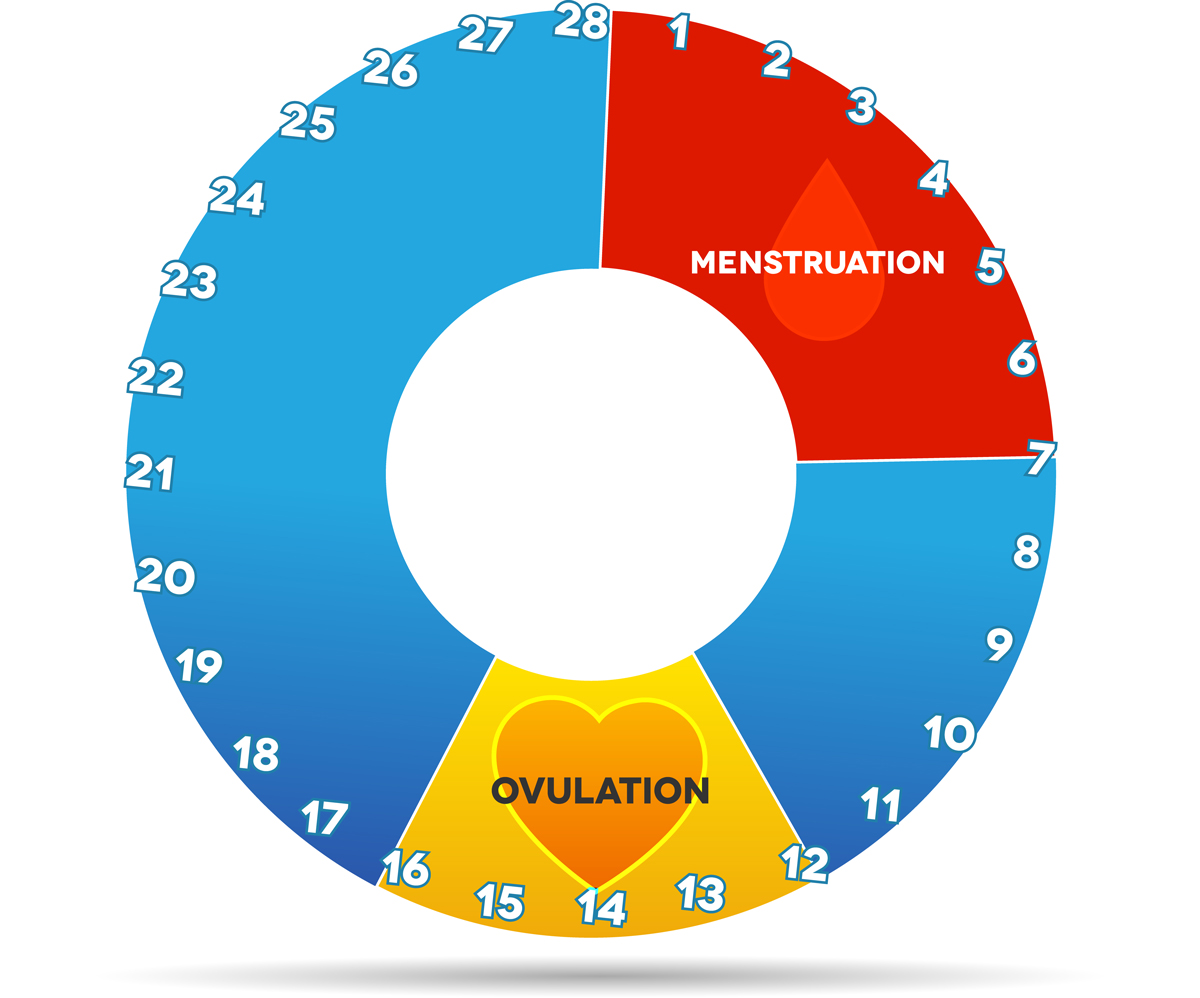
In essence, technology is bridging the gap between daily self-monitoring and professional medical care, creating a continuous feedback loop that enhances patient empowerment and clinical effectiveness.
The Critical Role of Digital Security and Data Privacy in Health Tracking
The immense benefits of technology in understanding menstrual health come with a significant caveat: the incredibly sensitive nature of the data collected. Information about a person’s menstrual cycle, fertility, and reproductive health is among the most private data points an individual possesses. Therefore, robust digital security and stringent data privacy practices are not merely features but fundamental requirements for any trustworthy cycle tracking technology.
Safeguarding Sensitive Health Data
Cycle tracking apps accumulate a wealth of personal health information, including period dates, ovulation predictions, symptoms (mood, pain, sexual activity), and sometimes even location data or biometric inputs from integrated wearables. The potential misuse or breach of this data carries severe risks, ranging from discrimination in employment or insurance to targeted advertising, or even legal implications in certain political climates.
Therefore, reputable tech solutions must prioritize:
- End-to-End Encryption: All data, both in transit and at rest, should be encrypted using industry-standard protocols to prevent unauthorized access.
- Data Anonymization and Aggregation: For research or aggregated insights, individual data should be de-identified and anonymized so that it cannot be linked back to a specific person.
- Regular Security Audits: Apps and platforms should undergo frequent security audits and penetration testing to identify and patch vulnerabilities.
- Secure Infrastructure: Storing data on secure servers that comply with health data protection regulations (like HIPAA in the US or GDPR in Europe) is paramount.
Users must be assured that their most intimate health details are protected with the highest level of digital security.
User Control and Data Portability
Beyond security, empowering users with control over their data is a non-negotiable aspect of privacy. This includes:
- Clear and Transparent Privacy Policies: Policies should be written in plain language, outlining exactly what data is collected, how it’s used, who it’s shared with (if anyone), and for what purposes. Ambiguous or overly broad clauses erode trust.
- Opt-In Consent: Users should explicitly consent to data collection and sharing, with granular controls allowing them to choose which types of data they are comfortable sharing and for which purposes.
- Data Access and Deletion Rights: Users must have the right to access all the data an app has collected on them and the right to request its complete deletion at any time.
- Data Portability: The ability to easily export one’s data in a standard, machine-readable format allows users to switch apps, share with healthcare providers, or maintain their own copies, fostering true ownership of their health information.
Without these measures, the very tools designed to empower individuals with health insights could inadvertently put their privacy at risk. Trust is built on transparency and control.
Ethical Considerations in AI-Driven Health Insights
As AI plays an increasingly central role, ethical considerations become even more complex:
- Algorithmic Bias: AI models are only as unbiased as the data they are trained on. If historical data primarily represents one demographic, the AI might not accurately predict or interpret cycles for other groups (e.g., different ethnicities, body types, or health conditions). Developers must actively work to ensure diverse and representative datasets.
- Responsible Use of Aggregated Data: While aggregated, anonymized data can be invaluable for public health research, there must be strict guidelines to prevent its use for discriminatory or exploitative purposes, even if individual identities are protected.
- Over-reliance and Misinterpretation: Users might over-rely on AI predictions without understanding the nuances or limitations. Apps must present insights clearly, differentiate between predictions and actual measurements, and encourage users to consult healthcare professionals for medical advice.
The ethical framework guiding the development and deployment of these technologies is as important as the technological innovation itself, ensuring that personal health insights truly serve the user’s well-being.
Future Innovations: The Next Frontier in Reproductive Health Tech
The rapid advancements in health technology suggest that the ways we understand and manage our menstrual cycles will continue to evolve dramatically. The future promises even more sophisticated, integrated, and personalized approaches.
Predictive Analytics for Fertility and Menopause
AI’s capacity for predictive analytics is only just beginning to be fully leveraged. In the near future, we can expect:
- Hyper-Personalized Fertility Windows: Beyond simply predicting ovulation, AI will likely integrate an even broader array of physiological data (e.g., cervical mucus patterns, ovulation test results, hormone levels from at-home kits) to provide highly precise and personalized fertility windows, distinguishing between high and low fertility days with greater accuracy. This will be invaluable for both conception and contraception planning.
- Proactive Menopause Management: AI could predict the onset of perimenopause and menopause years in advance by analyzing subtle shifts in cycle regularity, symptom profiles, and hormonal trends. This early warning system could allow individuals and their healthcare providers to proactively manage symptoms, discuss hormone replacement therapy options, and prepare for this significant life transition.
- Risk Assessment for Reproductive Health Issues: AI may become adept at identifying subtle patterns that indicate an increased risk for conditions like endometriosis, PCOS, or fibroids, prompting earlier diagnostic testing and intervention.
These advancements will transform reactive healthcare into proactive health management, empowering individuals with foresight into their reproductive journey.
Personalized Interventions and Gamification
Future cycle tracking technology will move beyond mere tracking and prediction to offer truly personalized interventions and engaging user experiences:
- Tailored Advice and Nudges: Based on an individual’s unique cycle patterns and symptoms, apps could provide personalized recommendations for diet, exercise, stress management techniques, or even mindfulness practices to optimize well-being during different cycle phases. For instance, recommending specific nutrient-rich foods during the luteal phase to help manage PMS.
- Gamification for Engagement: Integrating game-like elements could enhance user engagement and adherence to logging. Challenges, rewards for consistent tracking, or personalized insights presented in an interactive format could make health management more enjoyable and sustainable.
- Integration with Wellness Ecosystems: Seamless connection with fitness apps, nutrition trackers, mental health platforms, and smart home devices could create a holistic wellness ecosystem, where cycle data informs broader lifestyle recommendations.
The goal is to provide not just data, but actionable insights and tools that empower individuals to actively optimize their health in synergy with their natural rhythms.
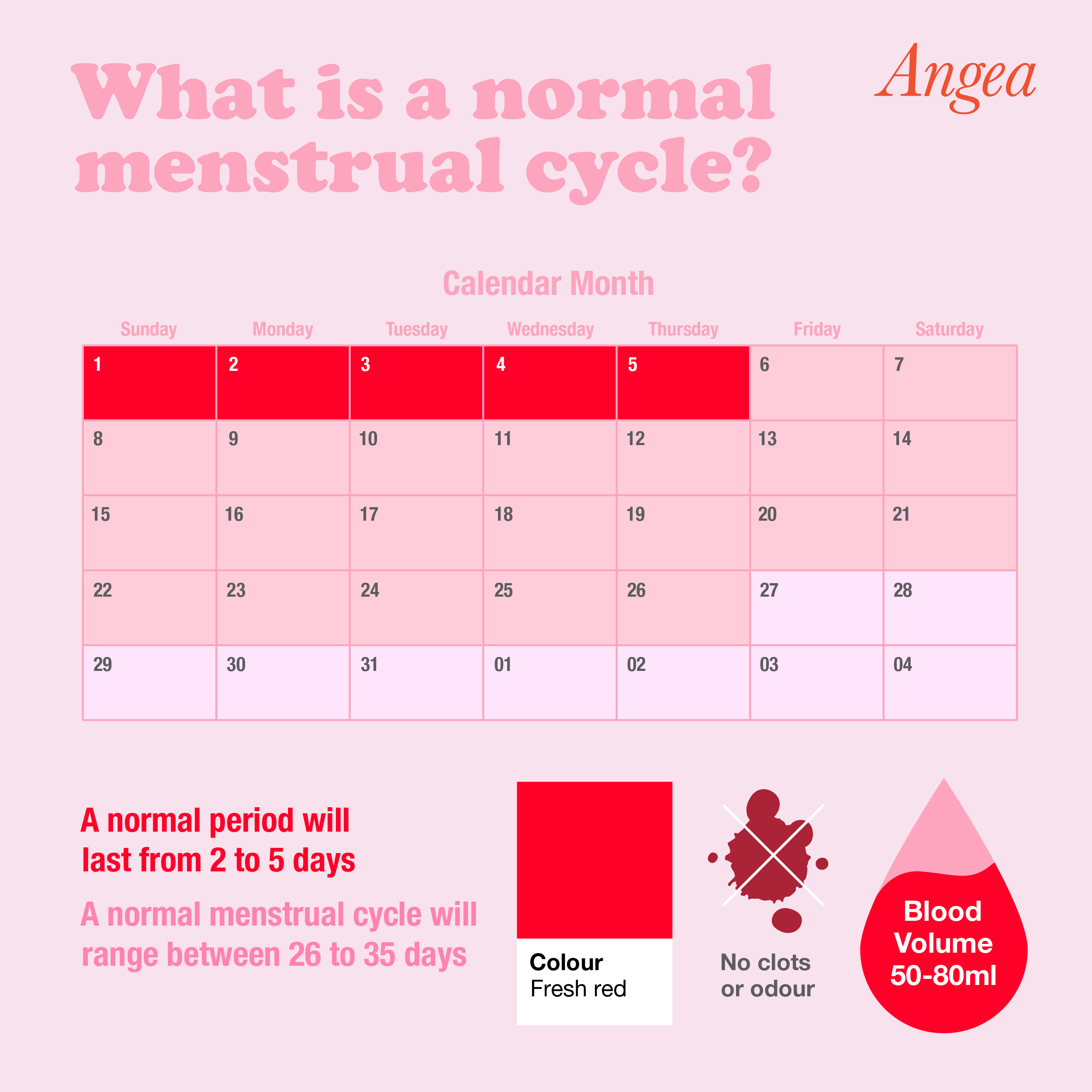
Seamless Integration with Broader Digital Health Ecosystems
The ultimate vision for reproductive health tech lies in its seamless integration into a broader digital health ecosystem. This means:
- Interoperability with Electronic Health Records (EHRs): Cycle data, with user consent, could be automatically and securely integrated into personal EHRs, providing healthcare providers with a comprehensive and up-to-date view of a patient’s reproductive health history.
- Diagnostic Tool Integration: Future wearables or home diagnostic kits could link directly to cycle tracking apps, allowing for the automatic upload and interpretation of results from ovulation tests, pregnancy tests, or even at-home hormone panels.
- AI-Driven Referrals: Based on identified patterns or anomalies, AI could suggest when a user should consult a specific specialist (e.g., an endocrinologist, fertility specialist, or nutritionist), potentially facilitating earlier diagnosis and treatment.
This interconnected future will create a more efficient, informed, and truly personalized healthcare experience, where “what’s a regular menstrual cycle” is understood not in isolation, but as a vital component of one’s overall health narrative, constantly evolving and supported by a sophisticated network of digital tools.
In conclusion, technology has fundamentally redefined our understanding of a “regular menstrual cycle.” It has transformed it from a generic, often misunderstood biological event into a personalized, data-rich insight into individual health. From simple digital logs to AI-powered predictive models and integrated wearables, these innovations empower individuals with unprecedented control and knowledge over their bodies. As we look ahead, the continuous evolution of health tech promises even more profound insights, personalized interventions, and seamless integration into a holistic digital health ecosystem, all while demanding an unwavering commitment to data security and ethical responsibility. The answer to “what’s a regular menstrual cycle?” is now a dynamic, data-driven story unique to each individual, continuously being written and interpreted by the powerful tools of the digital age.
aViewFromTheCave is a participant in the Amazon Services LLC Associates Program, an affiliate advertising program designed to provide a means for sites to earn advertising fees by advertising and linking to Amazon.com. Amazon, the Amazon logo, AmazonSupply, and the AmazonSupply logo are trademarks of Amazon.com, Inc. or its affiliates. As an Amazon Associate we earn affiliate commissions from qualifying purchases.