
In the traditional sense, when someone asks, “What is a neurosurgeon?” the answer usually involves a highly trained medical professional who performs complex surgeries on the brain, spine, and peripheral nerves. However, in the modern era, this definition is undergoing a radical transformation. Today’s neurosurgeon is increasingly becoming a high-tech pilot, navigating the most complex organ in the known universe using an array of sophisticated digital tools, artificial intelligence, and robotic systems.
The intersection of neuroscience and technology has moved beyond simple diagnostic tools. We are now in an era where the neurosurgeon acts as a systems integrator, utilizing cutting-edge software and hardware to achieve precision that was once considered science fiction. To understand what a neurosurgeon is in the 21st century, we must look at them through the lens of a technologist.

The Digital Operating Room: Software and Visualization Tools
The modern neurosurgeon no longer relies solely on physical landmarks and traditional X-rays. The contemporary surgical suite is a digital ecosystem where software is just as critical as the scalpel.
Advanced Imaging and 3D Brain Mapping
Before a neurosurgeon even enters the operating room, they engage in a deep-tech workflow involving advanced imaging software. Tools like Functional Magnetic Resonance Imaging (fMRI) and Diffusion Tensor Imaging (DTI) generate massive datasets that map the brain’s “white matter” tracts—the wiring of the brain. Neurosurgeons use specialized software to process these images into 3D reconstructions. This allows them to perform a virtual “walkthrough” of the patient’s brain, identifying critical pathways for speech, movement, and vision. By using these digital tools, the surgeon can plan a trajectory that minimizes collateral damage, a process known as tractography-guided surgery.
Augmented and Virtual Reality in Surgical Planning
Augmented Reality (AR) and Virtual Reality (VR) have moved from the gaming world into the neurosurgical theater. Neurosurgeons now utilize AR headsets that overlay digital maps of the patient’s internal anatomy directly onto their field of view during surgery. This “X-ray vision” allows the surgeon to see tumors located deep beneath the surface of the brain tissue in real-time. By integrating these VR environments into their workflow, neurosurgeons can rehearse complex procedures in a digital twin of the patient’s brain, significantly reducing the margin for error and improving the speed of the operation.
Robotics and Precision Tech: The Extension of the Surgeon’s Hand
One of the most significant shifts in the niche of neurosurgery is the adoption of robotic platforms. When we ask what a neurosurgeon is today, we are often describing someone who manages sophisticated robotic interfaces to perform micron-level tasks.
The Rise of Minimally Invasive Robotic Platforms
Robotic-assisted surgery is becoming the gold standard for spinal procedures and deep-brain interventions. Robotic arms, controlled by the surgeon via a high-tech console, offer a degree of stability and precision that the human hand cannot replicate. These systems filter out hand tremors and allow for “keyhole” surgeries—procedures performed through tiny incisions that reduce recovery time. The neurosurgeon acts as the “operator” of these tech platforms, utilizing software-guided navigation to place screws in the spine or electrodes in the brain with sub-millimeter accuracy.
Haptic Feedback and Micron-Level Precision
Modern neurosurgical tools are now equipped with haptic feedback technology. This tech allows the surgeon to “feel” the resistance of different tissues through a robotic interface, even if they aren’t touching the patient directly. This sensory technology, combined with high-definition digital microscopes, enables the neurosurgeon to operate on blood vessels and nerves that are thinner than a human hair. The technology doesn’t replace the surgeon; it augments their physical capabilities, turning the neurosurgeon into a master of micro-engineering.
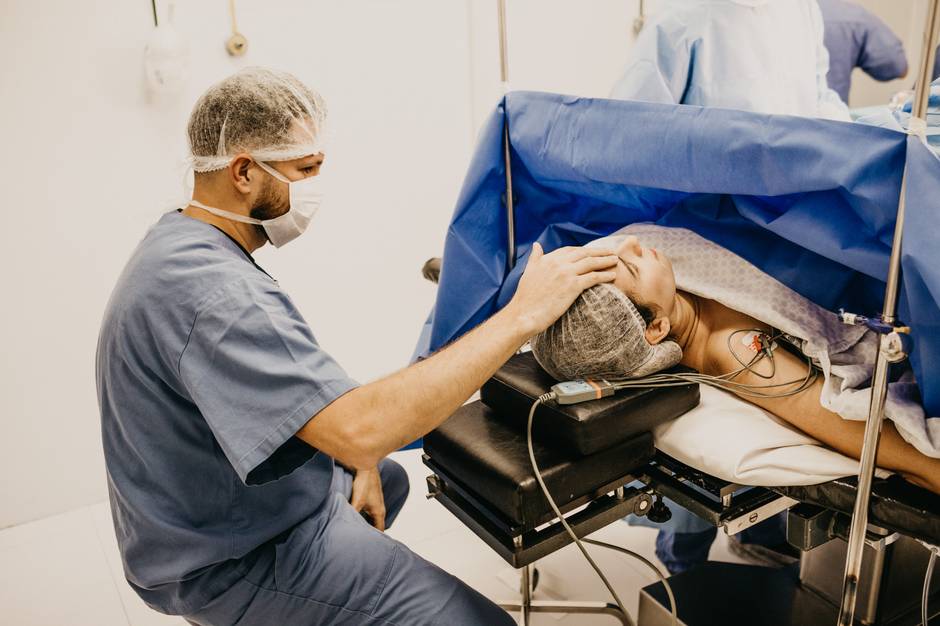
AI and Machine Learning in Diagnostics and Decision Support
Artificial Intelligence (AI) is perhaps the most disruptive technology currently redefining the role of the neurosurgeon. From predictive analytics to intraoperative support, AI tools are becoming indispensable colleagues in the surgical suite.
AI-Driven Intraoperative Decision Support
During a procedure, a neurosurgeon must make split-second decisions based on vast amounts of incoming data. New AI software tools can analyze real-time video feeds from the surgical microscope to help distinguish between healthy brain tissue and cancerous cells. Since brain tumors often look identical to healthy tissue to the naked eye, AI algorithms trained on millions of images can highlight “hot zones” for the surgeon. This integration of computer vision ensures that the surgeon removes the maximum amount of the tumor while preserving as much healthy brain function as possible.
Predictive Analytics for Patient Outcomes
The role of a neurosurgeon also involves significant data management. Machine learning algorithms are now used to analyze patient history, imaging, and genetic markers to predict how a patient will respond to a specific surgical intervention. These AI tools can forecast potential complications or suggest the most effective post-operative recovery tech, such as wearable sensors that track neurological recovery. In this context, the neurosurgeon is a data analyst, using software to tailor a personalized technological “roadmap” for each patient’s brain health.
The Future of Neuro-Tech: Brain-Computer Interfaces (BCI)
As we look toward the future, the definition of a neurosurgeon is expanding into the realm of “neural engineering.” This is most evident in the development and implantation of Brain-Computer Interfaces (BCIs).
Neuralink and the Next Era of Neuroprosthetics
Companies like Neuralink and Synchron are at the forefront of a tech revolution where neurosurgeons implant microchips and electrode arrays directly into the motor cortex of the brain. A neurosurgeon in this niche is responsible for the delicate integration of hardware with biological wetware. These BCIs allow paralyzed individuals to control computers, robotic limbs, or even digital communication tools using only their thoughts. The neurosurgeon’s role is shifting from “repairing” the brain to “upgrading” or “interfacing” it with external digital systems.
Digital Security and the Ethics of Connected Implants
With the rise of connected medical devices and BCIs, the neurosurgeon must also be aware of digital security. As brains become “online” via implants, the tech stack involved in neurosurgery must include robust encryption and cybersecurity measures. The modern neurosurgeon works alongside software engineers to ensure that the “apps” controlling a patient’s tremor-suppression device or BCI are secure from hacking or software glitches. This brings a whole new dimension to the profession: the neurosurgeon as a guardian of a patient’s digital and biological integrity.

Conclusion: The Evolution of the Tech-Enabled Surgeon
So, what is a neurosurgeon? In the modern technological landscape, they are much more than a doctor. They are a high-tech specialist who sits at the center of a web of AI tools, robotic hardware, and sophisticated visualization software. They are the ultimate “power users” of the most advanced gadgets and apps developed in the medical tech industry.
The evolution of the field suggests that the future neurosurgeon will be as comfortable with coding and data science as they are with anatomy. By leveraging technology, they are pushing the boundaries of what is possible, turning previously “inoperable” conditions into routine procedures. As we move deeper into the 21st century, the scalpel may become digital, and the operating room may become a data center, but the neurosurgeon remains the essential human intelligence guiding these powerful tools to unlock the mysteries of the human mind.
aViewFromTheCave is a participant in the Amazon Services LLC Associates Program, an affiliate advertising program designed to provide a means for sites to earn advertising fees by advertising and linking to Amazon.com. Amazon, the Amazon logo, AmazonSupply, and the AmazonSupply logo are trademarks of Amazon.com, Inc. or its affiliates. As an Amazon Associate we earn affiliate commissions from qualifying purchases.