
The world of health and wellness is constantly evolving, with new discoveries and advancements emerging at a rapid pace. Among the terms gaining significant traction in recent years is “GLP-1.” While it might sound like a complex scientific acronym, understanding what a GLP-1 is and its implications can offer profound insights into managing metabolic health, particularly for those navigating conditions like type 2 diabetes and obesity. This article delves into the science behind GLP-1s, their therapeutic applications, and the technological and financial considerations surrounding these groundbreaking treatments.
Understanding the Science: The Role of GLP-1 in the Body
Glucagon-like peptide-1 (GLP-1) is not a drug itself, but rather a naturally occurring hormone produced in the human body. Its discovery and subsequent understanding have revolutionized the approach to metabolic diseases. To truly grasp “what’s a GLP-1,” we must first appreciate its physiological functions.

The Natural Hormone: Production and Function
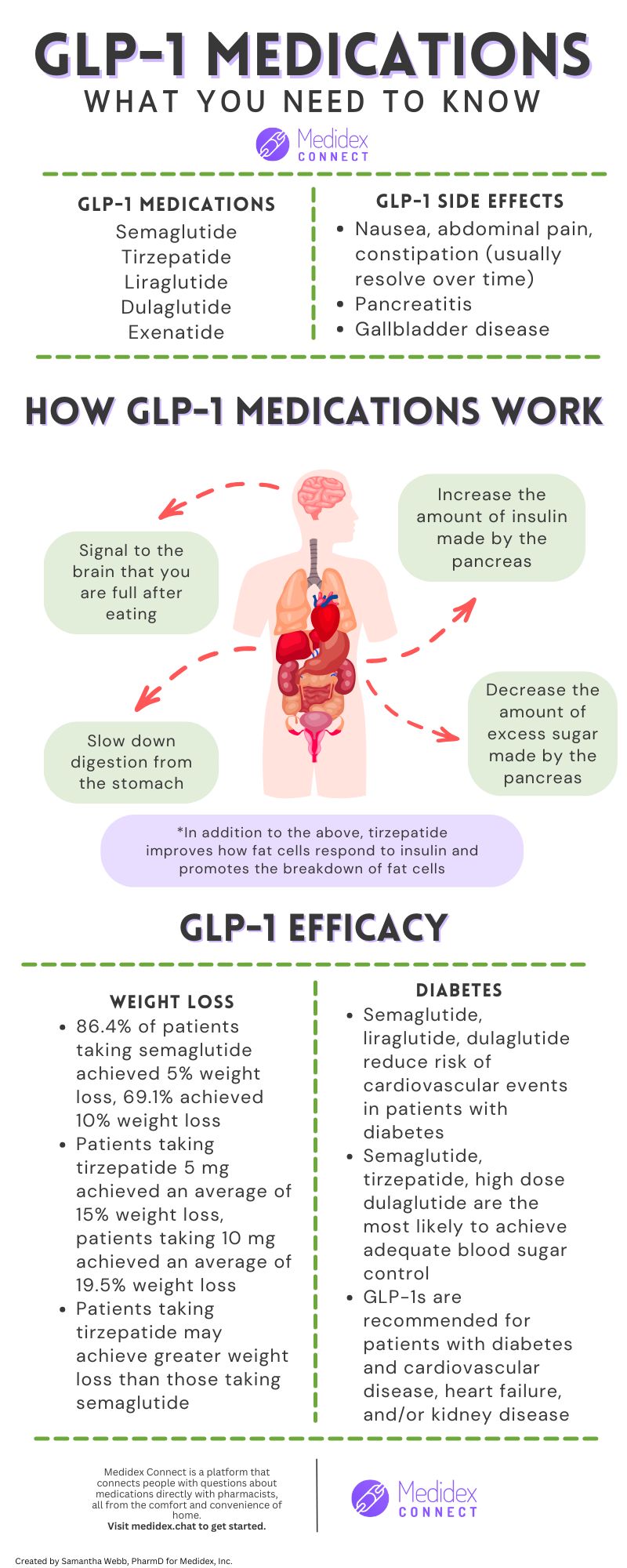
GLP-1 is an incretin hormone, meaning it’s released from specialized cells in the small intestine (L-cells) in response to the presence of food, particularly carbohydrates and fats. Its primary roles are centered around glucose regulation and appetite control. When you eat, your body senses this and signals the release of GLP-1. This hormone then circulates in the bloodstream and exerts several beneficial effects:
- Stimulating Insulin Secretion: Perhaps its most critical function is its ability to enhance the release of insulin from the pancreas. Crucially, this insulin release is glucose-dependent, meaning GLP-1 stimulates insulin secretion only when blood glucose levels are high. This “glucose-sensing” mechanism makes it a safer option than some older diabetes medications that could lead to hypoglycemia (dangerously low blood sugar).
- Suppressing Glucagon Release: Glucagon is another hormone produced by the pancreas that has the opposite effect of insulin; it raises blood glucose levels by signaling the liver to release stored glucose. GLP-1 acts to inhibit glucagon secretion, further contributing to lower blood glucose levels after meals.
- Slowing Gastric Emptying: GLP-1 also plays a role in regulating the rate at which food leaves the stomach. By slowing down gastric emptying, it helps to prevent rapid spikes in blood sugar after eating. This also contributes to a feeling of fullness, which can be beneficial for weight management.
- Promoting Satiety and Reducing Appetite: Beyond its direct effects on glucose metabolism, GLP-1 acts on the brain, specifically in areas that regulate appetite and food intake. It signals to the brain that you are full, leading to reduced hunger and an overall decrease in food consumption. This effect is a key reason why GLP-1-based therapies have shown remarkable success in weight loss.
GLP-1 Receptor Agonists: Mimicking Nature’s Design
Given the vital roles of natural GLP-1, scientists sought to develop medications that could mimic its actions. This led to the creation of GLP-1 receptor agonists (often shortened to GLP-1 RAs). These are synthetic drugs that bind to and activate the same GLP-1 receptors in the body as the natural hormone. They are designed to be more resistant to degradation by enzymes (like DPP-4, dipeptidyl peptidase-4, which quickly breaks down natural GLP-1), allowing them to have a longer-lasting effect.
The development of these agonists has been a significant breakthrough in treating type 2 diabetes and, more recently, obesity. They offer a multi-faceted approach to managing these conditions by addressing both glucose control and appetite regulation.
Therapeutic Applications: From Diabetes to Weight Management
The understanding of “what’s a GLP-1” has direct implications for medical treatment. GLP-1 receptor agonists are now a cornerstone therapy for millions of individuals worldwide, offering a pathway to better health outcomes.
Managing Type 2 Diabetes: A New Era
For individuals with type 2 diabetes, managing blood glucose levels is paramount to preventing long-term complications affecting the eyes, kidneys, nerves, and cardiovascular system. GLP-1 RAs have emerged as a highly effective treatment option, offering several advantages:
- Improved Glycemic Control: By stimulating insulin release and suppressing glucagon, GLP-1 RAs effectively lower A1C levels (a measure of average blood sugar over 2-3 months) and fasting and post-meal blood glucose.
- Low Risk of Hypoglycemia: As mentioned earlier, the glucose-dependent nature of GLP-1 action means that the risk of dangerous hypoglycemia is significantly lower compared to some other diabetes medications, such as sulfonylureas. This offers patients greater peace of mind.
- Weight Loss as a Bonus: A significant benefit observed with many GLP-1 RAs is their impact on weight. The appetite-suppressing and gastric-emptying effects contribute to a reduction in caloric intake, leading to modest to substantial weight loss in many patients. This is particularly valuable as obesity is a major comorbidity with type 2 diabetes.
- Cardiovascular Benefits: Emerging research and clinical trials have demonstrated that certain GLP-1 RAs can also provide significant cardiovascular protection. They have been shown to reduce the risk of major adverse cardiovascular events, such as heart attack and stroke, in individuals with type 2 diabetes who have established cardiovascular disease or multiple risk factors. This makes them a compelling choice for patients with a high cardiovascular risk profile.
Addressing Obesity: A Breakthrough in Weight Management
The success of GLP-1 RAs in promoting weight loss led to their development and approval specifically for the treatment of obesity, even in individuals without diabetes. This has been a game-changer for a condition that has historically been challenging to manage effectively with medication.
- Significant and Sustained Weight Loss: Clinical trials have shown that GLP-1 RAs can lead to substantial and sustained weight loss, often exceeding what is achievable with diet and exercise alone. For some individuals, this can be a life-altering reduction in body weight.
- Mechanism of Action for Weight Loss: The combined effects of reduced appetite, increased satiety, and slower gastric emptying work synergistically to promote a calorie deficit, which is the fundamental requirement for weight loss. Patients often report feeling less hungry, more satisfied with smaller portions, and experiencing fewer cravings.
- Improved Metabolic Health: Beyond just shedding pounds, the weight loss achieved with GLP-1 RAs often brings about significant improvements in other metabolic parameters, such as blood pressure, cholesterol levels, and insulin sensitivity, further contributing to overall health.
- Comprehensive Treatment Approach: It’s important to note that GLP-1 RAs are not a magic bullet for weight loss. They are most effective when used as part of a comprehensive weight management program that includes dietary changes, increased physical activity, and behavioral support. However, they provide a powerful pharmacological tool to aid individuals in achieving their weight loss goals.
The Technology Behind GLP-1 Therapies

The journey from understanding “what’s a GLP-1” to developing effective medications involves significant technological advancements in pharmaceutical research, development, and delivery.
Drug Discovery and Development: The Chemical Engineering Marvel
The creation of GLP-1 receptor agonists is a testament to sophisticated pharmaceutical engineering. Scientists had to design molecules that could effectively bind to the GLP-1 receptor and resist degradation.
- Peptide Engineering: Natural GLP-1 is a peptide, a short chain of amino acids. The challenge was to create synthetic peptide analogs that were more stable in the body and had a longer duration of action. This involved modifying the amino acid sequence, sometimes incorporating non-natural amino acids, or attaching molecules like fatty acids or polyethylene glycol (PEG) to the peptide structure. These modifications protect the drug from breakdown by enzymes and can alter its absorption and distribution.
- Receptor Binding Affinity: A crucial aspect of drug development is ensuring the synthetic molecule has high affinity for the GLP-1 receptor, meaning it can bind to it strongly and effectively trigger a response. Extensive research and screening processes are employed to identify compounds with the optimal binding characteristics.
- Pharmacokinetics and Pharmacodynamics: Understanding how the drug is absorbed, distributed, metabolized, and excreted (pharmacokinetics) and how it interacts with the body to produce its effects (pharmacodynamics) is vital. This informs the dosing regimens and delivery methods. For example, some GLP-1 RAs are designed for once-weekly injections, a significant convenience for patients.
Delivery Systems: Innovations in Patient Convenience
The mode of administration for GLP-1 RAs has evolved, prioritizing patient convenience and adherence to treatment.
- Injectable Formulations: Historically, GLP-1 RAs have been administered via subcutaneous injection. Early versions required daily injections, which could be a barrier to consistent use. However, technological advancements have led to longer-acting formulations, such as once-daily and once-weekly injections. These are typically delivered using pre-filled pens, making self-administration relatively straightforward.
- The Promise of Oral Formulations: A significant technological leap was the development of the first oral GLP-1 RA. This innovation allows patients to take their medication in pill form, eliminating the need for injections altogether. This represents a major step forward in improving patient experience and potentially increasing treatment adherence for those who are needle-averse. The development of oral GLP-1 RAs required overcoming challenges related to the drug’s absorption in the gastrointestinal tract.
The Financial Landscape: Costs, Access, and Innovation
Understanding “what’s a GLP-1” also necessitates an examination of the economic factors surrounding these therapies. GLP-1 RAs represent a significant area of investment and innovation within the pharmaceutical industry, but they also come with considerable costs.
The Price of Innovation: High Cost of GLP-1 Therapies
GLP-1 receptor agonists are among the most expensive classes of prescription medications available today. The high cost is a multifaceted issue, stemming from several factors:
- Research and Development Investment: The journey from identifying a therapeutic target to bringing a new drug to market is incredibly long, complex, and expensive. Pharmaceutical companies invest billions of dollars in research, preclinical studies, and multiple phases of clinical trials to prove efficacy and safety. The development of GLP-1 RAs, with their intricate molecular design and extensive clinical testing, has been no exception.
- Manufacturing Complexity: The production of complex peptide-based drugs requires specialized facilities and intricate manufacturing processes, contributing to higher production costs.
- Market Dynamics and Patent Protection: Once a drug is approved, pharmaceutical companies are granted patent protection, which allows them to be the sole manufacturer and seller for a specified period. This exclusivity enables them to recoup their substantial R&D investments and generate profits. As patents expire, generic versions can enter the market, potentially lowering prices.
- Value-Based Pricing: In some instances, the pricing of these drugs can be influenced by their perceived value in improving patient outcomes and reducing long-term healthcare costs associated with untreated diabetes and obesity. The potential for reduced hospitalizations, fewer complications, and improved quality of life are factored into pricing discussions.
Access and Affordability: Navigating the Healthcare System
The high cost of GLP-1 RAs poses significant challenges for access and affordability for many patients and healthcare systems.
- Insurance Coverage: The extent to which insurance plans cover GLP-1 RAs varies widely. While many plans now offer coverage for diabetes management, coverage for obesity treatment can be more restrictive. Patients often face substantial co-pays or deductibles, making the out-of-pocket cost prohibitive.
- Out-of-Pocket Expenses: For individuals without adequate insurance or those with high deductibles, the monthly cost of these medications can run into hundreds or even thousands of dollars, creating a significant financial burden.
- Advocacy and Policy: Patient advocacy groups and healthcare professionals are actively working to improve access and affordability. This includes advocating for broader insurance coverage, exploring innovative payment models, and encouraging competition as patents expire.
- Emergence of Generics: As the patents for the original GLP-1 RAs begin to expire, the introduction of generic versions will be a critical factor in making these treatments more accessible. Generic medications are typically sold at a significantly lower price than their branded counterparts.
Future Financial Considerations and Innovation
The ongoing evolution of GLP-1 therapies presents a dynamic financial landscape.
- Continued R&D: Pharmaceutical companies continue to invest in developing next-generation GLP-1 RAs with improved efficacy, expanded therapeutic indications, and potentially lower manufacturing costs. There is also research into dual or triple agonist drugs that target multiple pathways for even greater metabolic benefits.
- Cost-Effectiveness Analysis: As these drugs become more widely used, there will be an increasing focus on robust cost-effectiveness analyses to demonstrate their long-term value in managing chronic diseases and reducing overall healthcare expenditures.
- Global Market Expansion: The demand for effective metabolic therapies is global. As these drugs become more accessible in developing economies, the financial considerations and market strategies will need to adapt accordingly.
In conclusion, understanding “what’s a GLP-1” opens a window into a sophisticated biological process that has been harnessed through cutting-edge technology to create revolutionary therapies. From the intricate science of hormone function to the engineering of synthetic molecules and advanced delivery systems, the development of GLP-1 receptor agonists is a triumph of modern medicine. However, the financial realities of these innovations, including their high cost and the ongoing efforts to improve access, remain a crucial aspect of their story. As research continues and market dynamics evolve, GLP-1s are poised to play an even more significant role in shaping the future of metabolic health management.
aViewFromTheCave is a participant in the Amazon Services LLC Associates Program, an affiliate advertising program designed to provide a means for sites to earn advertising fees by advertising and linking to Amazon.com. Amazon, the Amazon logo, AmazonSupply, and the AmazonSupply logo are trademarks of Amazon.com, Inc. or its affiliates. As an Amazon Associate we earn affiliate commissions from qualifying purchases.