
In the ever-evolving landscape of communication, understanding the subtle nuances of language is paramount. While the literal meaning of a word, its denotation, is straightforward, the emotional baggage it carries, its connotation, can profoundly influence how we perceive and react to it. This is especially true in fields like technology, branding, and finance, where perception directly translates into tangible outcomes. This article will delve into the concept of negative connotations, exploring how they manifest and the critical role they play in shaping our digital interactions, brand reputations, and financial decisions.
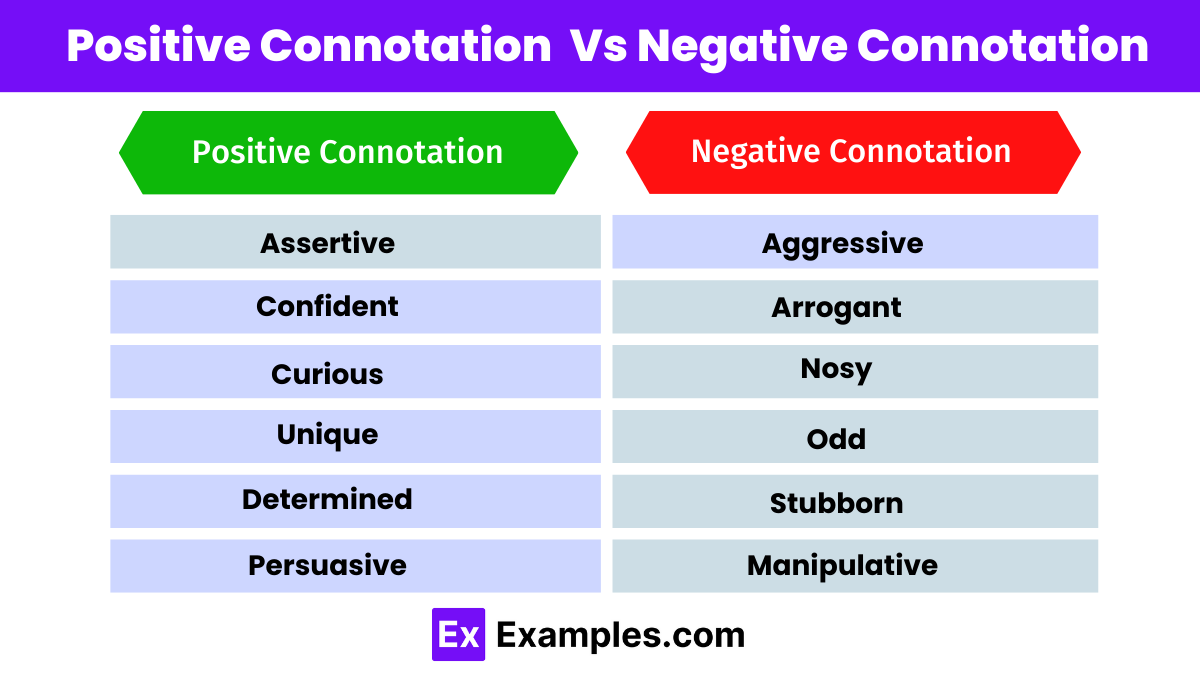
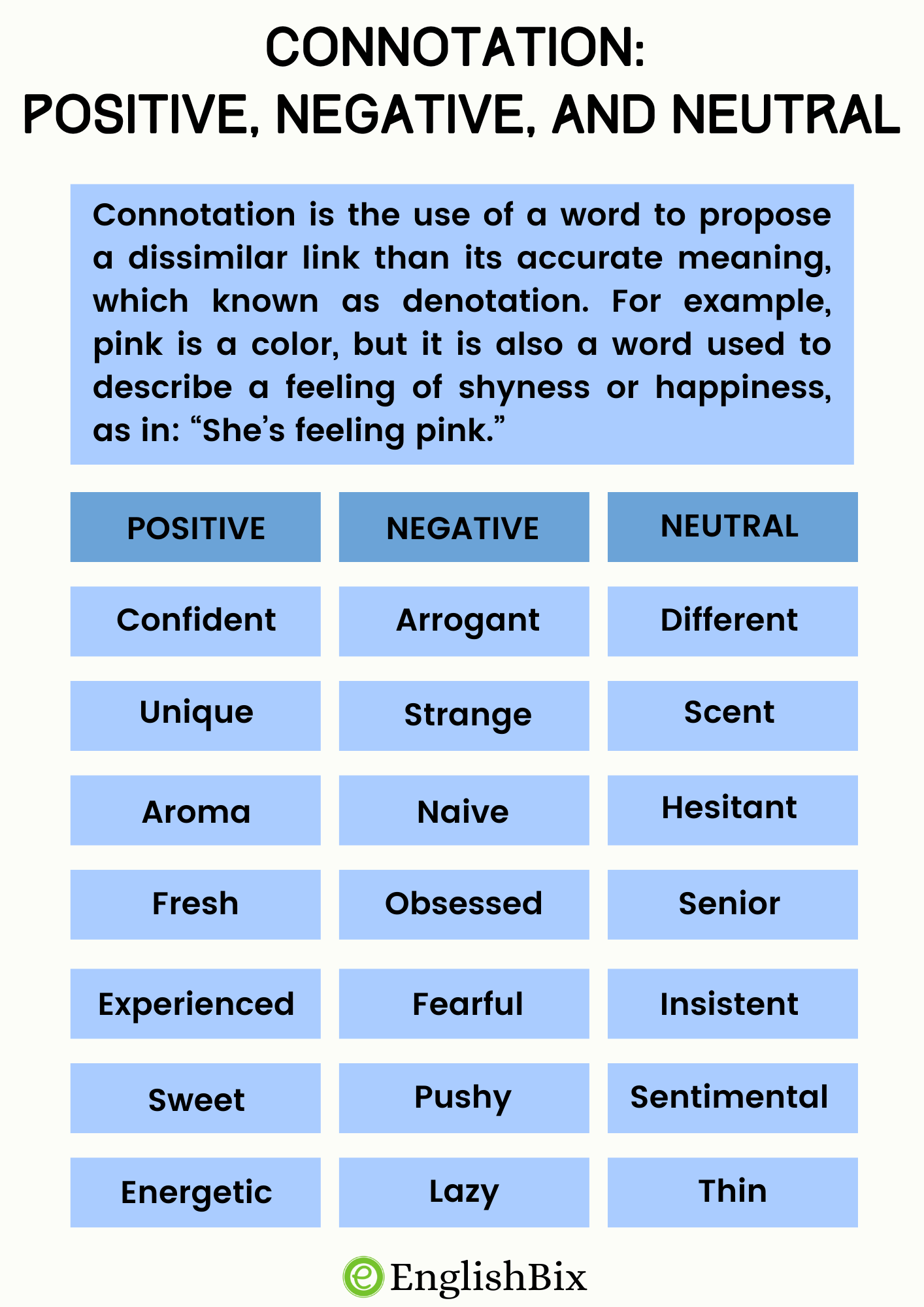
The term “connotation” itself refers to the implied or suggested meaning of a word or phrase, beyond its literal definition. These meanings are often cultural, personal, or contextual. A positive connotation evokes pleasant feelings, approval, or desirability, while a negative connotation elicits unfavorable emotions, disapproval, or aversion. Recognizing these associations is not just an academic exercise; it’s a vital skill for anyone looking to communicate effectively, build trust, and achieve success in the modern world.
The Shadow Side of Words: How Negative Connotations Shape Perceptions
Negative connotations are the linguistic booby traps that can derail even the most well-intentioned communication. They are the words or phrases that, upon hearing or reading, trigger an immediate sense of unease, suspicion, or even outright rejection. These are not necessarily “bad” words in terms of their denotation, but rather words whose associated feelings are inherently unfavorable.
In Technology: From “Bug” to “Breach”
The tech industry, in particular, is a fertile ground for negative connotations. The very nature of rapid innovation and the inherent complexity of digital systems mean that certain words, while technically accurate, carry a heavy negative weight.
The Ubiquitous “Bug” and the Fear of Failure
Consider the word “bug.” In its literal sense, a software bug is simply an error or flaw in a computer program that causes it to produce an incorrect or unexpected result, or to behave in unintended ways. However, the connotation of “bug” extends far beyond a technical glitch. It can evoke feelings of frustration, unreliability, and a lack of quality. When a user encounters a bug, their perception of the software, and by extension, the company that developed it, can be immediately tarnished.
This is where the importance of framing and communication comes into play. While a “bug” is a technical reality, a company might choose to reframe it as an “unforeseen issue” or a “performance anomaly” to soften the negative impact. The goal is to acknowledge the problem without triggering the ingrained negative association. The constant pursuit of “bug-free” software is a testament to the powerful negative connotation associated with its absence.
“Data Breach”: A Word That Strikes Fear
Perhaps one of the most potent negative connotations in the tech world revolves around the phrase “data breach.” While it simply signifies unauthorized access to sensitive information, its implications are far-reaching and deeply unsettling. A data breach evokes images of identity theft, financial ruin, and a profound loss of privacy. For businesses, a data breach is not just a technical failure; it’s a catastrophic blow to their reputation and customer trust.
The emotional weight of “data breach” is so significant that it often leads to immediate panic, regulatory scrutiny, and severe financial repercussions. This highlights how a single phrase, laden with negative connotations, can have devastating consequences. The focus on “data security” and “privacy protection” is a direct response to the fear and distrust that “data breach” engenders.
AI: The Double-Edged Sword of “Unpredictable” and “Job Displacement”
Even emerging technologies like Artificial Intelligence (AI) are not immune. While AI promises immense benefits, certain associated terms carry significant negative connotations. The idea of AI being “unpredictable” can lead to fear of unintended consequences and a lack of control. Similarly, the notion of “job displacement” fuels anxieties about economic disruption and individual livelihoods. Companies developing and deploying AI tools must carefully manage the language they use to address these concerns and build confidence.
Branding in the Crosshairs: When Words Define Reputation
A brand’s identity is built on perception, and negative connotations are the architects of distrust and disfavor. In the realm of branding, a single poorly chosen word or a consistently negative association can erode years of hard work and investment.
The Power of “Scandal” and “Misleading”
When a brand is associated with words like “scandal,” “fraud,” or “misleading,” its reputation can plummet. These terms carry an immediate and visceral negative charge. They suggest unethical behavior, deception, and a betrayal of public trust. For a brand that has spent years cultivating an image of integrity and reliability, such associations can be devastating.
Consider the impact of a product recall due to safety concerns. While the company might frame it as a “precautionary measure,” the underlying connotation of “unsafe” or “defective” can be incredibly damaging. The language used in public statements, marketing materials, and crisis management is crucial in mitigating the fallout from such events.
“Unethical” and “Exploitative”: Staining the Corporate Image
In the corporate world, words like “unethical,” “exploitative,” and “greedy” can cast a long shadow over a company’s image. These terms suggest a disregard for fairness, human rights, and social responsibility. Consumers are increasingly conscious of the ethical implications of their purchasing decisions, and brands associated with negative connotations in this area risk losing market share and facing public backlash.
The emphasis on Corporate Social Responsibility (CSR) is a direct effort by brands to combat such negative perceptions. By showcasing their commitment to ethical practices and community well-being, companies aim to build a positive brand narrative that stands in stark contrast to any potential for negative association.
The Subtle Art of Reputation Management: Avoiding the Pitfalls
Reputation management is an ongoing battle, and negative connotations are the constant adversaries. Brands must be acutely aware of how their products, services, and actions are perceived, and proactively address any language that could trigger unfavorable associations. This involves:
- Strategic Language Choice: Deliberately selecting words that evoke positive emotions and avoid triggering negative ones.
- Transparency and Honesty: Openly addressing issues and concerns can prevent speculation and the formation of negative narratives.
- Crisis Communication: Having a well-defined plan to manage negative events and communicate with stakeholders in a way that minimizes reputational damage.
- Monitoring Public Sentiment: Actively listening to what customers and the public are saying about the brand to identify and address potential negative connotations early on.
Money Matters: The Emotional Landscape of Financial Connotations
The world of money is deeply intertwined with emotions, and negative connotations can significantly influence our financial decisions, perceptions of wealth, and even our financial well-being.
The Chilling Effect of “Debt” and “Bankruptcy”
Words like “debt” and “bankruptcy” are heavy with negative connotations. They evoke feelings of failure, stress, and a loss of control. For individuals, the prospect of being in debt can be a source of significant anxiety, impacting their mental health and future financial planning. The word “bankruptcy” often conjures images of complete financial ruin and public shame.
This is why financial institutions often use softer language when discussing loans and credit. Terms like “financing,” “credit facility,” or “investment opportunity” are employed to frame financial arrangements in a more positive or neutral light, minimizing the immediate negative emotional response associated with traditional “debt.”
“Scam” and “Fraud”: Eroding Trust in Online Income
In the realm of online income and side hustles, the word “scam” is a significant deterrent. It immediately triggers suspicion and a fear of being exploited. The proliferation of online scams has unfortunately amplified the negative connotation associated with promises of quick or easy money. This makes it challenging for legitimate online ventures to gain traction and build trust.
The cautious approach many people take towards online investment opportunities is a direct result of the negative connotations associated with “scam” and “fraud.” Building trust in this space requires absolute transparency, verifiable proof of legitimacy, and a clear demonstration of value.
“Recession” and “Market Crash”: The Language of Economic Fear
On a broader economic scale, terms like “recession” and “market crash” are loaded with negative connotations. They conjure images of widespread job losses, economic hardship, and financial instability. The mere mention of these words can trigger panic and lead to irrational decision-making in the stock market and personal finance.
Financial advisors often work to educate their clients about the cyclical nature of markets and the importance of long-term investing, aiming to counteract the immediate fear and negative emotional response that such terms can evoke. They aim to reframe these events as opportunities for strategic investment rather than impending doom.

Navigating the Financial Labyrinth with Linguistic Awareness
Understanding the emotional weight of financial language is crucial for making sound decisions.
- Reframing Financial Terms: Just as in tech and branding, financial professionals can use language to frame complex financial instruments in a more approachable and less intimidating way.
- Empowering Through Education: Educating individuals about financial concepts can demystify them and reduce the negative connotations associated with unfamiliar or complex topics.
- Building Confidence: Clear, honest, and encouraging communication can help individuals overcome financial anxieties and take proactive steps towards their financial goals.
In conclusion, negative connotations are powerful forces that shape our perceptions and influence our decisions across technology, branding, and finance. Recognizing their presence, understanding their impact, and consciously choosing our language are essential skills for navigating the modern world, building trust, and achieving success. By being mindful of the words we use and the associations they carry, we can foster clearer communication, build stronger brands, and make more informed financial choices.
aViewFromTheCave is a participant in the Amazon Services LLC Associates Program, an affiliate advertising program designed to provide a means for sites to earn advertising fees by advertising and linking to Amazon.com. Amazon, the Amazon logo, AmazonSupply, and the AmazonSupply logo are trademarks of Amazon.com, Inc. or its affiliates. As an Amazon Associate we earn affiliate commissions from qualifying purchases.