
The dust has settled, the snow has melted (mostly), and Dexter Morgan has once again navigated the treacherous waters of his Dark Passenger. “Dexter: New Blood” brought the beloved, albeit morally compromised, serial killer back into the spotlight, offering a conclusion that, for many, was both a satisfying return and a source of lingering debate. But beyond the fate of one iconic character, the very existence of “New Blood” and its eventual conclusion begs a larger question: what comes next for franchises in the age of streaming and the ever-evolving demands of the tech-driven entertainment landscape?
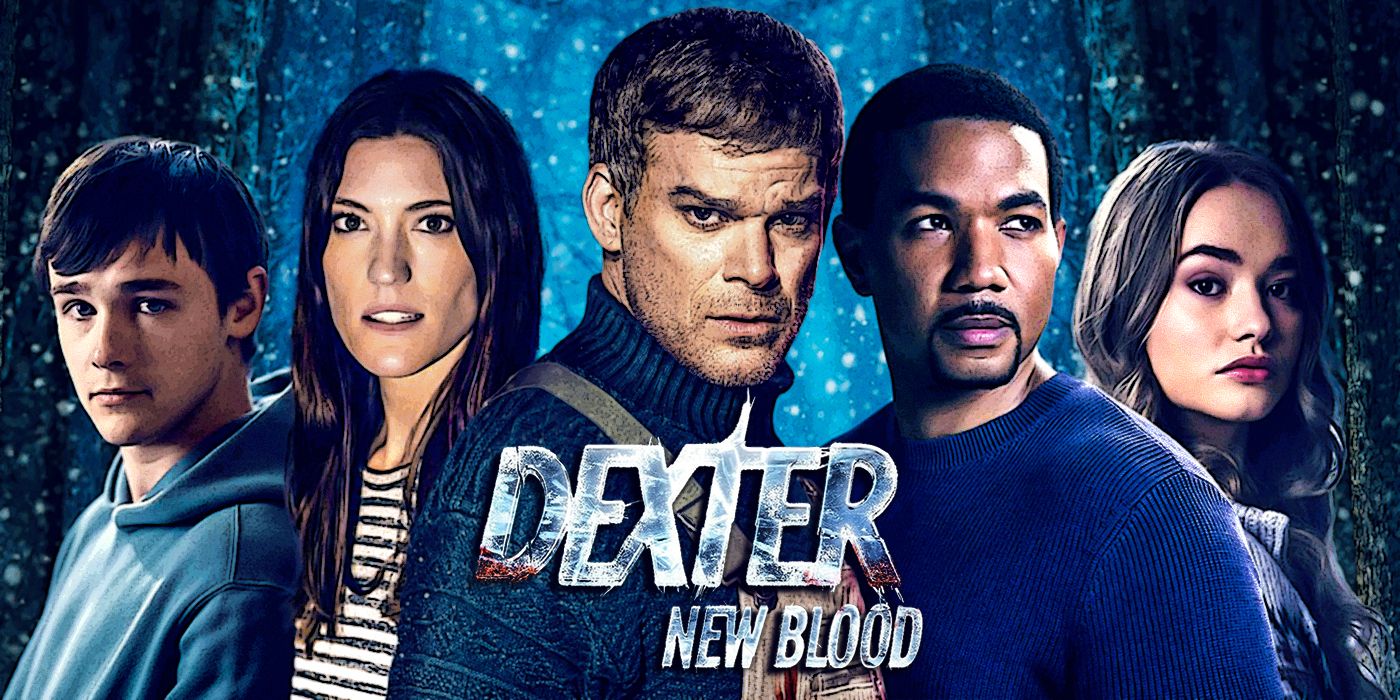
The success of “Dexter: New Blood” wasn’t just a testament to Michael C. Hall’s enduring performance or the enduring fascination with a vigilante who operates by his own twisted code. It was a clear indicator of a prevailing trend in the entertainment industry: the power of nostalgia and the appetite for beloved characters to be revisited and reimagined. Yet, the journey from the original series’ controversial finale to the definitive (or so it seemed) ending of “New Blood” reflects a more complex ecosystem. This article will delve into what the “Dexter: New Blood” phenomenon tells us about the future of franchise content, examining how technology, branding, and even financial considerations shape the decisions made by studios and streamers alike.
The Echoes of Nostalgia: Franchises in the Streaming Era
The very concept of “Dexter: New Blood” existing is a direct byproduct of how deeply ingrained certain franchises have become in our cultural consciousness. In an era where attention spans are fragmented and the sheer volume of content is overwhelming, established brands and familiar characters offer a powerful anchor. This is where the Brand pillar of our discussion becomes paramount.
The Power of Brand Recognition
“Dexter” wasn’t just a show; it was a brand. Its distinctive opening credits, its iconic internal monologue, and its morally ambiguous protagonist were all elements that contributed to a potent brand identity. “New Blood” leveraged this existing brand equity, capitalizing on years of audience investment and anticipation. This isn’t unique to “Dexter.” We see it with the resurgence of “Star Wars,” the continued expansion of the Marvel Cinematic Universe, and the constant reboots and continuations of classic film and television properties.
For studios and streaming platforms, reviving a known entity offers a significant advantage. It reduces the inherent risk associated with launching entirely new intellectual property. The marketing budget can be more strategically allocated, as a substantial portion of the audience is already pre-qualified. Think of the immense online chatter and speculation that surrounded the announcement and release of “New Blood.” This organic buzz, fueled by a loyal fanbase, is invaluable in cutting through the noise of the streaming jungle.
However, this reliance on established brands also presents challenges. The creative teams are tasked with honoring the legacy of the original while also offering something fresh and compelling. “New Blood” largely succeeded in this by introducing new characters and a new setting, yet keeping Dexter at its core. This balance is delicate. Too much deviation can alienate the existing fanbase, while too little can feel like a mere rehashing, lacking the innovative spark that might attract a new generation of viewers.
The Streaming Algorithm and the Franchise Cycle
The Tech pillar of our website’s focus is intrinsically linked to how franchises are managed and consumed. Streaming platforms, driven by data and algorithms, are constantly seeking content that will engage and retain subscribers. Franchises, with their built-in fanbases and potential for serialized storytelling, are ideal candidates.
The algorithms that power platforms like Netflix, Amazon Prime Video, and Paramount+ are designed to identify user preferences and recommend content accordingly. If a user has watched and enjoyed “Dexter,” it’s highly probable they will be nudged towards “Dexter: New Blood.” This creates a virtuous cycle, where established content fuels the discovery and consumption of its related properties.
Furthermore, the accessibility of binge-watching, enabled by streaming technology, has fundamentally altered how audiences engage with long-running narratives. Viewers can now easily immerse themselves in entire series, making the appeal of a franchise even stronger. The “completionist” mindset, where fans want to experience every iteration of a beloved story, is amplified in this environment.
The data gleaned from streaming platforms also informs future franchise decisions. If a particular character or storyline within a franchise garners significant attention, it can signal to studios the potential for spin-offs or prequels. This data-driven approach, while efficient, can also lead to a homogenization of content if studios become too reliant on proven formulas, potentially stifling more experimental or original storytelling.
The Financial Blueprint: Monetizing Familiarity
The decision to invest in a revival like “Dexter: New Blood” is, at its core, a financial one. The Money aspect of our website’s purview is crucial in understanding the economic drivers behind these franchise plays.
The Return on Investment of Nostalgia
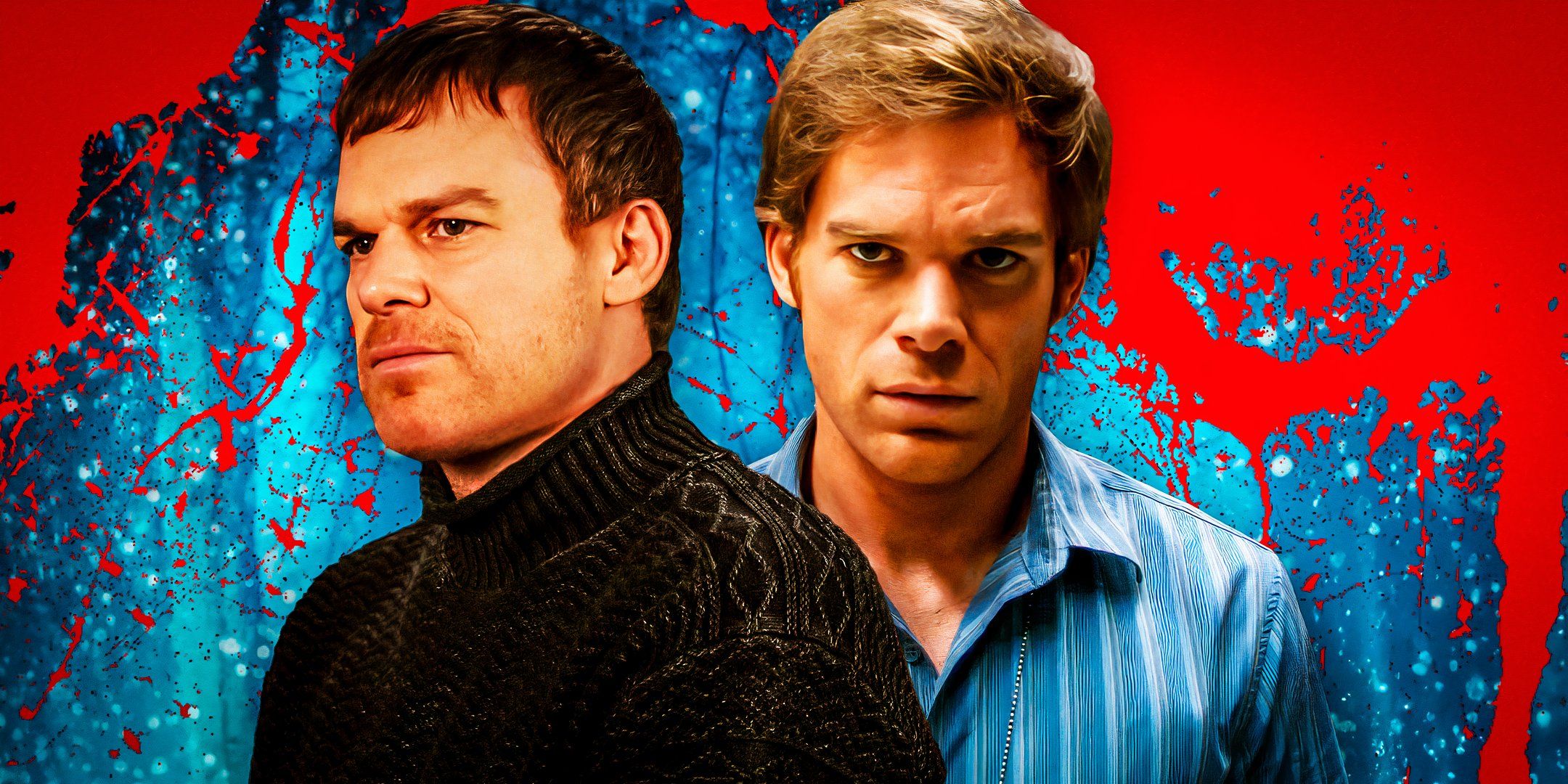
For streaming services and production companies, the prospect of a successful franchise continuation or revival is often a calculated bet on a high return on investment (ROI). The costs associated with developing and marketing a completely new series can be astronomical. By contrast, a revival leverages existing brand recognition, a pre-existing audience, and a developed narrative world, all of which can significantly mitigate risk and potentially accelerate profitability.
“Dexter: New Blood,” despite its divisive ending, was a ratings success for Showtime. This success translates directly into subscriber acquisition and retention. For platforms like Showtime, which operate on a subscription model, a popular show like “Dexter” is a valuable asset that drives revenue. The ability to generate ongoing income from a familiar property is a cornerstone of modern media economics.
Diversification and Spin-off Potential
Beyond direct viewership, franchises offer opportunities for diversification and the creation of lucrative spin-offs. While “New Blood” was a direct continuation, the potential for exploring other characters within the “Dexter” universe, or even delving into prequel stories, remains. This creates multiple revenue streams and extends the lifespan of the intellectual property.
Imagine a limited series focusing on a new character grappling with their own “Dark Passenger,” or a documentary delving into the ethical debates the show ignited. These offshoots, while perhaps not as financially impactful as a direct sequel, contribute to the overall brand value and keep the franchise in the cultural conversation. This strategy is evident across the entertainment landscape, with franchises like “Star Trek” continuously spawning new series on Paramount+, or the “Spider-Man” universe expanding with animated films and live-action spin-offs.
However, this financial imperative can also lead to a saturation of the market. When every successful franchise is milked for every possible drop of content, audiences can experience franchise fatigue. The novelty wears off, and the pursuit of profit can sometimes overshadow the creative integrity of the storytelling. The challenge for studios is to find the sweet spot between capitalizing on a brand and ensuring that each new iteration offers genuine value and a compelling reason to exist.
Beyond Dexter: What’s Next for Franchise Storytelling?
The narrative of “Dexter: New Blood” has reached its conclusion, but the questions it raises about the future of entertainment are far from settled. The intersection of tech, brand, and money will continue to shape how beloved stories are brought back to life, reimagined, and sustained.
The Rise of the “Franchise Ecosystem”
We are moving beyond simple sequels and reboots. The future likely lies in building comprehensive “franchise ecosystems.” This means not just creating new shows and movies, but also developing games, merchandise, immersive experiences, and even educational content related to the intellectual property. This holistic approach leverages every facet of the brand to maximize its commercial and cultural impact.
The role of Tech will be critical here, enabling seamless integration across these different platforms. Augmented reality (AR) experiences that allow fans to step into the world of Dexter, interactive games that let them make ethical choices, or even AI-powered tools that generate personalized fan fiction based on the established canon – these are all possibilities.
The success of such ecosystems will depend on clever Branding. Each element needs to feel authentic to the core franchise, while still offering a unique and engaging experience. The financial models will also need to be robust, with studios and platforms looking for innovative ways to monetize these diverse offerings, from subscription tiers that unlock exclusive content to direct-to-consumer sales of digital goods.
The Ethical Tightrope of Revivals
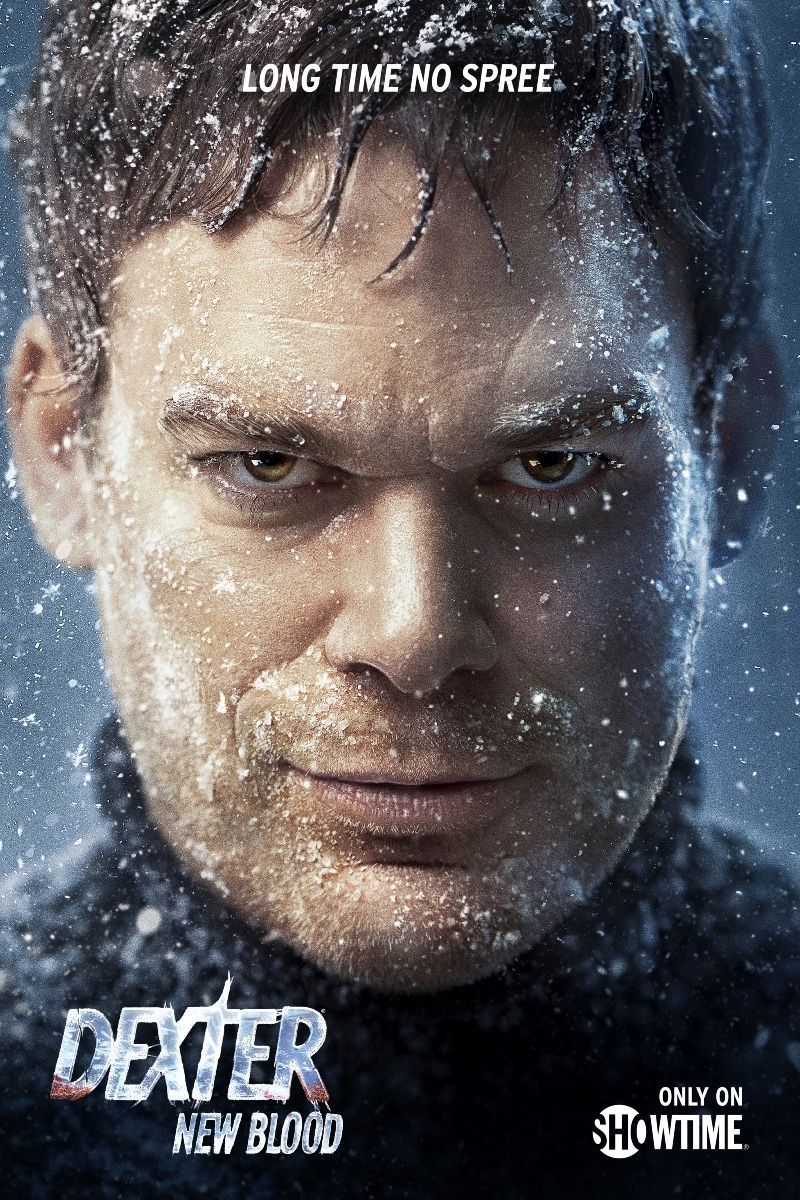
As franchises become more central to the entertainment industry, the ethical considerations surrounding their revival will become increasingly important. This is where the original “Dexter” had its impact – sparking conversations about morality, justice, and the nature of evil. “New Blood” continued this, albeit with a different outcome.
The debate around the ending of “New Blood” highlights the subjective nature of storytelling and the deep emotional investment audiences have in these characters. As studios continue to mine their back catalogs, they will face the challenge of satisfying a diverse audience with varying expectations. The ability to listen to audience feedback, analyze data, and adapt without compromising creative vision will be key.
Ultimately, the “what comes after Dexter: New Blood” isn’t just about the next killer on the loose. It’s about understanding how the entertainment industry, driven by technological innovation, strategic branding, and financial imperatives, is constantly evolving. The future of franchises will be a delicate dance between honoring the past and boldly stepping into uncharted territory, always with an eye on what will capture and captivate audiences in an ever-changing world. The lessons learned from the blood-soaked streets of Miami and the snowy landscapes of Iron Lake will undoubtedly inform the stories that emerge next, as the cycle of creation, consumption, and continuation plays out on screens worldwide.
aViewFromTheCave is a participant in the Amazon Services LLC Associates Program, an affiliate advertising program designed to provide a means for sites to earn advertising fees by advertising and linking to Amazon.com. Amazon, the Amazon logo, AmazonSupply, and the AmazonSupply logo are trademarks of Amazon.com, Inc. or its affiliates. As an Amazon Associate we earn affiliate commissions from qualifying purchases.