
The hospitality landscape is undergoing a tectonic shift as consumer preferences pivot away from traditional alcohol-centric social spaces toward wellness-focused alternatives. At the forefront of this movement is the kava bar, a unique retail business model that has transitioned from a niche Pacific Island tradition to a high-growth investment opportunity in the Western market. For entrepreneurs and investors, understanding “what a kava bar is” requires looking beyond the beverage itself and analyzing the economic drivers, market positioning, and financial scalability of this burgeoning sector.
At its core, a kava bar is a social establishment that serves kava, a drink made from the ground roots of the Piper methysticum plant, native to the South Pacific. Unlike traditional bars that rely on ethanol-based products, kava bars offer a “sober-social” environment. From a business finance perspective, this model taps into the multi-billion dollar “sober-curious” trend, providing a community space that fosters relaxation without the physiological and social liabilities associated with alcohol consumption.

The Economics of the Kava Bar Business Model
The primary appeal of the kava bar model for modern entrepreneurs lies in its impressive margins and lower barrier to entry compared to traditional liquor-licensed establishments. While a standard bar requires expensive liquor licenses—which can cost upwards of six figures in competitive markets—kava bars generally operate under standard food and beverage permits, significantly reducing initial capital expenditures.
Low Cost of Goods Sold (COGS) and High Margins
The financial engine of a kava bar is driven by the disparity between the cost of raw materials and the retail price of the finished product. Bulk kava root, sourced from regions like Fiji, Vanuatu, or Tonga, remains relatively affordable despite its international shipping requirements. A single “shell” or serving of kava has a significantly lower COGS compared to a craft cocktail or a high-end glass of wine. When prepared using traditional or high-pressure extraction methods, the yield per pound of root allows for profit margins that often exceed 80% per serving.
Diversified Revenue Streams
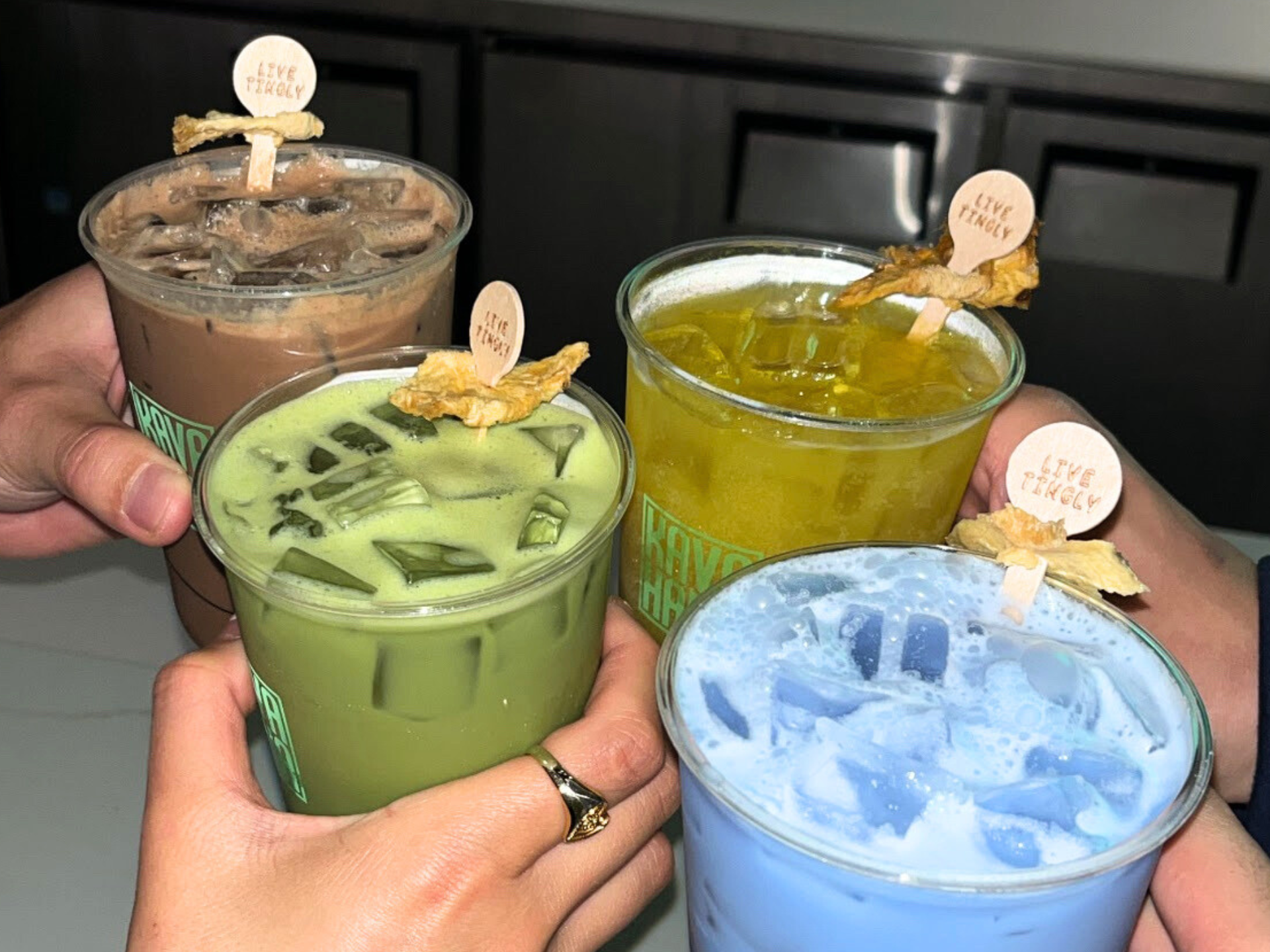
To maximize the average transaction value, successful kava bars rarely limit themselves to kava alone. The business model typically incorporates high-margin additives and complementary products:
- Kratom Tea: Many kava bars serve kratom, a botanical from Southeast Asia, which appeals to a similar demographic seeking natural alternatives for focus or discomfort relief.
- Nootropic Elixirs: The inclusion of “functional beverages” featuring lion’s mane, ashwagandha, or L-theanine allows bars to charge premium prices for “wellness shots.”
- Retail Sales: Selling pre-packaged kava powder, brewing accessories, and branded merchandise creates a secondary revenue stream that isn’t dependent on physical floor space or labor.
Labor Efficiency and Operational Overhead
Unlike full-service restaurants, kava bars benefit from a streamlined labor model. The role of a “kavatender” involves a specific skill set—understanding different kava strains and preparation techniques—but does not require the extensive training of a high-end chef or a master mixologist. Furthermore, the lack of alcohol reduces the need for heavy security or specialized liability insurance often required for traditional nightlife venues, leading to lower monthly recurring expenses.
Market Positioning and the Sober-Curious Investment Trend
The financial viability of kava bars is inextricably linked to the “Sober Curious” movement, a cultural shift where consumers—particularly Gen Z and Millennials—are intentionally reducing alcohol intake. This shift is not merely a fad; it is a fundamental change in lifestyle consumption that has created a massive vacuum in the “third space” market.
Targeting the High-Value Demographic
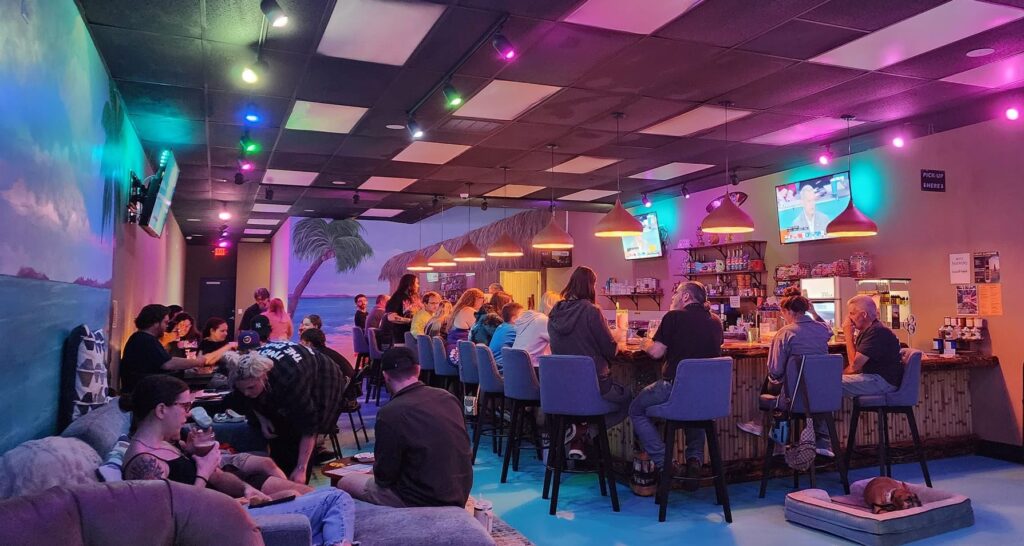
Kava bars attract a specific demographic that is highly attractive to advertisers and business owners: health-conscious, tech-savvy professionals and students. These consumers often have higher discretionary income and are willing to pay a premium for products that align with their wellness goals. Because kava promotes relaxation without impairing cognitive function, these establishments often double as co-working spaces during the day, maximizing the utility of the real estate across more hours than a traditional bar that only sees traffic after 6:00 PM.
Real Estate and Location Strategy
From a real estate investment standpoint, kava bars are highly adaptable. They thrive in “fringe” locations—neighborhoods transitioning into trendy hubs—where rents are lower than prime commercial strips but foot traffic is increasing. Because the kava experience is heavily rooted in “vibe” and community, interior design and brand identity often carry more weight than a “Main and Main” physical address, allowing owners to capture high returns on lower-cost leases.
The Community-as-a-Service Model
One of the most potent financial assets of a kava bar is customer retention. Unlike a coffee shop where the interaction is often transactional and brief, kava bars are built on the “Bula” spirit—a Fijian term used when drinking kava that signifies community and well-being. This social architecture creates “sticky” customers who return multiple times a week. For an owner, this reduces the Customer Acquisition Cost (CAC) and increases the Lifetime Value (LTV) of each patron, a metric that is critical for long-term business health.
Financial Risks, Regulation, and Mitigation Strategies
No emerging market is without its risks. The kava industry faces unique challenges that require a sophisticated approach to financial management and risk mitigation. Prospective owners must navigate a landscape that is still being defined by regulatory bodies.
Navigating FDA and Local Health Regulations
Kava is currently classified as a dietary supplement in the United States. While it is legal, the FDA has issued advisories in the past regarding potential liver concerns—claims that have been largely debunked by subsequent World Health Organization (WHO) reports focusing on noble vs. non-noble kava strains. However, the regulatory environment remains fluid. A savvy business owner must invest in high-quality, lab-tested “Noble” kava to ensure product safety and protect the business from legal liability.
Insurance and Merchant Processing Challenges
Because kava and kratom are often flagged as “high-risk” by traditional financial institutions, securing merchant processing (the ability to take credit cards) can be more expensive than for a standard cafe. Business owners may face higher transaction fees or may need to work with specialized high-risk processors. Factoring these higher costs into the initial financial pro forma is essential for maintaining accurate cash flow projections.
Supply Chain Volatility
The price of kava is subject to environmental factors in the South Pacific. Cyclones or droughts in Fiji and Vanuatu can disrupt supply chains and cause price spikes. To mitigate this, successful kava bar enterprises often establish direct-trade relationships with farmers or maintain larger inventories to hedge against market fluctuations.
Scalability and the Path to Franchising
The ultimate goal for many in the kava space is the transition from a single-unit “mom and pop” shop to a scalable brand or franchise. The standardized nature of kava preparation makes it an ideal candidate for the franchise model.
Establishing a Brand Identity for Multi-Unit Growth
To scale, a kava bar must move beyond the “counter-culture” aesthetic and develop a professional, reproducible brand identity. This involves creating SOPs (Standard Operating Procedures) for everything from the brewing process to the “kavatender” interaction script. Brands that have successfully scaled have focused on a clean, “modern-tropical” or “wellness-lounge” aesthetic that appeals to a broad audience, rather than a niche subculture.
Digital Integration and Loyalty Programs
In the modern economy, a physical location is only half of the business. Successful kava brands leverage digital tools to drive revenue. This includes:
- Subscription Models: Offering monthly memberships that provide a set number of shells per day, ensuring a predictable baseline of recurring revenue.
- E-commerce Integration: Using the physical bar as a showroom for the brand’s own line of kava products sold online.
- Data-Driven Marketing: Utilizing Point of Sale (POS) data to track consumer habits and deploy targeted promotions during slow periods.
The Exit Strategy: Institutional Interest
As the wellness beverage market matures, we are seeing increased interest from private equity firms and larger hospitality groups looking to diversify into non-alcoholic spaces. A well-run kava bar with clean books, a loyal customer base, and a scalable brand is an attractive acquisition target. The “exit” is becoming a tangible reality for early movers in this space who can demonstrate consistent year-over-year growth and operational excellence.
In conclusion, a kava bar is far more than a place to consume an earthy-tasting root; it is a strategic business entity positioned at the intersection of hospitality, wellness, and community. By capitalizing on the shift toward sober socialization and maintaining a focus on high-margin botanical products, kava bars represent one of the most intriguing “new money” opportunities in the modern retail landscape. For the disciplined entrepreneur, the kava bar offers a path to high-margin profitability while serving a social purpose that aligns with the evolving values of the 21st-century consumer.
aViewFromTheCave is a participant in the Amazon Services LLC Associates Program, an affiliate advertising program designed to provide a means for sites to earn advertising fees by advertising and linking to Amazon.com. Amazon, the Amazon logo, AmazonSupply, and the AmazonSupply logo are trademarks of Amazon.com, Inc. or its affiliates. As an Amazon Associate we earn affiliate commissions from qualifying purchases.