
In clinical psychology, the “worst” mental illness is often debated through the lens of symptom severity, mortality rates, or treatment resistance. However, from a financial and economic perspective, the “worst” illness is defined by its ability to erode personal wealth, devastate household stability, and drain national productivity. When we analyze mental health through the prism of money, we shift from a discussion of subjective suffering to a data-driven evaluation of financial toxicity.
The economic burden of mental health conditions is staggering. Globally, mental health issues are projected to cost the world economy $16 trillion by 2030. To understand which condition holds the title of the most financially destructive, we must examine direct healthcare costs, indirect productivity losses, and the long-term impact on capital accumulation and retirement security.

Quantifying the ‘Worst’: The Economic Burden of Mental Health Disorders
To determine which mental illness imposes the most significant financial strain, economists often look at Disability-Adjusted Life Years (DALYs). This metric combines years of life lost due to premature mortality and years lived with a disability. From a financial standpoint, a high DALY count translates to decades of lost income and high lifetime medical expenses.
Direct Costs vs. Indirect Costs
The financial impact of mental illness is bifurcated into direct and indirect costs. Direct costs include expenditures for psychiatric hospitalizations, outpatient therapy, pharmacological interventions, and emergency room visits. Indirect costs, which often dwarf direct expenditures, include lost wages due to absenteeism (missing work) and presenteeism (working while impaired), as well as the economic impact on family caregivers who may have to reduce their own working hours.
Conditions like schizophrenia often incur the highest direct costs per patient due to the need for intensive, long-term clinical support and high-cost medication. Conversely, conditions like Major Depressive Disorder (MDD) carry the highest aggregate indirect costs because of their prevalence within the prime working-age population.
The Concept of Financial Toxicity
In the realm of personal finance, severe mental illness introduces “financial toxicity.” This refers to the secondary stress caused by the high cost of treatment and the subsequent depletion of assets. When an illness prevents an individual from maintaining a steady career trajectory, the loss isn’t just the immediate paycheck; it is the compounding interest of missed 401(k) contributions, the loss of employer-sponsored health insurance, and the eventual reliance on state-funded social safety nets which provide a significantly lower standard of living.
Schizophrenia and the Long-Term Financial Trap
When evaluating the “worst” illness based on individual financial devastation, schizophrenia frequently tops the list. It is a chronic, often disabling condition that typically manifests in late adolescence or early adulthood—the exact moment when individuals should be entering the workforce and beginning their journey toward financial independence.
Lifetime Care Costs and Lost Productivity
The lifetime cost of schizophrenia is monumental. Because the disorder often requires lifelong medication and, in many cases, intermittent institutionalization, the direct medical costs are among the highest in the healthcare sector. According to various economic studies, the total financial burden of schizophrenia in the United States alone exceeds $150 billion annually.
For the individual, the unemployment rate for those with schizophrenia is estimated to be between 70% and 90%. This lack of earned income means that individuals are unable to build credit, purchase homes, or save for the future. The financial “worst-case scenario” here is a total reliance on government assistance, such as Social Security Disability Insurance (SSDI), which rarely covers the true cost of a comfortable life, leading to a cycle of poverty that is difficult to break.
The Role of Social Safety Nets and Personal Wealth
For families of those with schizophrenia, the financial burden is an intergenerational issue. Parents often become “shadow insurers,” funding treatment and housing long into their own retirement years. This diverts capital away from retirement accounts and estate planning, potentially jeopardizing the financial security of multiple generations. Without robust private wealth or comprehensive public funding, schizophrenia represents the most severe financial disruption an individual or family can face.
Bipolar Disorder: High Stakes and Financial Volatility
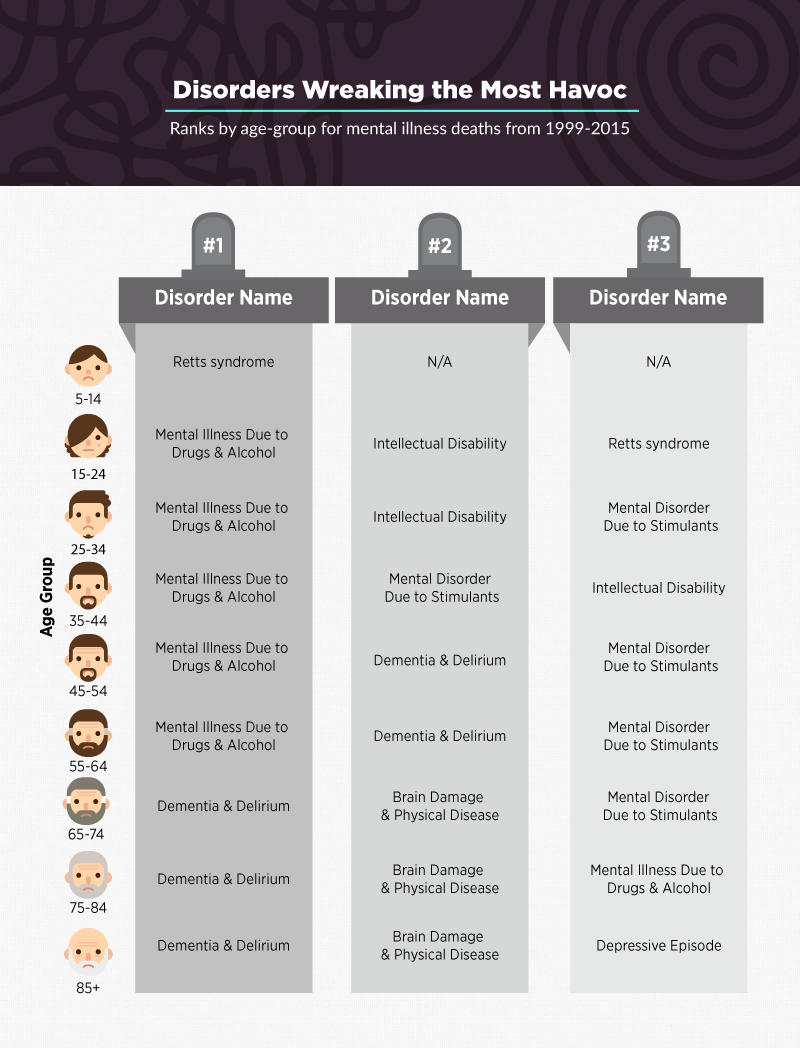
Bipolar disorder presents a unique financial challenge characterized by extreme volatility. While schizophrenia might represent a steady state of low income, bipolar disorder often involves periods of high productivity followed by catastrophic financial collapses.
Manic Spending and Financial Ruin
One of the most direct financial impacts of Bipolar I disorder is the risk of “manic spending.” During a manic episode, individuals may experience impaired judgment and hyper-focus on reward-seeking behavior. This can lead to the rapid depletion of savings, the accumulation of massive credit card debt, or the liquidation of investment portfolios for impulsive business ventures or luxury purchases.
From a wealth management perspective, these episodes function like a “black swan” event. A single month of uncontrolled mania can undo twenty years of disciplined saving. This volatility makes it nearly impossible to follow traditional financial planning models, as the individual’s risk profile changes radically depending on their current mood state.
Employment Stability and Income Gaps
The “cycling” nature of bipolar disorder also affects career progression. Individuals may hold high-paying, high-stress positions during periods of hypomania, only to face job loss or prolonged leave during depressive crashes. This “stop-start” career path results in significant income gaps and a lack of seniority, which prevents the individual from reaching peak earning potential. The financial “worst” aspect here is the unpredictability; it is difficult to budget or plan for the future when your earning capacity can vanish overnight.
Major Depressive Disorder (MDD): The Silent Economic Drain
While schizophrenia and bipolar disorder are devastating at the individual level, Major Depressive Disorder (MDD) is arguably the “worst” mental illness for the global economy. Its sheer prevalence makes it the leading cause of disability worldwide, resulting in trillions of dollars in lost productivity.
Presenteeism and the Corporate Bottom Line
In the corporate world, the financial impact of depression is often hidden under the category of “presenteeism.” This occurs when employees show up for work but are unable to function at full capacity. For a business, this is often more expensive than absenteeism. An unengaged, depressed workforce leads to errors in judgment, decreased innovation, and a slow-down in operational efficiency.
For the individual, the financial cost of depression is often “the slow leak.” It isn’t a sudden bankruptcy from a manic spree; it is the missed promotion, the lack of energy to negotiate a higher salary, and the “depression tax”—the extra money spent on convenience services (like food delivery) because the individual lacks the energy to perform basic tasks. Over a lifetime, this “slow leak” can result in hundreds of thousands of dollars in lost net worth.
Insurance Premiums and Out-of-Pocket Expenses
Depression also carries a heavy burden in the form of out-of-pocket healthcare costs. Many top-tier mental health specialists do not accept insurance, forcing patients to pay hundreds of dollars per hour for quality care. When combined with the cost of brand-name antidepressants and adjunctive therapies, the monthly “maintenance cost” for depression can rival a mortgage payment, significantly reducing the individual’s discretionary income and ability to invest in other asset classes.
Mitigation Strategies: Protecting Financial Health Amidst Mental Health Crises
If mental illness is a financial risk, it must be managed with the same rigor as market risk or credit risk. Protecting one’s financial health in the face of a severe psychological condition requires a proactive, defensive strategy.
Health Savings Accounts (HSAs) and Specialized Insurance
For those managing chronic conditions, utilizing a Health Savings Account (HSA) is a critical financial move. HSAs allow for triple-tax-advantaged savings that can be used to pay for therapy and medication. Furthermore, securing “Own-Occupation” disability insurance while healthy is paramount. This type of insurance ensures that if a mental health condition prevents you from working in your specific field, you receive a percentage of your income, protecting your lifestyle and your ability to continue funding long-term goals.

Wealth Protection and Legal Frameworks
In cases of extreme volatility, such as Bipolar Disorder, legal and financial structures like “Special Needs Trusts” or “Powers of Attorney” can be utilized. These allow a trusted third party to manage assets or limit access to funds during periods of crisis. By treating a mental health diagnosis as a foreseeable financial risk, individuals can build “firewalls” around their core assets, ensuring that even if their health falters, their financial foundation remains intact.
In conclusion, while every mental illness carries a heavy emotional toll, the “worst” illness from a financial perspective depends on the metric used. Schizophrenia causes the most profound lifetime poverty; Bipolar Disorder creates the most acute wealth volatility; and Depression imposes the largest aggregate drain on global and individual productivity. Understanding these financial dynamics is the first step toward building a resilient financial plan that can withstand the complexities of mental health.
aViewFromTheCave is a participant in the Amazon Services LLC Associates Program, an affiliate advertising program designed to provide a means for sites to earn advertising fees by advertising and linking to Amazon.com. Amazon, the Amazon logo, AmazonSupply, and the AmazonSupply logo are trademarks of Amazon.com, Inc. or its affiliates. As an Amazon Associate we earn affiliate commissions from qualifying purchases.