
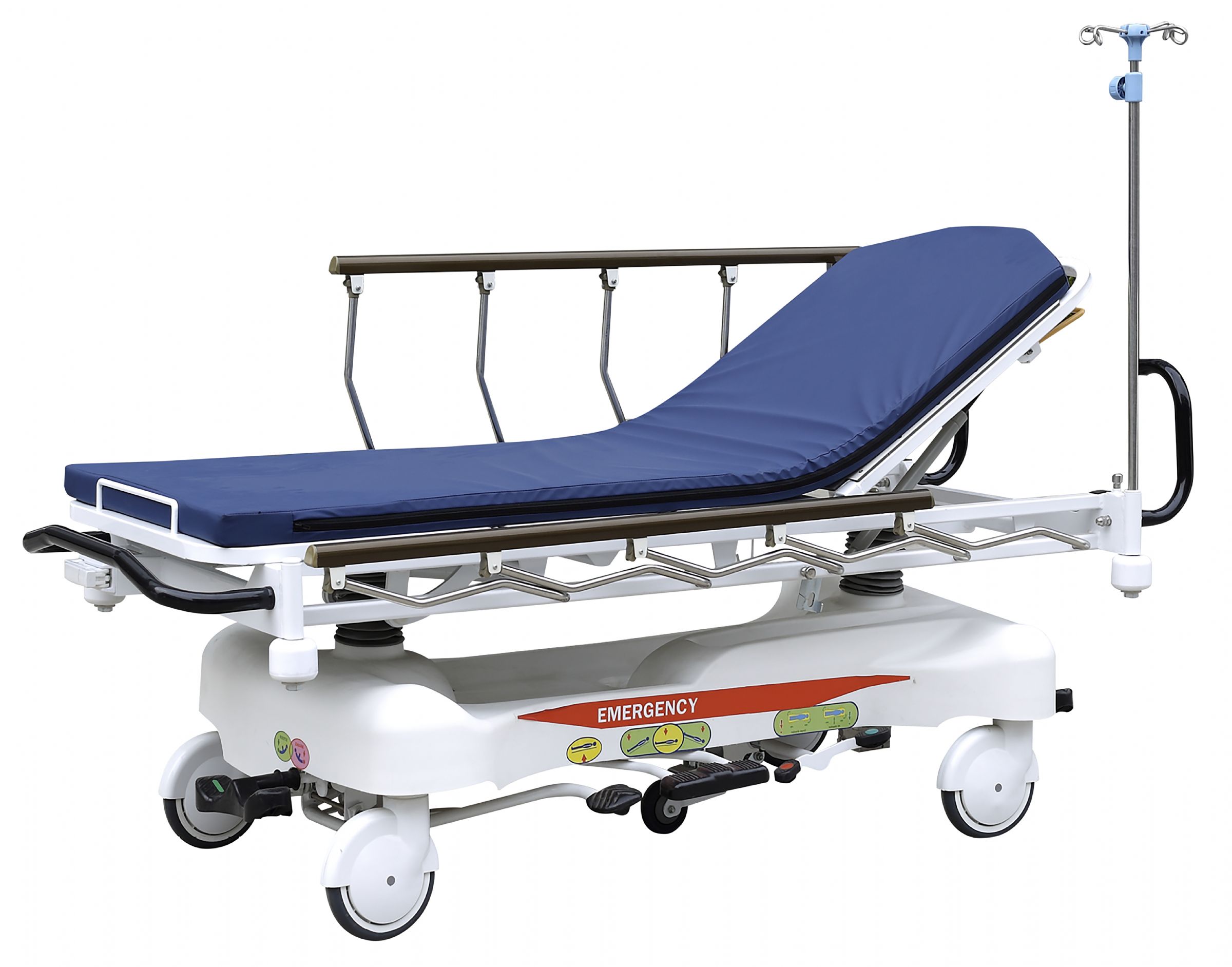
In the fast-paced world of healthcare operations, logistical efficiency is the silent partner to clinical excellence. When we strip away the medical jargon, the term “gurney”—often used interchangeably with stretcher—represents one of the most critical logistical assets in any facility. However, in the context of healthcare infrastructure investment and operational finance, the gurney is far more than a simple metal frame on wheels. It is a high-capital asset that dictates the flow of patients, the productivity of staff, and the overall liability profile of a medical institution. Understanding the gurney from a financial and business management perspective is essential for hospital administrators and private practice owners looking to optimize their operational spend.

The Capital Investment of Patient Transport
For a healthcare facility, the procurement of transport equipment is a significant line item in the annual budget. Unlike low-cost consumables, gurneys fall under the category of durable medical equipment (DME) that requires a comprehensive lifecycle management strategy. When evaluating the acquisition of these assets, leadership must look beyond the initial invoice price and calculate the Total Cost of Ownership (TCO).
Depreciation and Asset Lifecycle
Like any heavy-duty equipment, gurneys depreciate based on usage intensity and material fatigue. A high-end, power-assisted gurney may have a shelf life of seven to ten years before maintenance costs exceed the value of the asset. CFOs and procurement officers must weigh the benefits of leasing versus purchasing. Leasing can preserve capital liquidity, allowing a facility to allocate funds toward revenue-generating diagnostic technology, while purchasing offers long-term balance sheet stability and tax depreciation advantages.
Maintenance and Liability Costs
The “money” side of the gurney isn’t just in the purchase; it is in the upkeep. A faulty wheel, a failing hydraulic system, or a broken locking mechanism represents a significant liability. From a risk management perspective, a malfunctioning gurney is a direct threat to the bottom line. Injuries sustained by patients during transport—or by staff during the operation of the device—can lead to malpractice claims and increased insurance premiums. Therefore, a proactive maintenance schedule is not merely a clinical requirement; it is a financial imperative to mitigate the risk of litigation.
Operational Efficiency and Labor Costs
Labor is the single largest expense for any healthcare provider. One of the most overlooked factors in labor efficiency is the physical interface between the staff and the equipment they use. When we analyze the “gurney” as a tool, we must assess how its design impacts the hourly output of the nursing and transport staff.
The Impact of Ergonomics on Staff Retention
High turnover rates in nursing are a massive financial drain due to the costs associated with recruitment, onboarding, and training. Ergonomic equipment is a retention tool. Modern gurneys equipped with power-assist features, easy-steer technology, and adjustable heights drastically reduce the physical strain on staff. By minimizing musculoskeletal injuries among employees, a facility avoids the dual costs of workers’ compensation claims and temporary staffing surges. Investing in premium gurney technology is, in essence, an investment in workforce stability.

Throughput and Bed Utilization
Hospital throughput—the speed at which patients are moved through the system—directly correlates to revenue. If a patient is waiting for an available gurney, they are not receiving care, and a bed is effectively locked in a state of limbo. Bottlenecks in patient transport lead to longer wait times in the ER and delayed surgeries. By optimizing the inventory and placement of gurneys, facilities can improve patient turnover ratios. Every minute saved in transport is a minute of capacity regained, allowing for higher patient volumes and, consequently, a more robust revenue stream.
Strategic Procurement and Market Trends
The market for patient transport equipment is evolving rapidly, mirroring the broader trends in the medical device sector. For investors and decision-makers, understanding these shifts is key to making informed procurement decisions that won’t become obsolete within a few fiscal cycles.
Transition to Smart Assets
The “smart” hospital movement is driving the integration of IoT (Internet of Things) into transport equipment. Modern gurneys are now being integrated with asset-tracking software. By using RFID or Bluetooth Low Energy (BLE) tags, hospitals can track the real-time location of their transport fleet. This eliminates the “hunt-and-gather” time spent by staff searching for an available gurney, which equates to thousands of lost labor hours annually. Investing in tech-enabled equipment may carry a higher upfront cost, but the ROI is realized through improved staff productivity and reduced asset loss.
Scaling for Specialized Care
The financial strategy for equipment acquisition must also account for specialized medical needs. Bariatric gurneys, imaging-compatible stretchers, and trauma-specific models all carry different price points and maintenance profiles. A common financial error is the “one-size-fits-all” approach. Facilities that fail to diversify their inventory often find themselves over-spending on high-spec gurneys for basic needs, or conversely, forcing staff to use inadequate equipment that creates a safety risk. Strategic procurement involves a precise mapping of patient demographics to the necessary transport infrastructure, ensuring that capital is deployed exactly where it provides the most clinical and financial utility.
The Bottom Line: Valuing the Hidden Asset
Ultimately, the question “what’s a gurney?” should be answered by every financial stakeholder in a medical organization as: “a foundational operational asset.” When we view the gurney through a financial lens, it shifts from being a mere piece of furniture to a critical component of the hospital’s operational ecosystem.
Balancing Quality with Financial Stewardship
Financial stewardship in a healthcare setting is about balancing the delivery of exceptional patient outcomes with the sustainability of the business model. The most successful facilities are those that treat equipment procurement as a strategic initiative rather than an administrative chore. By choosing equipment that lasts longer, requires less maintenance, reduces staff injury, and supports faster throughput, administrators turn a necessary expense into a competitive advantage.
Preparing for Future Challenges
As healthcare systems face increasing pressure to lower costs while improving quality, the role of efficient patient handling will only grow. The inflationary pressure on medical equipment means that those who understand the market—who know how to negotiate vendor contracts, how to leverage asset tracking for utilization data, and how to maintain equipment to extend its life—will be the ones who thrive. The gurney, while humble in appearance, is a primary driver of the physical flow of patients. In the business of healthcare, flow is money. If you can move the patient efficiently, safely, and cost-effectively, you are managing the facility with the precision required for long-term financial success. In this light, the gurney is not just a tool; it is a vital indicator of an organization’s commitment to both operational excellence and financial health.
aViewFromTheCave is a participant in the Amazon Services LLC Associates Program, an affiliate advertising program designed to provide a means for sites to earn advertising fees by advertising and linking to Amazon.com. Amazon, the Amazon logo, AmazonSupply, and the AmazonSupply logo are trademarks of Amazon.com, Inc. or its affiliates. As an Amazon Associate we earn affiliate commissions from qualifying purchases.