
In the current era of the “Quantified Self,” the metrics of human biology have transitioned from the sterile confines of a doctor’s office to the sleek interfaces of our most personal gadgets. Among these metrics, the resting heart rate (RHR) has emerged as the quintessential indicator of cardiovascular efficiency and overall systemic health. But when we ask what constitutes a “great” resting heart rate, we are no longer just looking for a single number on a chart; we are looking at a complex data point interpreted through sophisticated sensors, cloud-based algorithms, and continuous monitoring.
The Evolution of Biometric Monitoring: From the Clinic to the Wrist
Historically, measuring a resting heart rate was a manual, episodic event. It required a physical pulse check or a professional-grade electrocardiogram (ECG). Today, the landscape is dominated by consumer-grade wearables—smartwatches, rings, and chest straps—that provide a 24/7 stream of biometric data. This technological shift has changed the definition of what is “normal” versus what is “optimal.”
The Shift to Continuous Data
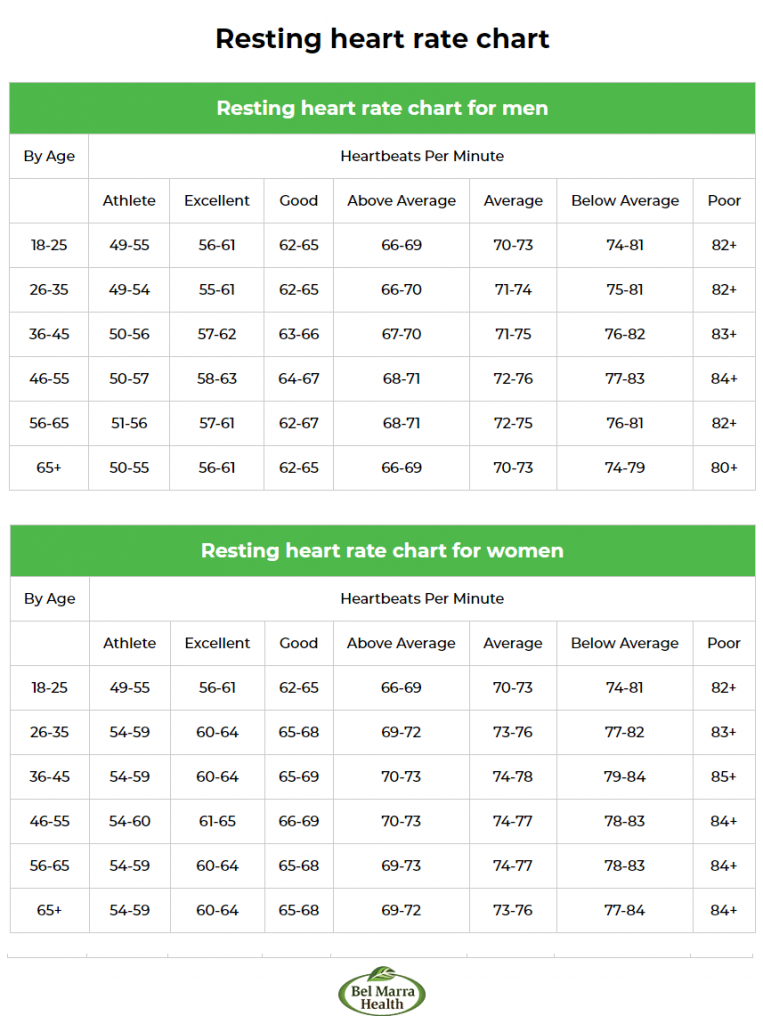
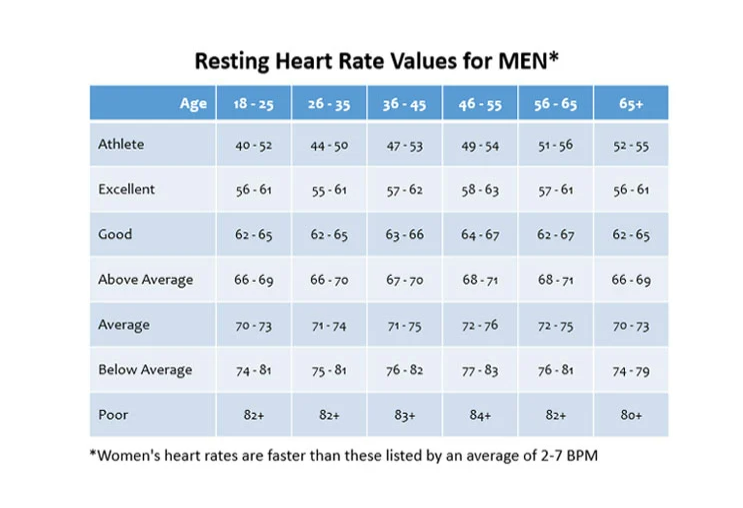
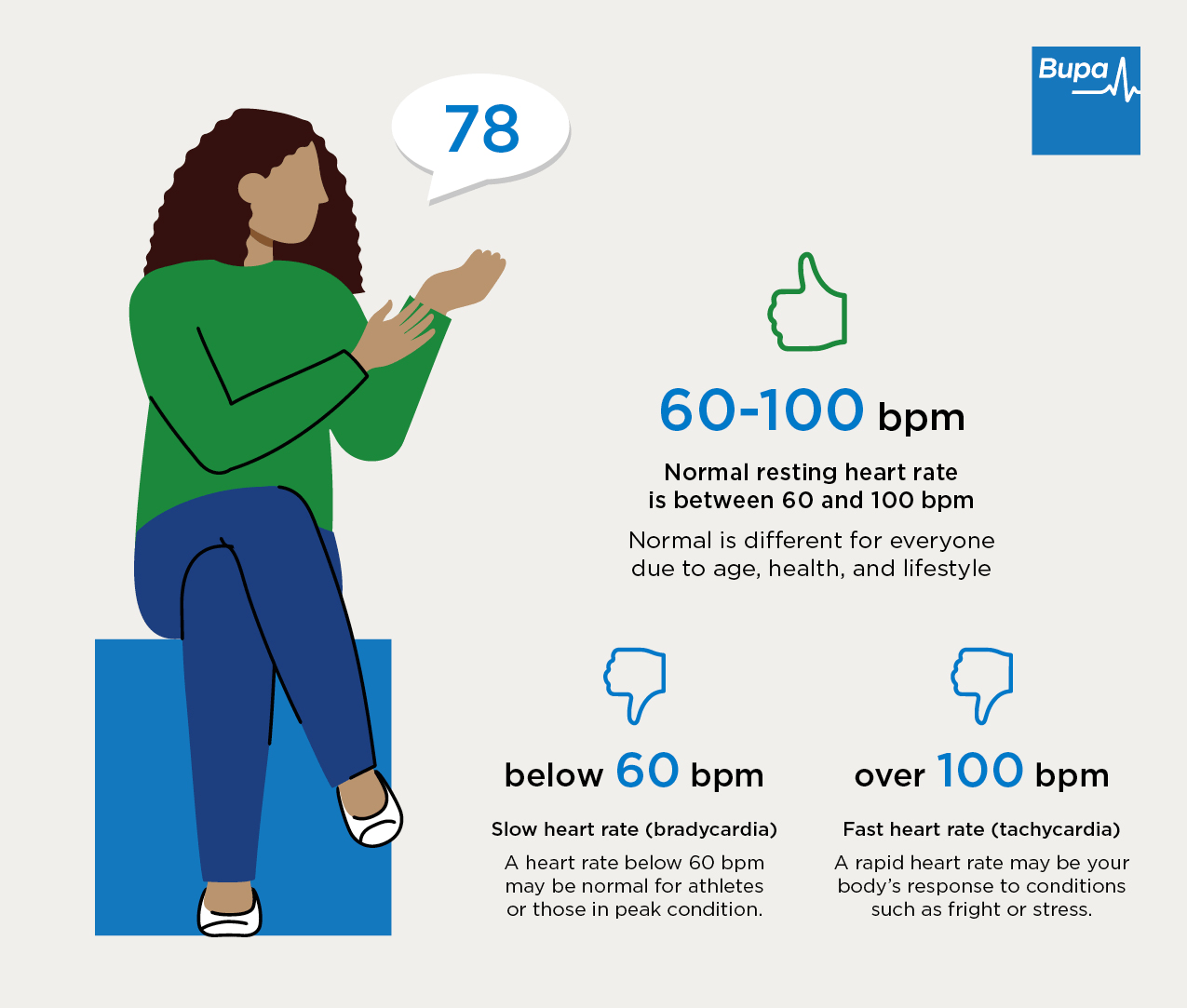
While clinical standards often cite 60 to 100 beats per minute (bpm) as the normal range for adults, tech-driven data sets from millions of wearable users suggest a different story. Continuous monitoring reveals that a “great” RHR is highly individualized. In the tech world, “great” is often defined as a rate that sits comfortably at the lower end of the spectrum—typically between 40 and 60 bpm for highly active individuals—while maintaining high stability over time. The power of modern health tech lies in its ability to identify your unique baseline rather than comparing you to a generic population average.
The Precision of PPG Sensors
The primary technology driving this data revolution is Photoplethysmography (PPG). By using green LED lights coupled with light-sensitive photodiodes, devices like the Apple Watch, Garmin Fenix, and Oura Ring can detect the volume of blood flow through the capillaries in your wrist or finger. As the heart beats, the pressure wave changes the light absorption. Sophisticated software then filters out “noise”—movement, ambient light, and skin tone variations—to deliver a RHR reading that is increasingly approaching clinical accuracy.
Interpreting the Numbers: What Does Your Device Consider “Great”?
When you sync your device in the morning, the RHR figure presented is rarely a simple snapshot. Instead, it is the result of complex algorithmic processing. Most high-end wearables calculate RHR during the deepest stages of sleep or in the moments immediately preceding wakefulness to ensure the body is in a true state of rest.
Establishing a Personal Digital Baseline
A “great” heart rate in a tech context is one that shows “trend stability.” If your Apple Health or Fitbit dashboard shows a consistent RHR of 58 bpm, that is your “green zone.” The software uses machine learning to understand your circadian rhythms. A sudden deviation—say, an increase to 65 bpm—is flagged by the AI as a sign of stress, impending illness, or overtraining. Thus, in the niche of health technology, a “great” heart rate is synonymous with a “predictable” heart rate.
The Impact of Firmware and Algorithmic Updates
It is important to recognize that the RHR reported by a device can change based on software updates. Manufacturers frequently tweak their algorithms to better account for “artifacts” (erroneous data points caused by movement). A “great” reading on a Garmin device might differ slightly from a “great” reading on a Whoop strap because of how each company’s proprietary AI interprets the raw PPG signal. Users must understand that they are looking at a digital interpretation of their biology, optimized for long-term trend analysis rather than a one-time medical diagnostic.
Beyond the Pulse: The Synergy of RHR and Heart Rate Variability (HRV)
To truly understand what makes a resting heart rate “great,” the tech industry has pivoted toward a more nuanced metric: Heart Rate Variability (HRV). While RHR measures the average beats per minute, HRV measures the millisecond fluctuations between those beats.
AI-Driven Readiness Scores
The most advanced health platforms now combine RHR and HRV into a single “Readiness” or “Body Battery” score. A great RHR is only half the story; it must be paired with high HRV to indicate a nervous system that is balanced and responsive. AI models analyze these two metrics in tandem to provide actionable insights. For example, if your RHR is low (great) but your HRV is also low (poor), the algorithm may suggest a rest day, identifying that your parasympathetic nervous system is struggling to recover.
Machine Learning and Predictive Health Indicators
Large-scale data analytics have allowed tech companies to use RHR as a predictive tool. By analyzing massive, anonymized datasets, researchers have developed algorithms that can detect early signs of viral infections, including COVID-19, often days before the user feels symptoms. A “great” RHR, therefore, serves as the stable floor upon which these predictive AI models are built. When the floor shifts, the tech alerts the user, transforming the smartwatch from a passive tracker into a proactive health guardian.
The Hardware Behind the Measurement
The hardware design of modern wearables plays a critical role in the accuracy of the RHR data we receive. The miniaturization of components has allowed for more sensors to be packed into smaller form factors, improving the signal-to-noise ratio.
Photoplethysmography (PPG) vs. Electrocardiogram (ECG)
While PPG is the standard for continuous RHR monitoring, many flagship devices now include ECG sensors. By touching the digital crown or a specific point on the frame, the user completes a circuit that allows the device to measure the heart’s actual electrical activity. This provides a “gold standard” check against the optical PPG data. A “great” RHR is most reassuring when the optical trend data aligns perfectly with periodic ECG spot-checks, confirming the absence of arrhythmias like Atrial Fibrillation (AFib).
The Challenge of Data Artifacts and Noise
One of the biggest hurdles in tech is ensuring that the “great” RHR reported is not a result of a “cadence lock” or sensor malfunction. High-end gadgets use multi-wavelength sensors—utilizing green, red, and infrared light—to penetrate different depths of the skin. This multi-layered approach allows the device to cross-reference data points, ensuring that the RHR displayed on the OLED screen is a true reflection of the user’s physiology and not just a digital ghost.
Data Sovereignty and the Future of Health Tech
As we pursue a “great” resting heart rate through the lens of technology, we must address the implications of where this data lives and how it is protected. Biometric data is the most personal information an individual can generate.
The Security of Biometric Cloud Storage
When your device records a heart rate of 52 bpm, that data is encrypted and sent to the cloud. Leading tech firms are now utilizing end-to-end encryption and on-device processing to ensure that health metrics remain private. In the niche of digital security, a “great” RHR is one that is stored in a decentralized or highly encrypted environment, inaccessible to third parties without explicit user consent.
Integrating Wearable Data into the Broader Tech Ecosystem
The future of RHR monitoring lies in integration. We are moving toward an era where your “great” heart rate data won’t just sit in a siloed app. Through APIs like Apple HealthKit and Google Fit, this data can be shared with smart home systems to adjust room temperature for better sleep, or with tele-health platforms to provide doctors with a longitudinal view of a patient’s health. The goal is a seamless digital ecosystem where biometric data informs every aspect of our environment, optimizing our lives for better cardiovascular outcomes.
In conclusion, a “great” resting heart rate is no longer a static number. In the world of technology, it is a dynamic, data-rich baseline that reflects the efficiency of our biological hardware. Through the lens of advanced sensors, machine learning, and secure data ecosystems, our RHR has become a vital signal in the noise of modern life, providing a digital window into our physical well-being. Whether it is 45 bpm or 65 bpm, the “greatness” of the rate is found in its consistency, its interpretation by intelligent software, and the peace of mind it provides to the user in an increasingly quantified world.
aViewFromTheCave is a participant in the Amazon Services LLC Associates Program, an affiliate advertising program designed to provide a means for sites to earn advertising fees by advertising and linking to Amazon.com. Amazon, the Amazon logo, AmazonSupply, and the AmazonSupply logo are trademarks of Amazon.com, Inc. or its affiliates. As an Amazon Associate we earn affiliate commissions from qualifying purchases.