
The conclusion of Deadpool 2 represents more than just the climax of a superhero sequel; it serves as a sophisticated case study in brand management, intellectual property (IP) rehabilitation, and the strategic pivot of a cinematic identity. While the narrative concludes with a high-stakes confrontation involving Cable, Firefist, and the Juggernaut, the true “ending”—encompassing both the final act and the revolutionary mid-credits sequence—functions as a bold manifesto on how a brand can maintain its core values while expanding its market reach.
By examining what happens at the end of the film through the lens of brand strategy, we can see how the producers utilized narrative subversion to future-proof the character, rectify past corporate missteps, and establish a unique selling proposition (USP) that distinguishes Deadpool from the broader, more homogenized superhero landscape.
The Strategic Pivot: Shifting from Solo Outlier to Team-Centric Brand
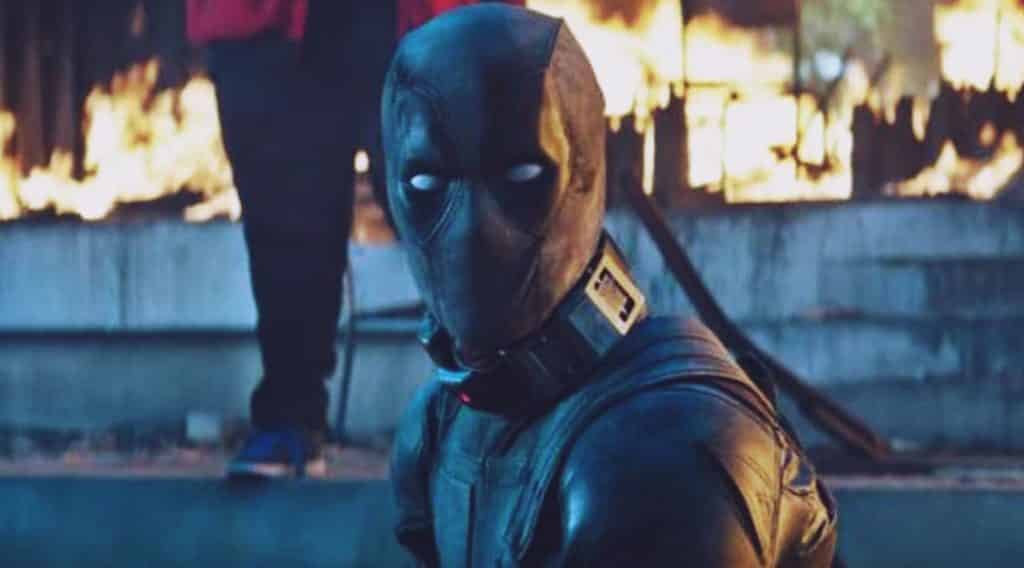
The primary narrative arc of Deadpool 2 concludes with an act of uncharacteristic self-sacrifice. Wade Wilson, a character defined by his immortality and nihilism, chooses to wear a power-dampening collar, rendering him vulnerable to a lethal gunshot intended for Russell (Firefist). This conclusion is a calculated move in brand positioning. It transitions Deadpool from a “lone wolf” novelty act into the foundational pillar of a larger community—specifically the burgeoning X-Force.
Building the X-Force Equity
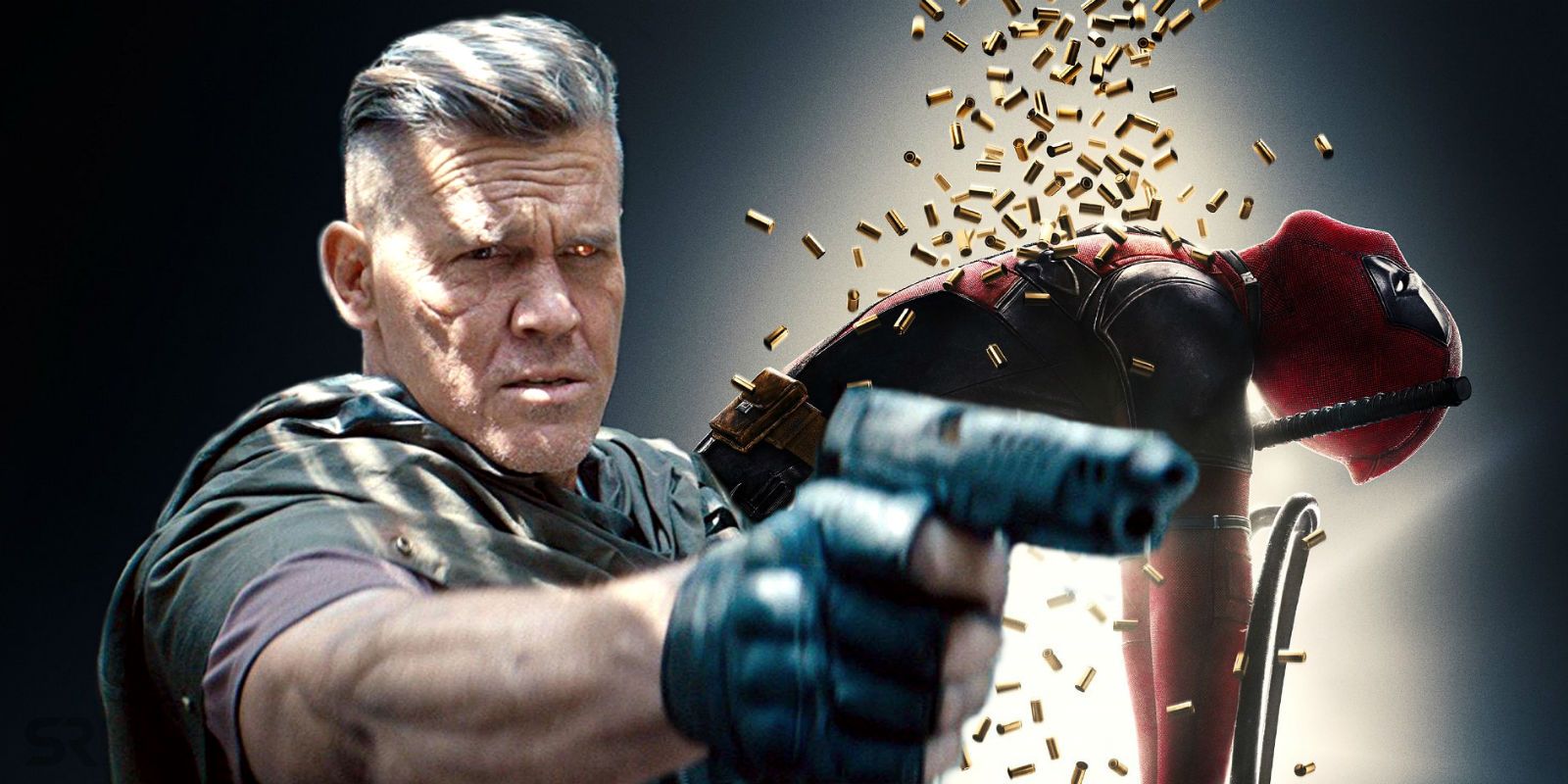
From a brand strategy perspective, the ending of the film acts as a “soft launch” for a broader product line. By introducing characters like Domino and Cable, and then solidifying their bond through a shared tragedy, the brand expands its footprint. The “Deadpool” name is no longer just a single product; it is a platform. The conclusion ensures that the audience is invested not just in Wade Wilson, but in the “X-Force” sub-brand. This is a classic diversification strategy, allowing the parent company to mitigate the risk of character fatigue by surrounding the lead with high-value secondary assets.
The Emotional Core: Expanding the Brand’s Depth
A brand that relies solely on humor is inherently fragile. To ensure longevity, the Deadpool brand needed to prove it possessed emotional depth. The ending, which sees Wade in a purgatorial vision with Vanessa set to an acoustic version of “Take On Me,” serves this purpose perfectly. It adds a layer of “Emotional Branding” to the franchise. By showing that the character can sustain a serious, heartfelt moment, the filmmakers expanded the brand’s emotional range, making it more resilient and appealing to a wider demographic that might otherwise be alienated by the film’s relentless cynicism.
The Post-Credits Masterstroke: Brand Absolution and IP Management
While the main story ends with sacrifice and family, the mid-credits sequence is where the brand’s strategic genius truly shines. Utilizing Cable’s time-travel device, Deadpool embarks on a “cleanup” mission that is essentially a corporate audit of Ryan Reynolds’ career and the character’s messy history. This is perhaps the most aggressive example of brand self-correction in cinematic history.
Erasing Legacy Failures
The sequence where Deadpool travels back to X-Men Origins: Wolverine to execute the previous, widely disliked version of himself is a brilliant move in brand absolution. In marketing terms, this is “de-branding” a failed product. By literally killing the version of the character that fans hated, the current brand acknowledges the customer’s dissatisfaction and promises a better way forward. It builds immense trust with the audience, signaling that the brand stewards are “on their side.”
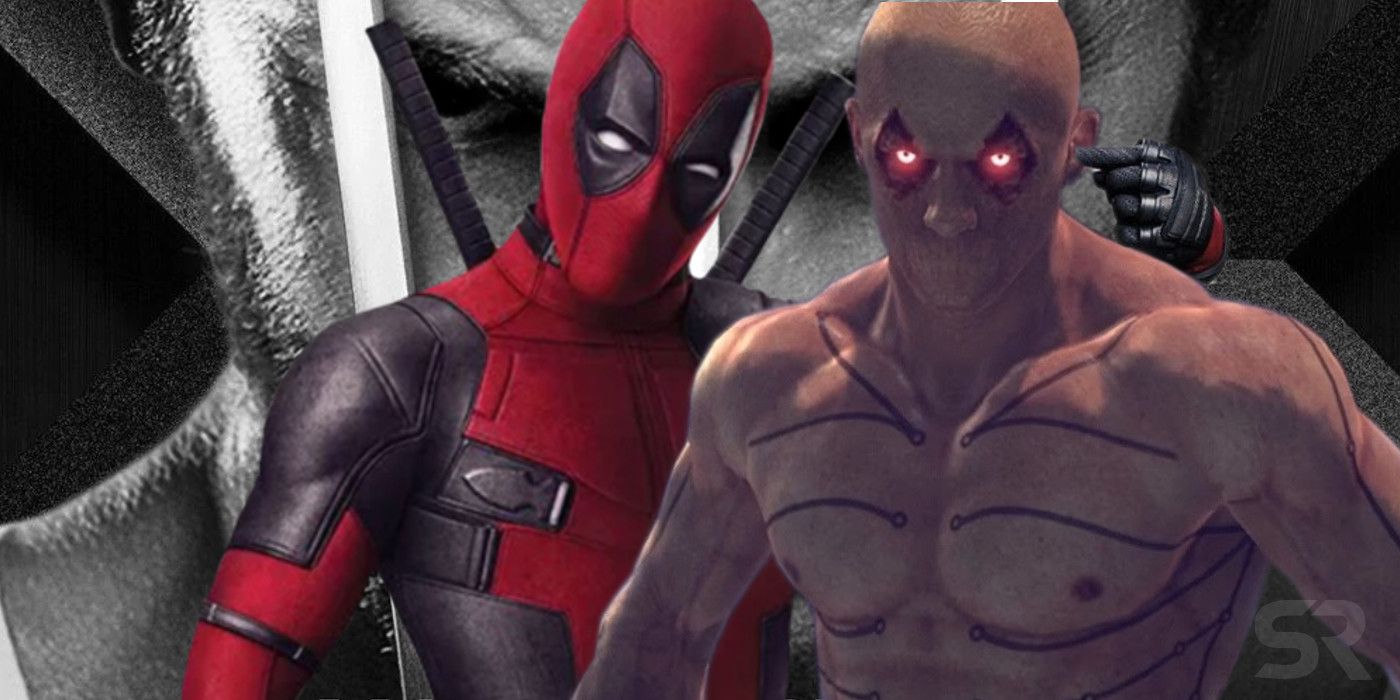
Furthermore, the scene where Deadpool shoots Ryan Reynolds as he holds the script for Green Lantern is a meta-strategic masterstroke. It merges the personal brand of the actor with the fictional brand of the character. This transparency—mocking one’s own commercial failures—humanizes the brand and turns a historical liability into a modern asset of “authenticity.”
The Meta-Narrative as a Marketing Tool
The ending of Deadpool 2 leverages meta-commentary as a core brand pillar. Most franchises treat their internal logic as sacrosanct. Deadpool, conversely, uses his ending to highlight the artificiality of the genre. This “Fourth Wall Breaking” is not just a gag; it is a Customer Relationship Management (CRM) strategy. It creates an “insider” feeling for the audience, making them feel like co-conspirators in the joke. This level of engagement is rare in corporate branding and creates a fierce brand loyalty that competitors like the more traditional MCU struggle to replicate.
Subverting Industry Norms: The Irreverence Quotient as a Competitive Advantage
The conclusion of the film reinforces the brand’s primary competitive advantage: its refusal to follow the rules. While other superhero films end with a “tease” for a future threat (a standard “cliffhanger” marketing tactic), Deadpool 2 ends by literally breaking its own timeline. This unpredictability is a key component of the Deadpool Brand Identity.
Breaking the Fourth Wall as a CRM Strategy
By the time the credits roll, the brand has established a direct line of communication with its audience. The ending doesn’t just resolve the plot; it speaks to the viewer about the state of the movie industry. This creates a “Brand Community” where the shared language is one of skepticism and irony. In an era where consumers are increasingly savvy and cynical about marketing, this “anti-marketing” approach is incredibly effective. The ending of Deadpool 2 isn’t asking you to buy a ticket for the next movie; it’s inviting you to join a club that thinks movies are often ridiculous.
Risk Management in R-Rated Branding
Financially, the ending of Deadpool 2 proves that an R-rated brand can achieve “Blockbuster” status without sacrificing its edge. The decision to keep the stakes personal rather than global (saving one kid’s soul rather than saving the entire world) distinguishes the brand from the “Generic Superhero” category. This niche positioning allows the brand to operate with lower budgets and higher profit margins than its “PG-13” counterparts, as it doesn’t need to appeal to every single demographic to be successful. It leans into its “Edgy Brand” persona to secure a loyal, high-value core audience.
The Disney Transition: Future-Proofing the Deadpool Identity
At the time of Deadpool 2‘s release, the impending acquisition of 20th Century Fox by Disney was the elephant in the room. The ending of the film, specifically the chaotic time-traveling, served as a strategic “reset button” that prepared the brand for this transition.
Maintaining Brand Integrity During a Merger
The greatest risk to the Deadpool brand was the perception that it would be “watered down” by Disney’s family-friendly corporate identity. The aggressive, violent, and meta-textual ending of the second film served as a stake in the ground. It informed the new corporate parents that the brand’s value lies in its subversion. By ending on such a high note of irreverence, the creators made it clear that the brand’s “DNA” is non-negotiable.
The Strategic Value of the “Multiverse” Before it was Trendy
By using the time-travel device to hop between different movie realities (the X-Men universe, the “real” world where Ryan Reynolds exists, etc.), the ending of Deadpool 2 effectively pre-habilitated the character for the Multiverse era of the MCU. It established that Deadpool is a “trans-media” entity who can exist outside of traditional continuity. This flexibility is a massive asset for Disney/Marvel, as it allows them to drop the character into any project without needing a complex narrative justification.
In conclusion, what happens at the end of Deadpool 2 is a sophisticated exercise in brand management. Through narrative sacrifice, the brand gained emotional equity. Through the mid-credits sequence, it performed a necessary audit of its own history, erasing “brand toxins” and strengthening its connection with the audience. By maintaining its irreverent tone, it protected its identity against corporate homogenization. The ending was not just the conclusion of a story; it was the recalibration of a multi-million dollar asset, ensuring that Deadpool remains one of the most resilient and recognizable brands in modern entertainment.
aViewFromTheCave is a participant in the Amazon Services LLC Associates Program, an affiliate advertising program designed to provide a means for sites to earn advertising fees by advertising and linking to Amazon.com. Amazon, the Amazon logo, AmazonSupply, and the AmazonSupply logo are trademarks of Amazon.com, Inc. or its affiliates. As an Amazon Associate we earn affiliate commissions from qualifying purchases.