
In the modern digital landscape, the question “What’s a great movie on Netflix?” is rarely answered by a human critic. Instead, it is the result of one of the most sophisticated technological ecosystems ever built. While viewers see a simple interface of scrolling tiles, behind the screen lies a complex architecture of machine learning, data science, and cloud computing designed to solve the “paradox of choice.” To understand what makes a movie “great” on the platform, one must look past the cinematography and into the software that predicts human desire.
The Architecture of Recommendation: How Software Defines “Great”
At the heart of the Netflix experience is its recommendation engine, a multi-layered software suite that processes billions of data points to curate a personalized storefront for every subscriber. The technology has evolved far beyond simple genre tags; it now utilizes deep learning to understand the nuance of “mood” and “context.”
Collaborative and Content-Based Filtering
Netflix employs a hybrid approach to its recommendation algorithms. Collaborative filtering looks at the behavior of millions of users—if User A and User B share similar viewing histories, the system assumes User A will enjoy a movie that User B recently finished. However, the tech goes deeper with content-based filtering, which analyzes the intrinsic properties of a film. Every “great” movie on the platform is broken down into thousands of “micro-tags,” ranging from the level of violence to the specific tone of the dialogue. This metadata allows the software to bridge the gap between seemingly unrelated titles.
The Role of Reinforcement Learning
The platform utilizes reinforcement learning to optimize for long-term satisfaction rather than just a single click. When a user hovers over a title, the system records the dwell time. If the user clicks and watches for more than ten minutes, the algorithm receives a positive reward signal. If they bounce after thirty seconds, the model adjusts, refining its understanding of what constitutes “greatness” for that specific profile. This continuous feedback loop ensures that the interface evolves in real-time.
Row Ranking and Personalization
Every row on the Netflix home screen—whether it is “Trending Now,” “Top Ten,” or “Because You Watched”—is generated by a specific algorithm. The “Top Ten” list isn’t just a raw count of views; it is localized and filtered through regional data centers to ensure relevance. The software determines the order of these rows based on their probability of engagement, effectively creating a unique “digital store” for each of its 260+ million subscribers.
The Science of the Thumbnail: Aesthetic Visual Analysis (AVA)
Even the most critically acclaimed film might go unnoticed if its presentation fails to capture attention. This is where Netflix’s “Aesthetic Visual Analysis” (AVA) comes into play. The technology behind the artwork is just as advanced as the recommendation engine itself.
Dynamic Imagery and A/B Testing
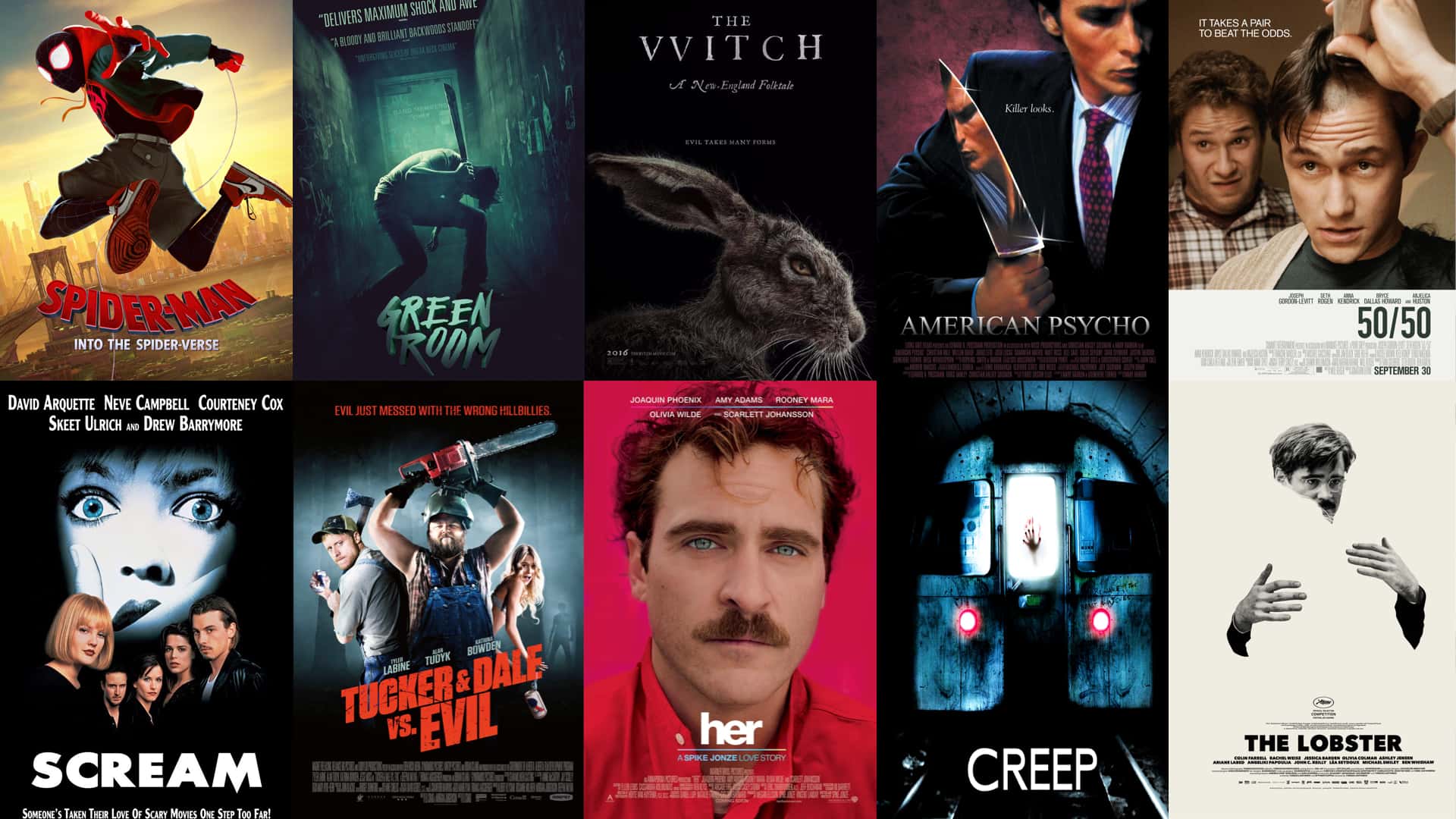
When you ask for a great movie, the software doesn’t just show you a static poster. It selects a specific thumbnail based on your viewing history. If a user frequently watches romantic comedies, the algorithm might display a thumbnail featuring the leads in a close embrace. If that same user leans toward action, the system may swap that image for an explosion or a high-stakes chase sequence from the same film. This is powered by large-scale A/B testing software that runs thousands of variations simultaneously to determine which image yields the highest click-through rate (CTR).
Frame-by-Frame Selection
The AVA tool analyzes every frame of a movie to identify the highest quality images for promotional use. It looks for technical parameters such as “saliency” (the most important part of the image), contrast, and “skin tone” balance. It even uses facial recognition to ensure that actors’ expressions align with the predicted mood of the user. By the time a movie is recommended to you, the software has already processed the visual data to ensure the invitation to watch is as compelling as possible.
Localization Through Automation
Managing artwork for a global audience requires massive technical scale. Netflix uses automated tools to overlay localized text and logos onto these dynamic images. This ensures that a movie trending in Tokyo has the same visual polish and linguistic relevance as one in New York, all without requiring manual design work for every single title variation.
The Infrastructure of Quality: Encoding and Streaming Performance
A movie is only “great” if the viewing experience is seamless. The technical achievement of delivering high-definition content to diverse devices across varying internet speeds is a cornerstone of the Netflix software stack.
Dynamic Optimizer and Per-Shot Encoding
In the early days of streaming, movies were encoded at a fixed bitrate. Today, Netflix uses a “per-shot” encoding technology known as the Dynamic Optimizer. This AI-driven tool analyzes each scene to determine how much data is actually needed to maintain visual fidelity. An action scene with high motion requires more data, while a static shot of a landscape requires less. This software allows Netflix to deliver 4K-quality visuals while using significantly less bandwidth, ensuring that users with slower connections still perceive the movie as “great” rather than “pixelated.”
Edge Computing and Open Connect
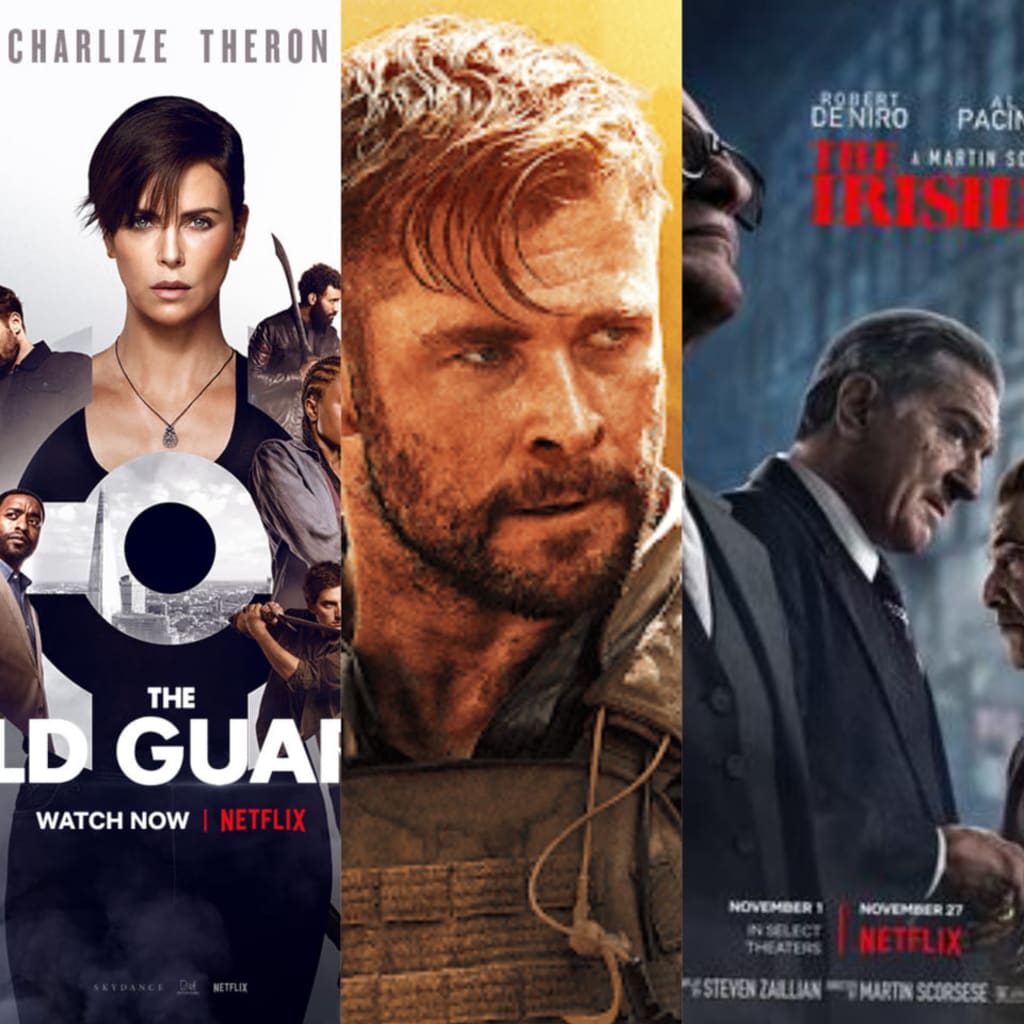
To minimize latency and buffering, Netflix operates its own Content Delivery Network (CDN) called Open Connect. Instead of streaming a movie from a central server in California, the tech places “Open Connect Appliances” (OCAs) directly inside the data centers of local Internet Service Providers (ISPs). When you hit play on a blockbuster, the data is likely traveling only a few miles from a local server to your living room. This edge computing strategy is what allows the platform to handle massive traffic spikes during the release of high-profile “Originals.”
Device Optimization and Adaptive Streaming
The Netflix app is optimized for thousands of different devices, from high-end OLED TVs to budget smartphones. The software utilizes “Adaptive Bitrate Streaming,” which constantly monitors the network conditions and device performance. If the Wi-Fi signal drops, the software seamlessly shifts to a lower-resolution stream without stopping the movie. This technical resilience is invisible to the user but essential to the perception of a premium service.
Data-Driven Production: Using AI to Create “Greatness”
Beyond recommending and delivering movies, Netflix uses technology to decide which movies get made in the first place. The shift from a distribution company to a production powerhouse was driven by data analytics.
Predicting Success with Neural Networks
Before greenlighting a multi-million dollar project, Netflix executives consult predictive models. These neural networks analyze the performance of similar titles, the global popularity of the cast, and the “stickiness” of the script’s genre. By looking at historical data, the software can estimate the potential return on investment (ROI) and the “efficiency” of a movie in acquiring or retaining subscribers. This data-centric approach minimizes the financial risk of production.
Post-Production and AI Tools
Modern filmmaking on the platform involves significant post-production technology. Netflix provides its creators with specialized cloud-based tools for color grading, sound mixing, and visual effects (VFX). By standardizing the technical requirements for its “Netflix Post Technology Alliance,” the company ensures that every original film meets a high baseline of technical excellence, regardless of where it was filmed.
The Evolution of Interactive Storytelling
The experiment with interactive films like Black Mirror: Bandersnatch showcased a new branch of streaming software. This required the development of “branching narrative” technology that allows the player’s choices to trigger seamless transitions between different video files. While still a niche, this tech represents the future of how software might redefine the very structure of a “movie.”
The Future of Discovery: Generative AI and Beyond
As we look toward the future, the technology used to find a great movie is moving into the realm of generative AI and natural language processing.
Conversational Search Interfaces
The next evolution of the Netflix app will likely feature conversational AI, allowing users to find movies through complex natural language queries. Instead of searching for “Action Movies,” a user might say, “Find me a tense thriller with a twist ending that I haven’t seen yet,” and the software will synthesize its metadata to provide a curated list with reasoned explanations.
Generative Previews and Personalized Trailers
We are approaching an era where trailers themselves might be generated on the fly. Using generative video tools, the software could create a custom 30-second teaser for a movie that highlights the specific elements it knows a particular user enjoys—focusing on the score for a music lover or the dialogue for a drama enthusiast.

Holistic Digital Ecosystems
Ultimately, the search for a “great movie” is becoming an integrated part of a broader digital lifestyle. As Netflix integrates gaming and live events into its app, the underlying technology will need to bridge these different forms of media. The recommendation engine will evolve to understand not just what you want to watch, but when you want to play or interact, creating a seamless experience that transcends the traditional boundaries of cinema.
In conclusion, a “great movie” on Netflix is the product of an invisible, high-tech ballet. From the machine learning models that predict your taste to the encoding software that ensures a crisp picture, the technology is the true curator of the modern cinematic experience. The interface we see is merely the tip of a massive technological iceberg, designed to ensure that the next great story is always just one click away.
aViewFromTheCave is a participant in the Amazon Services LLC Associates Program, an affiliate advertising program designed to provide a means for sites to earn advertising fees by advertising and linking to Amazon.com. Amazon, the Amazon logo, AmazonSupply, and the AmazonSupply logo are trademarks of Amazon.com, Inc. or its affiliates. As an Amazon Associate we earn affiliate commissions from qualifying purchases.