
In an era defined by digital innovation, understanding and optimizing personal health has never been more accessible. The seemingly simple question, “what’s a good walking heart rate?”, opens a gateway to a sophisticated world of wearable technology, data analytics, and personalized health insights. Far from being a mere biological metric, your walking heart rate, when accurately measured and interpreted through modern tech, becomes a powerful indicator of fitness levels, cardiovascular health, and overall well-being. This article delves into how technology has revolutionized our ability to monitor, understand, and act upon this crucial health data, transforming casual strolls into informed fitness endeavors.
The Core Concept: Understanding Your Target Heart Rate Zones Through Tech
At its heart, determining a “good” walking heart rate is about understanding your body’s physiological responses to exertion and aligning them with your fitness goals. Technology has moved this from a manual calculation and estimation process to an automated, precise, and easily digestible experience.
The Science Behind Heart Rate: A Quick Primer for Tech Enthusiasts
Before we dive into the gadgets, it’s essential to grasp the fundamental science. Your heart rate is the number of times your heart beats per minute (bpm). During physical activity like walking, your heart rate increases to pump more oxygenated blood to your working muscles. Modern wearables leverage various sensor technologies to capture this vital sign, translating biological signals into actionable digital data. Understanding the basics helps in appreciating the complex algorithms these devices employ to provide accurate readings and interpretations.
Calculating Your Maximum Heart Rate (MHR) with Digital Precision
The traditional formula for estimating your Maximum Heart Rate (MHR) is 220 minus your age. While useful, this is a generalized estimation. Advanced fitness trackers and smartwatches often incorporate more sophisticated age-based formulas or even use personalized data collected over time to refine this estimate. Some high-end devices can even perform short, guided tests to more accurately determine your MHR, leveraging their integrated sensors and processing power to provide a more tailored baseline than a simple arithmetic calculation. This digital refinement significantly enhances the accuracy of subsequent heart rate zone calculations.
Defining Walking Heart Rate Zones: Fat Burn vs. Cardio with App Guidance
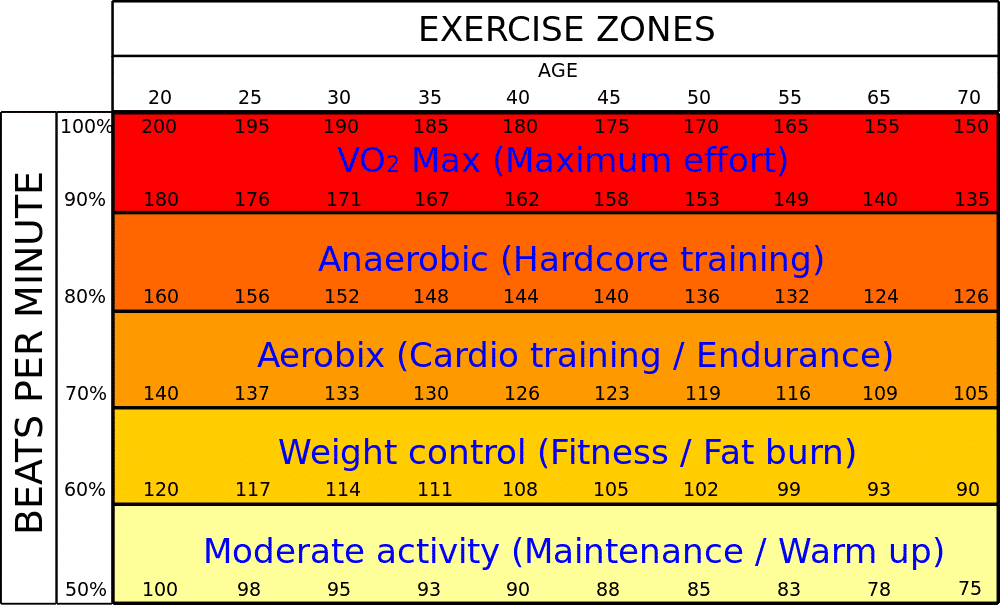
Once your MHR is established, technology shines in helping you identify and maintain specific heart rate zones for walking. These zones are typically expressed as a percentage of your MHR:
-
Warm-up Zone (50-60% MHR): Ideal for beginning a walk, getting the muscles ready.
-
Fat-Burning Zone (60-70% MHR): A moderate intensity where the body primarily uses fat for fuel. Many apps display this zone prominently, helping users target weight loss goals.
-
Cardio/Aerobic Zone (70-80% MHR): A higher intensity that improves cardiovascular fitness and endurance. Fitness apps often provide real-time alerts or visual cues (e.g., color changes on the screen) to indicate when you’re in this zone.
-
Peak Zone (80-90% MHR): High-intensity activity, typically for short bursts during power walking or intervals.
Modern fitness apps, often linked to wearables, dynamically display your current heart rate and indicate which zone you’re in, offering real-time feedback that empowers users to adjust their pace and optimize their workout instantly. This interactive guidance is a cornerstone of tech-driven fitness.
The Technological Evolution of Heart Rate Monitoring
The journey of heart rate monitoring has seen incredible technological leaps, transforming bulky, specialized equipment into sleek, ubiquitous smart devices. This evolution has made personalized health monitoring a mainstream reality.
From Chest Straps to Wrist-Worn Devices: A Brief History
Early consumer heart rate monitors primarily consisted of chest straps that used electrical sensors (ECG accurate) to detect heartbeats and wirelessly transmit data to a receiver, often a watch. While highly accurate, they could be uncomfortable for some users. The significant shift came with the advent of optical heart rate sensors (photoplethysmography or PPG) integrated into wrist-worn devices like fitness trackers and smartwatches. This innovation democratized heart rate monitoring, making it convenient and non-intrusive for everyday use, including casual walking.
How Modern Wearables Work: Optical vs. Electrical Sensors
-
Optical (PPG) Sensors: These are the most common in smartwatches and fitness bands. They work by emitting green LED light into the skin. Blood absorbs green light, so as blood flows through your capillaries with each heartbeat, the amount of light reflected back to the sensor changes. The device’s algorithms then interpret these light fluctuations to calculate your heart rate. While generally very convenient and accurate for steady activities like walking, their accuracy can be affected by movement artifacts, skin tone, and placement.
-
Electrical (ECG/EKG) Sensors: Found in some advanced smartwatches and medical-grade devices, these sensors measure the electrical signals generated by your heart. They offer clinical-grade accuracy, often used for on-demand ECG readings to detect conditions like atrial fibrillation. While not typically used for continuous walking heart rate, their presence in consumer devices highlights the increasing sophistication and medical utility of personal tech.
The fusion of these sensor types, often with sophisticated data fusion algorithms, allows modern devices to provide increasingly reliable and comprehensive heart rate data.
The Role of Companion Apps and Cloud Platforms
The hardware is only one part of the equation. The true power of modern heart rate monitoring lies in its software ecosystem. Companion apps (e.g., Apple Health, Google Fit, Garmin Connect, Fitbit App) collect, store, and visualize the data from your wearable. They provide intuitive dashboards, historical trends, and often integrate heart rate data with other metrics like steps, distance, sleep, and even stress levels. Cloud platforms enable secure data storage, cross-device synchronization, and often power AI-driven insights, allowing users and sometimes even healthcare providers to track long-term health patterns and identify deviations. This digital infrastructure is crucial for translating raw sensor data into meaningful, actionable health intelligence.
Choosing the Right Tech: Gadgets and Software for Accurate Tracking
With an overwhelming array of devices on the market, selecting the appropriate technology for monitoring your walking heart rate requires an understanding of their capabilities and limitations within the tech landscape.
Smartwatches and Fitness Trackers: Features and Accuracy
Smartwatches (e.g., Apple Watch, Samsung Galaxy Watch, Google Pixel Watch) and dedicated fitness trackers (e.g., Fitbit, Garmin, Whoop) are the most popular choices. They offer continuous heart rate monitoring, GPS tracking for distance and pace, calorie burn estimates, and often integrate with smartphone notifications and other smart features. Their accuracy for walking heart rate is generally very good, particularly for steady-state activities. Key features to look for include:
-
Sensor Quality: Newer generations often have more accurate optical sensors.
-
GPS Integration: Essential for accurate distance and pace tracking during outdoor walks, reducing reliance on phone GPS.
-
Battery Life: Longer battery life means less charging and more consistent data collection.
-
Ecosystem Integration: Compatibility with your existing smartphone and health apps.
-
Software Analytics: The depth of insights provided by the accompanying app, including zone analysis, recovery metrics, and trend reporting.

Dedicated Heart Rate Monitors: The Gold Standard for Precision
For those seeking the highest level of accuracy, particularly for training or specific health monitoring, chest strap heart rate monitors remain the gold standard. Brands like Polar and Garmin offer straps that provide ECG-level accuracy, making them superior to wrist-based optical sensors, especially during high-intensity exercise or activities with significant wrist movement. While less convenient for casual walking, they are often favored by serious athletes or individuals needing precise data for medical reasons. Many smartwatches and fitness apps can pair with these external chest straps via Bluetooth, allowing users to leverage the superior accuracy of the strap while still viewing data on their preferred wrist device.
Smartphone Apps and Integrated Health Ecosystems
Beyond dedicated hardware, smartphone apps play a critical role. Many phones now offer basic heart rate monitoring using their camera and flash, though these are typically less accurate and inconvenient for continuous monitoring during a walk. However, their primary importance lies in serving as central hubs for data collected by wearables.
Integrated health ecosystems (like Apple HealthKit and Google Fit) act as central repositories, allowing data from various apps and devices to converge. This provides a holistic view of your health, combining heart rate data with nutrition, sleep, mindfulness, and other metrics. These platforms leverage APIs to enable seamless data exchange, providing a powerful, unified dashboard for personal health management.
AI and Predictive Analytics in Heart Rate Data
The next frontier in heart rate monitoring technology involves artificial intelligence and machine learning. AI algorithms can analyze vast amounts of heart rate data, identifying subtle patterns that might indicate impending illness, overtraining, or even stress. For instance, changes in Resting Heart Rate (RHR) or Heart Rate Variability (HRV) — metrics often calculated by advanced wearables — can be flagged by AI as potential indicators of health shifts. Predictive analytics can offer personalized recommendations for adjusting your walking routine, optimizing recovery, or even suggesting a visit to a doctor based on long-term trends and anomalies in your heart rate data.
Maximizing Your Tech: Practical Tips for Effective Heart Rate Monitoring
Owning the best gadgets is only half the battle; knowing how to use them effectively to gain meaningful insights from your walking heart rate data is key.
Proper Device Placement and Calibration
Accuracy is paramount. For wrist-worn devices, ensure the sensor is snugly positioned on top of your wrist, not too loose or too tight, and ideally above the wrist bone. Follow manufacturer guidelines for placement. For chest straps, moisten the electrodes for better conductivity and position it just below your chest muscles. Regularly check for firmware updates, as these often include algorithm improvements that enhance sensor accuracy and data processing. Calibration, if offered by your device, ensures that the readings are as precise as possible for your unique physiology.
Interpreting Your Data: Beyond Just Numbers
Your heart rate data is more than just a sequence of BPMs. Learn to look at trends:
-
Resting Heart Rate (RHR): A consistently low RHR (within healthy limits) often indicates good cardiovascular fitness. Track changes over weeks and months.
-
Heart Rate Variability (HRV): This measures the variation in time between heartbeats. Higher HRV is generally associated with better recovery and adaptability. Many high-end wearables now track HRV, and companion apps provide insights into stress levels and recovery status.
-
Recovery Heart Rate: How quickly your heart rate returns to normal after a walk. A faster recovery generally signifies better fitness.
Tech platforms excel at visualizing these trends, using charts, graphs, and comparative data to make complex physiological information easily understandable and actionable.
Integrating Heart Rate Data with Other Health Metrics (Sleep, Activity, Stress)
The true power of modern health tech lies in its ability to synthesize data. Heart rate isn’t an isolated metric. A high RHR could indicate poor sleep, elevated stress, or even illness. Linking heart rate data with sleep tracking (via wearables), activity levels (steps, active minutes), and even stress monitoring features provides a holistic picture of your well-being. Many apps automatically correlate these data points, offering personalized feedback on how one aspect of your health might be affecting another. This integrated approach allows for more informed decisions about your walking routine, rest, and overall lifestyle.
Data Security and Privacy Concerns with Health Tech
As personal health data becomes increasingly digitized, concerns around data security and privacy are paramount. Reputable tech companies implement robust encryption, secure servers, and strict privacy policies to protect your sensitive information. Users should:
-
Read Privacy Policies: Understand how your data is collected, stored, and used.
-
Use Strong Passwords and Two-Factor Authentication: Protect your accounts.
-
Control Data Sharing: Be mindful of sharing your health data with third-party apps or social media, even if it offers convenience.
-
Regularly Review Permissions: Ensure apps only have access to the data they genuinely need.
The industry is constantly evolving to address these concerns, with advancements in secure data architecture and user-centric privacy controls becoming standard features in leading health tech products.
The Future of Walking Heart Rate Monitoring: Emerging Technologies
The pace of innovation in health technology shows no sign of slowing. The future promises even more sophisticated, integrated, and personalized ways to monitor and understand your walking heart rate.
Advanced Sensor Technologies and Miniaturization
We can anticipate the development of even more accurate, power-efficient, and unobtrusive sensors. This could include flexible, skin-conformable patches, smart textiles woven into clothing, or even sub-dermal implants that provide continuous, highly accurate heart rate data without requiring a wrist device. Miniaturization will allow these sensors to be integrated into everyday objects, making health monitoring virtually invisible.
AI-Driven Personalized Coaching and Feedback
The role of AI will evolve beyond just data interpretation to providing truly personalized, adaptive coaching. Imagine an AI companion in your app that not only tells you your current heart rate zone but also analyzes your historical performance, sleep quality, and stress levels to suggest the optimal walking pace and duration for that specific day, adapting in real-time. This AI will learn your unique physiological responses and optimize your walking for specific health or fitness goals, acting as a virtual personal trainer directly on your device.
Seamless Integration with Medical and Wellness Systems
The divide between consumer health tech and clinical medical systems will continue to blur. Your walking heart rate data, alongside other biometric information collected by your wearables, could seamlessly integrate with your electronic health records (EHRs), allowing your doctor to have a more comprehensive, real-world view of your health between appointments. This proactive monitoring could enable earlier detection of issues and more personalized medical advice, moving healthcare towards a preventative, data-driven model.

Wearable Innovations Beyond the Wrist
While the wrist has been the dominant location for wearables, future innovations may see heart rate monitoring embedded in smart shoes, eyeglasses, or even hearables (earbuds). These alternative placements could offer unique advantages in terms of comfort, power efficiency, and specific data collection capabilities, further expanding the modalities through which we can continuously and accurately track our most vital health metrics during activities like walking.
In conclusion, “what’s a good walking heart rate” is a question that technology has answered with increasing precision, convenience, and insight. From understanding the core physiological principles to selecting the right gadgets and software, and finally leveraging AI for personalized guidance, tech empowers us to take control of our cardiovascular health. As innovation continues, our ability to monitor, interpret, and act on our heart rate data will only become more sophisticated, leading to a healthier, more informed future.
aViewFromTheCave is a participant in the Amazon Services LLC Associates Program, an affiliate advertising program designed to provide a means for sites to earn advertising fees by advertising and linking to Amazon.com. Amazon, the Amazon logo, AmazonSupply, and the AmazonSupply logo are trademarks of Amazon.com, Inc. or its affiliates. As an Amazon Associate we earn affiliate commissions from qualifying purchases.