
The modern refrigerator is no longer a mere insulated box with a mechanical compressor; it has evolved into a sophisticated piece of hardware integrated with complex software, precision sensors, and IoT capabilities. Determining the ideal temperature for a refrigerator is a question that sits at the intersection of thermodynamics, food science, and electronic engineering. While the baseline answer is widely accepted by health organizations, the technical execution of maintaining that temperature—and why it matters for the longevity of the appliance—requires a deeper dive into the world of cooling technology.
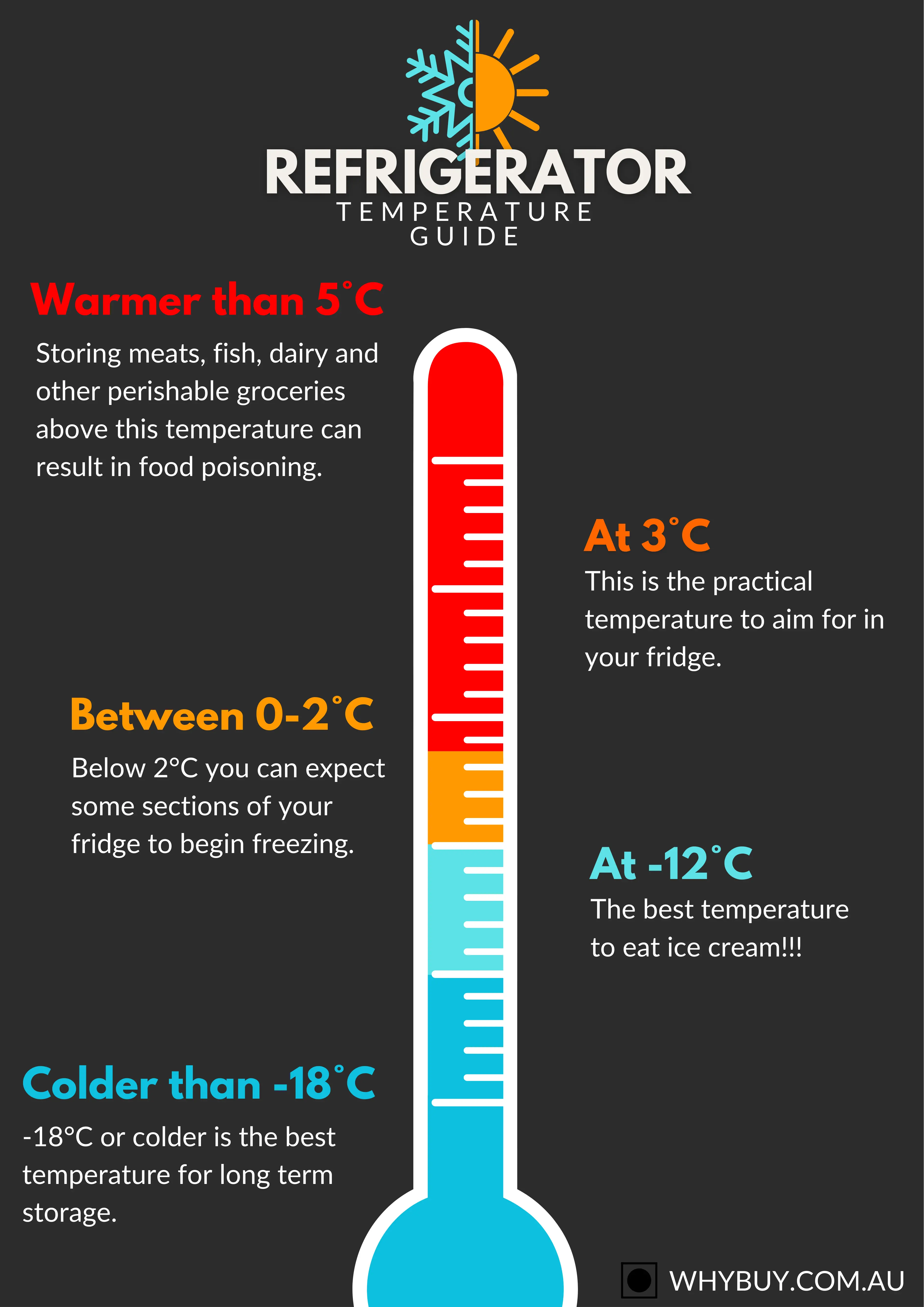
For most residential units, the optimal temperature setting is 37°F (3°C). However, the range between 35°F (1.6°C) and 38°F (3.3°C) is generally considered the “sweet spot” for maximizing food shelf life while maintaining energy efficiency. Staying within this narrow band ensures that the appliance operates at peak performance, utilizing its digital logic and mechanical components to prevent the growth of pathogens without crossing the threshold into freezing.
The Science of Thermal Regulation in Modern Appliances
To understand why 37°F is the gold standard, one must first understand the biological and technical constraints placed on the appliance. In the realm of food safety, the “Danger Zone” is defined as the temperature range between 40°F and 140°F. Within this window, bacteria can double in number in as little as twenty minutes. From a technical perspective, the refrigerator is an active heat pump designed to keep the internal environment safely below this 40°F threshold.
Understanding the Role of Digital Inverter Technology
In older refrigerator models, cooling was managed by a single-speed compressor. These units operated on a simple binary logic: they were either 100% on or 100% off. When the internal sensor detected a temperature rise, the compressor would kick in at full power until the set point was reached, then shut down entirely. This led to significant temperature swings, often fluctuating by 3 to 5 degrees.
Modern high-tech refrigerators utilize Digital Inverter Compressors. Unlike their predecessors, these components can operate at varying speeds. Using sophisticated algorithms, the refrigerator’s onboard computer analyzes usage patterns—such as how often the door is opened or the ambient room temperature—and adjusts the compressor speed accordingly. This precision allows the unit to maintain a consistent 37°F with minimal variance, which is critical for preserving the delicate cellular structure of fresh produce and preventing the “micro-freezing” of liquids.
Sensor Placement and Thermal Mass
A refrigerator does not have a single uniform temperature. Heat rises, and the opening of the door introduces immediate thermal interference. High-end gadgets in the kitchen now feature multiple NTC (Negative Temperature Coefficient) thermistors placed strategically throughout the cabinet. These sensors feed real-time data to the control board, which then manages fans and dampers to redirect cold air where it is needed most.
The “thermal mass” of the contents also plays a role. A refrigerator filled with items acts as a battery for cold; once those items reach 37°F, they help stabilize the internal environment. Tech-savvy users often use independent digital thermometers to calibrate their units, as the built-in display reflects the air temperature near the sensor, which may differ slightly from the core temperature of the food items themselves.
Smart Technology and Precision Cooling Systems
As we move further into the era of the smart home, the refrigerator has become a hub of data. The goal of modern refrigeration tech is no longer just “cold,” but “intelligent distribution of cold.” This is achieved through a combination of hardware engineering and software optimization.
Multi-Air Flow and Dual Evaporators
One of the most significant technological hurdles in refrigeration is the management of humidity alongside temperature. Standard units often share air between the freezer and the fridge. This is inefficient because the dry, freezing air of the freezer is not ideal for the refrigerator section, where higher humidity is required to keep vegetables from dehydrating.
The latest “Tech” category refrigerators often feature dual evaporators. This system treats the refrigerator and freezer as two independent climate zones. By isolating the airflow, the system can maintain a rock-solid 37°F in the fridge with high humidity, while keeping the freezer at a crisp 0°F with zero moisture transfer. This prevents the “freezer burn” taste often found in ice cubes and protects the sensors from frost buildup, which can lead to inaccurate temperature readings and mechanical failure.
Predictive Cooling Algorithms
The integration of Artificial Intelligence (AI) and Machine Learning (ML) into kitchen appliances is transforming how we view temperature management. Some smart refrigerators now feature “Predictive Cooling.” By analyzing weeks of data, the appliance learns that the household typically prepares dinner at 6:00 PM. Knowing that the door will be opened frequently during this window, the system proactively lowers the temperature by a degree or two at 5:45 PM.
This technological foresight ensures that the average temperature remains stable despite the frequent influx of warm ambient air. It reduces the mechanical stress on the compressor and ensures that the internal electronics are not constantly reacting to sudden spikes, but rather maintaining a steady state of equilibrium.

Integrating the Refrigerator into the IoT Ecosystem
The “Internet of Things” (IoT) has turned the refrigerator into a connected device that can be monitored and controlled via smartphones and tablets. This connectivity is not just a gimmick; it is a vital tool for maintaining the integrity of the 37°F set point.
App-Based Monitoring and Push Notifications
Through dedicated apps like Samsung SmartThings or LG ThinQ, users can monitor the real-time temperature of their refrigerator from anywhere in the world. This is a significant advancement in digital security for the home. If a child leaves the door slightly ajar or if a power surge causes the compressor to fail, the appliance sends an immediate push notification to the user’s phone.
In a traditional setup, a temperature spike might go unnoticed until the food has spoiled. With IoT integration, the “time to discovery” is reduced to seconds. These apps also provide “Health Reports” for the appliance, detailing energy consumption patterns and notifying the user when it is time to vacuum the condenser coils—a hardware maintenance task that is essential for maintaining the target temperature.
Remote Calibration and Diagnostics
Smart refrigerators also allow for remote diagnostic sessions. If the internal temperature begins to drift from 37°F, manufacturers can often perform a remote “over-the-air” (OTA) software update or run a diagnostic suite to determine if a sensor has failed. This level of technical support ensures that the appliance remains calibrated to its optimal settings without the need for a physical service call in every instance. Furthermore, users can adjust the “Power Cool” or “Vacation Mode” settings via the app, allowing the hardware to adapt to different usage scenarios dynamically.
Energy Efficiency and Environmental Tech Innovations
Maintaining a constant temperature requires energy, and the tech industry is under constant pressure to reduce the carbon footprint of home appliances. The evolution of refrigeration technology is largely driven by the pursuit of more cooling for less wattage.
Vacuum Insulation Panels (VIPs)
A major leap in refrigeration hardware is the transition from standard polyurethane foam insulation to Vacuum Insulation Panels. VIPs are significantly more efficient at preventing heat transfer, allowing for thinner walls and more internal storage space without sacrificing thermal integrity. By improving the “passive” cooling capabilities of the fridge, the “active” components (the compressor and fans) do not have to work as hard to maintain that 37°F mark. This leads to a longer lifespan for the electronic components and a quieter kitchen environment.
Smart Defrost Systems
Older refrigerators operated on a mechanical timer for their defrost cycles, often heating up the internal coils at fixed intervals regardless of whether frost was actually present. This was an energy-intensive process that caused temporary temperature spikes inside the cabinet.
Modern tech-heavy units use “Adaptive Defrost.” The system uses software to monitor the number of door openings and the running time of the compressor to determine exactly when a defrost cycle is necessary. By only running the heater when needed, the appliance maintains a more stable internal temperature and consumes significantly less electricity, contributing to the overall sustainability of the digital home.
Future Trends: Beyond the Standard Compressor
The future of maintaining the “good” temperature for a refrigerator lies in solid-state technology and advanced chemistry. While the vapor-compression cycle has been the standard for over a century, new technologies are on the horizon.
Magnetic and Solid-State Cooling
Research into “Magnetocaloric” cooling—which uses magnetic fields to change the temperature of a material—promises to eliminate the need for chemical refrigerants and noisy compressors entirely. Similarly, Peltier effect (solid-state) cooling is being refined for larger applications. These technologies would allow for near-perfect temperature precision, with the ability to maintain 37°F with a variance of less than 0.1 degrees.

AI-Enhanced Food Preservation
We are seeing the emergence of internal cameras and computer vision technology that can identify specific food items. In the near future, the refrigerator’s software may suggest different temperatures for different shelves based on the specific items it “sees.” If the AI identifies a large amount of meat on the bottom shelf and delicate berries on the top, it can adjust the variable-speed fans to create micro-climates that are optimized for those specific items, all while keeping the global average at the recommended 37°F.
Maintaining the correct temperature in a refrigerator is a complex technical challenge that has been solved through decades of engineering and software development. By aiming for 37°F and leveraging the power of smart sensors, IoT connectivity, and efficient hardware, today’s appliances do much more than keep food cold—they manage a delicate ecosystem of data and thermodynamics to ensure safety, efficiency, and longevity.
aViewFromTheCave is a participant in the Amazon Services LLC Associates Program, an affiliate advertising program designed to provide a means for sites to earn advertising fees by advertising and linking to Amazon.com. Amazon, the Amazon logo, AmazonSupply, and the AmazonSupply logo are trademarks of Amazon.com, Inc. or its affiliates. As an Amazon Associate we earn affiliate commissions from qualifying purchases.