
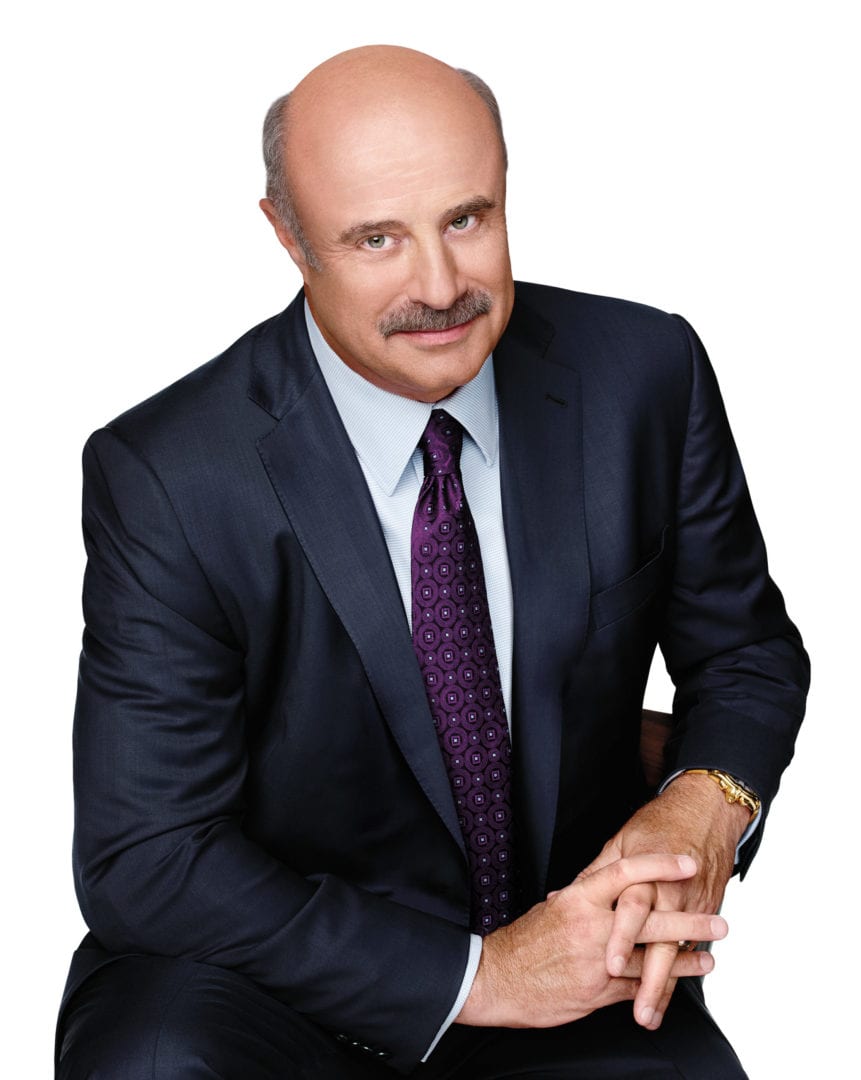
In the landscape of modern media, few figures have managed to transcend the boundaries of their original profession to become household names synonymous with a specific brand archetype. Phil McGraw, known globally as Dr. Phil, represents a masterclass in personal branding, strategic positioning, and the evolution of a corporate identity built on a singular, recognizable persona. While many perceive him through the lens of daytime talk television, from a brand strategy perspective, he serves as a definitive case study in how to scale expertise, maintain market relevance over decades, and leverage a distinct “voice” to dominate a competitive niche.
The Foundations of the Dr. Phil Brand Architecture
The Dr. Phil brand was not an overnight sensation; it was a carefully cultivated strategy that leveraged the authority of clinical psychology and synthesized it with the accessibility of mass-market entertainment. The architecture of his brand rests on three primary pillars: radical accountability, the translation of complex psychological concepts into “plain talk,” and the projection of unyielding authority.
Authority and the Clinical Credibility Gap
At the onset of his career, McGraw’s branding relied heavily on his credentials. By positioning himself as a strategist rather than a passive therapist, he differentiated his brand from traditional clinical models. This was a tactical maneuver in the psychology marketplace; he shifted the brand from “healing” to “solving.” By framing his sessions as “life strategy” rather than “psychotherapy,” he opened up a broader demographic, moving the brand away from the stigma associated with mental health services and into the accessible realm of self-help and personal performance.
The Power of Linguistic Branding
A critical element of the Dr. Phil brand is his proprietary vernacular. Phrases such as “How’s that working for you?” and “You can’t change what you don’t acknowledge” are not merely catchphrases; they are linguistic assets. In branding, these function as cognitive shortcuts that reinforce the brand identity every time they are uttered. By standardizing his vocabulary, McGraw created a repeatable experience that consumers—or viewers—could anticipate and internalize. This consistency is the bedrock of corporate identity; it provides the audience with a sense of stability and predictable value.
Strategic Evolution: From Syndication to Digital Ecosystems
A brand that does not evolve eventually becomes obsolete. The Dr. Phil brand trajectory demonstrates a keen understanding of media consumption shifts, moving from the monolithic platform of traditional network television to a fragmented digital ecosystem.
Scaling Through Multi-Channel Marketing
The transition of the Dr. Phil brand from a television program to a comprehensive content ecosystem is a masterclass in brand extension. The brand successfully migrated its identity across platforms—books, digital platforms, newsletters, and merchandise—without diluting its core message. Each touchpoint is designed to reinforce the central promise: providing the consumer with the tools to take control of their life. This is the definition of a “sticky” brand strategy, where the consumer is encouraged to move from passive viewer to active participant in the brand’s ecosystem.
Content as a Competitive Advantage
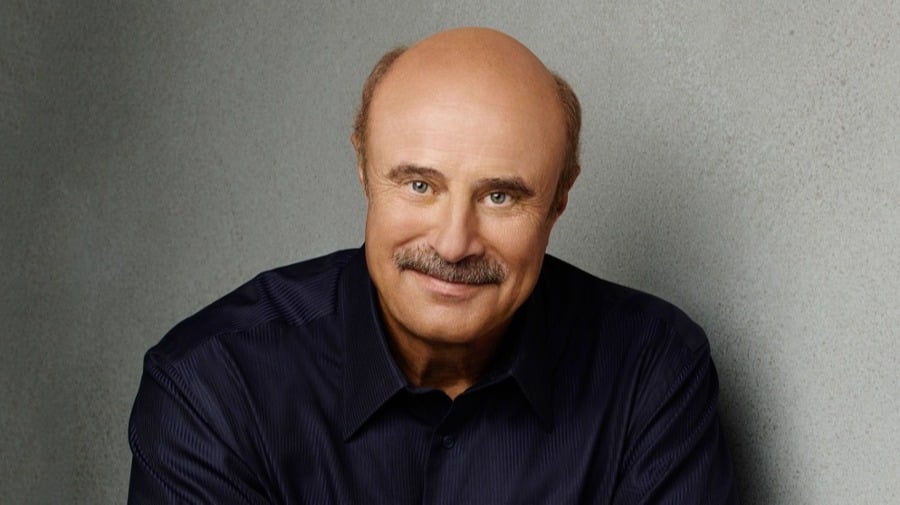
In the attention economy, the Dr. Phil brand has maintained its dominance by treating its content as a product with a high utility value. By focusing on “life strategies,” the brand ensures that its content remains evergreen. Unlike news or ephemeral trends, the human problems that the brand addresses—family dynamics, personal accountability, and behavioral change—are perennial. This allows for the effective repurposing and syndication of content across different formats, maximizing the ROI of the initial brand effort and ensuring that the brand remains present in the daily lives of its target audience regardless of the changing media landscape.
Managing the Personal Brand: Control, Perception, and Longevity
One of the most complex aspects of personal branding is the management of the “human” element. Unlike a traditional corporate entity, a personal brand is inextricably linked to the reputation and public perception of an individual. McGraw’s strategy for maintaining this has been characterized by high levels of control and a rigid adherence to his identified brand archetype.
The Persona vs. The Individual
The Dr. Phil brand has remained remarkably consistent because it is presented as a singular, unwavering persona. Whether in front of a live audience or in a digital interview, the core tenets of the brand remain unchanged. This consistency prevents the “brand drift” that often plagues celebrities as they age or shift in their career focus. By maintaining a uniform visual and tonal presentation, the brand preserves its integrity. It does not chase trends; rather, it forces trends to fit within the established framework of the brand’s perspective.
Crisis Management and Brand Resilience
Any brand of this magnitude faces challenges, from public criticism of his methods to the shifting tides of social media scrutiny. The Dr. Phil brand has navigated these challenges through a strategy of doubling down rather than apologizing. This is a common, though risky, brand defense tactic: by refusing to yield on the core philosophy, the brand avoids the appearance of weakness or uncertainty. For his core demographic, this reinforces the idea that the brand is steadfast, reliable, and unshakable—qualities that are highly prized in the self-help and psychological consulting sectors.
Lessons in Corporate Identity and Market Penetration
The longevity of the Dr. Phil brand offers profound insights into how companies and individual professionals can build a market-leading corporate identity.
Defining a Specific Value Proposition
The central question any brand must answer is: “What problem do I solve, and for whom?” The Dr. Phil brand provides a crystal-clear answer. It doesn’t try to be everything to everyone; it targets individuals looking for a no-nonsense, results-oriented approach to personal life management. This focus allows for higher levels of customer loyalty and a more concentrated marketing effort. Brands that attempt to broad-target often find their identity diluted, leading to a loss of market share. By narrowing the scope, McGraw was able to penetrate the market deeper than many of his peers.
The Synergy of Media and Personal Branding
Perhaps the most significant takeaway from the Dr. Phil brand case study is the synergy between media exposure and professional status. By utilizing the reach of mass media, McGraw essentially created a “global office.” The television show functioned as a top-of-the-funnel marketing tool, driving audiences toward his books, digital resources, and broader brand philosophy. This creates a virtuous cycle where media notoriety feeds professional credibility, and professional credibility feeds media demand.

Conclusion: The Legacy of Strategy
When we ask “What is Dr. Phil?”, we are not simply asking about a television personality. We are examining an institutionalized brand that has navigated the transition from traditional media to digital dominance through consistency, linguistic branding, and the precise management of a professional persona. The brand serves as a blueprint for any entity seeking to turn expertise into a scalable product. It proves that when personal branding is treated with the rigor of corporate strategy—focused on clear communication, audience segmentation, and multi-channel consistency—the result is an enterprise that survives the test of time, media shifts, and changing consumer behaviors. In an age where digital noise makes it difficult to distinguish true expertise from trend-chasers, the Dr. Phil brand remains a testament to the power of a unified, relentlessly consistent brand identity. Whether one agrees with the methodology or not, the strategic mechanics behind the brand are undeniable and remain a benchmark for anyone interested in the intersection of personal branding and professional influence.
aViewFromTheCave is a participant in the Amazon Services LLC Associates Program, an affiliate advertising program designed to provide a means for sites to earn advertising fees by advertising and linking to Amazon.com. Amazon, the Amazon logo, AmazonSupply, and the AmazonSupply logo are trademarks of Amazon.com, Inc. or its affiliates. As an Amazon Associate we earn affiliate commissions from qualifying purchases.