
The question “what’s a good horror movie?” often elicits a subjective, visceral response. For some, it’s the chilling psychological thriller that lingers long after the credits roll; for others, it’s the jump-scare extravaganza that demands a communal viewing experience. Yet, beyond personal preferences and the immediate adrenaline rush, a “good” horror movie, particularly one that achieves lasting impact and cultural resonance, is fundamentally a powerful brand. It possesses a distinct identity, cultivates a loyal audience, and often demonstrates remarkable longevity and adaptability. In an oversaturated entertainment landscape, merely scaring an audience isn’t enough; a truly great horror movie effectively builds and manages its brand.
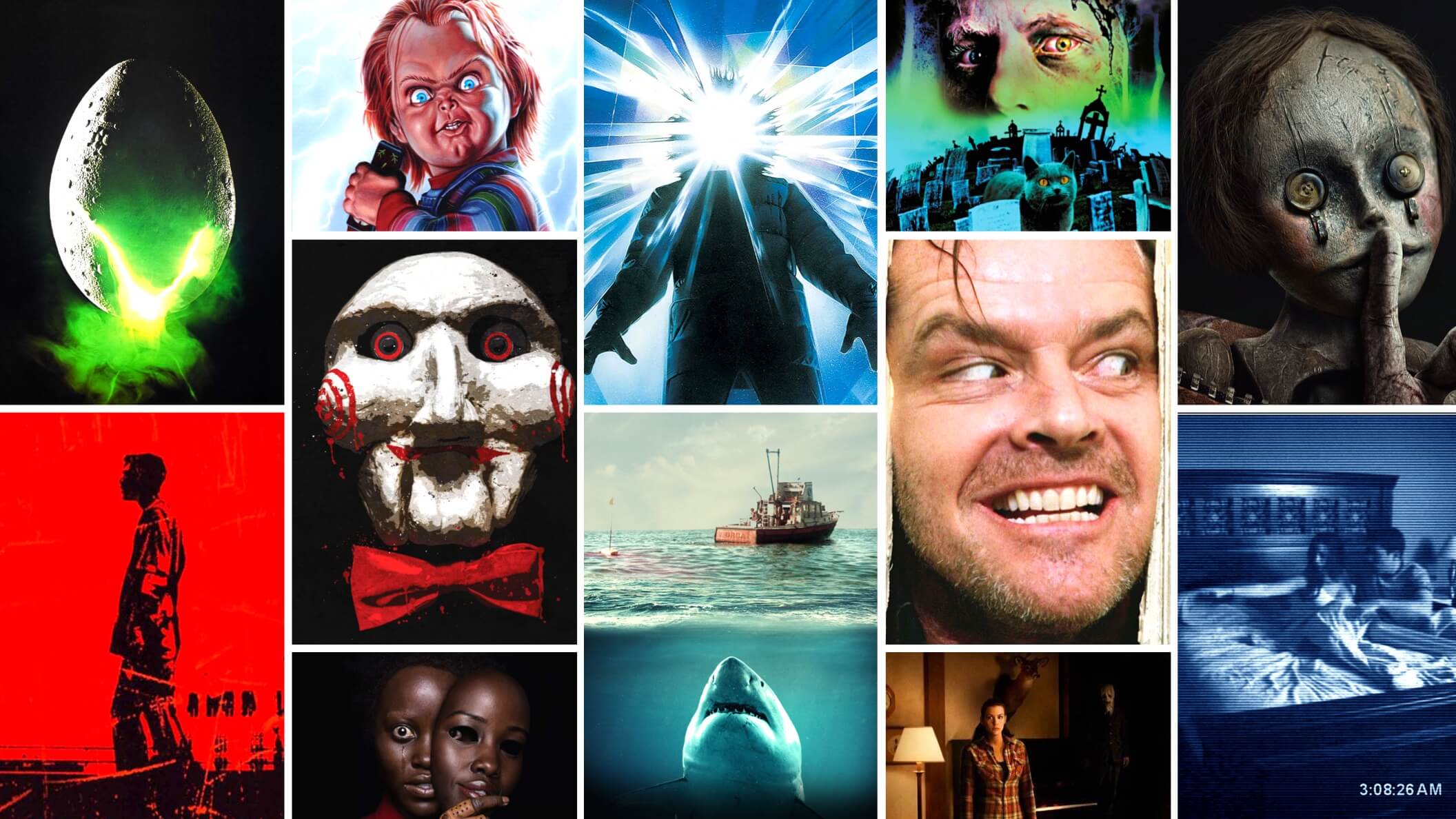
This exploration delves into the strategic elements that elevate a mere film into a formidable brand within the horror genre. We’ll examine how unique identities are forged, how these brands are marketed to captivate and convert audiences, and how they evolve from single features into enduring franchises. Understanding the branding principles behind successful horror movies offers a unique perspective not just on filmmaking, but on the broader dynamics of brand building in a creative industry.
The Foundation of Fear: Crafting a Unique Brand Identity
Every iconic horror movie, from the silent dread of Nosferatu to the found-footage terror of The Blair Witch Project, began with a core idea, a unique selling proposition that set it apart. This initial concept, encompassing its narrative, visual style, and thematic core, forms the very genesis of its brand identity. It’s about establishing what makes this horror movie distinctly this horror movie, creating an immediate, recognizable signature that resonates with potential audiences and defines expectations.
The Iconography of Terror: Visuals, Sounds, and Tropes
A strong horror movie brand is instantly recognizable through its iconography. Think of the hockey mask of Jason Voorhees, the striped sweater and clawed glove of Freddy Krueger, or the menacing, silent shape of Michael Myers. These aren’t just costume choices; they are visual trademarks, shorthand for an entire narrative world and a particular flavor of fear. The strategic use of color palettes (e.g., the stark black and white of classic Universal horrors, the muted tones of modern psychological thrillers), specific sound design (the infamous Jaws theme, the unsettling score of Hereditary), and even the subversion or embrace of genre tropes all contribute to this branding.
For example, The Exorcist didn’t just tell a story of demonic possession; it created an indelible brand through its unsettling imagery (Regan’s transformation, the crucifix scene), its iconic, disquieting score, and its unflinching exploration of taboo subjects. These elements combined to form a powerful, unforgettable brand identity that transcended the film itself, becoming a benchmark for supernatural horror. The consistency and distinctiveness of these sensory and narrative elements are crucial for establishing a brand that stands out in a crowded market and forms a strong, lasting impression.
Archetypes and Innovation: Balancing Familiarity with Freshness
Successful horror brands often walk a tightrope between leveraging established archetypes and introducing innovative elements. Audiences are drawn to the comfort of familiar tropes – the haunted house, the slasher villain, the demonic entity – but they also crave novelty. A “good” horror movie brand understands this dynamic, offering a fresh take on an old fear.
Consider the zombie genre. While George A. Romero established the modern zombie archetype, films like 28 Days Later (redefining zombies as fast, rage-filled creatures) or Train to Busan (placing zombies in a high-speed, confined environment) innovated within this familiar framework. They didn’t abandon the core “zombie” brand but evolved it, attracting new audiences while retaining the essence that genre fans love. This strategic balance prevents brand stagnation. By reinventing elements while retaining core appeal, horror brands can keep their identity fresh and relevant across decades, appealing to new generations without alienating their foundational fanbase. It’s about demonstrating brand flexibility and foresight.
Director as Auteur Brand: Signature Styles and Expectations
In the world of horror, the director often becomes a brand in themselves. Filmmakers like Alfred Hitchcock, John Carpenter, Wes Craven, or more recently, Ari Aster and Jordan Peele, develop distinct authorial voices and signature styles that become synonymous with a particular type of horror. Their names alone can generate anticipation and set expectations for a film’s tone, themes, and quality.
Jordan Peele, for instance, has meticulously crafted a brand around socially conscious horror that blends satire with genuine scares. His films, Get Out, Us, and Nope, while distinct, all carry his unmistakable brand stamp: thought-provoking narratives, sharp social commentary, and unexpected twists. This “auteur brand” not only helps market individual films but also builds a loyal following that trusts the director’s vision, turning their name into a reliable indicator of a specific kind of “good” horror experience. This personal branding is a powerful asset, allowing directors to consistently deliver products that align with their established brand promise, cultivating significant brand equity over time.
Marketing the Nightmare: Building Brand Awareness and Desire
Once a unique horror brand identity is established, the next critical step is to effectively communicate it to the target audience. Marketing in the horror genre isn’t just about selling tickets; it’s about generating curiosity, creating buzz, and fostering a sense of dread or excitement that draws viewers into the experience. This phase is crucial for transforming a cinematic project into a recognized and desired brand.
Trailer as a Brand Statement: First Impressions and Hype Generation
The trailer is arguably the most vital marketing tool for a horror film, functioning as its primary brand statement. It’s a carefully crafted distillation of the movie’s essence, designed to convey its unique flavor of fear and entice viewers without revealing too much. A truly effective horror trailer establishes the film’s brand identity almost instantly – whether it’s the slow burn dread of an A24 production, the relentless action of a creature feature, or the psychological tension of a ghost story.
Consider the marketing for Paranormal Activity. Its initial trailers, featuring genuine audience reactions to unseen terrors, were a masterclass in brand building. They didn’t show the monster; they showed the impact of the monster, tapping into universal fears and establishing a brand of found-footage, slow-burn horror that felt terrifyingly real. This minimal yet highly effective approach generated immense hype, transforming a micro-budget film into a global phenomenon and establishing a potent, identifiable horror brand. The trailer promised an experience, and the film delivered on that brand promise.
Guerrilla Marketing and Viral Campaigns: Spreading the Terror
Beyond traditional advertising, many horror films have leveraged innovative and often unsettling guerrilla marketing tactics to build their brand. The goal is to extend the film’s narrative and atmosphere beyond the screen, creating real-world buzz and making the brand feel omnipresent.
The aforementioned Blair Witch Project is a quintessential example. Its marketing campaign blurred the lines between fiction and reality, presenting the film as genuine recovered footage of missing students. A dedicated website featured fabricated police reports, interviews, and journal entries, creating a mythos that powerfully established the film’s found-footage, folk-horror brand long before its release. This early adoption of digital and experiential marketing created a viral phenomenon, transforming a low-budget independent film into a cultural touchstone and a strong, recognizable brand of experimental horror. Such tactics create a powerful, immersive brand experience that generates organic conversation and widespread interest.
Engaging the Fandom: Community, Merchandise, and Longevity
Successful horror brands don’t just sell movies; they cultivate communities. Engaging the fanbase is paramount for longevity and for turning casual viewers into brand evangelists. This engagement extends beyond the cinema, encompassing fan art, online discussions, dedicated conventions, and, crucially, merchandise.

Merchandise—from action figures and apparel to prop replicas and collectibles—allows fans to physically interact with the brand, solidifying their connection and loyalty. The enduring popularity of franchises like Friday the 13th, Halloween, or A Nightmare on Elm Street is significantly bolstered by the constant stream of merchandise that keeps their iconic villains and imagery alive in the public consciousness. This creates a continuous dialogue between the brand and its consumers, transforming passive viewers into active participants and ensuring the brand’s relevance transcends its original cinematic release. By fostering this loyalty, horror brands build a sustainable relationship with their audience, ensuring ongoing interest and future profitability.
From Single Scream to Franchise Empire: Sustaining the Horror Brand
The ultimate testament to a horror movie’s brand power is its ability to transcend a single film and evolve into a multi-installment franchise. This transformation requires careful brand management, ensuring that subsequent entries either expand upon the original’s strengths or cleverly reinvent its core identity to maintain audience interest.
Expanding the Lore: World-building and Narrative Continuity
Franchise success often hinges on the ability to deepen and broaden the initial brand’s world and lore without diluting its core appeal. Films like Saw meticulously crafted an intricate, interconnected narrative across multiple sequels, turning a simple premise into a complex mythology centered around moral dilemmas and elaborate traps. Each installment added layers to Jigsaw’s philosophy and the universe he inhabited, keeping fans invested in the unfolding story and the expansion of the brand’s intellectual property.
This strategic world-building ensures narrative continuity, providing a rich tapestry for future stories and opportunities for brand extensions. It allows the brand to grow organically, offering new perspectives and challenges within a familiar framework, thus maintaining audience engagement and fostering a sense of anticipation for what comes next.
Reboots, Remakes, and Reimagining: Navigating Brand Evolution
Even the most iconic horror brands require periodic revitalization. The horror genre is replete with reboots, remakes, and reimaginings—a strategic necessity to introduce established brands to new generations while catering to the nostalgia of older fans. This delicate balancing act requires respecting the original brand’s legacy while injecting contemporary relevance and fresh creative vision.
Halloween, for example, has undergone numerous reboots and retcons. While some attempts have faltered, others, like David Gordon Green’s recent trilogy, successfully leveraged the original film’s brand power by bringing back original cast members and directly continuing its narrative, effectively modernizing the brand without erasing its heritage. These efforts demonstrate brand flexibility, showing that a “good” horror brand isn’t static but capable of strategic evolution, adapting its core identity to remain pertinent and commercially viable across decades. It’s about understanding when to refresh the brand to prevent it from becoming obsolete.
The Power of Nostalgia: Leveraging Legacy Brands
Nostalgia is a potent tool in horror brand management. Legacy horror brands, built over decades, hold significant emotional equity with their audience. Tapping into this nostalgia can generate immense excitement and revenue. The recent phenomenon of “requels” (part-sequel, part-reboot), such as the latest Scream films, effectively leverages this by bringing back beloved characters and familiar plot devices while introducing new blood and contemporary themes.
This strategy capitalizes on the deep-seated affection and familiarity audiences have for established horror brands. By offering a blend of the old and the new, these films serve as a bridge between generations of fans, ensuring the brand’s continued relevance and profitability. It’s a testament to the enduring power of a well-established brand to consistently attract attention, even decades after its initial launch.
Measuring the Macabre: The Impact of Brand Perception and Critical Acclaim
Ultimately, what constitutes a “good” horror movie brand is often reflected in its reception, both critically and commercially. While box office success is a clear metric, brand perception—how the film is viewed by critics, fans, and the wider culture—is equally vital for establishing and sustaining its “goodness” as a brand.
Critical Consensus vs. Fan Devotion: Diverse Brand Audiences
The perception of a horror film as “good” can vary wildly between critics and the general fanbase. Some films, like Hereditary or The Babadook, achieve critical acclaim for their artistry and psychological depth, cementing their brand as “elevated horror.” Others, like many slasher films, might be critically panned but achieve cult status and passionate fan devotion, becoming iconic brands in their own right due to their entertainment value and genre tropes.
A truly successful horror brand often manages to straddle both worlds, appealing to diverse audience segments. Get Out, for instance, was a critical darling lauded for its intelligence and social commentary, while also captivating mainstream audiences with its suspense and unique premise. This broad appeal strengthens its brand, demonstrating its versatility and ability to resonate on multiple levels. Understanding these diverse audiences and tailoring brand messaging accordingly is a key component of brand strategy.
Word-of-Mouth Marketing: The Ultimate Brand Endorsement
In the horror genre, perhaps more than any other, word-of-mouth marketing is king. A truly “good” horror movie brand compels people to talk about it, to recommend it, and to share their experience of terror. This organic endorsement is invaluable, as it comes from trusted sources and amplifies the film’s brand message far beyond any paid advertising.
The success of films like The Conjuring or Insidious can be largely attributed to this phenomenon. Audiences, thoroughly scared and impressed, became informal brand ambassadors, sharing their recommendations and fueling further viewership. This authentic, grassroots marketing builds immense brand credibility and trust, essential for any product, but particularly potent in a genre that thrives on shared experiences and emotional impact.

Cultural Resonance: When Horror Transcends Entertainment
The pinnacle of a “good” horror movie brand is when it transcends its entertainment origins to achieve genuine cultural resonance. Films that comment on societal anxieties, push boundaries, or introduce new archetypes become more than just movies; they become cultural touchstones. Night of the Living Dead reshaped zombie lore and inadvertently commented on civil rights, while Psycho forever changed the horror film and pushed the limits of censorship.
These films achieve a “brand legend” status, becoming so ingrained in the cultural lexicon that their influence extends beyond genre fans. They are referenced in other media, studied in academia, and continue to provoke thought and discussion decades later. This deep cultural footprint is the ultimate measure of a horror movie’s enduring brand power, signifying that it has not only scared but also significantly shaped the collective consciousness.
In conclusion, “what’s a good horror movie” is a question with layers, extending far beyond the immediate thrill. A truly “good” horror movie is a carefully constructed, strategically marketed, and expertly managed brand. It crafts a unique identity, engages its audience, skillfully navigates evolution, and ultimately achieves a perception of excellence that translates into lasting cultural and commercial success. Understanding these branding principles provides a compelling framework for analyzing the impact and longevity of the horror genre’s most iconic creations.
aViewFromTheCave is a participant in the Amazon Services LLC Associates Program, an affiliate advertising program designed to provide a means for sites to earn advertising fees by advertising and linking to Amazon.com. Amazon, the Amazon logo, AmazonSupply, and the AmazonSupply logo are trademarks of Amazon.com, Inc. or its affiliates. As an Amazon Associate we earn affiliate commissions from qualifying purchases.