
The concept of “father” has undergone a profound evolution, shifting from a singular, often stoic archetype to a multifaceted, dynamic role. In the realm of branding, understanding these shifts is not just academic; it’s essential for companies seeking to connect with their audiences on a deeper, more resonant level. Brands that accurately and empathetically reflect the diverse realities of modern fatherhood can foster genuine loyalty and build powerful, enduring identities. This article explores what “father” signifies from a brand perspective, delving into the evolving archetypes, the communication strategies that resonate, and the tangible impact on brand perception.
The Evolving Archetype of Fatherhood in Branding
Historically, the paternal figure in advertising was often characterized by authority, provision, and a degree of emotional distance. The “man of the house” was typically depicted as the sole breadwinner, a disciplinarian, and the primary decision-maker. Brands that aligned with this archetype often emphasized strength, reliability, and traditional masculine values. Think of car advertisements showcasing a father confidently behind the wheel, or financial institutions promoting security and long-term planning, implicitly targeting the father as the protector of the family’s future. This archetype, while still holding some relevance, is no longer the sole or even dominant representation.
From Sole Provider to Engaged Partner
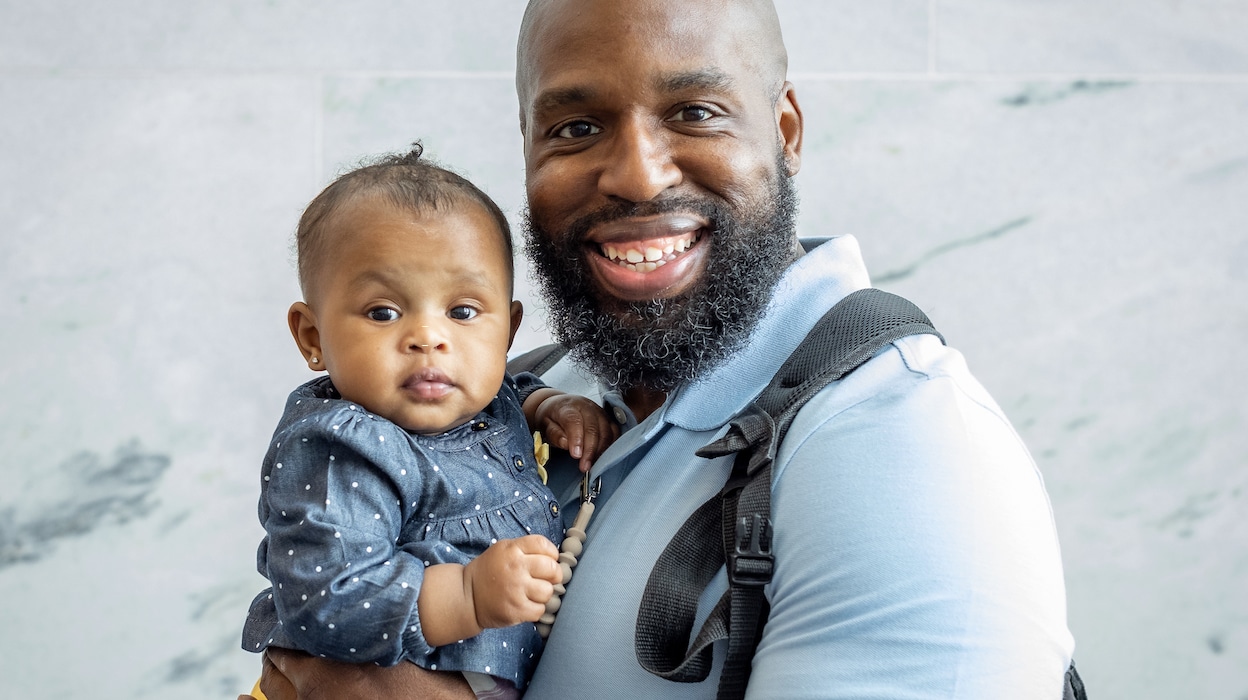
The most significant evolution in the father archetype is the shift towards active engagement and partnership. Modern fathers are not just providers; they are nurturers, educators, caregivers, and active participants in the daily lives of their children. This transformation is reflected in how brands portray fatherhood. Advertisements now frequently showcase fathers changing diapers, packing lunches, attending school plays, and engaging in play with their children. This depiction moves beyond a secondary role to one of equal partnership in child-rearing. For brands, this means opportunities to connect with fathers on a more intimate and relatable level. Products and services that cater to these active roles, from convenient meal solutions and educational toys to comfortable clothing and family-friendly technology, can find strong resonance by acknowledging and supporting this engaged fatherhood.
Redefining Masculinity: Beyond Traditional Norms
The traditional portrayal of masculinity associated with fatherhood often emphasized stoicism, strength, and a reluctance to express vulnerability. However, contemporary fatherhood embraces a broader spectrum of emotional expression. Fathers are increasingly comfortable showing tenderness, affection, and even admitting to challenges and uncertainties. This evolution in the understanding of masculinity has significant implications for brand messaging. Brands that continue to lean on outdated stereotypes of hyper-masculinity risk alienating a significant portion of their audience. Instead, embracing a more inclusive and emotionally intelligent portrayal of fathers can foster deeper connection. This might involve showcasing fathers discussing their feelings, seeking support, or demonstrating empathy. Brands that champion these nuanced portrayals can position themselves as progressive, authentic, and attuned to the values of modern families.
Crafting Resonant Brand Narratives for Modern Fathers
In the competitive landscape of branding, the ability to tell stories that truly connect with a target audience is paramount. For brands aiming to engage with fathers, this means moving beyond superficial representation and delving into the authentic experiences and aspirations of modern paternity. The narratives that resonate are those that acknowledge the complexities, celebrate the joys, and support the challenges inherent in being a father today.
Authenticity Over Idealization: Showing the Realities
Audiences are increasingly savvy and can detect inauthenticity from a mile away. While aspirational branding has its place, an over-reliance on idealized portrayals of fatherhood can feel disconnected and even patronizing. The most impactful brand narratives often feature a degree of realism, acknowledging the imperfections and everyday struggles that fathers face. This doesn’t mean dwelling on negativity, but rather demonstrating an understanding of the lived experience. For example, a brand of coffee might depict a father juggling early morning routines and a demanding job, emphasizing the comfort and energy the product provides. A financial service could show a father planning for his child’s education with a realistic understanding of the costs involved, highlighting planning tools and expert advice. These narratives build trust because they feel genuine, showing that the brand understands the father’s world.

Celebrating the Small Wins and Everyday Moments
Modern fatherhood is not always about grand gestures; it’s often defined by the accumulation of small, meaningful moments. Brands have a powerful opportunity to celebrate these everyday victories. Think of a father successfully helping his child with homework, sharing a laugh during a family meal, or simply enjoying a quiet moment of connection. By highlighting these instances, brands can tap into the emotional core of fatherhood – the love, pride, and fulfillment derived from these seemingly ordinary occurrences. A toy company could showcase a father building a fort with his child, emphasizing creativity and bonding. A technology brand might feature a father using a smart home device to simplify a chaotic evening routine, allowing him more time for genuine interaction. These stories create a positive emotional association with the brand, positioning it as a supportive presence in the father’s life.
Empowering Fathers Through Solutions and Support
Beyond emotional resonance, brands can also connect with fathers by offering practical solutions and demonstrating tangible support. This can manifest in various ways, from product design that anticipates the needs of active fathers to services that simplify complex tasks. For instance, a car manufacturer might highlight safety features and family-friendly interior design, directly addressing a father’s concerns for his children’s well-being. A software company could develop an app that helps manage family schedules and finances, easing the mental load on parents. The key is to demonstrate that the brand understands the father’s goals and challenges and is offering something that genuinely makes his life easier or better. This positioning shifts the brand from a mere purveyor of goods or services to a valuable partner in fatherhood.
The Impact of Fatherhood Branding on Corporate Identity and Market Share
The way a brand chooses to represent fatherhood has a profound and lasting impact on its corporate identity, consumer perception, and ultimately, its market share. In an increasingly conscious consumer market, authenticity, inclusivity, and relevance are no longer optional; they are critical drivers of brand success.
Building Brand Loyalty Through Relatability
When a brand consistently and authentically portrays fatherhood in a way that resonates with its target audience, it fosters a deep sense of relatability. Fathers who see themselves reflected in brand messaging are more likely to feel understood and appreciated. This emotional connection transcends transactional relationships, cultivating genuine brand loyalty. They are more likely to choose a brand that aligns with their values and acknowledges their role in the family. This loyalty translates into repeat purchases, positive word-of-mouth, and a stronger defense against competitors. Brands that master this can build a community around shared values and experiences.
Enhancing Brand Perception and Reputation
The portrayal of fatherhood within a brand’s marketing efforts significantly shapes its overall reputation. Brands that embrace diverse and modern representations of fathers – acknowledging their varied backgrounds, ethnicities, and family structures – are perceived as progressive, inclusive, and socially responsible. Conversely, brands that rely on outdated stereotypes risk being seen as out of touch, irrelevant, or even offensive. A strong, positive association with modern fatherhood can elevate a brand’s standing in the market, making it more attractive to a wider demographic and enhancing its appeal to employees and investors who value diversity and inclusion.

Driving Market Share and Competitive Advantage
Ultimately, effective fatherhood branding can be a significant driver of market share. By understanding and catering to the evolving needs and aspirations of fathers, brands can carve out a unique space in the market and capture a loyal customer base. This might involve developing specific product lines, tailoring marketing campaigns, or even influencing corporate social responsibility initiatives. For example, a sports apparel brand that authentically supports fathers’ efforts to stay active with their children, rather than solely focusing on individual athletic achievement, can attract a new segment of consumers. In a crowded marketplace, a brand that can successfully connect with fathers on an emotional and practical level gains a distinct competitive advantage, translating into increased sales and sustained growth. The “father” archetype, when understood and leveraged with nuance and authenticity, becomes a powerful tool for building a robust and enduring brand.
aViewFromTheCave is a participant in the Amazon Services LLC Associates Program, an affiliate advertising program designed to provide a means for sites to earn advertising fees by advertising and linking to Amazon.com. Amazon, the Amazon logo, AmazonSupply, and the AmazonSupply logo are trademarks of Amazon.com, Inc. or its affiliates. As an Amazon Associate we earn affiliate commissions from qualifying purchases.