
The date 4/20, a seemingly innocuous sequence of numbers, has transcended its calendrical origin to become a cultural phenomenon, particularly in Western societies. While many associate it with cannabis culture, its broader implications touch upon marketing, brand perception, and even the financial implications of a niche but growing market. Understanding what 4/20 signifies requires looking beyond the surface and delving into its evolution, its impact on branding, and the economic currents it navigates. This article aims to unpack the multifaceted meaning of 4/20, exploring its roots, its modern interpretation, and its surprising relevance to the worlds of technology, brand strategy, and personal finance.
The Genesis of a Date: From Counterculture to Cannabis Code
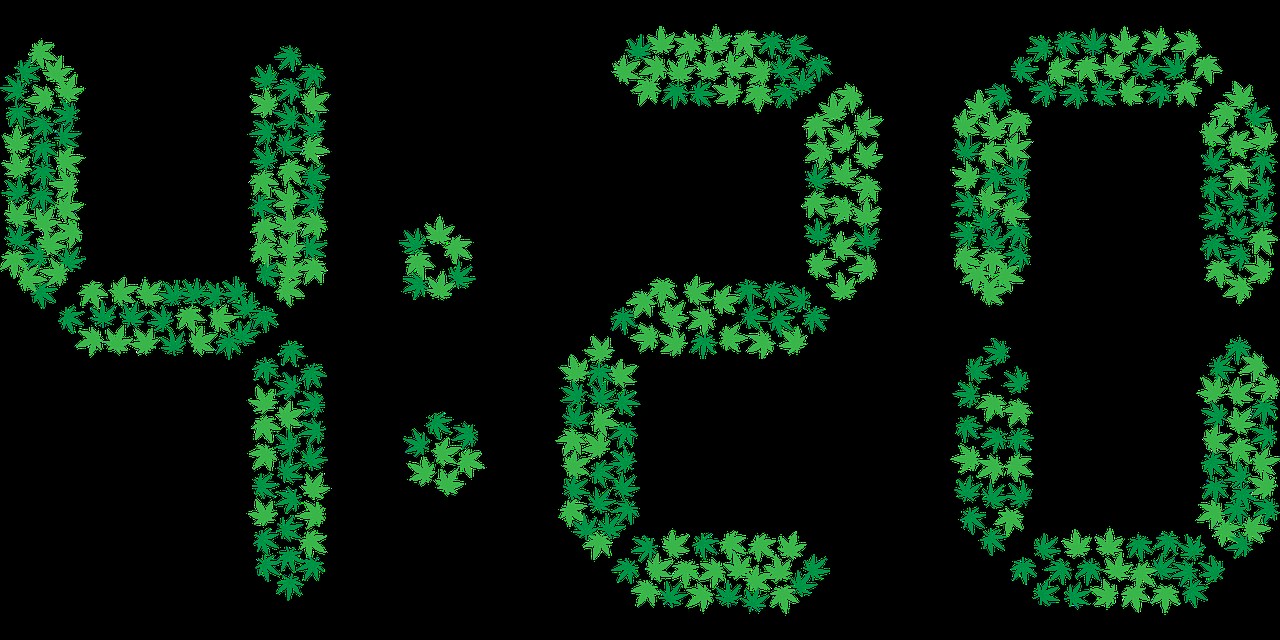
The precise origin of 4/20 as a code for cannabis consumption is shrouded in a bit of folklore, but the most widely accepted narrative traces it back to a group of high school students in San Rafael, California, in the early 1970s. These students, who dubbed themselves “The Waldos,” would meet at 4:20 PM after school to search for a legendary, abandoned cannabis crop. The time, 4:20 PM, became their codeword for their extracurricular activities, and eventually, the date April 20th (4/20) also became associated with cannabis.
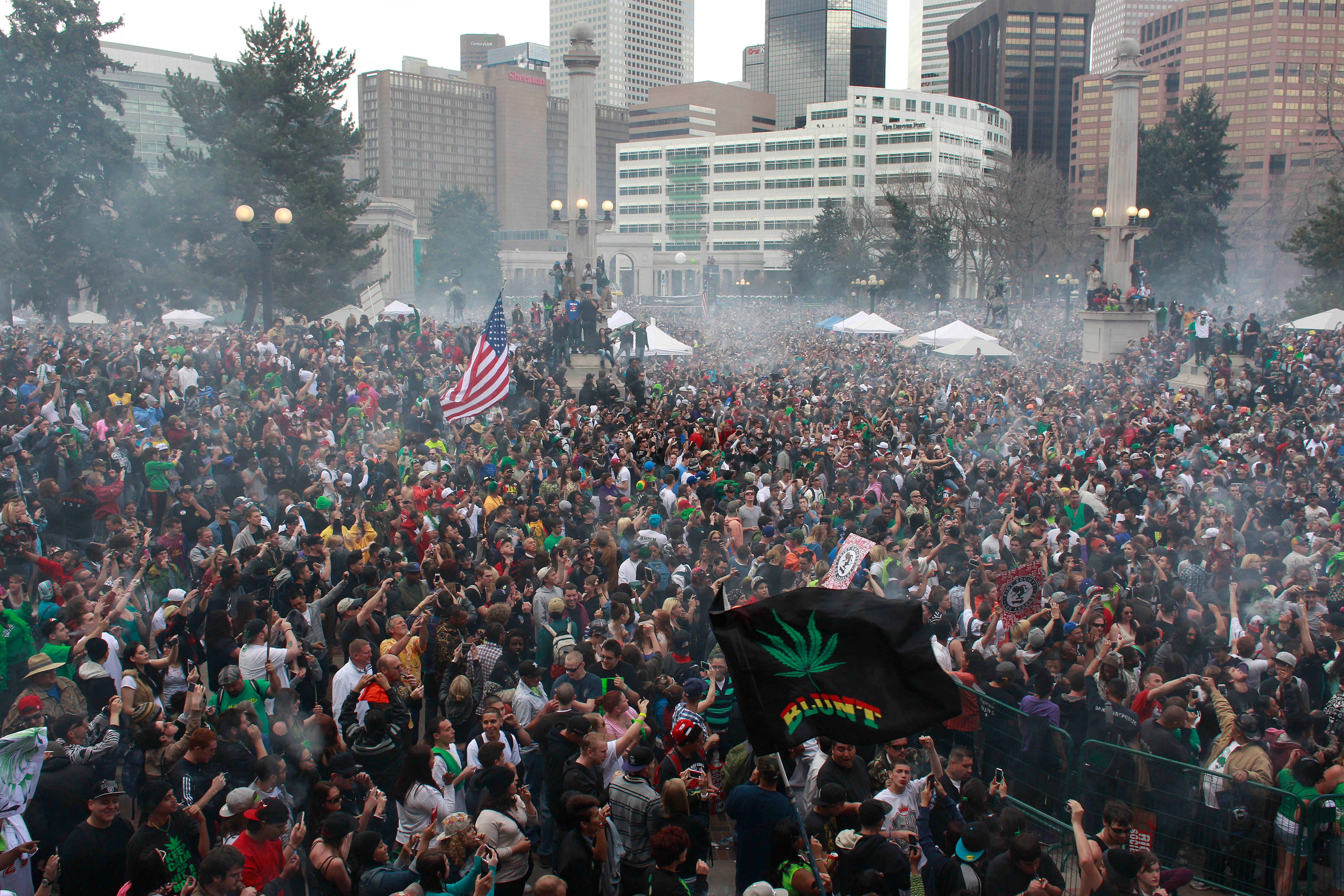
This seemingly small act of teenage rebellion, amplified by the burgeoning counterculture movement and later by musicians and cannabis advocates, began to gain traction. What started as an inside joke evolved into a symbol of cannabis culture, a rallying cry for its legalization, and eventually, a globally recognized date for celebration and advocacy.
The journey from a few friends meeting after school to a date recognized by millions is a testament to the power of subcultures and the internet in disseminating information and building communities. Early adopters and enthusiasts shared the term organically, and as the internet matured, so did the reach of 4/20. Online forums, social media, and cannabis-focused websites all played a crucial role in cementing its status. This organic growth is a fascinating case study in how cultural trends can emerge and spread, often independent of traditional media or marketing efforts.
The Evolution of 4/20: From Coded Reference to Public Celebration
Initially, 4/20 was a clandestine code, a way for those “in the know” to identify each other and discuss cannabis discreetly. This secrecy was born out of the legal landscape of the time, where cannabis was largely prohibited and associated with significant social stigma. The date served as a subtle nod, a shared understanding that bypassed direct conversation.
However, as the conversation around cannabis began to shift, so did the public face of 4/20. The increasing momentum of drug policy reform movements, particularly the push for medical and recreational legalization, transformed the date into an occasion for organized events, protests, and educational initiatives. What was once a quiet acknowledgment became a public declaration of support and a platform for advocacy.
This evolution is mirrored in how technological advancements have facilitated its spread. The internet provided a global stage for the 4/20 narrative. Social media platforms, in particular, have been instrumental in amplifying the message, allowing individuals and organizations to share information, organize events, and connect with like-minded people across geographical boundaries. Hashtags like #420 or #420day became ubiquitous, signaling participation and solidarity. This technological integration highlights how digital tools can be leveraged to build and mobilize communities around shared interests, even those that originated in subcultural movements.
4/20 in the Modern Landscape: A Marketing and Brand Powerhouse
The transformation of 4/20 from a countercultural secret to a widely recognized cultural touchstone has not gone unnoticed by the business world. For brands, particularly those in or adjacent to the cannabis industry, 4/20 represents a significant commercial opportunity. It has become a de facto holiday, a peak sales period, and a prime opportunity for brand engagement and storytelling.
Leveraging the Date: Marketing Strategies and Brand Identity
For businesses operating within the legal cannabis sector, 4/20 is akin to Black Friday or Cyber Monday, albeit with a distinct cultural flavor. Dispensaries, cannabis product manufacturers, and accessory brands all gear up for this date with specialized promotions, limited-edition products, and targeted marketing campaigns. Discounts, bundles, and unique offers are commonplace, designed to attract a surge of consumers eager to partake in the day’s festivities.
Beyond direct sales, 4/20 provides a fertile ground for brands to reinforce their identity and connect with their target audience on a deeper level. This can manifest in various ways:

- Content Marketing: Brands can create educational content about cannabis strains, consumption methods, the history of 4/20, or the latest research on cannabis. This positions them as knowledgeable authorities and valuable resources.
- Event Sponsorship and Participation: Sponsoring or hosting 4/20 events, whether they are music festivals, cannabis expos, or community gatherings, allows brands to gain visibility and direct interaction with consumers.
- Product Innovation: The date often serves as a launchpad for new and innovative products. Limited-edition strains, special edibles, or unique accessories can generate significant buzz and drive sales.
- Cause Marketing: Aligning with social justice initiatives related to cannabis legalization, expungement of records, or community reinvestment can resonate strongly with a socially conscious consumer base and enhance brand reputation.
- Social Media Campaigns: Engaging content, contests, and user-generated campaigns on social media can create widespread awareness and foster a sense of community around the brand.
The success of these marketing efforts often hinges on authenticity and understanding the nuances of cannabis culture. Brands that attempt to co-opt 4/20 without genuine understanding or engagement risk alienating their audience. It’s about more than just selling products; it’s about participating in a cultural moment.
The Broader Economic Ripple: Beyond the Cannabis Leaf
The economic impact of 4/20 extends beyond the direct sales of cannabis products. The date influences a wide array of related industries, creating a significant ripple effect:
- Ancillary Businesses: Companies that provide lighting, grow equipment, packaging solutions, security systems, and other supplies for the cannabis industry see a significant uptick in demand.
- Retail and Hospitality: Events and celebrations associated with 4/20 can boost local economies through increased patronage of restaurants, bars, hotels, and entertainment venues.
- Technology Sector: The burgeoning legal cannabis market has spurred innovation in technology. This includes everything from sophisticated point-of-sale systems and inventory management software for dispensaries to advanced AI tools for strain analysis and precision agriculture in cultivation. The demand for secure and compliant digital solutions is immense.
- Media and Advertising: While advertising cannabis can be restricted in many platforms, the cultural significance of 4/20 has led to creative marketing strategies and increased demand for content creation, design, and branding services within the industry.
- Personal Finance and Investment: As the cannabis industry matures and gains greater legitimacy, it has attracted significant investor interest. 4/20 can act as a bellwether, highlighting market trends and influencing investment decisions in publicly traded cannabis companies, startups, and related ETFs. Personal finance bloggers and content creators often address the investment opportunities and risks associated with this evolving sector.
The commercialization of 4/20 is a complex interplay of cultural resonance and economic opportunity. It underscores how a niche interest, when amplified by technology and societal shifts, can blossom into a significant market force that impacts various sectors.
The Future of 4/20: Evolving Perceptions and Emerging Opportunities
As the legal landscape surrounding cannabis continues to evolve globally, so too will the meaning and impact of 4/20. The date is no longer solely synonymous with a specific subculture; it represents a broader conversation about responsible consumption, therapeutic benefits, economic potential, and individual freedoms.
Cultural Shift and Brand Evolution
The ongoing decriminalization and legalization efforts in various jurisdictions are fundamentally reshaping how society perceives cannabis. This shift is reflected in how brands approach 4/20. While the celebratory aspect remains, there’s an increasing emphasis on education, wellness, and social responsibility. Brands are moving beyond simply promoting consumption to highlighting the potential health benefits of cannabis, advocating for social justice reforms, and emphasizing responsible usage.
This evolving perception also influences personal branding. Individuals in fields that intersect with cannabis, whether as entrepreneurs, researchers, or advocates, can leverage the date to share their expertise, build their professional network, and contribute to the broader discourse.
Technological Advancements and Market Maturation
The technology sector will continue to play a pivotal role in the future of 4/20. Advancements in AI and data analytics will enable more sophisticated market research, personalized product recommendations, and improved supply chain management. Digital security will be paramount as the industry becomes more regulated, ensuring the privacy and safety of consumer data. Furthermore, the development of innovative apps and digital platforms will likely streamline the consumer experience, from ordering products to accessing educational resources.
The financial implications will also continue to be a significant aspect of 4/20’s future. As the market matures, so will investment opportunities and the tools available for individuals and institutions to navigate this space. Understanding the financial instruments, regulatory frameworks, and growth trajectories of cannabis-related businesses will become increasingly crucial for anyone looking to participate in this sector.
In conclusion, the date 4/20 has journeyed from a discreet code among friends to a globally recognized cultural event with profound implications for business, technology, and personal finance. Its evolution is a testament to the power of cultural movements, the amplifying effect of digital platforms, and the remarkable ability of a niche interest to blossom into a multifaceted economic force. As perceptions continue to shift and technology advances, 4/20 will undoubtedly continue to evolve, offering new opportunities and challenges for brands, consumers, and investors alike.
aViewFromTheCave is a participant in the Amazon Services LLC Associates Program, an affiliate advertising program designed to provide a means for sites to earn advertising fees by advertising and linking to Amazon.com. Amazon, the Amazon logo, AmazonSupply, and the AmazonSupply logo are trademarks of Amazon.com, Inc. or its affiliates. As an Amazon Associate we earn affiliate commissions from qualifying purchases.