
In the rapidly evolving digital landscape, communication has taken on countless forms. Among these, the direct message, or “DM,” has become a ubiquitous and indispensable tool. Far more than just a fleeting digital whisper, DMs represent a fundamental shift in how individuals, businesses, and communities interact online. They offer a private, immediate, and often personal channel for communication, distinct from the public pronouncements of social media feeds or the formal structures of email. Understanding the nuances of DMs is crucial for navigating modern digital interactions effectively, whether for personal connections, professional networking, or even brand engagement.
The Evolution and Ubiquity of Direct Messaging
The concept of sending a private message directly to another user isn’t new. Early online forums and chat rooms often featured private messaging functionalities. However, the modern iteration of the DM, as we know it today, exploded in popularity with the rise of social media platforms and instant messaging applications. These platforms recognized the inherent human desire for more intimate and targeted communication, providing a space for one-on-one conversations away from the public eye.
From Early Digital Forums to Social Media Dominance
The genesis of direct messaging can be traced back to the rudimentary private messaging systems found in early online communities like Usenet groups and Bulletin Board Systems (BBS). These systems allowed users to send messages directly to each other, bypassing the public forums for more specific discussions or replies. As the internet matured, so did these features.
The advent of instant messaging services like AOL Instant Messenger (AIM), MSN Messenger, and Yahoo! Messenger in the late 1990s and early 2000s brought direct messaging into the mainstream. These platforms were built around the concept of real-time conversations, with DMs being the primary mode of interaction. Users could see who was online and initiate private chats instantly.
The true revolution in DM ubiquity, however, came with the rise of social media platforms. Twitter’s introduction of “Direct Messages” in 2006 fundamentally changed how public figures and their followers could interact. Facebook, Instagram, LinkedIn, and countless other platforms followed suit, integrating DM functionalities that became central to their user experience. What was once a supplementary feature evolved into a primary communication channel, often prioritized over public posts or comments for certain types of engagement.
DMs Across Different Platforms: A Multifaceted Tool
The nature and function of DMs can vary significantly depending on the platform. On Twitter, DMs are often used for quick questions, collaborations, or customer service inquiries. Instagram DMs have evolved beyond simple text messages to include photo and video sharing, voice notes, and even ephemeral content, making them a central hub for personal interaction and brand engagement. LinkedIn DMs are primarily for professional networking, job inquiries, and business development, fostering a more formal and strategic communication style. Messaging apps like WhatsApp, Telegram, and Signal, while not strictly social media platforms in the same vein, are built entirely around direct messaging, offering end-to-end encryption and a wide array of communication features. This widespread adoption across diverse platforms underscores the inherent value and flexibility of direct messaging in contemporary digital life.
The Strategic Importance of Direct Messaging for Businesses and Brands
While DMs are deeply ingrained in personal communication, their significance for businesses and brands cannot be overstated. In today’s hyper-connected world, a robust DM strategy is no longer a luxury but a necessity for fostering customer relationships, driving engagement, and facilitating seamless interactions. Brands that leverage DMs effectively can cultivate loyalty, provide superior customer service, and gain valuable insights into their audience.
Customer Service and Support via DMs
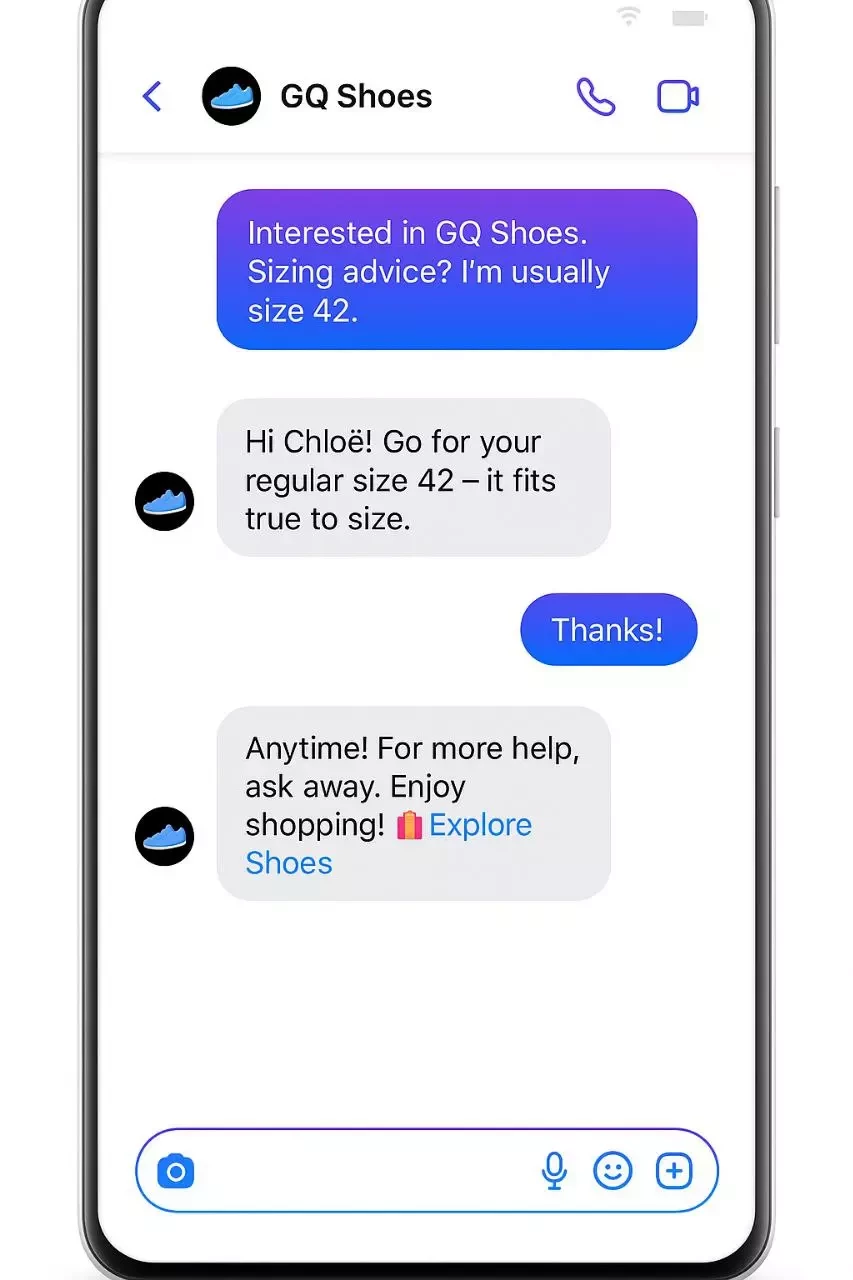
One of the most prominent applications of DMs for businesses is in customer service and support. Customers increasingly prefer the immediacy and privacy of DMs to resolve issues or ask questions. This offers a more personal touch than a public complaint or a generic FAQ page. Many companies have dedicated social media teams monitoring their DM channels, equipped to handle queries ranging from order status updates and product troubleshooting to feedback and complaints.
The advantages are numerous:
- Speed and Efficiency: DMs allow for rapid exchanges, often resolving issues much faster than traditional email or phone support.
- Privacy and Confidentiality: Customers can share sensitive information, like order numbers or account details, without public exposure.
- Personalization: Interactions can be tailored to individual customer needs, fostering a stronger sense of connection.
- Reduced Load on Traditional Channels: By handling a significant portion of inquiries through DMs, brands can alleviate pressure on their call centers and email support teams.
Furthermore, the ability to send rich media like screenshots or short videos in DMs can significantly aid in troubleshooting, making it easier for both the customer and the support agent to understand and resolve the problem.
Brand Engagement and Relationship Building
Beyond customer service, DMs offer a powerful avenue for proactive brand engagement and relationship building. This involves initiating conversations, responding to mentions, and participating in user-generated content.
- Proactive Outreach: Brands can use DMs to thank followers for their support, offer exclusive promotions, or invite them to participate in polls or surveys. This demonstrates that the brand values individual customers.
- Influencer and Partner Communication: DMs are a primary tool for brands to connect with influencers for collaborations, media outlets for press inquiries, and potential business partners. The private nature of DMs allows for confidential discussions and the exchange of sensitive information.
- Gathering Feedback and Insights: By engaging in direct conversations, brands can gain invaluable qualitative feedback on their products, services, and marketing campaigns. These insights are often more nuanced and revealing than broad market research.
- Community Building: For brands with strong online communities, DMs can be used to foster a sense of exclusivity, providing private channels for dedicated fans to connect with the brand and each other.
A well-executed DM strategy can transform passive followers into active brand advocates, creating a loyal customer base that feels heard, valued, and connected.
The Mechanics and Etiquette of Direct Messaging
While the appeal of DMs lies in their simplicity, mastering their effective use requires an understanding of their underlying mechanics and a adherence to established etiquette. This ensures that communication is clear, respectful, and productive, whether for personal or professional purposes.
Understanding the Technical Aspects
At its core, a DM is a private message sent from one user’s account to another user’s account on a specific platform. The technology behind it ensures that only the sender and the intended recipient(s) can view the message. This is typically achieved through encryption and secure server infrastructure managed by the platform provider.
Key technical considerations include:
- Sender and Recipient Identification: Each DM is associated with the unique identifiers of the sender and recipient(s).
- Message Delivery and Storage: Platforms manage the delivery of messages, often storing them on their servers for a certain period, accessible by the users involved.
- Privacy Settings: Most platforms allow users to control who can send them DMs. This can range from allowing messages from anyone to restricting them to only followers or specific contacts.
- Message Types: DMs can encompass a wide range of content, including text, images, videos, audio clips, links, and even interactive elements like polls or GIFs, depending on the platform’s capabilities.
- Notifications: Users typically receive notifications for new DMs, prompting them to check their messages promptly.
Understanding these mechanics helps users appreciate the infrastructure that enables these private conversations and the importance of privacy settings in managing who can reach them.

Navigating DM Etiquette: Best Practices for Effective Communication
Just as with any form of communication, there are unwritten rules and best practices that govern effective DM usage. Adhering to DM etiquette ensures that interactions are positive, efficient, and respectful.
For personal communication:
- Be Mindful of Tone: DMs can feel more informal, but it’s still important to be clear and considerate. Avoid overly aggressive or demanding language.
- Respect Privacy: Do not share the content of a DM with others without explicit permission from the sender.
- Respond Promptly (When Appropriate): While not every DM requires an immediate response, acknowledging receipt or replying within a reasonable timeframe is generally good practice.
- Avoid Spamming: Sending multiple unsolicited DMs in quick succession can be annoying.
- Use Emojis and GIFs Judiciously: These can add personality but should be used in context and not to replace clear communication.
For professional or brand-related communication:
- Be Professional and Concise: Get straight to the point. Clearly state your purpose for sending the DM.
- Proofread: Typos and grammatical errors can detract from your credibility.
- Respect Business Hours: Unless it’s a critical customer service issue, avoid sending DMs at unreasonable hours.
- Be Clear About Expectations: If you are requesting information or action, make your needs clear.
- Use DMs for Appropriate Matters: For highly sensitive or formal business communications, email might still be the preferred method. DMs are best for quick questions, follow-ups, or informal networking.
- Always Be Courteous: Even when addressing a complaint, maintain a polite and helpful demeanor.
By understanding and applying these principles, individuals and brands can leverage the power of direct messaging to foster stronger connections, facilitate smoother transactions, and build lasting relationships in the digital sphere.
aViewFromTheCave is a participant in the Amazon Services LLC Associates Program, an affiliate advertising program designed to provide a means for sites to earn advertising fees by advertising and linking to Amazon.com. Amazon, the Amazon logo, AmazonSupply, and the AmazonSupply logo are trademarks of Amazon.com, Inc. or its affiliates. As an Amazon Associate we earn affiliate commissions from qualifying purchases.