
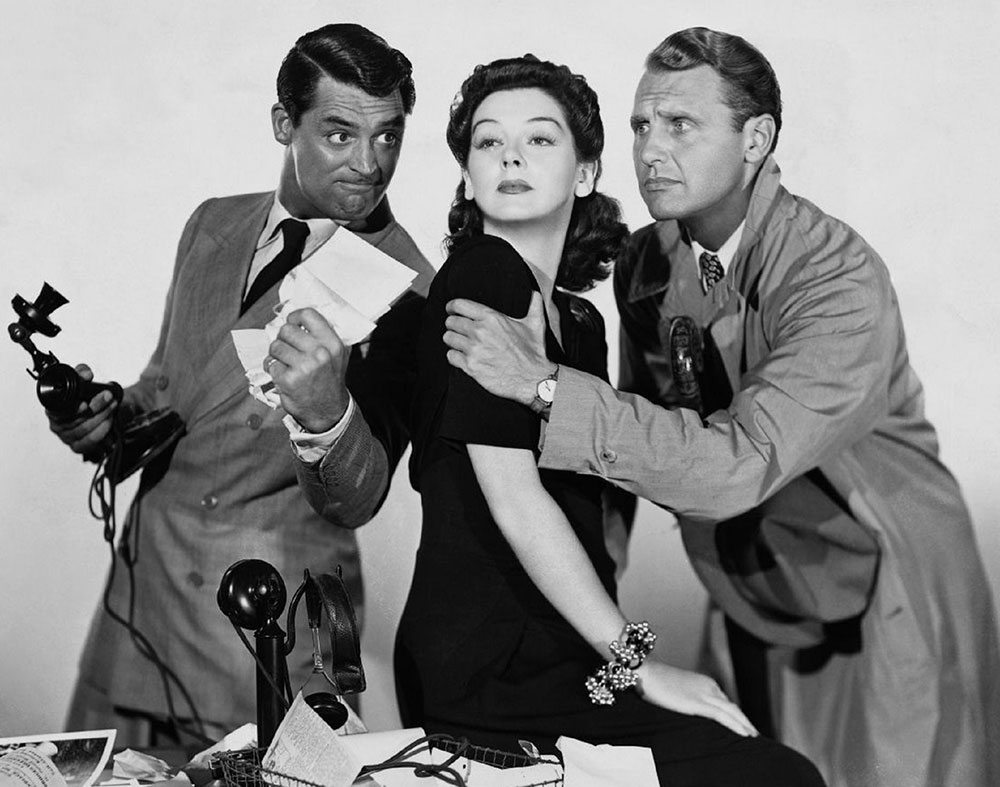
In the golden era of Hollywood, the voices of stars like Katharine Hepburn, Cary Grant, and Bette Davis didn’t sound quite American, yet they didn’t sound British either. They possessed a crisp, melodic, and hyper-articulated cadence known as the Transatlantic accent (or Mid-Atlantic accent). For decades, this was the “gold standard” of brand identity—a vocal signature that signaled sophistication, wealth, and global authority.
However, by the mid-20th century, this carefully curated sound vanished almost as quickly as it had arrived. From a brand strategy perspective, the disappearance of the Transatlantic accent offers a masterclass in the evolution of corporate identity. It marks the pivotal shift from “aspirational artificiality” to the modern era of “relatable authenticity.” To understand what happened to the Transatlantic accent is to understand how the definition of a “premium brand” has fundamentally transformed.
The Architecture of an Artificial Identity: Branding the Elite Voice
Unlike regional dialects that evolve naturally over centuries, the Transatlantic accent was a manufactured product. It was a deliberate branding exercise designed to create a bridge between the American and British markets. In the early 20th century, the elites of the American Northeast—the Astors, the Roosevelts, and the Vanderbilts—sought a way to distinguish themselves from the “common” populace.
The Edith Skinner Influence: Crafting a Universal Standard
The primary architect of this vocal brand was Edith Skinner, a teacher at Juilliard and the author of Speak with Distinction. Skinner didn’t view her work as mere elocution; she was creating a “World Standard” for English. This was essentially a style guide for the human voice. By removing the “r” sounds at the ends of words (non-rhoticity) and softening vowels, Skinner created a linguistic logo that was instantly recognizable.
For a brand to be successful, it must be consistent. Skinner’s students—actors, socialites, and public speakers—were trained to use the Transatlantic accent to ensure their “personal brand” projected an image of high-class pedigree. It was the vocal equivalent of a tailored tuxedo: rigid, expensive, and designed to impress.
Hollywood’s Corporate Signature: The Sound of the Golden Age
When “talkies” replaced silent films, the film industry faced a branding crisis. Actors with thick Brooklyn accents or twangy Midwestern draws were suddenly deemed “unmarketable” for high-stakes dramas. The major studios adopted the Transatlantic accent as their corporate identity.
By mandating this accent, Hollywood was able to export its films globally without the dialogue sounding too “foreign” to British ears or too “low-class” for prestigious American audiences. The accent became a brand asset that allowed studios to command higher ticket prices and cement their status as the arbiters of culture. It was a strategic move to ensure that Hollywood stars occupied a social stratosphere far above their fans.
From Aspiration to Alienation: Why the Prestige Brand Failed
Every brand has a lifecycle, and the Transatlantic accent was no exception. Its decline was not a coincidence but a reaction to a massive cultural shift in how consumers perceived authority and status. By the end of World War II, the very qualities that made the accent successful—its polish, its artificiality, and its association with the upper crust—became its greatest liabilities.
The Post-War Pivot: The Rise of Realism
After 1945, the world’s appetite for “perfection” began to sour. The horrors of the war and the subsequent social upheavals created a demand for “The Method”—a style of acting and storytelling rooted in raw, unvarnished reality. Brand identities that felt too “staged” began to lose their influence.
When actors like Marlon Brando and James Dean burst onto the scene, they didn’t speak with a Mid-Atlantic lilt; they mumbled, they used regional slang, and they sounded like the people in the audience. This was a disruption of the “Elite Brand.” The Transatlantic accent began to sound increasingly like a relic of an era that valued posture over substance. In branding terms, the “Prestige Persona” was being replaced by the “Everyman Archetype.”
The Democratization of Media and the Death of Elitism
As television became the dominant medium, the “Voice of God” broadcasting style—which heavily utilized Transatlantic features—began to alienate viewers. The brand of the “distant authority figure” was failing. Local news anchors and talk show hosts realized that to build a loyal “personal brand” with a mass audience, they needed to sound like their neighbors.

The Transatlantic accent was eventually relegated to villains and comedic foils. In modern media, if a character uses a Transatlantic accent, it is often a shorthand for being “out of touch,” “snobbish,” or “delusional.” When a brand’s primary identifier becomes a punchline, the brand is effectively dead.
Modern Branding Parallel: The Shift to Authenticity
The rise and fall of the Transatlantic accent serves as a historical mirror for the branding challenges of the 21st century. Just as the elite voice was discarded for a more natural sound, modern corporate identities are undergoing a similar transformation.
Relatability as the New Luxury
In the past, a premium brand was defined by its distance from the consumer. Luxury meant being “untouchable.” Today, the most successful brands—from Apple to Patagonia—prioritize “radical transparency” and “authenticity.” They have moved away from the corporate equivalent of the Transatlantic accent—stiff, jargon-heavy marketing—and toward a conversational tone.
Modern consumers are highly sensitive to “brand artifice.” Just as the post-war audience grew tired of the Transatlantic accent’s fake vowels, today’s digital natives can spot a “staged” corporate message from a mile away. The disappearance of the accent teaches us that “perfection” is often less marketable than “connection.”
Personal Branding and the Rejection of the “One Voice” Model
Social media has accelerated the death of the “standardized” brand. In the era of the Transatlantic accent, there was one way to sound “correct.” Today, personal branding thrives on uniqueness and regionality. Influencers and CEOs alike are encouraged to lean into their quirks rather than smoothing them over.
Diversity has become a core brand pillar. The idea of a “World Standard” for communication is now seen as exclusionary rather than aspirational. Brands that attempt to impose a single, rigid identity—similar to the Transatlantic mandate—often find themselves struggling to maintain relevance in a fragmented, globalized market that celebrates individual identity.
The Digital Echo: Can a Brand Voice Be Reclaimed?
While the Transatlantic accent has vanished from daily use, it remains a powerful tool in the arsenal of brand archetypes. In an era of AI and digital synthesis, the “Prestige Voice” is making a niche comeback, albeit in a very different context.
AI and the Resurrection of Vintage Brand Identities
With the advent of high-fidelity AI voice cloning, companies are now looking to the past to find distinctive “audio logos.” The Transatlantic accent, though no longer an organic way of speaking, is being utilized by luxury brands to evoke a sense of “Old World” heritage. In high-end watch commercials or heritage fashion campaigns, a synthesized Mid-Atlantic lilt can act as a bridge to a perceived era of quality and craftsmanship.
This is branding as “nostalgia.” By using a voice that no longer exists in the wild, brands can create a sense of timelessness. They are not trying to pretend the voice is “natural”; they are using it as a deliberate aesthetic choice—a vintage filter for the ears.

Lessons for the Future of Brand Strategy
The story of the Transatlantic accent is a reminder that brand identities must evolve alongside the values of their audience. A strategy built on exclusion and artificiality has a limited shelf life. To remain resilient, a brand—whether it is a corporate entity or a personal identity—must be able to answer the following questions:
- Is this identity authentic? Does it reflect the true values of the creator, or is it a mask designed to mimic a perceived elite?
- Does it foster connection? Does the “voice” of the brand invite the audience in, or does it create a barrier of intimidation?
- Is it adaptable? Can the brand identity survive a shift in cultural values, or is it tied too closely to a specific social trend?
The Transatlantic accent didn’t die because people forgot how to speak it; it died because we stopped believing in what it represented. As brand strategists and creators, our goal is to build identities that don’t just sound “prestigious,” but sound “true.” In the end, the most powerful brand voice is not the one that sounds the most perfect, but the one that resonates the most deeply with the human experience.
aViewFromTheCave is a participant in the Amazon Services LLC Associates Program, an affiliate advertising program designed to provide a means for sites to earn advertising fees by advertising and linking to Amazon.com. Amazon, the Amazon logo, AmazonSupply, and the AmazonSupply logo are trademarks of Amazon.com, Inc. or its affiliates. As an Amazon Associate we earn affiliate commissions from qualifying purchases.