
The Genesis of a Diesel Icon: Understanding the 7.3L IDI
The 7.3L IDI (Indirect Injection) diesel engine stands as a testament to an era of robust, mechanically simple, and highly durable automotive technology. Its production span is a critical piece of its identity, defining its place in the lineage of heavy-duty truck engines. To understand its manufacturing timeline, one must first appreciate its origins and the technological landscape it emerged from. The 7.3L IDI was not merely an engine; it was a workhorse, a technological solution for a market demanding reliability and power in an increasingly competitive commercial and consumer truck segment.

The Ford-International Harvester Partnership
The story of the 7.3L IDI is inextricably linked to the long-standing collaboration between Ford Motor Company and International Harvester, later Navistar International. For decades, International Harvester was a primary supplier of diesel engines for Ford’s heavy-duty trucks and vans. This partnership was foundational to the development of the IDI series. Ford relied on International Harvester’s deep expertise in diesel engine design and manufacturing, allowing Ford to focus on vehicle integration and overall platform development. This symbiotic relationship ensured that Ford’s customers received engines known for their industrial-grade strength and longevity, while International Harvester benefited from Ford’s massive market reach. The 7.3L IDI, much like its predecessor, the 6.9L IDI, was a direct product of this strategic alliance, designed to meet evolving market demands for increased displacement and power.
Early Development and Market Introduction
The development of the 7.3L IDI was a response to the need for greater horsepower and torque in Ford’s full-size trucks and vans, particularly as towing and hauling capacities increased throughout the 1980s. Building upon the proven architecture of the 6.9L IDI, engineers at International Harvester focused on increasing displacement, refining the combustion process, and improving overall efficiency within the constraints of indirect injection technology. The inherent simplicity of the IDI system—relying on a mechanical fuel pump and injectors rather than complex electronics—was a core design philosophy, prioritizing ease of maintenance and reliability over cutting-edge electronic control. This design choice positioned the 7.3L IDI as a no-nonsense, dependable power plant. Its official market introduction began in the 1987 model year, marking a significant upgrade for Ford’s heavy-duty vehicle lineup and setting the stage for its subsequent years of production.
The IDI Era: Production Lifespan and Key Models
The 7.3L IDI engine had a distinct production run, characterized by its mechanical simplicity and robust design. Its tenure in Ford vehicles spanned several years, evolving slightly to meet changing emissions standards and performance expectations, eventually paving the way for more technologically advanced diesel engines.
Initial Production Years (1987-1994)
The 7.3L IDI engine was first introduced for the 1987 model year as a replacement for the 6.9L IDI. Its initial iterations were naturally aspirated, meaning they relied solely on atmospheric pressure to deliver air to the engine. These early models quickly established a reputation for their immense durability and straightforward mechanics, attributes highly valued by truck owners and commercial operators. The production continued steadily throughout the late 1980s and into the early 1990s. For the first few years, the engine was exclusively naturally aspirated, providing a reliable power output suitable for its intended heavy-duty applications.
Model Year Integration and Vehicle Platforms (F-Series, E-Series)
Throughout its production life, the 7.3L IDI was predominantly integrated into Ford’s most robust vehicle platforms. Its primary homes were:
- Ford F-Series Trucks: Specifically, the F-250, F-350, and later the F-Super Duty chassis cab models (which were essentially heavier-duty versions of the F-Series). These trucks relied on the 7.3L IDI for serious towing, hauling, and commercial work.
- Ford E-Series Vans: The E-350 vans and cutaway chassis also utilized the 7.3L IDI, serving roles in commercial delivery, passenger transport (shuttle buses), and RV applications, where diesel economy and torque were advantageous.
The engine remained a staple in these vehicles, contributing to their reputation as long-lasting workhorses. Its presence in both the F-Series and E-Series underscores its versatility and the trust Ford placed in its design for critical applications across its heavy-duty fleet.
Evolution and Refinements (e.g., Turbocharging Introduction)
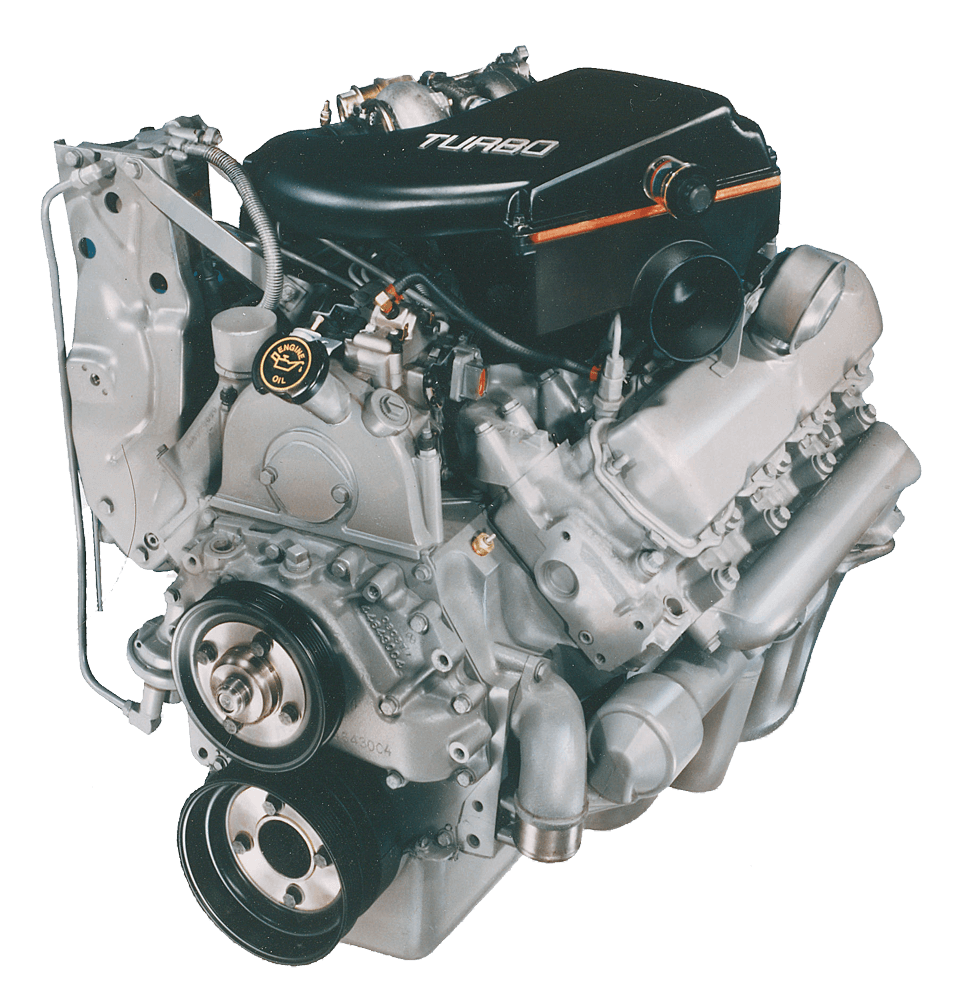
While the core mechanical design of the 7.3L IDI remained largely consistent, subtle refinements were introduced over its production run. The most significant technological update came in late 1993 for the 1994 model year with the introduction of a factory-installed turbocharger. This turbocharged variant represented a significant enhancement in performance.
Prior to this, aftermarket turbo kits were common, but the factory turbo model offered an integrated and warrantied solution. The addition of a turbocharger significantly boosted horsepower and torque figures, addressing consumer demands for more power without sacrificing the engine’s acclaimed reliability. This turbocharged IDI model, often referred to as the “7.3L IDI Turbo,” bridged the gap between the purely mechanical IDI era and the impending electronic Power Stroke generation.
The 7.3L IDI’s production concluded after the 1994 model year. While some vehicles from the 1994 model year might have been produced into early 1994, the engine was effectively replaced by the more technologically advanced 7.3L Power Stroke Direct Injection engine, which debuted for the 1994.5 model year. Thus, the 7.3L IDI production span is definitively from 1987 to 1994 model years.
Technical Specifications and Enduring Legacy
The 7.3L IDI’s technical design and performance characteristics were instrumental in its success and cemented its place in automotive history. Its legacy extends beyond its production years, influencing subsequent engine designs and continuing to serve a dedicated community.
Design Philosophy and Engineering Principles
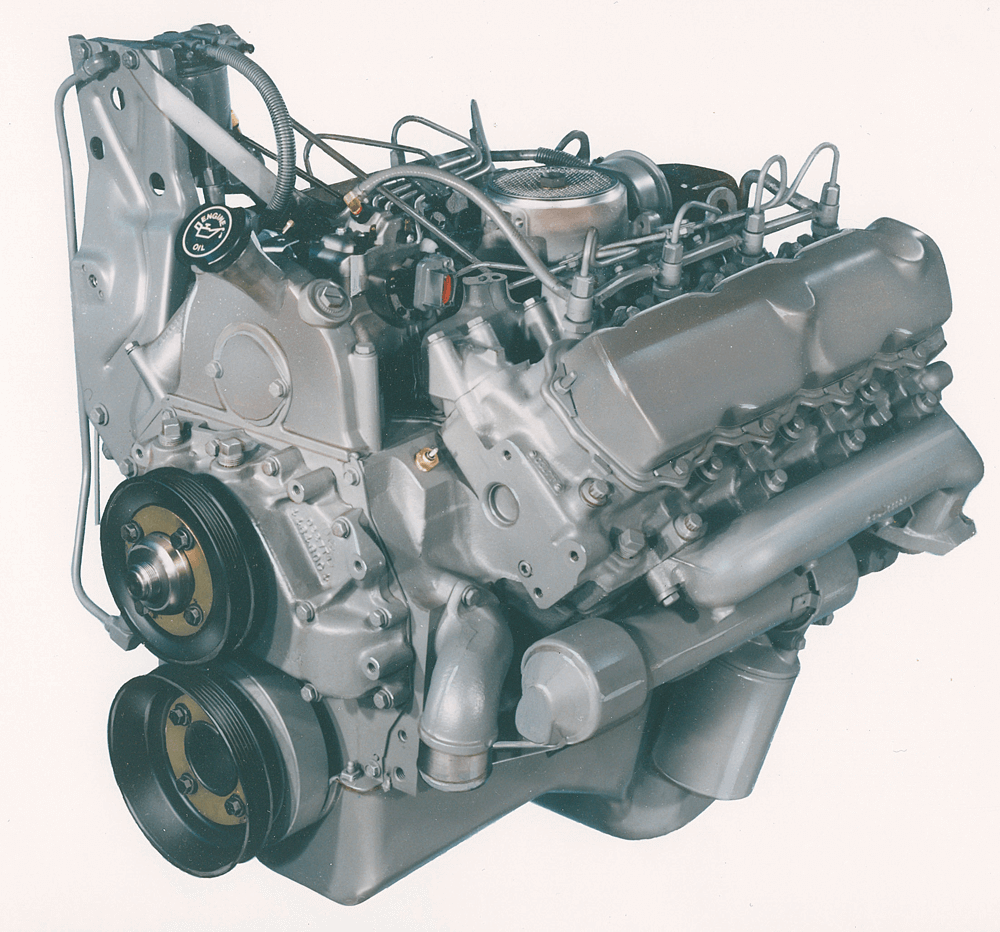
The fundamental design philosophy behind the 7.3L IDI was one of simplicity and robustness. As an indirect injection engine, fuel was injected into a pre-combustion chamber before entering the main cylinder. This design allowed for smoother, quieter operation compared to direct injection engines of the era, although it was less fuel-efficient and produced more particulate matter. Key engineering principles included:
- Mechanical Fuel System: Relying on a rotary injection pump (typically a Stanadyne DB2 or DB4) and mechanical injectors, the engine avoided the complexity of electronic controls, making it less susceptible to sensor failures and wiring issues common in later designs. This was a significant technological advantage in terms of field repairability and reliability in harsh environments.
- Cast Iron Construction: The heavy-duty cast iron block and cylinder heads were designed for extreme durability and heat dissipation, contributing to the engine’s ability to withstand prolonged heavy loads.
- Gear-Driven Camshaft and Fuel Pump: Eliminating timing chains or belts, the gear-driven components reduced maintenance and improved long-term reliability.
These principles resulted in an engine that was fundamentally less powerful on paper than its successors but offered unparalleled mechanical longevity and ease of maintenance, crucial technological differentiators at the time.
Performance Characteristics and Durability
The performance of the 7.3L IDI, particularly the naturally aspirated versions, was characterized by ample low-end torque rather than high horsepower.
- Naturally Aspirated (1987-1994): Typically produced around 170 horsepower and 330 lb-ft of torque. While these figures seem modest by modern standards, the engine delivered its power smoothly and consistently, making it excellent for continuous heavy hauling and towing. Its low RPM torque characteristic was a significant technological feature for its target market.
- Turbocharged (Late 1993-1994): The addition of a turbocharger significantly boosted output to approximately 190-210 horsepower and 380-400 lb-ft of torque. This enhancement made the engine considerably more competitive in terms of acceleration and uphill performance without compromising its mechanical integrity.
The legendary durability of the 7.3L IDI stems from its under-stressed design and robust construction. Many units are still in operation today, having accumulated hundreds of thousands of miles, a testament to the engineering foresight that prioritized longevity.
Transition to Power Stroke: The IDI’s Successor
The 7.3L IDI’s production ended due to evolving emissions regulations and the relentless drive for improved fuel efficiency and power density. Its indirect injection design was inherently less efficient and produced higher emissions of certain pollutants compared to direct injection systems. The technological shift was inevitable.
Ford, still in partnership with International Harvester (now Navistar), introduced the 7.3L Power Stroke Direct Injection engine in late 1993 for the 1994.5 model year. This new engine represented a significant technological leap, featuring:
- Direct Injection: Fuel was injected directly into the combustion chamber, improving efficiency and reducing emissions.
- Electronic Control: The Power Stroke utilized a comprehensive Electronic Control Unit (ECU) to manage fuel injection timing, duration, and other engine parameters, allowing for precise control and diagnostic capabilities.
- Higher Pressure Fuel System: A HEUI (Hydraulically Actuated Electronic Unit Injection) system enabled much higher injection pressures, leading to better atomization and more complete combustion.
The Power Stroke built upon the foundation of the IDI’s displacement and general architecture but incorporated advanced electronic and fuel system technologies, marking a new chapter in Ford’s diesel engine offerings.
Why the 7.3L IDI Still Matters in Modern Automotive Tech
Despite being supplanted by more advanced engines decades ago, the 7.3L IDI retains a significant place in the narrative of automotive technology. It offers crucial insights into design choices, technological evolution, and the enduring value of certain engineering principles.
Simplicity and Maintainability
In an era dominated by complex electronic control units, sophisticated sensors, and intricate emissions systems, the 7.3L IDI stands out for its mechanical simplicity. Its lack of reliance on extensive electronics makes it significantly easier to diagnose and repair with basic tools and knowledge. This aspect of its design represents a valuable lesson in design for maintainability. For many users, this technological simplicity translates to lower long-term ownership costs and greater self-sufficiency in maintenance, a stark contrast to the highly specialized diagnostic equipment required for modern powertrains. Its mechanical nature is a significant draw for those who appreciate hands-on repairability over digital diagnostics.
Niche Market and Enthusiast Following
The robust design and maintainability of the 7.3L IDI have cultivated a dedicated following among enthusiasts, farmers, and commercial operators who prioritize reliability and ease of repair over raw power or cutting-edge features. This niche market actively seeks out and maintains vehicles equipped with the 7.3L IDI, often restoring them or using them for specific tasks where their unique attributes shine. This sustained demand for an older technology highlights the importance of matching technological solutions to specific user needs and values, rather than a singular pursuit of the latest advancements. The existence of a thriving aftermarket for parts and modifications further solidifies its position as a revered piece of automotive technology.
Lessons from a Pre-Electronic Diesel Engine
The 7.3L IDI serves as an excellent case study in pre-electronic diesel engine technology. It demonstrates the peak of mechanical diesel engineering before the widespread adoption of electronic controls and common rail injection systems. Studying the 7.3L IDI allows engineers and enthusiasts to understand the fundamental principles of diesel combustion, fuel delivery, and engine durability without the added layers of electronic complexity. Its straightforward design offers a clear view of how engineers solved problems like cold starting, fuel atomization, and power delivery using purely mechanical means. In an educational context, it provides a foundational understanding upon which the intricacies of modern diesel technology can be better appreciated. The 7.3L IDI, therefore, remains a relevant and instructive piece of technological history, showcasing an era where rugged mechanical design was the ultimate arbiter of performance and reliability.
aViewFromTheCave is a participant in the Amazon Services LLC Associates Program, an affiliate advertising program designed to provide a means for sites to earn advertising fees by advertising and linking to Amazon.com. Amazon, the Amazon logo, AmazonSupply, and the AmazonSupply logo are trademarks of Amazon.com, Inc. or its affiliates. As an Amazon Associate we earn affiliate commissions from qualifying purchases.