
The term “First World country” is a ubiquitous phrase in popular discourse, yet its precise definition, particularly within a financial context, often remains ambiguous. While originating from a geopolitical framework, its modern usage frequently correlates with economic development, financial stability, and market sophistication. For investors, businesses, and individuals navigating the global financial landscape, understanding the economic characteristics implied by this designation is crucial for informed decision-making, whether it pertains to market entry, investment strategies, or even personal financial planning in an increasingly interconnected world.
Deconstructing the Term: Historical Context and Modern Relevance
To truly grasp the contemporary financial implications of “First World,” it’s essential to briefly revisit its origins and observe how its meaning has evolved from a primarily political classification to one heavily weighted by economic indicators.

Origins in the Cold War Era
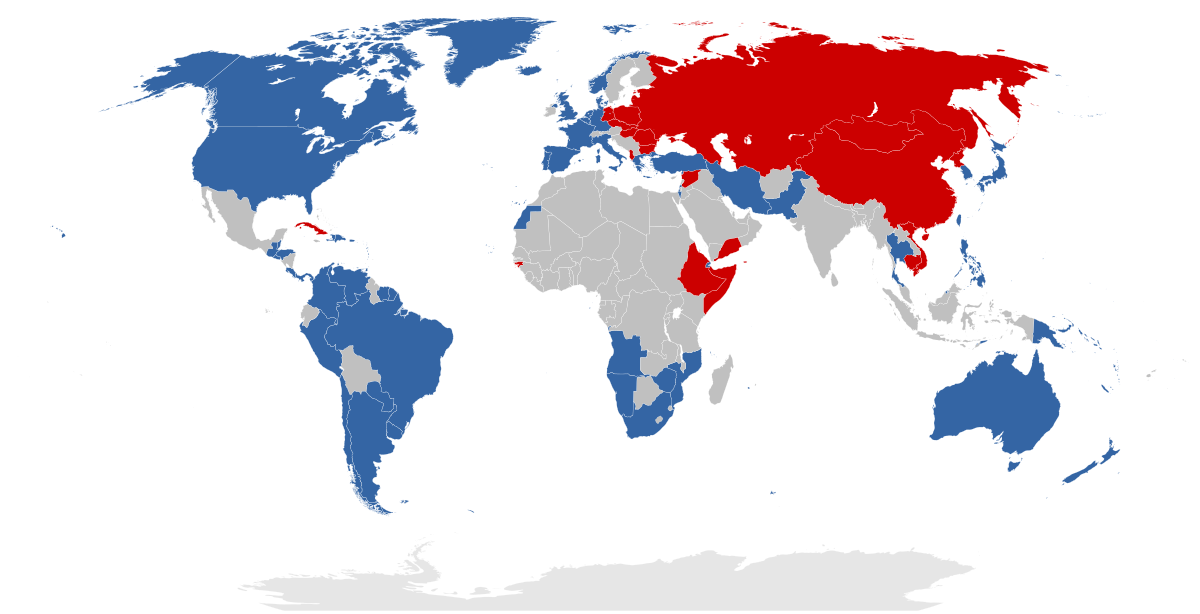
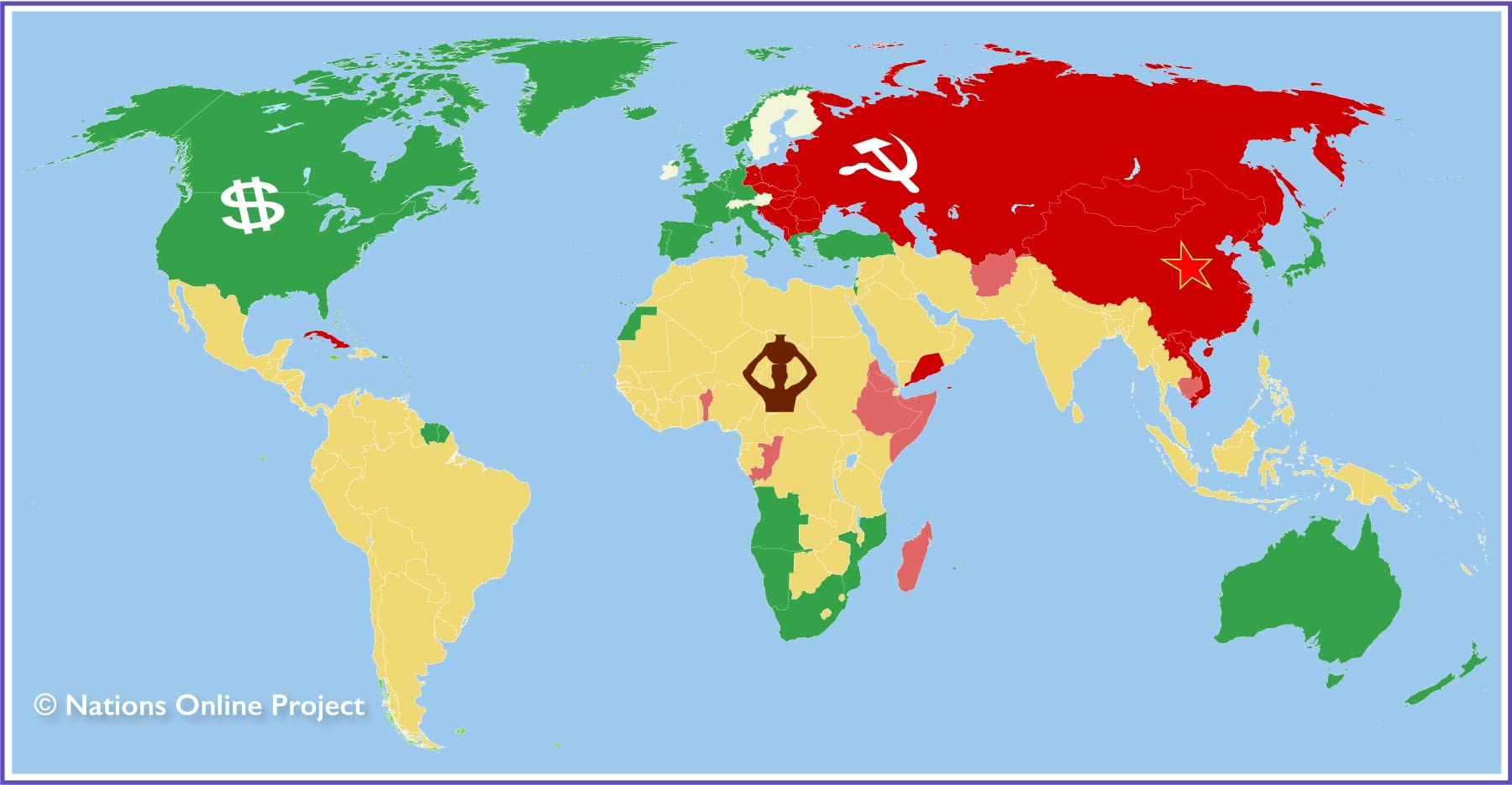
The concept of the “First World” emerged during the Cold War, a period of geopolitical tension between the two dominant superpowers: the United States and the Soviet Union. In this ideological struggle, countries were broadly categorized based on their alignment:
- First World: Nations aligned with the United States and NATO, generally characterized by democratic political systems and capitalist economies.
- Second World: Nations aligned with the Soviet Union and the Warsaw Pact, typically featuring communist or socialist political and economic systems.
- Third World: Countries that remained non-aligned with either bloc, often newly independent post-colonial states struggling with economic development and political instability.
From this initial division, the defining characteristic of the “First World” was its commitment to market-based economies and democratic governance. These early “First World” nations were already the industrial powerhouses of the era, possessing significant financial infrastructure and global trade networks.
Shifting Paradigms: Beyond Ideology to Economics
With the collapse of the Soviet Union in 1991, the geopolitical basis for the “First World,” “Second World,” and “Third World” classifications largely dissolved. The term “Second World” faded almost entirely, while “Third World” began to be replaced by more nuanced and less pejorative terms like “developing countries,” “emerging economies,” or “low-income countries.”
However, “First World” persisted, morphing into a shorthand for economically advanced nations. Today, when people refer to a “First World country,” they are almost invariably alluding to nations that possess a high degree of economic development, stability, and prosperity. This transition highlights a fundamental shift: the defining characteristic moved from political alignment to economic performance and financial robustness. As such, understanding “First World” today is inherently an exercise in economic and financial analysis.
Economic Hallmarks of a “First World” Nation
In a financial context, a “First World country” is synonymous with a “developed economy.” While there is no single, universally agreed-upon list, several key economic indicators and structural characteristics consistently define these nations. These attributes are critical for investors assessing market risk, businesses planning international expansion, and economists analyzing global trends.
High Income and GDP Per Capita
Perhaps the most straightforward economic indicator, “First World” nations consistently boast high Gross Domestic Product (GDP) per capita. GDP per capita measures the total economic output of a country divided by its population, offering a proxy for the average income and standard of living. Countries like the United States, Canada, Australia, Japan, and most Western European nations exemplify this, demonstrating significantly higher average incomes compared to developing economies. This high income level translates into greater consumer purchasing power, larger domestic markets, and a more robust tax base to fund public services and infrastructure. From an investment perspective, this signifies a market with strong consumer demand and a capacity for generating corporate profits.
Diversified and Advanced Economies
Developed economies are characterized by highly diversified economic structures, moving beyond reliance on primary industries (like agriculture or raw material extraction). Their economic output is primarily driven by sophisticated manufacturing, technology, and, crucially, the service sector. This diversification provides resilience against commodity price fluctuations and allows for continuous innovation and value creation. Furthermore, these economies are typically knowledge-based, investing heavily in research and development, education, and skilled labor. This advanced economic structure supports a wider array of investment opportunities, from cutting-edge tech firms to robust financial services industries.
Robust Financial Markets and Infrastructure
A defining feature of “First World” countries is the presence of deep, liquid, and well-regulated financial markets. These include:
- Stock Exchanges: Major stock exchanges (e.g., NYSE, NASDAQ, London Stock Exchange, Tokyo Stock Exchange) provide avenues for companies to raise capital and for investors to trade securities with relative ease and transparency.
- Bond Markets: Mature government and corporate bond markets offer stable investment options and enable efficient government and corporate borrowing.
- Banking Systems: Stable and well-capitalized banking sectors facilitate credit, payments, and savings, underpinning all economic activity.
- Regulatory Frameworks: Strong regulatory bodies (like the SEC in the U.S. or the FCA in the UK) ensure market integrity, protect investors, and mitigate systemic risks, fostering confidence among both domestic and international participants.
This advanced financial infrastructure is not only a hallmark of economic development but also a prerequisite for efficient capital allocation, enabling businesses to access funding for growth and individuals to manage their wealth effectively.
Beyond Pure Economics: Quality of Life and Financial Stability
While economic indicators form the core of the “First World” definition, other factors contributing to a high quality of life and overall societal stability are intrinsically linked to financial prosperity and investment attractiveness. These elements often reflect the judicious use of economic wealth to create a sustainable and predictable environment.
Strong Social Safety Nets and Public Services
“First World” nations typically invest significantly in social safety nets and comprehensive public services. This includes universal healthcare, robust education systems, unemployment benefits, and pension schemes. While these represent substantial government expenditures, they contribute to economic stability by:
- Reducing Poverty and Inequality: Minimizing extreme disparities can prevent social unrest and ensure a broader base of consumers and taxpayers.
- Boosting Human Capital: Access to quality education and healthcare improves productivity and innovation within the workforce.
- Providing Economic Security: Safety nets offer a buffer against economic shocks for individuals, which can stabilize consumer spending during downturns.
For businesses and investors, a healthy and educated populace is a stable workforce and a strong consumer base, reducing long-term social risks that could impact financial performance.
Sound Governance and Regulatory Frameworks
High levels of transparency, accountability, and the rule of law are characteristic of developed nations. This means:
- Stable Political Systems: Predictable political environments reduce uncertainty for businesses and investors.
- Low Corruption: Minimizing corruption ensures fair competition and efficient allocation of resources, preventing the siphoning off of capital.
- Strong Property Rights: Clearly defined and enforceable property rights protect investments and encourage entrepreneurship.
- Effective Legal Systems: Reliable judicial systems provide mechanisms for dispute resolution, offering recourse and predictability for financial transactions.
These governance structures are foundational for building trust in financial markets and encouraging both domestic and foreign direct investment. Without them, even strong economic fundamentals can be undermined by instability and unpredictability.
High Human Development Index (HDI)
The Human Development Index (HDI), developed by the United Nations, provides a broader measure of development than just economic output. It combines life expectancy, education (mean and expected years of schooling), and gross national income (GNI) per capita. “First World” countries consistently rank high on the HDI, indicating not just wealth, but also investments in human capital and a general commitment to improving the well-being of their citizens. High HDI scores correlate with healthier, more educated, and more productive populations, which are fundamental assets for sustained economic growth and financial innovation.
The Investment Landscape in Developed Economies
For investors, the characteristics of a “First World country” translate into distinct advantages and considerations that shape portfolio construction and risk assessment.
Stability and Lower Risk Profile
Developed economies are generally perceived as having lower investment risk compared to emerging or frontier markets. This is due to their stable political systems, mature regulatory environments, diversified economies, and robust financial institutions. While no market is entirely risk-free, the likelihood of sudden, severe economic crises, political expropriation, or currency collapses is significantly lower in “First World” nations. This stability often translates into more predictable returns, albeit sometimes lower growth potential compared to rapidly expanding emerging markets. Investors seeking capital preservation and consistent, albeit moderate, growth often favor developed market assets.
Market Sophistication and Liquidity
The depth and sophistication of financial markets in developed countries offer unparalleled liquidity. This means investors can buy and sell assets quickly without significantly impacting their prices, which is crucial for active portfolio management and risk mitigation. The wide array of financial instruments available—from complex derivatives to various classes of stocks and bonds—allows for highly granular investment strategies and sophisticated hedging. Furthermore, the extensive analyst coverage and transparent reporting requirements provide investors with abundant information to make informed decisions.
Opportunities for Portfolio Diversification
While developed markets share common characteristics, they also offer opportunities for geographical and sectoral diversification. Investing across different “First World” countries (e.g., U.S., Europe, Japan) can help mitigate risks associated with any single nation’s economic cycles or specific industry performance. For example, some developed economies might be stronger in technology, while others excel in healthcare or consumer staples. Strategically allocating investments across these diverse developed markets allows for a balanced portfolio that harnesses the collective strength and innovation of the global financial powerhouses, while adhering to the lower risk profile generally associated with “First World” assets.
In conclusion, while the term “First World country” has historical roots in geopolitics, its contemporary relevance is predominantly economic and financial. It signifies nations with advanced, diversified economies, high incomes, robust financial markets, strong governance, and a high quality of life. For anyone engaged in finance—from individual investors to multinational corporations—understanding these characteristics is fundamental to navigating the complex global economic landscape, assessing opportunities, and managing risk effectively.
aViewFromTheCave is a participant in the Amazon Services LLC Associates Program, an affiliate advertising program designed to provide a means for sites to earn advertising fees by advertising and linking to Amazon.com. Amazon, the Amazon logo, AmazonSupply, and the AmazonSupply logo are trademarks of Amazon.com, Inc. or its affiliates. As an Amazon Associate we earn affiliate commissions from qualifying purchases.