
The term “Millennial” has become deeply embedded in our cultural lexicon, often invoked to explain everything from consumer behavior to workplace dynamics. But what precisely defines this generation? When does one officially become a Millennial, and why does this seemingly simple question hold so much significance, particularly within the realm of technology? Understanding the generational boundaries of Millennials is crucial for anyone involved in technology, from product developers and marketers to educators and even tech enthusiasts themselves. This article delves into the commonly accepted birth year ranges for Millennials and explores the profound impact this generational cohort has had, and continues to have, on the technological landscape.

Defining the Millennial Generation: A Shifting Landscape
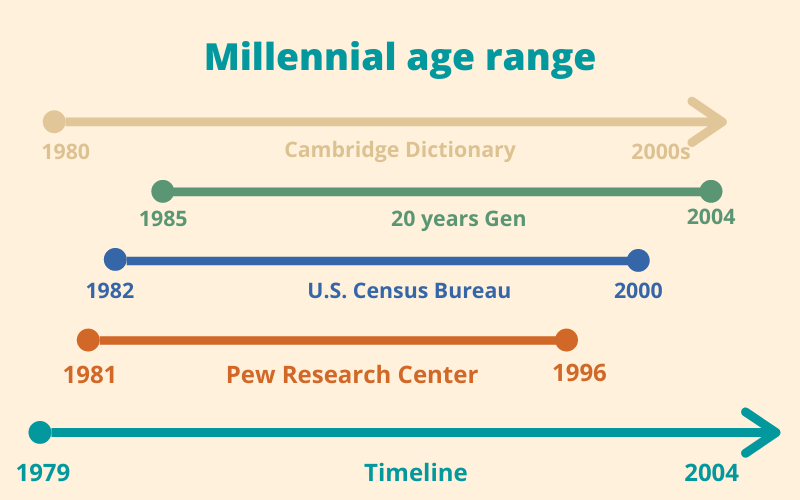
The definition of any generation is not a rigid, universally agreed-upon decree, but rather a consensus that evolves over time, influenced by demographic shifts, cultural milestones, and sociological analysis. For Millennials, this consensus has solidified around specific birth year ranges, though minor variations exist depending on the source.
The Dominant Birth Year Ranges
The most widely accepted definition, often cited by institutions like the Pew Research Center, places the Millennial generation (also known as Generation Y) as born between 1981 and 1996. This range captures individuals who came of age around the turn of the millennium, experiencing significant technological and societal shifts as they transitioned into adulthood.
- The Early Millennials (1981-1988): This segment of the generation often remembers a time before ubiquitous internet access and smartphones. Their formative years were marked by the rise of dial-up internet, the proliferation of home computers, and the early days of social media platforms like MySpace. They often bridge the gap between analog and digital, possessing a unique understanding of pre-internet culture while readily embracing new technologies.
- The Late Millennials (1989-1996): Those born towards the latter end of this range are true digital natives. They grew up with the internet as a constant, smartphones in their pockets from a young age, and social media deeply integrated into their social lives. Their experiences are inherently digital-first, shaping their expectations and interactions with technology from the outset.
Why the Ambiguity Matters in Tech
The precise birth years of Millennials are more than just a demographic footnote; they have tangible implications for the technology sector. Companies aiming to reach this demographic, understand their preferences, or predict future trends need a clear understanding of who they are targeting.
- Product Development and Design: Understanding the digital fluency and early tech experiences of different sub-segments within the Millennial generation can inform how products are designed. For instance, features that cater to those who learned to use complex software on desktop computers might differ from those designed for individuals who primarily interact with touch-screen interfaces.
- Marketing and Communication: Marketing strategies that resonate with early Millennials, who might recall the novelty of early social media, may differ from those that appeal to late Millennials who have never known a world without it. The language, platforms, and content styles that prove effective are heavily influenced by this generational upbringing.
- Workplace Integration: As Millennials now form a significant portion of the workforce, understanding their technological aptitude and expectations is vital for businesses. This includes everything from their preferred communication tools to their comfort with remote work technologies and their openness to adopting new software and platforms.
The Millennial Imprint on the Digital Revolution
Millennials are often hailed as the generation that spearheaded the widespread adoption and integration of digital technologies into daily life. Their formative years coincided with the explosion of the internet, mobile computing, and social networking, making them instrumental in shaping the digital landscape we inhabit today.
Early Adopters and the Dawn of the Internet Age
The early Millennials, in particular, were at the forefront of adopting the internet and personal computers. They witnessed firsthand the transition from analog to digital, often being the first in their families to experience the power of online connectivity.
- The Rise of the Personal Computer: For many, the home computer became a gateway to a new world of information and entertainment. Millennials learned to navigate operating systems, use productivity software, and explore the nascent internet through dial-up connections.
- The Early Internet Experience: The World Wide Web, in its early stages, was a landscape of text-heavy websites, rudimentary search engines, and the novelty of email. Millennials embraced this new form of communication and information retrieval, laying the groundwork for future digital literacy.
- The Emergence of Online Communities: Platforms like AOL chat rooms, Usenet groups, and early forums allowed Millennials to connect with others who shared their interests, forming some of the first significant online communities. This experience fostered a sense of digital belonging and paved the way for more sophisticated social networks.
The Social Media Revolution and the Connected Generation
The latter half of the Millennial generation, and indeed the entire cohort, experienced the profound societal shift brought about by the rise of social media. This had a transformative effect on communication, relationships, and how information is consumed.

- The Dawn of Social Networking: Platforms like Friendster, MySpace, and later Facebook, Twitter, and Instagram, became central to the Millennial social experience. They learned to curate online identities, share personal updates, and maintain connections with friends and family through these digital channels.
- User-Generated Content and the Democratization of Information: Millennials were not just passive consumers of digital content; they became active creators. Blogs, vlogs, and early forms of online publishing empowered individuals to share their perspectives, leading to a democratization of information and the rise of influencer culture.
- Mobile-First Connectivity: As smartphones became ubiquitous during the formative years of many late Millennials, mobile technology became the primary interface for digital interaction. This “mobile-first” mentality has shaped app design, user experience expectations, and the very way we access information on the go.
Millennial Influence on the Tech Industry’s Trajectory
The behaviors, preferences, and sheer numbers of the Millennial generation have undeniably steered the direction of the technology industry. Companies have had to adapt their strategies to cater to this influential demographic.
Consumer Expectations and the Demand for Seamless Experiences
Millennials have grown accustomed to a certain level of technological sophistication and ease of use, setting a high bar for the industry.
- Intuitive User Interfaces (UI) and User Experience (UX): Having grown up with increasingly user-friendly technology, Millennials expect digital products and services to be intuitive and effortless to navigate. Poor UI/UX is often a deal-breaker, leading to abandonment of apps and services.
- Personalization and Customization: The ability to tailor digital experiences to individual preferences is highly valued. Millennials expect platforms to learn their habits and offer personalized recommendations, content, and advertisements.
- On-Demand Access and Instant Gratification: The expectation of immediate access to information, entertainment, and services, fueled by the internet and mobile technology, has become a hallmark of the Millennial consumer. This drives the demand for streaming services, e-commerce with fast delivery, and apps that provide instant solutions.
The Gig Economy and the Rise of Digital Entrepreneurship
The Millennial generation has also played a significant role in shaping new work paradigms and entrepreneurial ventures, heavily reliant on technology.
- Embracing the Gig Economy: Many Millennials, seeking flexibility and diverse work opportunities, have gravitated towards the gig economy. Platforms like Uber, Lyft, DoorDash, and various freelance marketplaces have facilitated this shift, enabling individuals to monetize their skills and time on demand.
- Digital Entrepreneurship and Start-ups: The accessibility of digital tools and platforms has empowered Millennials to launch their own businesses and ventures with lower barriers to entry. E-commerce stores, SaaS products, and online service providers are common examples of this entrepreneurial spirit.
- Remote Work and Flexible Arrangements: The comfort and proficiency with digital communication and collaboration tools have made Millennials strong advocates for remote work and flexible employment arrangements. This has pushed companies to invest in and adopt technologies that support distributed teams.
Navigating the Future: The Evolving Role of Millennials in Tech
As Millennials continue to mature and occupy influential positions across industries, their impact on the technological landscape will only deepen. Understanding their continued evolution is key to anticipating future tech trends.
The Maturing Millennial and Shifting Priorities
While the “young, tech-savvy” stereotype persists, the reality is that Millennials are now in their late 20s, 30s, and early 40s. This maturation brings about new priorities and demands from technology.
- Focus on Productivity and Efficiency: As career and personal responsibilities grow, Millennials are increasingly looking for technology that enhances productivity and streamlines daily life. Tools that automate tasks, improve time management, and facilitate work-life balance are highly sought after.
- Wellness and Digital Well-being: With increased awareness of the potential downsides of constant digital connectivity, there’s a growing interest in tools and strategies that promote digital well-being, mindfulness, and a healthier relationship with technology.
- Financial Management and Investment Tools: As Millennials enter peak earning years and face major life events like homeownership and starting families, there’s a greater demand for sophisticated personal finance management tools, investment platforms, and financial planning resources that are accessible and intuitive.
The Legacy and the Next Generation
The technological foundations laid by Millennials are now being built upon by subsequent generations, particularly Generation Z. However, the Millennial influence remains undeniable.
- Mentorship and Knowledge Transfer: As experienced users and creators of digital technologies, Millennials are now in positions to mentor younger generations, sharing their insights and guiding the development and adoption of future tech.
- Shaping the Future of AI and Automation: Their continued engagement with emerging technologies like artificial intelligence and automation will be crucial in defining how these powerful tools are developed, implemented, and integrated into society.
- Advocacy for Ethical Tech and Digital Citizenship: Having witnessed both the benefits and potential pitfalls of the digital age, many Millennials are becoming vocal advocates for ethical technology development, data privacy, and responsible digital citizenship.
In conclusion, the question of “what years are considered millennial” is not merely an academic exercise. It’s a fundamental point of reference for understanding a generation that has profoundly shaped, and continues to influence, the very fabric of our technological world. From the early days of dial-up to the complexities of AI, Millennials have been at the forefront, driving innovation, shaping consumer expectations, and redefining how we interact with technology every single day. As we look ahead, their continued evolution and engagement will undoubtedly remain a critical factor in the future trajectory of the tech industry.
aViewFromTheCave is a participant in the Amazon Services LLC Associates Program, an affiliate advertising program designed to provide a means for sites to earn advertising fees by advertising and linking to Amazon.com. Amazon, the Amazon logo, AmazonSupply, and the AmazonSupply logo are trademarks of Amazon.com, Inc. or its affiliates. As an Amazon Associate we earn affiliate commissions from qualifying purchases.