
The National Basketball Association (NBA) stands today as a colossal global sports and entertainment brand, synonymous with athleticism, iconic stars, and compelling narratives. Yet, every brand, no matter how dominant, has an origin story—a foundational moment from which its identity and trajectory began to unfold. For the NBA, this genesis occurred in 1946, though its initial iteration was not quite the league we recognize today. Understanding this founding moment, and the strategic evolution that followed, offers invaluable insights into the anatomy of a powerful, long-lasting brand. The NBA’s journey from a nascent organization to a multi-billion-dollar global enterprise is a masterclass in brand building, adaptation, and sustained relevance, rooted deeply in its initial formation and subsequent rebranding efforts.
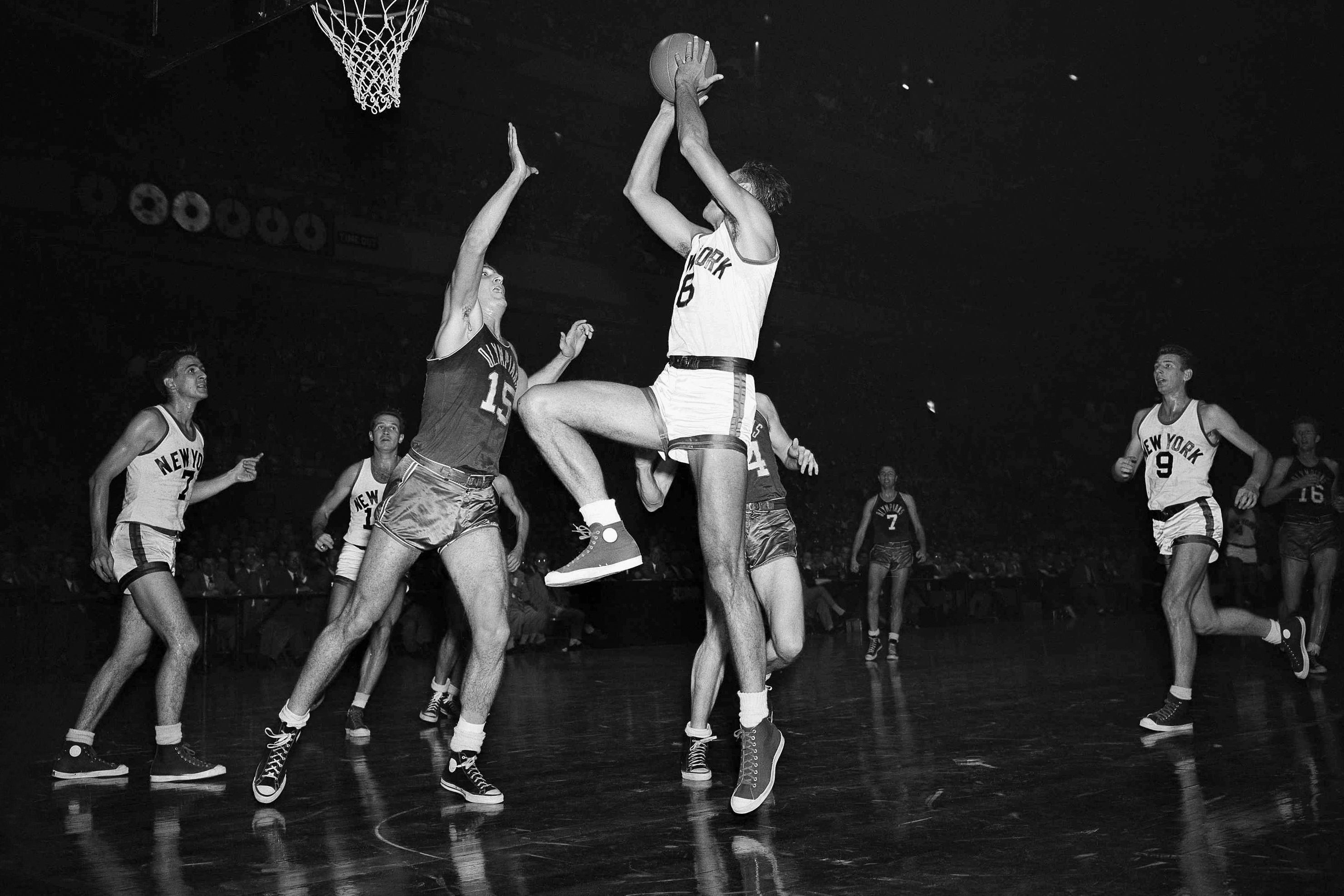
The Genesis of a Global Sports Brand: From BAA to NBA
The initial spark for what would become the NBA was ignited on June 6, 1946, with the formation of the Basketball Association of America (BAA). This wasn’t merely the creation of a sports league; it was a strategic move aimed at establishing a professional basketball product in major North American arenas, filling seats during non-hockey nights, and capitalizing on the burgeoning interest in the sport. The decisions made during these formative years—from naming conventions to league structure—were critical first steps in carving out a distinct brand identity in a competitive entertainment landscape.
From BAA to NBA: A Strategic Rebranding
The BAA commenced its inaugural season in November 1946 with eleven teams. While it offered professional basketball, it was one of several leagues vying for attention, notably competing with the older, more established National Basketball League (NBL). The significant turning point, and the true birth of the NBA brand as we largely know it, occurred three years later. On August 3, 1949, the BAA officially merged with the NBL, forming a new entity: the National Basketball Association. This wasn’t just a merger of two leagues; it was a strategic rebranding and consolidation of power that drastically reshaped the professional basketball landscape.
This rebranding from BAA to NBA was a pivotal moment in corporate identity. The new name, “National Basketball Association,” conveyed a sense of comprehensiveness, authority, and national scope that “Basketball Association of America” perhaps lacked in its simpler form. It signaled a unified front, presenting a stronger, more coherent brand message to fans, media, and potential investors. This strategic consolidation eliminated a key competitor, streamlined operations, and allowed the newly formed NBA to present itself as the premier professional basketball league, an essential step in solidifying its brand position. The merger brought together stronger teams, better talent, and a wider geographic reach, creating a more compelling and marketable product under a unified banner.
The Founding Vision: Establishing Early Brand Identity
The vision behind the BAA, and subsequently the NBA, was ambitious: to professionalize basketball and present it as a legitimate, high-quality entertainment product. This involved establishing a consistent brand experience, from standardized rules to reliable scheduling. The early pioneers understood that a strong league brand depended on a predictable, exciting product. They aimed to attract and retain top talent, create compelling rivalries, and build a fan base that would consistently fill arenas.
Early marketing efforts, though rudimentary by today’s standards, focused on promoting the star players of the era and highlighting the fast-paced nature of the game. The goal was to imbue the new league with an identity that was distinct from other sports and other basketball leagues. They sought to brand basketball as a dynamic, accessible, and thrilling sport, suitable for family entertainment. The very act of forming a stable league with a clear structure was an exercise in brand building, communicating reliability and aspiration to an audience hungry for quality sports.
Navigating Early Challenges and Brand Consolidation
The early years of the NBA were far from smooth. The league faced financial instability, fluctuating team memberships, and continued competition for media attention. Many teams struggled to draw crowds, and some folded after just a few seasons. This period was crucial for brand resilience. The league had to demonstrate its staying power and evolve its product to survive. Key innovations like the shot clock (introduced in 1954) were not just rule changes; they were strategic enhancements designed to improve the “product experience,” making games faster, more exciting, and ultimately more marketable.
These challenges forced the nascent NBA brand to adapt and consolidate. Decisions were made to streamline the number of teams, focusing on larger markets with stronger financial backing. The league actively sought to cultivate iconic teams and rivalries, understanding that compelling narratives are the bedrock of any successful sports brand. The consistent presence of legendary franchises like the Boston Celtics and the Minneapolis (later Los Angeles) Lakers, even in the early days, helped build a sense of heritage and tradition that would become a vital component of the NBA’s enduring brand equity. This foundational period of trial, error, and strategic adjustment laid the groundwork for the brand’s future growth and widespread appeal.
Building Blocks of an Enduring Brand Identity
Beyond its foundational merger, the NBA meticulously constructed elements that would become synonymous with its identity, cultivating a brand that transcends the sport itself. These elements, from visual cues to storytelling, have been critical in establishing its global recognition and emotional resonance.
The Iconic Logo: Visual Identity and Recognition
Perhaps no single element embodies the NBA brand more powerfully than its iconic “Jerry West” logo. Designed by Alan Siegel in 1969, this silhouette of a basketball player dribbling, rendered in red, white, and blue, is a masterpiece of visual branding. It is simple, dynamic, and instantly recognizable worldwide. The choice of colors subtly tied the league to national pride, while the dynamic pose encapsulated the athleticism and excitement of the game.
The logo’s longevity and consistency have been paramount to its brand success. Unlike many corporate logos that undergo frequent redesigns, the NBA logo has remained virtually unchanged for over five decades. This unwavering consistency has fostered deep familiarity and trust, making it a powerful shorthand for the league’s quality, heritage, and global appeal. It’s a testament to the power of a well-designed, timeless visual identity to become the ultimate brand ambassador, communicating without words. The logo has become more than just an emblem; it is a symbol of basketball excellence and a global cultural icon.
Crafting the Narrative: Storytelling as a Brand Pillar
From its earliest days, the NBA understood the power of storytelling. It wasn’t just about games; it was about heroes, villains, rivalries, triumphs, and heartbreaks. The league strategically highlighted its star players—George Mikan, Bill Russell, Wilt Chamberlain—not just as athletes, but as compelling characters in an unfolding drama. These narratives created emotional connections with fans, transforming casual observers into passionate followers.
The NBA has consistently excelled at crafting and disseminating these stories, whether through traditional media, documentaries, or, more recently, through sophisticated digital content strategies. The rivalries of the 1980s between Magic Johnson’s Lakers and Larry Bird’s Celtics were meticulously amplified, creating a captivating “good vs. evil” narrative that drew in millions. This focus on human drama, aspiration, and achievement has been a cornerstone of the NBA’s marketing, allowing it to transcend mere sports statistics and tap into universal human emotions. The league understands that a brand is not just a product; it is a collection of compelling stories that resonate with its audience.
League Structure as a Brand Framework

The very structure of the NBA—its conferences, divisions, playoff system, and draft—serves as a robust brand framework. This organized chaos generates constant narratives: the race for the playoffs, the drama of the draft lottery, the intensity of championship contention. These structural elements provide a predictable yet endlessly variable platform for compelling competition, ensuring sustained fan engagement throughout the year.
Furthermore, the league’s emphasis on individual teams as distinct sub-brands is crucial. Each franchise, with its unique city, colors, mascot, and history, develops its own local brand identity that feeds into the overarching NBA brand. The rivalries between these distinct team brands—e.g., Lakers vs. Celtics, Knicks vs. Heat—are carefully cultivated and celebrated, generating intense local loyalty that collectively strengthens the national and international NBA brand. The league masterfully balances a unified identity with the vibrant diversity of its constituent parts, creating a rich tapestry of brand experiences for its global audience.
Evolution of the NBA Brand: From Local to Global Powerhouse
The NBA of today bears little resemblance to its fledgling BAA origins, not just in scale but in its strategic brand positioning. Its trajectory from a domestic league to a global phenomenon is a testament to its continuous brand innovation and responsiveness to cultural shifts.
Leveraging Star Power: Athletes as Brand Ambassadors
The NBA’s growth into a global powerhouse is inextricably linked to its unparalleled ability to cultivate and leverage superstar athletes as brand ambassadors. From Michael Jordan’s unparalleled global appeal in the 1980s and ’90s to LeBron James, Stephen Curry, and Giannis Antetokounmpo today, the league has effectively integrated its top players into its core brand identity. These athletes transcend sports; they are cultural icons whose personal brands amplify the league’s reach and attractiveness.
The NBA has been masterful at marketing not just the game, but the personalities behind the game. Player endorsements, signature shoe lines, and individual marketing campaigns are not merely external partnerships; they are integral extensions of the NBA brand. By allowing players to develop strong personal brands, the league creates multiple entry points for fans, fostering deeper engagement and expanding its global footprint. This symbiotic relationship between player and league brand is a unique strength, setting the NBA apart in the sports world.
Marketing the Game: Expanding Fan Engagement
The NBA has consistently been at the forefront of innovative marketing and fan engagement strategies. From the dramatic music and slow-motion replays of “NBA on NBC” intros in the 90s to its pioneering use of social media and digital content today, the league understands that effective marketing is about creating immersive and accessible experiences. They don’t just broadcast games; they craft events, build communities, and foster a sense of belonging.
The league’s commitment to fan engagement includes initiatives like NBA Global Games, which bring the live experience to international audiences, and comprehensive digital platforms that offer unprecedented access to highlights, interviews, and behind-the-scenes content. This multi-channel approach ensures that the NBA brand is omnipresent, reaching fans wherever they are and on whatever platform they prefer, continuously reinforcing its appeal and accessibility.
Digital Transformation: Adapting the Brand for New Eras
In the digital age, the NBA has demonstrated remarkable agility in adapting its brand for new consumption habits. It was one of the first major sports leagues to embrace social media fully, recognizing its potential to connect directly with fans and cultivate a younger, digitally native audience. The league encourages content sharing, meme culture, and direct interaction between players and fans, democratizing access to its brand in unprecedented ways.
Platforms like NBA League Pass and its robust presence on YouTube, Instagram, TikTok, and X (formerly Twitter) are not just distribution channels; they are integral components of its modern brand strategy. By providing bite-sized, shareable content alongside full game broadcasts, the NBA has maintained its relevance and expanded its appeal to diverse demographics. This embrace of digital transformation ensures that the NBA brand remains fresh, dynamic, and connected to the evolving cultural landscape.
The NBA’s Brand Legacy and Future Trajectory
The NBA’s journey from its 1946 origins to its current global stature is a powerful narrative of strategic brand building. Its legacy is not just one of athletic achievement, but of masterful corporate identity development, marketing prowess, and sustained cultural impact.
Cultivating Community: The Social Impact of the Brand
Beyond the courts, the NBA brand has cultivated a strong sense of community and social responsibility. Through initiatives like NBA Cares, the league actively promotes social justice, education, and health, aligning its brand with positive societal values. This commitment to community engagement enhances its brand reputation, fostering goodwill and demonstrating that the NBA stands for more than just entertainment. For many fans, being part of the NBA community extends beyond supporting a team; it signifies belonging to a larger movement that champions diversity, inclusion, and positive change. This social consciousness has become an integral part of its modern brand identity, resonating deeply with contemporary audiences.
Maintaining Relevance: Innovation and Brand Refresh
A truly enduring brand is never static; it consistently innovates and refreshes itself to remain relevant. The NBA achieves this through continuous rule adjustments, embrace of new technologies (like VR/AR experiences), and strategic partnerships that keep its brand fresh and exciting. It continually looks for ways to enhance the fan experience, whether through advanced analytics, interactive digital tools, or evolving broadcast presentations. This proactive approach to innovation ensures that the NBA brand never feels outdated, consistently offering novel ways to engage with the sport and its culture.

Global Expansion: Exporting the Brand Worldwide
The NBA’s vision has always extended beyond North American borders, exemplified by its aggressive global expansion strategy. By nurturing international talent, staging games abroad, and tailoring content for diverse cultural markets, the NBA has successfully exported its brand worldwide. Leagues like the NBA Africa and strategic partnerships in China, India, and Europe are not just business ventures; they are deliberate efforts to embed the NBA brand into local cultures, creating new generations of fans and strengthening its global presence. This ambition to be the world’s premier basketball league underscores a brand strategy focused on unparalleled reach and universal appeal, solidifying its status as a truly global icon born in 1946.
In conclusion, the answer to “what year was the NBA created?” is 1946, initially as the BAA, evolving into the NBA in 1949. This founding moment was not just a historical date but the crucial first chapter in an epic brand story. The NBA’s journey is a compelling case study in how strategic mergers, iconic visual identity, compelling storytelling, star power, and relentless adaptation can transform a nascent organization into one of the most powerful and beloved global brands in history.
aViewFromTheCave is a participant in the Amazon Services LLC Associates Program, an affiliate advertising program designed to provide a means for sites to earn advertising fees by advertising and linking to Amazon.com. Amazon, the Amazon logo, AmazonSupply, and the AmazonSupply logo are trademarks of Amazon.com, Inc. or its affiliates. As an Amazon Associate we earn affiliate commissions from qualifying purchases.