
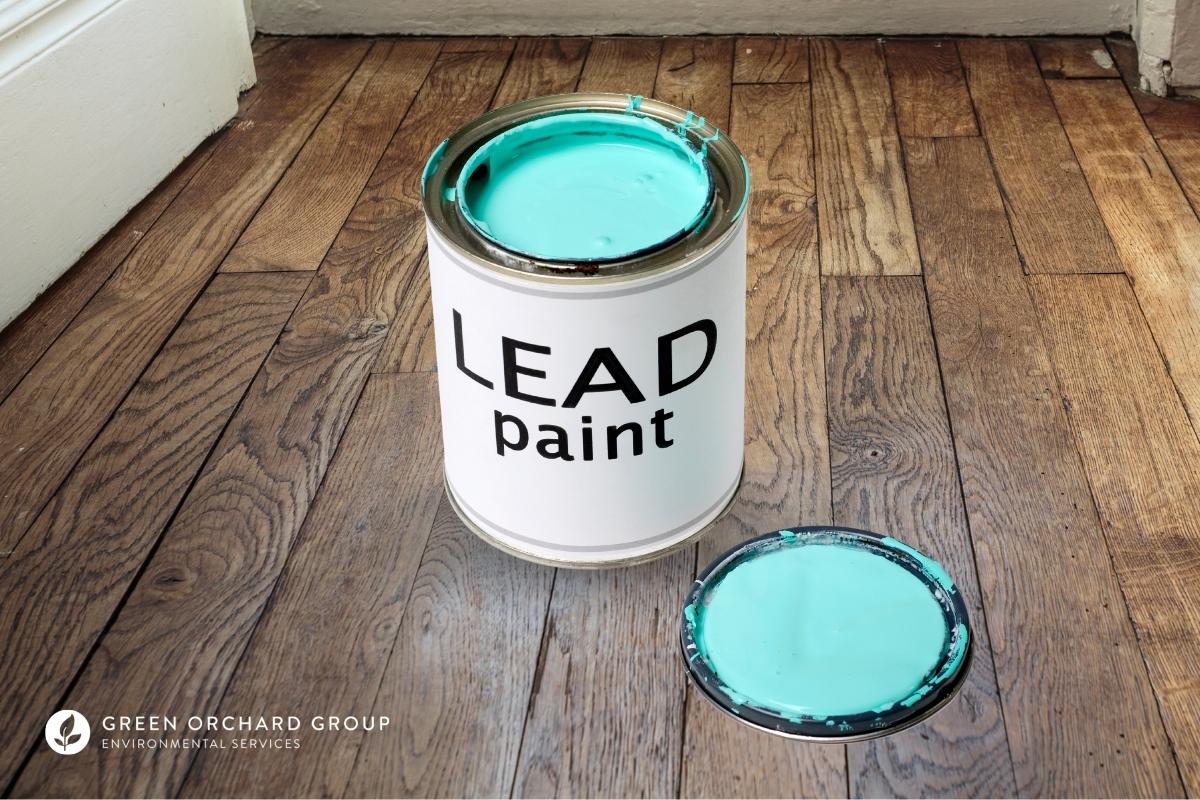
In the world of real estate investment and property management, specific dates act as “continental divides” for asset valuation. Few dates carry as much financial weight as 1978. This was the year the United States Consumer Product Safety Commission (CPSC) officially banned the sale of lead-based paint for residential use. While the ban was a landmark victory for public health, it created a permanent bifurcation in the housing market. For the modern investor, “what year lead paint was banned” is not just a trivia question; it is a critical variable in due diligence, liability management, and capital expenditure planning.
Understanding the financial legacy of 1978 is essential for anyone looking to scale a portfolio in older urban centers. The presence of lead-based paint introduces a layer of complexity to the “buy, rehab, rent, refinance” (BRRRR) strategy that can either erode margins or, if managed correctly, provide a unique entry point into high-value historical markets.
The Economic Milestone: Why 1978 Redefined Property Valuation
The 1978 ban transformed the residential real estate landscape by introducing a permanent “legacy cost” to approximately 38 million homes across the United States. From a financial perspective, this created two distinct classes of inventory: modern, “lead-free” assets and legacy assets that require ongoing monitoring or expensive remediation.
The Legal Cut-off and Its Impact on Appraisals
When an appraiser or a commercial lender evaluates a property, the construction date serves as the primary risk indicator. Properties built after 1978 are generally assumed to be free of lead hazards, which streamlines the financing process. Conversely, pre-1978 properties often trigger specific lender requirements, especially for FHA or VA loans.
From a valuation standpoint, a property with a certified “Lead-Free” status often commands a premium or, at the very least, higher liquidity. Investors must account for the “stigma discount” that sometimes attaches to older homes in competitive markets. If two identical properties are priced the same, but one requires lead disclosure and the other does not, the market will naturally favor the latter, forcing the investor of the older asset to adjust their pricing strategy or improve the property’s lead status to remain competitive.
Due Diligence Costs in Older Inventory
For the savvy investor, the 1978 threshold necessitates a more robust due diligence budget. While a standard home inspection might cost $500, a comprehensive Lead-Based Paint (LBP) inspection and risk assessment can add significant costs to the pre-purchase phase.
This financial outlay is not merely a “sunk cost” but a risk mitigation tool. Identifying lead hazards during the escrow period allows for price renegotiation. Many investors use the discovery of deteriorating lead paint as a powerful lever to lower the purchase price, often securing a discount that exceeds the actual cost of remediation. However, failing to perform this diligence can lead to “budget creep” during the renovation phase, where unexpected abatement requirements can quickly consume a project’s contingency fund.
Managing Liability and Insurance Risks for Modern Investors
In the modern legal environment, lead paint is not just a physical hazard; it is a financial liability hazard. The federal government, through the Environmental Protection Agency (EPA) and the Department of Housing and Urban Development (HUD), enforces strict disclosure rules that, if ignored, can result in catastrophic fines and legal settlements.
Disclosure Requirements as a Financial Safeguard
The Residential Lead-Based Paint Hazard Reduction Act of 1992, commonly known as Title X, mandates that sellers and landlords disclose known lead-based paint hazards and provide buyers and renters with a federally approved lead hazard information pamphlet.
From a business finance perspective, strict adherence to disclosure is the cheapest insurance an investor can buy. The penalties for non-compliance are severe: the EPA can levy fines exceeding $18,000 per violation. In the context of a multi-unit apartment complex, a systemic failure to disclose can result in six-figure penalties that threaten the solvency of the holding company. Professional property managers treat disclosure as a core financial compliance task, ensuring that every lease agreement includes a signed lead disclosure form to insulate the owner from punitive damages.
Navigating Lead-Based Paint Insurance Premiums
Insurance is a major line item in any property’s profit and loss (P&L) statement. Following the 1978 ban, and the subsequent wave of litigation in the 1990s and 2000s, many standard general liability policies began including “Lead Exclusions.”

For owners of pre-1978 rental portfolios, this exclusion creates a massive financial gap. Obtaining a policy that specifically covers lead-related claims often requires a higher premium and proof of “lead-safe” practices. Investors must weigh the cost of these higher premiums against the capital investment required to fully abate the property. In many jurisdictions, having a “Lead-Safe Certificate” can lower insurance costs and increase the asset’s eligibility for specialized real estate investment trusts (REITs) and institutional buyers who have low risk tolerances for environmental hazards.
The Cost-Benefit Analysis of Lead Abatement vs. Interim Controls
When an investor discovers lead paint in a property, they face a strategic financial decision: should they opt for “Interim Controls” to manage the hazard or full “Abatement” to eliminate it? The choice between these two paths significantly impacts both short-term cash flow and long-term asset appreciation.
Calculating the ROI of Professional Lead Removal
Full abatement—which involves the permanent removal of lead-based paint through replacement of components (like windows and doors) or specialized stripping—is expensive. Costs can range from $10,000 to $30,000 for a standard single-family home.
However, the Return on Investment (ROI) for abatement is often found in the “exit strategy.” An abated property is essentially “future-proofed.” It becomes eligible for all types of financing, attracts higher-quality tenants who are concerned about family safety, and eliminates the ongoing costs of specialized maintenance. For an investor looking to hold an asset for 20+ years, the upfront cost of abatement often yields a higher Net Present Value (NPV) than the cumulative cost of repeated lead-safe renovations and higher insurance premiums.
Grant Programs and Tax Credits for Mitigation
One of the most overlooked aspects of the financial side of lead paint is the availability of public funding. HUD provides millions of dollars in lead hazard control grants to local governments, which are then distributed to property owners.
For an investor, tapping into these grants can effectively subsidize a renovation. In some cases, these grants cover 70-100% of the cost of replacing old, lead-painted windows with modern, energy-efficient ones. This creates a double financial win: the property becomes lead-safe (increasing value and reducing liability) and energy-efficient (reducing utility costs and increasing tenant retention). Smart investors scan municipal “Lead Hazard Reduction” programs as part of their market analysis when deciding where to purchase their next asset.
Scaling Your Portfolio: Strategic Acquisition of Historical Assets
Despite the hurdles, pre-1978 properties often offer some of the highest yields in the real estate market. These homes are frequently located in “in-fill” locations—established neighborhoods with high demand, mature infrastructure, and architectural character that modern builds cannot replicate.
Factoring Rehabilitation Costs into Your Cap Rate
When calculating the Capitalization Rate (Cap Rate) for an older property, the “1978 factor” must be integrated into the maintenance and improvement projections. A standard 10% maintenance reserve may be insufficient for a pre-1978 building.
Seasoned investors typically use a tiered maintenance model. They allocate a higher percentage of gross income to reserves in the first three years of ownership to address “Renovation, Repair, and Painting” (RRP) rule compliance. By front-loading these costs, they stabilize the asset more quickly. Once the property is certified lead-safe, the maintenance reserve can be normalized, leading to an expansion in the yield over the mid-to-long term.
The Future of Urban Renewal and Legacy Lead Constraints
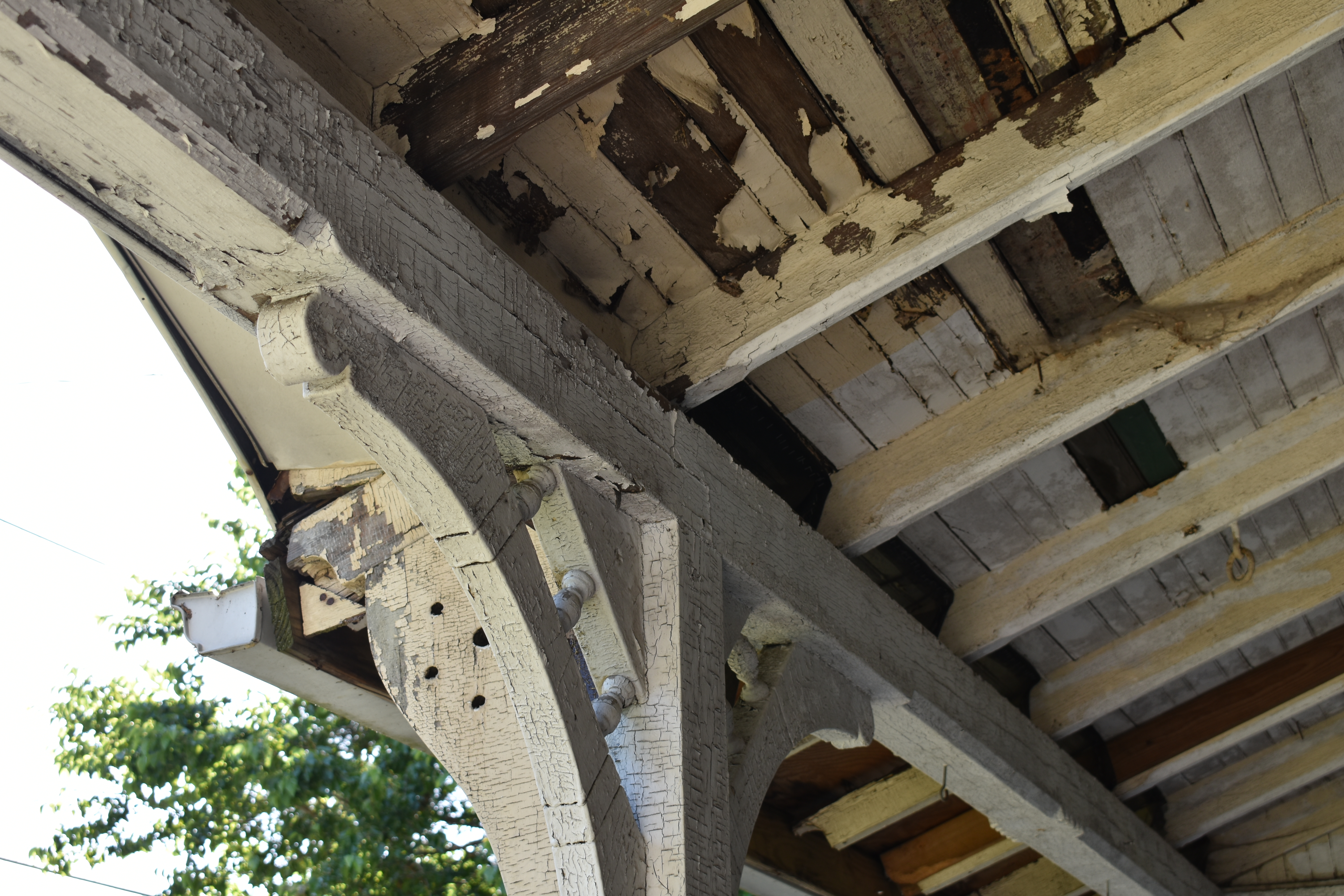
As urban renewal continues to drive capital into older city centers, the financial pressure to address legacy lead paint increases. We are seeing a trend where municipalities are becoming more aggressive with “Lead-Free” mandates for rental licenses.
Investors who proactively address lead hazards today are positioning themselves ahead of the regulatory curve. In the business of real estate, being reactive to regulation is always more expensive than being proactive. Those who understand the implications of the 1978 ban can use that knowledge to buy “problem” properties at a discount, utilize government subsidies for remediation, and eventually exit the investment at a premium as a “certified safe” asset.
Ultimately, the 1978 lead paint ban is a defining boundary in the financial life of a property. By treating lead not just as a health issue, but as a manageable financial variable, investors can navigate the complexities of older housing stock to build a portfolio that is both profitable and socially responsible. In the intersection of history and high finance, the most successful players are those who know exactly how to price the risks of the past to secure the gains of the future.
aViewFromTheCave is a participant in the Amazon Services LLC Associates Program, an affiliate advertising program designed to provide a means for sites to earn advertising fees by advertising and linking to Amazon.com. Amazon, the Amazon logo, AmazonSupply, and the AmazonSupply logo are trademarks of Amazon.com, Inc. or its affiliates. As an Amazon Associate we earn affiliate commissions from qualifying purchases.