
The sprawling ranches, the dramatic power struggles, and the breathtaking landscapes of Yellowstone have captivated audiences worldwide. More than just a popular television drama, the show has become a cultural phenomenon, prompting countless discussions about its characters, plotlines, and, intriguingly, its setting. A question that frequently arises, particularly for those trying to contextualize the show’s themes and the characters’ lives, is: “What year is Yellowstone set in?” While the series presents a seemingly contemporary feel, a closer examination reveals a fascinating interplay between the present day and a meticulously crafted narrative that often feels timeless, yet firmly rooted in a specific era of technological and societal evolution.
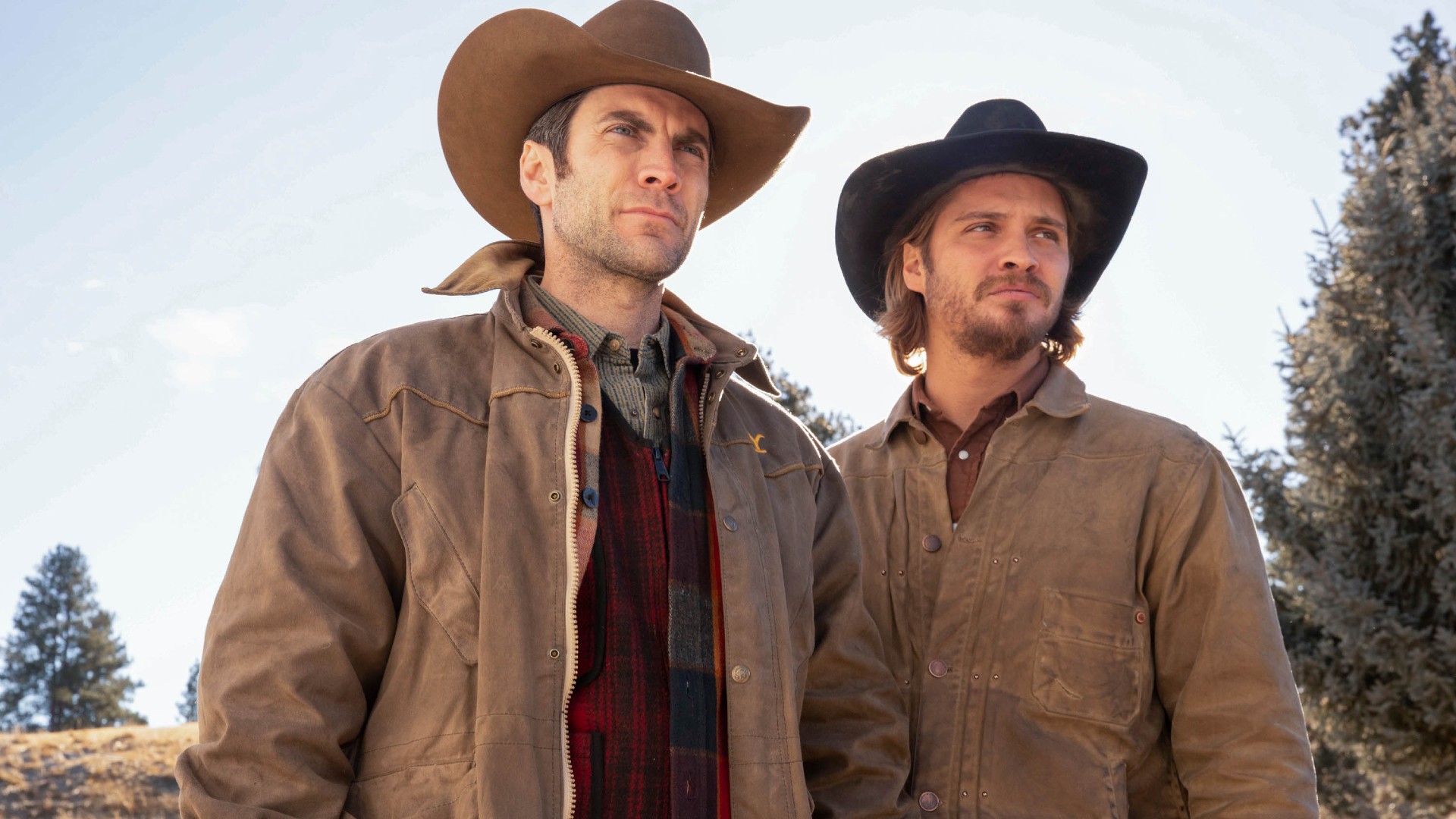
Understanding the chronological placement of Yellowstone is crucial for appreciating its exploration of themes like land ownership, family legacy, the clash between tradition and modernity, and the ever-present influence of technology on even the most remote corners of American life. This exploration delves into the subtle clues and overt indicators that place the series within a particular timeframe, analyzing how the show’s creators leverage this temporal setting to amplify its narrative impact.
The Illusion of Timelessness: Establishing the Contemporary Baseline
Yellowstone masterfully cultivates an aura of enduring tradition and rugged individualism, often making it difficult to pinpoint an exact year. The rugged landscapes of Montana, the reliance on horses and cattle drives, and the stoic demeanor of many characters evoke a sense of classic Westerns. However, beneath this veneer of timelessness lies a distinctly modern narrative, propelled by contemporary concerns and, crucially, by the pervasive influence of technology.
Modern Technology in a Rustic Setting
One of the most significant indicators of Yellowstone‘s contemporary setting is the overt presence of modern technology. While the Duttons might embrace certain traditional aspects of ranching, they are far from technologically illiterate. The show consistently depicts characters utilizing smartphones, engaging in video calls, and relying on modern communication methods. John Dutton, the patriarch, is often seen with a cell phone, conducting business and managing his vast empire remotely. This juxtaposition of advanced communication devices against the backdrop of vast, undeveloped land highlights the inescapable reach of the digital age.
- Communication Devices: The ubiquitous presence of smartphones and tablets is undeniable. Characters frequently text, make calls, and even conduct virtual meetings, demonstrating their reliance on instant communication, a hallmark of the 21st century. This technological integration is not merely incidental; it often drives plot points, facilitating rapid information exchange, clandestine communications,, and even creating new avenues for conflict and espionage.
- Digital Footprint and Surveillance: The show subtly hints at the digital footprint that even the most isolated individuals leave behind. While the Duttons strive for privacy and control, their actions, like those of anyone in the modern era, are subject to the potential for digital monitoring and data trails. This undercurrent of digital awareness adds a layer of complexity to the show’s themes of power and control, suggesting that even in the wilderness, one cannot escape the pervasive nature of digital surveillance.
- Social Media and Public Perception: While not always overtly featured, the looming threat of social media and public perception plays a role. Negative news, rumors, and public outcry can spread like wildfire in the digital age, impacting the Duttons’ political standing and their efforts to protect their land. The creators understand that in the contemporary world, reputation is a currency, and its management often extends into the digital realm.
The Evolving Landscape of Ranching
Beyond communication, the technological advancements in agriculture and ranch management also provide clues. While the show emphasizes the traditional aspects of the livestock industry, it doesn’t shy away from depicting modern practices.
- Modern Ranching Techniques: The operation of the Yellowstone Dutton Ranch, while steeped in tradition, would be impossible to manage without modern infrastructure and techniques. This includes advanced veterinary care, efficient transportation of livestock, and the use of modern equipment for land management. The show may not always zoom in on the specifics, but the scale and efficiency of the ranch imply a reliance on contemporary agricultural technology.
- Economic Realities: The financial machinations and legal battles that the Duttons face are deeply rooted in modern economic systems and legal frameworks. Their dealings with developers, investors, and government agencies all operate within the contemporary financial and regulatory landscape, which is heavily influenced by digital transactions, data analysis, and modern financial tools.
By integrating these modern technological elements, Yellowstone grounds its narrative in the present day, making its conflicts and character motivations relatable to a contemporary audience, even while drawing on archetypal Western themes.
Decoding the Clues: Subtle Timestamps in the Narrative
While the show doesn’t explicitly declare a year, a careful observation of various narrative elements, from cultural references to the state of technology, allows for a precise estimation of its setting. The creators have deliberately woven in details that anchor the story within a specific, albeit contemporary, timeframe.
Cultural and Political Context
The social and political issues addressed in Yellowstone mirror those prevalent in the early 21st century. The show touches upon themes of environmental conservation, land use disputes, Indigenous rights, and the complex relationship between big business and rural communities – all contemporary concerns that have been amplified by the digital age and modern media.
- Contemporary Political Undercurrents: The political maneuvering involving John Dutton, his involvement with the state government, and the various factions vying for power reflect the current political climate in the United States. The show’s depiction of political ambition, lobbying, and the interplay between personal interests and public policy is a direct commentary on contemporary governance.
- Social Justice and Indigenous Relations: The portrayal of the Broken Rock Reservation and its inhabitants, particularly figures like Monica Long, brings to the forefront ongoing discussions surrounding Indigenous sovereignty, land rights, and historical injustices. These are critical contemporary issues that the show engages with, placing it firmly in the present day.
- Economic Pressures on Rural America: The constant threat of development and the economic pressures faced by landowners in rural areas are a reflection of real-world challenges in the 21st century. The show’s depiction of these pressures, often driven by external investment and corporate interests, resonates with current economic trends impacting agricultural communities.
The Evolution of Information and Communication
The way information travels and how characters communicate offers some of the most telling timestamps. The speed at which news breaks, the methods of dissemination, and the reliance on digital platforms all point to a modern setting.
- The Speed of News and Information: In Yellowstone, news and rumors spread with a speed that is only possible in the internet age. A scandal, a death, or a political development can be known and discussed by multiple parties almost instantaneously, facilitated by cell phones and the rapid dissemination of information through digital channels. This contrasts sharply with the slower pace of information flow in earlier eras.
- Digital Forensics and Investigation: While not always a central plot device, the underlying possibility of digital forensics and data analysis in criminal investigations is implicitly present. Even in a remote setting, the potential for technology to uncover evidence or track individuals is a reality of the 21st century that informs the show’s underlying narrative assumptions about law enforcement and conflict resolution.
- Online Presence and Reputation Management: Although the Duttons are a fiercely private family, the show acknowledges the power of public perception and the role that online narratives can play. The threat of negative press, leaked information, or the amplification of gossip through social media is a constant, albeit often unspoken, concern in the modern era.
By meticulously incorporating these subtle cues, the creators of Yellowstone ensure that the series, while drawing on timeless themes, remains anchored in the contemporary world, allowing its conflicts and character arcs to resonate deeply with a modern audience.
The “Yellowstone” Era: A Modern Western Timeline
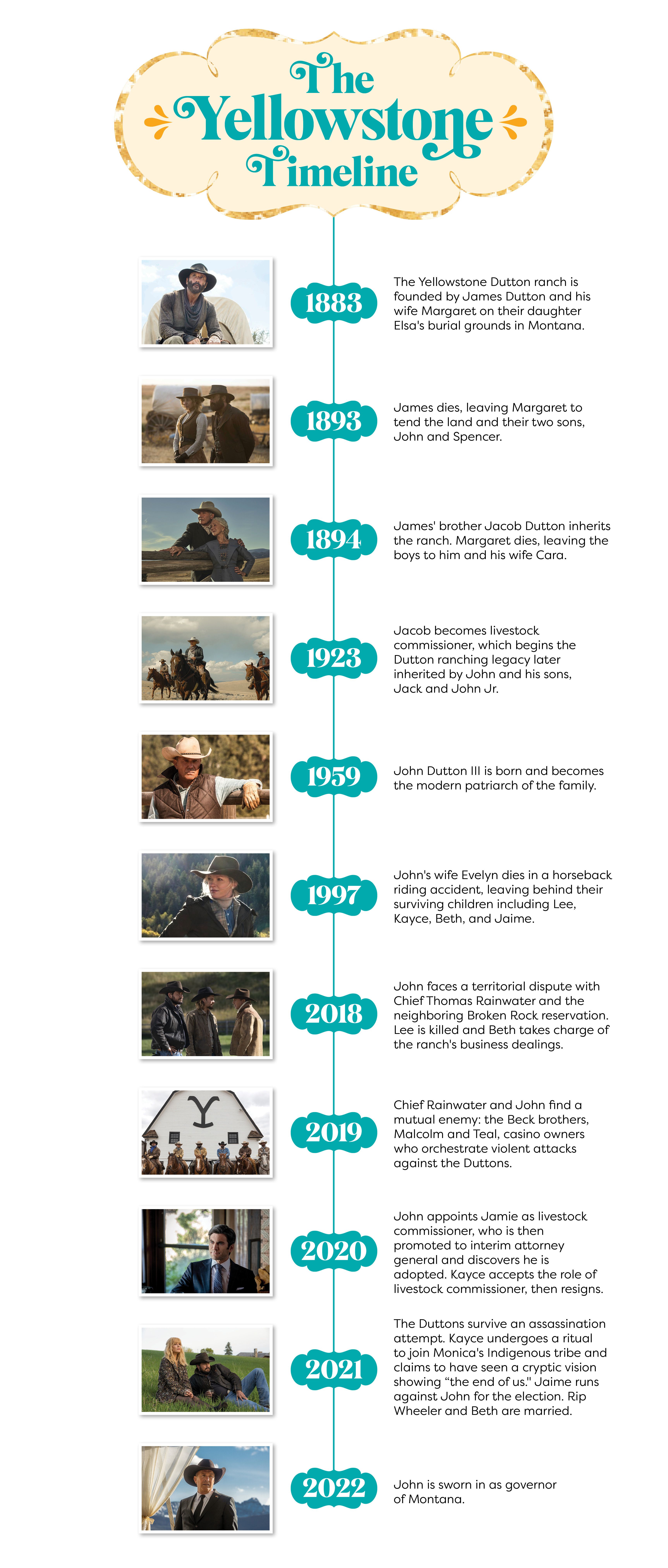
While an exact year is rarely stated, the cumulative evidence strongly suggests that Yellowstone is set in the early to mid-2020s. The show’s creators have intentionally placed it in a period where contemporary technology, social issues, and economic realities are in full force, even as it champions a rugged, traditional lifestyle. This deliberate temporal ambiguity allows the show to explore timeless themes through a modern lens.
Navigating the Present Day: Technology as a Double-Edged Sword
The way technology is depicted in Yellowstone is not simply a matter of backdrop; it actively shapes the narrative, presenting both opportunities and significant challenges for the characters. It’s a tool that can be wielded for control and communication but also a vulnerability that can be exploited.
- The Ubiquitous Smartphone: The smartphone is the most obvious artifact of the modern era. Characters use them for everything from coordinating cattle drives to orchestrating political maneuvers and engaging in deeply personal conversations. The ability to communicate instantly across vast distances, to share information (or misinformation) rapidly, and to document events has a profound impact on the show’s conflicts. For instance, a discreetly filmed video can become a powerful weapon, and a missed call can have devastating consequences.
- Digital Surveillance and Privacy: While the Duttons are masters of privacy and operate largely outside conventional societal norms, the show acknowledges the pervasive nature of digital surveillance. The potential for their activities to be monitored, their communications intercepted, or their land’s economic potential to be exploited through digital means is an ever-present, though often subtle, threat. This underlies the ongoing struggle to maintain control in a world where digital footprints are increasingly difficult to erase.
- The Role of Data and Information: The show hints at the importance of data in modern land acquisition and political influence. While not always explicitly detailed, the financial and legal battles fought by the Duttons likely involve sophisticated data analysis, market trends, and the strategic manipulation of information, all facilitated by contemporary technological capabilities.
The Pervasive Influence of Contemporary Societal Issues
Beyond technology, the social and political issues that Yellowstone grapples with are undeniably modern, reflecting the complexities of early 21st-century America.
- Environmental Policy and Land Rights: The ongoing conflicts over land use, conservation efforts, and the rights of Indigenous peoples are central to the show’s narrative. These are not historical disputes but deeply contemporary debates that are shaped by modern environmental regulations, economic development pressures, and evolving legal frameworks surrounding land ownership and resource management.
- Political Agendas and Power Plays: The political machinations depicted, from state-level elections to lobbying efforts, mirror the realities of contemporary American politics. The show explores how wealth, influence, and personal agendas intersect with public policy, a dynamic that has been amplified by the media and digital communication in the modern era.
- The Rural-Urban Divide: Yellowstone vividly portrays the growing chasm between traditional rural lifestyles and the encroaching influence of urban development and modern culture. This is a defining characteristic of contemporary American society, and the show uses its setting to explore the tensions and conflicts arising from this divide.
Ultimately, Yellowstone thrives by creating a narrative that feels both timeless in its archetypal themes and acutely relevant in its present-day context. By setting the story in the early to mid-2020s, the show’s creators are able to explore the enduring struggles for land, power, and legacy through the prism of contemporary challenges and technological realities, making its dramatic narrative all the more compelling.
aViewFromTheCave is a participant in the Amazon Services LLC Associates Program, an affiliate advertising program designed to provide a means for sites to earn advertising fees by advertising and linking to Amazon.com. Amazon, the Amazon logo, AmazonSupply, and the AmazonSupply logo are trademarks of Amazon.com, Inc. or its affiliates. As an Amazon Associate we earn affiliate commissions from qualifying purchases.