
In the ever-evolving landscape of personal comfort and hygiene, certain innovations seamlessly blend practicality with a touch of modern luxury. One such advancement, gaining significant traction beyond its traditional strongholds, is the toilet bidet. Often misunderstood or perceived as a niche luxury item, the modern bidet is far more than just a fancy bathroom fixture; it’s a sophisticated piece of technology, a testament to smart brand design, and an investment in personal well-being that can even have surprising implications for your financial savvy.
For many in Western cultures, the term “bidet” might conjure images of a separate, porcelain basin, a fixture of European bathrooms for centuries. However, the contemporary understanding of a bidet has largely transitioned to its integrated form, designed to attach directly to your existing toilet. This evolution has made bidets more accessible, affordable, and integrated into our technologically driven lives. Let’s dive into what makes a toilet bidet a compelling addition to any modern home, exploring its technological underpinnings, the branding and design that make it desirable, and the surprisingly sensible financial and personal benefits it offers.

The Technological Marvel of Modern Bidets
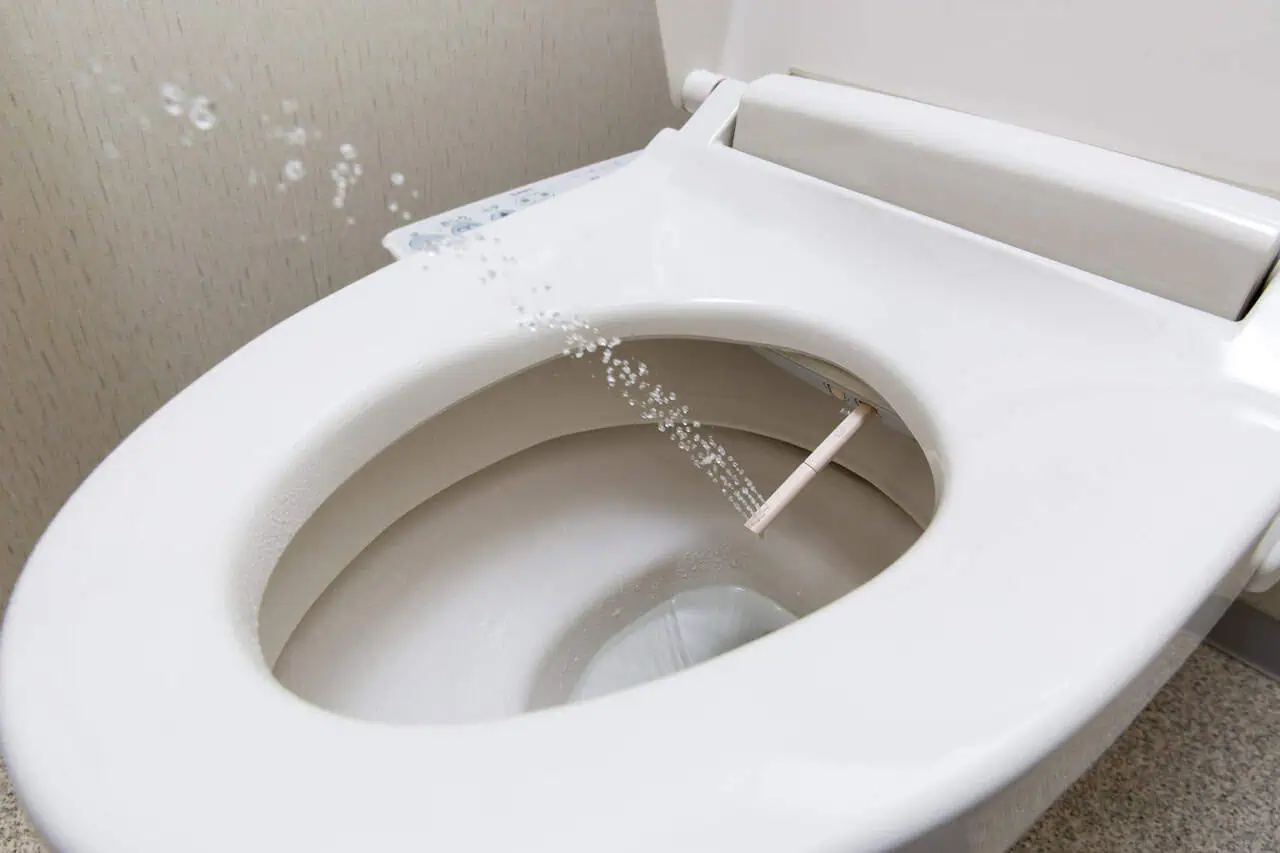
At its core, a toilet bidet is a device designed to cleanse your posterior and genital areas using a targeted stream of water. While the concept is simple, the execution in modern bidets is anything but. Gone are the days of manual pumps or cumbersome separate units. Today’s bidets are sophisticated gadgets, leveraging technology to offer a customizable and hygienic cleansing experience.
From Basic Sprays to Smart Features
The spectrum of bidet technology is broad, ranging from relatively simple attachments to highly advanced smart toilet seats.
-
Basic Bidet Attachments: These are often the most affordable entry point into the world of bidets. They typically install under your existing toilet seat and connect to your toilet’s water supply. They usually offer a single, non-adjustable spray function. While basic, they deliver on the core promise of water cleansing, offering a significant upgrade in hygiene over toilet paper alone. The technology here is straightforward plumbing and a simple valve mechanism.
-
Electronic Bidet Seats: This is where technology truly begins to shine. Electronic bidet seats replace your entire toilet seat and offer a much richer feature set. These models require an electrical outlet nearby and are packed with innovations:
- Adjustable Water Pressure and Temperature: Users can precisely control the intensity of the water spray and set the water to a comfortable temperature, eliminating any shock from cold water. This personalization is a key technological advancement, catering to individual preferences and needs.
- Adjustable Nozzle Position: The spray nozzle can often be moved forward or backward to ensure optimal cleaning for different users. Some advanced models even feature oscillating or pulsating sprays for a more thorough and spa-like experience.
- Warm Air Dryer: Many electronic bidets include a built-in dryer, reducing or eliminating the need for toilet paper altogether. This feature utilizes a gentle stream of warm air, a clever application of heating and airflow technology.
- Deodorizer: Integrated carbon filters or air purifiers help neutralize bathroom odors, contributing to a more pleasant environment.
- Self-Cleaning Nozzles: To maintain hygiene, the nozzles often feature a self-cleaning function, rinsing themselves with water before and after each use. This is a critical feature that leverages automated cleaning technology.
- Heated Seat: A heated toilet seat offers an extra layer of comfort, particularly during colder months, showcasing how simple heating elements can enhance user experience.
- Remote Control: Most electronic bidets come with a sleek remote control, allowing users to easily select and adjust settings without needing to reach for controls on the seat itself. This embodies the trend towards intuitive human-computer interaction in everyday devices.
- Night Light: Some models incorporate a soft LED night light, providing subtle illumination in the bathroom without disturbing sleep.
-
Smart Toilets: Representing the pinnacle of bidet technology, smart toilets are fully integrated units that combine the toilet fixture with all the advanced bidet functionalities. These often go beyond basic cleansing and drying, incorporating features like:
- Automatic Lid Opening and Closing: Sensor-activated lids offer hands-free convenience.
- User Presets: Multiple users can save their preferred settings for water temperature, pressure, and dryer intensity.
- De-luxe Features: Some high-end smart toilets offer heated water tanks for instant warm water, electrolyzed water for enhanced sanitation, and even built-in music players or smartphone connectivity for personalized control and updates. These are prime examples of how AI and IoT (Internet of Things) are starting to permeate our most private spaces.
The underlying technology powering these features often involves micro-electromechanical systems (MEMS) for precise water control, advanced heating elements for instant hot water, and sophisticated user interface designs for intuitive operation. The continuous innovation in materials science also plays a role, ensuring durability and ease of cleaning.
The Art of Brand and Design: Making the Bidet Desirable
Beyond its technological prowess, the bidet has undergone a significant transformation in its brand perception and design aesthetics, moving from a functional necessity to a desirable home amenity.
From Obscurity to Ubiquity: Branding the Bidet
Historically, bidets were primarily associated with specific European cultures, carrying an aura of tradition and perhaps even exclusivity. For many in other parts of the world, their existence was often a matter of passing curiosity or a whispered secret. The resurgence and popularization of bidets in recent years are a testament to effective branding and marketing strategies that have reframed the bidet for a global audience.
-
Focusing on Health and Wellness: Modern branding emphasizes the health and hygiene benefits of using a bidet. Campaigns often highlight its superior cleanliness compared to toilet paper, its gentleness on sensitive skin, and its potential to alleviate discomfort from conditions like hemorrhoids. This positions the bidet not just as a cleansing tool but as an integral part of a healthy lifestyle.
-
Emphasizing Eco-Friendliness: In an era of growing environmental awareness, bidets are being marketed as a sustainable alternative to toilet paper. The reduction in paper consumption translates to less deforestation, reduced water usage in paper production, and less waste in landfills. This eco-conscious appeal resonates strongly with a younger, environmentally aware demographic.
-
Elevating the Bathroom Experience: The narrative is shifting from mere functionality to an enhanced bathroom experience. Bidets are presented as adding a touch of luxury, comfort, and a spa-like feel to the everyday routine. This aspirational branding makes bidets appealing to consumers looking to upgrade their homes and invest in their personal comfort.
-
Technological Innovation as a Brand Driver: As discussed earlier, the integration of smart technology becomes a key selling point. Brands differentiate themselves by offering a wider array of features, superior user interfaces, and more intuitive controls. The “smart” aspect is not just a technical feature but a powerful branding element that appeals to the tech-savvy consumer.
Design Aesthetics: Seamless Integration and Modern Appeal
The physical design of modern bidets is crucial in their acceptance and desirability. Manufacturers have moved away from clunky or overly complex designs towards sleek, minimalist, and integrated solutions.

-
Integrated Toilet Seats: The most prevalent form today, bidet seats are designed to seamlessly replace standard toilet seats. Manufacturers offer a variety of styles and colors to match different toilet designs and bathroom décor. The goal is often to make the bidet as unobtrusive and aesthetically pleasing as possible.
-
Ergonomics and User Experience: Beyond visual appeal, the ergonomic design of the remote control, the placement of buttons, and the overall usability of the interface are paramount. A user-friendly design ensures that the advanced technology is accessible and enjoyable for everyone.
-
Materials and Finish: High-quality materials like durable plastics, stainless steel for nozzles, and smooth finishes contribute to both the aesthetic appeal and the hygienic properties of the bidet. Brands often highlight the ease of cleaning and the premium feel of their products.
-
Minimalist and Modern Silhouettes: Many bidet seats adopt a slim profile, mimicking the look of premium toilet seats. This design choice ensures that the bidet doesn’t overpower the existing bathroom aesthetics and instead enhances them with a modern touch.
By strategically focusing on health, sustainability, luxury, and elegant design, brands have successfully transformed the bidet from a niche product into a mainstream home improvement item, appealing to a broad range of consumers seeking to improve their personal hygiene and elevate their home environment.
The Financial Savvy of a Bidet: More Than Just Cleanliness
While the immediate benefits of a bidet are related to hygiene and comfort, investing in one can also be viewed through a lens of financial prudence and long-term personal well-being.
Personal Finance: Reducing Recurring Expenses
One of the most straightforward financial arguments for a bidet lies in the reduction of recurring expenses.
-
Toilet Paper Savings: This is the most significant and immediate financial benefit. While the exact amount varies per household, the consistent purchase of toilet paper represents a tangible ongoing cost. Over time, the savings from drastically reducing or eliminating toilet paper usage can be substantial. For a family of four, the annual expenditure on toilet paper can easily run into hundreds of dollars. A bidet, while an upfront investment, effectively negates this recurring cost.
-
Reduced Plumbing Issues: While less direct, excessive toilet paper use is a common contributor to clogged toilets and plumbing problems. By reducing toilet paper consumption, you can potentially decrease the frequency of minor plumbing emergencies, saving on repair costs or the inconvenience of dealing with blockages.
Investing in Your Well-being: A Long-Term Financial Strategy
Beyond immediate savings, a bidet can be seen as an investment in your personal health and long-term well-being, which in itself has financial implications.
-
Improved Health and Reduced Healthcare Costs: For individuals experiencing conditions like hemorrhoids, fissures, or skin sensitivities, the gentle cleansing of a bidet can provide significant relief and improve comfort. By alleviating discomfort and potentially preventing irritation, a bidet might indirectly reduce the need for specialized hygiene products or doctor visits, contributing to lower personal healthcare expenditures.
-
Enhanced Personal Hygiene and Confidence: The feeling of being truly clean can boost personal confidence and improve social interactions. While not a direct financial metric, enhanced well-being and confidence can positively impact career progression and personal relationships, which in turn can have indirect financial benefits.
-
The Smart Home Investment: As smart home technology becomes increasingly integrated into our lives, adding a smart bidet seat can be seen as a value-adding feature for your home. While it might not significantly increase resale value like a major renovation, it can be a differentiator for potential buyers who are increasingly seeking convenience and modern amenities. The ongoing trend of smart home adoption suggests that such integrated technologies will become more commonplace and expected.
Making the Purchase: Financial Considerations
When considering a bidet purchase, it’s essential to approach it with a financial mindset:
-
Upfront Investment vs. Long-Term Savings: Calculate the payback period. Compare the cost of a bidet (ranging from under $50 for basic attachments to several hundred dollars for advanced electronic seats) against your annual toilet paper expenditure. For many, the savings will recoup the initial cost within a year or two.
-
Feature Set Alignment with Needs: Don’t overspend on features you won’t use. A basic bidet attachment might be sufficient if your primary goal is reducing toilet paper use. If you prioritize comfort and advanced hygiene, an electronic seat with a dryer and heated features will be a better, though more expensive, choice. Researching reviews and comparing product specifications is crucial for making an informed purchase.
-
Energy Efficiency: For electronic models, consider their energy consumption. While the heated seats and water are designed for comfort, their continuous use will add a small amount to your electricity bill. Most modern bidets are designed to be energy-efficient, but it’s a factor worth noting for the budget-conscious consumer.
In conclusion, the toilet bidet is a multifaceted innovation that transcends its primary function. It is a sophisticated piece of technology, a product of intelligent branding and thoughtful design, and surprisingly, a smart financial decision that contributes to both personal savings and overall well-being. As our homes become smarter and our expectations for hygiene and comfort rise, the bidet is poised to become an increasingly indispensable fixture in the modern bathroom.
aViewFromTheCave is a participant in the Amazon Services LLC Associates Program, an affiliate advertising program designed to provide a means for sites to earn advertising fees by advertising and linking to Amazon.com. Amazon, the Amazon logo, AmazonSupply, and the AmazonSupply logo are trademarks of Amazon.com, Inc. or its affiliates. As an Amazon Associate we earn affiliate commissions from qualifying purchases.