
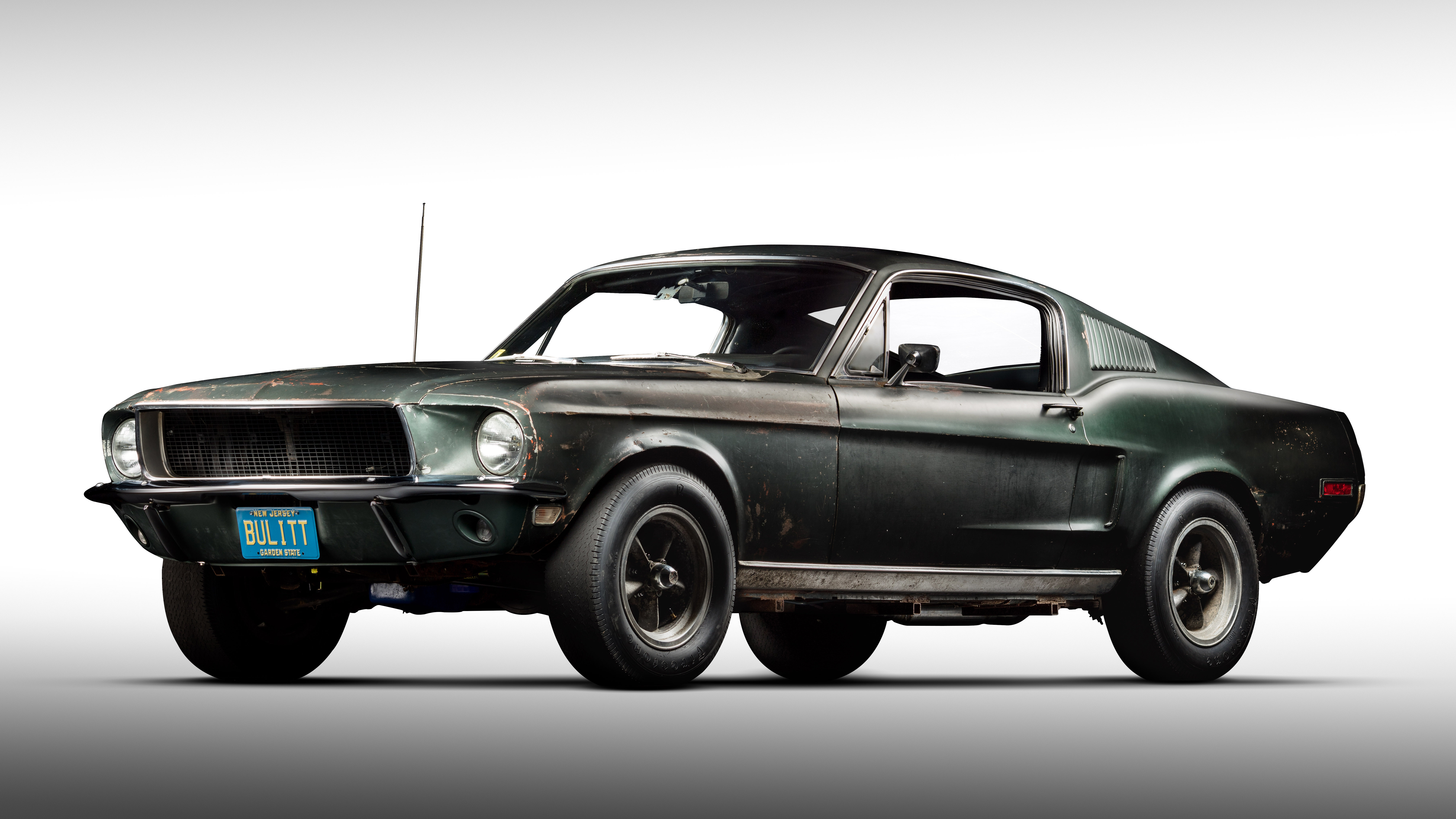
The enduring question, “What year is the Mustang in Bullitt?” transcends a simple automotive fact. It delves into a cinematic moment that solidified the Ford Mustang’s place in automotive history and continues to resonate with enthusiasts today. While the immediate answer is the 1968 Ford Mustang GT, understanding why this specific car and film remain so impactful requires a deeper look. This exploration will draw parallels to the core topics of our website: Tech, Brand, and Money, demonstrating how the Bullitt Mustang is more than just a classic car; it’s a testament to brilliant branding, a harbinger of evolving automotive tech, and an investment in enduring cultural capital.

The iconic chase scene from the 1968 film Bullitt is arguably the most famous car chase in cinematic history. Steve McQueen, as Detective Frank Bullitt, pilots a Highland Green 1968 Ford Mustang GT Fastback through the hilly streets of San Francisco, pursued by two hitmen in a black Dodge Charger. The raw, visceral nature of this chase, devoid of the over-the-top special effects common in modern blockbusters, captivated audiences. It wasn’t just about speed; it was about the driver’s skill, the car’s raw power, and the palpable tension. The Mustang, in its understated yet potent form, became an extension of McQueen’s cool, detached persona.
The Mustang in Bullitt: A Masterclass in Brand Identity
The film’s impact on the Ford Mustang’s brand is undeniable and serves as a powerful case study in how a single cinematic appearance can redefine a product’s image.
The Genesis of an Icon: Design and Corporate Identity
The 1968 Mustang GT Fastback was already a successful model for Ford, embodying a new era of American muscle cars. It was designed to be stylish, sporty, and accessible, a far cry from the more utilitarian vehicles of previous generations. Its sleek lines, aggressive stance, and powerful V8 engine options perfectly captured the youthful spirit and burgeoning automotive culture of the late 1960s.
However, Bullitt elevated the Mustang from a popular car to an automotive legend. The film’s art direction and cinematography deliberately focused on the car’s most striking features: its muscular silhouette, the menacing grille, and the distinctive rear end. The absence of overt branding within the film – no flashy Ford logos plastered everywhere – allowed the car to speak for itself. This subtle yet powerful approach to product placement emphasized the car’s inherent coolness and its integration into the narrative, rather than feeling like a forced advertisement. This is a prime example of how effective design and a well-defined corporate identity can translate into enduring brand equity. Ford understood this implicitly, and the choice of the Mustang for Bullitt was a stroke of genius.
Personal Branding Through Automotive Association
Steve McQueen, a bona fide movie star and a genuine automotive enthusiast, brought his own formidable personal brand to the partnership. His “King of Cool” persona, characterized by his stoic demeanor, rebellious spirit, and undeniable charisma, was intrinsically linked with the Mustang in Bullitt. The car became an extension of McQueen’s on-screen character – tough, capable, and effortlessly cool. This synergy between the actor and the automobile created a powerful association that transcended the film itself. For decades, the Bullitt Mustang has represented a specific kind of automotive aspiration: one that is not just about performance, but about attitude and a timeless sense of style. This is a crucial lesson in personal branding and how associating with the right elements can amplify one’s own image.
Reputation and Legacy: The Enduring Appeal
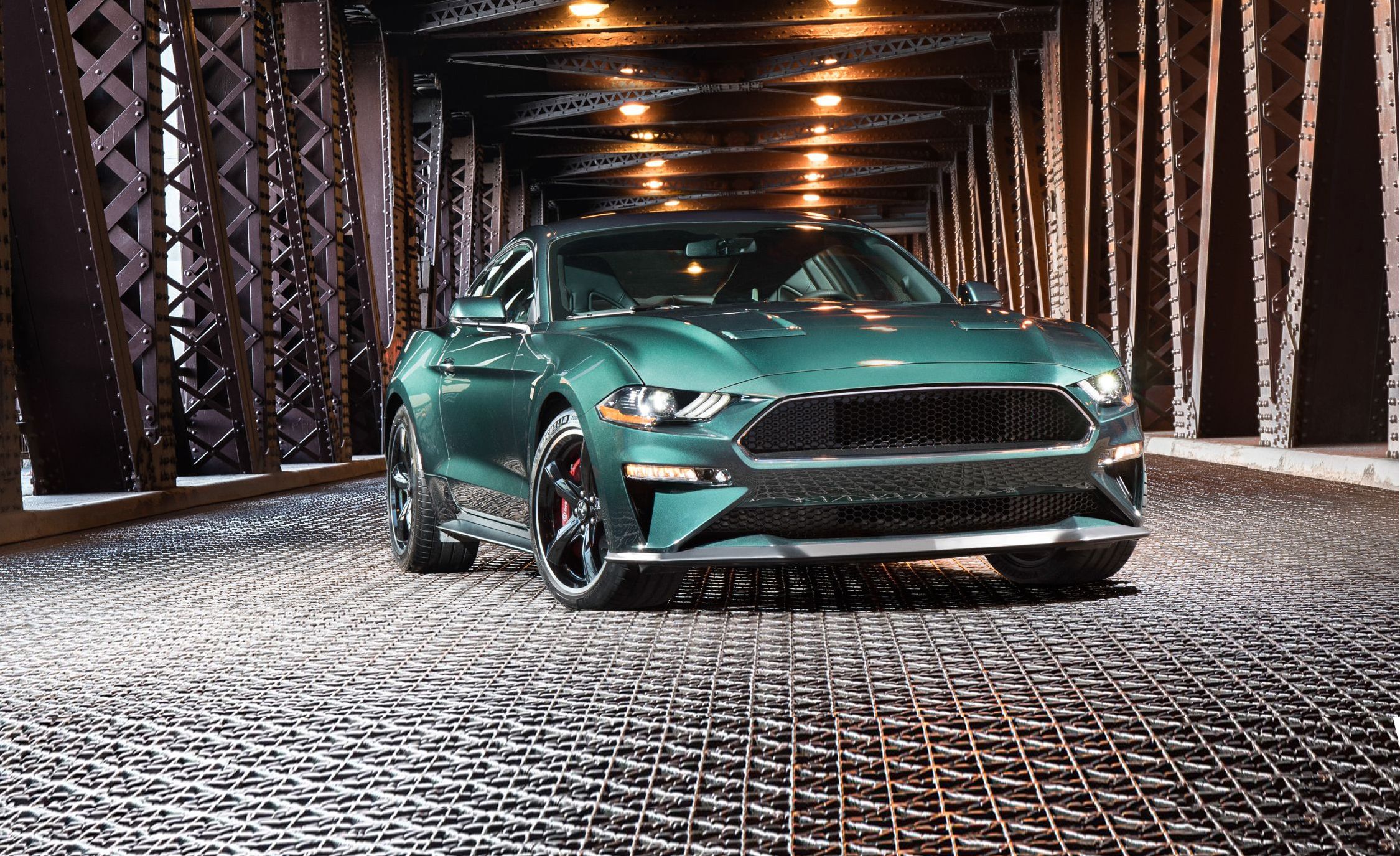
The Bullitt Mustang’s reputation is one of raw, unadulterated cool. It’s a car that represents freedom, adventure, and a connection to a bygone era of automotive purity. This enduring appeal has led to Ford releasing special edition “Bullitt” Mustangs over the years, capitalizing on the legacy of that iconic film. These editions, often featuring subtle design cues and performance enhancements inspired by the original, are highly sought after by collectors and fans. The continued relevance of the Bullitt Mustang in the automotive landscape is a testament to its strong reputation and the lasting legacy forged by that unforgettable cinematic chase. It’s a prime example of how a brand’s reputation, once established, can be a powerful asset for decades.
The Bullitt Mustang: A Precursor to Automotive Technology and Innovation
While the 1968 Mustang might seem like a relic of the past in terms of technology, its role in Bullitt hinted at certain automotive advancements and the evolving role of cars in popular culture.
Performance and Engineering: The Heart of the Machine
The 1968 Mustang GT was equipped with a range of powerful V8 engines, with the 390 cubic inch (6.4-liter) engine being a popular choice. This engine provided the kind of torque and acceleration necessary to make the chase scene believable and exciting. The focus on engine performance and the robust chassis of the Mustang contributed to its ability to handle the demanding stunts performed during filming. While not laden with electronic driver aids, the mechanical prowess of the Mustang was on full display. This emphasis on raw, mechanical performance was a hallmark of the muscle car era and laid the groundwork for future advancements in automotive engineering, where power and handling were paramount.
The Car as a Digital-Age Protagonist (Looking Ahead)
Although the film predates the digital revolution we experience today, the Bullitt Mustang can be seen as a precursor to how cars would eventually be integrated into our digital lives. The film’s focus on the car’s interaction with its environment – the streets, the buildings, the pursuit – foreshadows the way modern vehicles are increasingly becoming connected and data-driven. Today, AI tools are used in vehicle design and testing, software optimizes engine performance, and apps provide advanced navigation and diagnostics. While the 1968 Mustang was purely mechanical, its iconic status has led to its digital representation in video games, simulations, and even virtual reality experiences, allowing new generations to engage with this piece of automotive history in technologically advanced ways.
Durability and Longevity: A Testament to Engineering
The fact that the 1968 Mustang used in the film still exists today, and is highly prized, speaks volumes about its build quality and engineering. The two Mustangs used in the film (one for driving, one for stunts) were heavily modified and subjected to extreme stress. The survival of these vehicles, and the continued demand for them, highlights the durability of well-engineered classic cars. This is a valuable lesson in understanding the long-term value of quality craftsmanship, a principle that applies not only to cars but also to technology and any product designed for longevity.
The Bullitt Mustang: An Investment in Cultural Capital and Financial Value
Beyond its cinematic and technical merits, the Bullitt Mustang represents a significant financial asset and a powerful example of how cultural impact translates into monetary value.
Personal Finance and Collectible Assets
For collectors and automotive enthusiasts, a genuine 1968 Mustang GT Fastback, especially one with provenance linked to the film (though the two actual film cars are famously lost to history), is a highly valuable asset. The market for classic cars, particularly iconic models like the Mustang, has seen significant growth over the years. These vehicles are not just modes of transportation; they are tangible pieces of history and art that can appreciate in value. Owning a classic Mustang like the one from Bullitt can be considered a form of investment, albeit one that requires passion and knowledge of the collector market. Understanding the factors that contribute to the value of collectible assets is crucial in personal finance and wealth building.
Side Hustles and Business Opportunities
The enduring popularity of the Bullitt Mustang has spawned numerous business opportunities. From restoration services specializing in these classic models to the creation of memorabilia and replica parts, there’s a thriving ecosystem built around this single automotive icon. Ford’s own “Bullitt” special editions also represent a successful business strategy, leveraging nostalgia and brand heritage to create new revenue streams. For entrepreneurs, studying the success of the Bullitt Mustang and its associated industries can provide valuable insights into identifying and capitalizing on niche markets driven by passion and cultural significance.
Financial Tools and the Appreciation of Value
While not directly a financial tool, the Bullitt Mustang embodies the concept of asset appreciation. Its value has steadily increased over the decades, demonstrating how certain assets, particularly those with historical and cultural significance, can retain and grow their worth over time. This is analogous to how smart investors use financial tools to identify and acquire assets that are likely to appreciate. The Bullitt Mustang, in its own unique way, serves as a tangible example of this principle – a testament to the power of a well-loved and historically significant object to become a valuable financial asset. The “what year is the Mustang in Bullitt” question, therefore, leads us not just to a model year, but to an understanding of enduring value, the power of brand, and the evolution of technology, all interwoven into the fabric of a single, legendary automobile.
aViewFromTheCave is a participant in the Amazon Services LLC Associates Program, an affiliate advertising program designed to provide a means for sites to earn advertising fees by advertising and linking to Amazon.com. Amazon, the Amazon logo, AmazonSupply, and the AmazonSupply logo are trademarks of Amazon.com, Inc. or its affiliates. As an Amazon Associate we earn affiliate commissions from qualifying purchases.