
The Duramax diesel engine has carved out a significant niche in the automotive world, particularly for truck enthusiasts and professionals who demand robust performance, impressive towing capabilities, and legendary reliability. Developed by General Motors in partnership with DMAX, a joint venture with Isuzu, the Duramax has gone through several iterations since its debut in 2001. This evolution has led to a recurring question among those in the market for a used Duramax-powered vehicle, or even those considering a new one: “What year is the best Duramax?” This question isn’t about a single, universally perfect model year; rather, it delves into the nuances of engine design, technological advancements, and historical performance data that define the “best” for different needs and priorities.
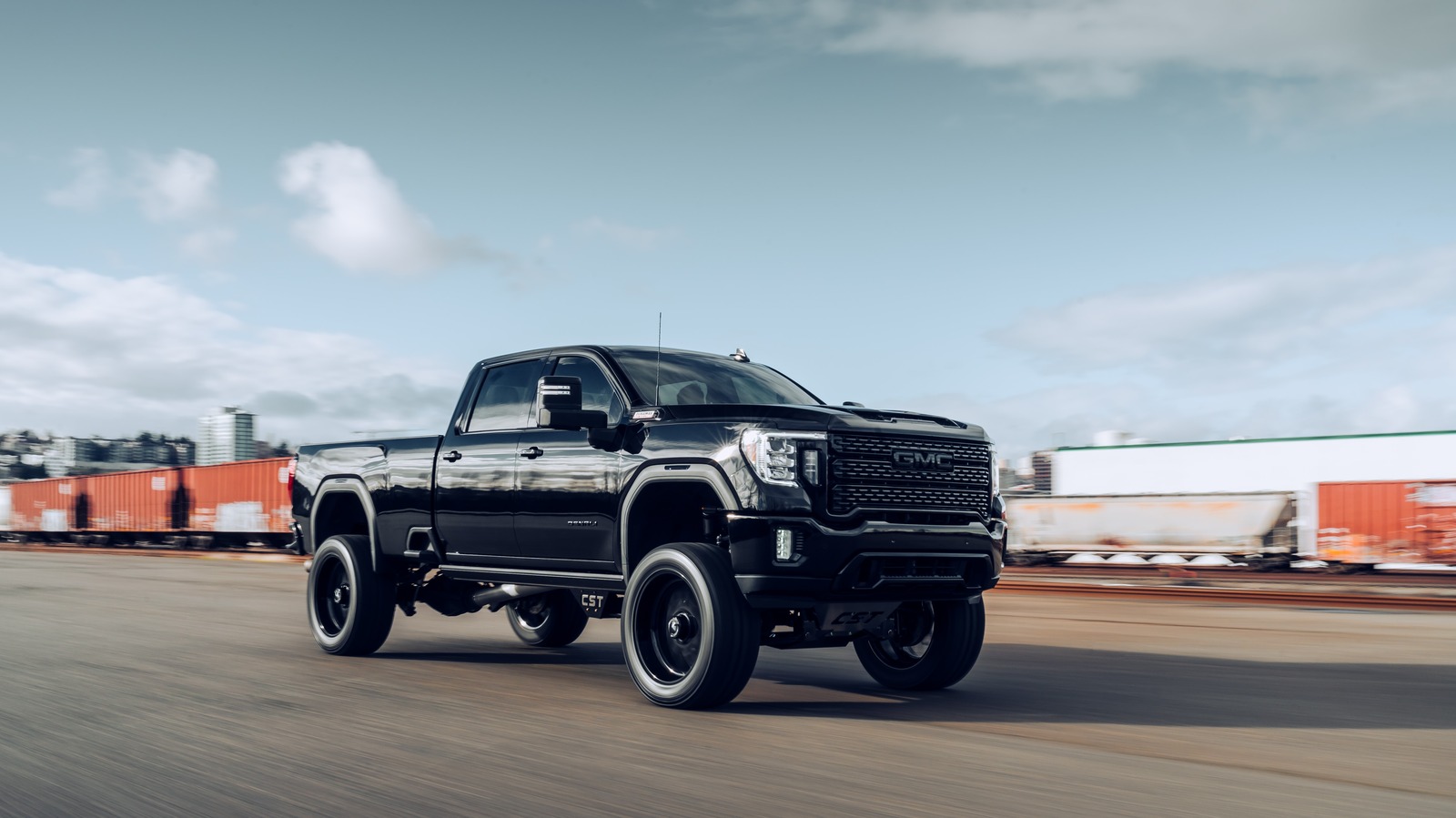
Determining the “best” Duramax year is a multifaceted undertaking, influenced by factors such as emissions regulations, component upgrades, known issues, and the specific applications for which the engine is intended. For many, “best” translates to the most reliable, while for others, it means the most powerful or the one with the fewest costly, recurring problems. This exploration will dissect the various Duramax generations, highlighting their key characteristics and pinpointing the model years that stand out for their engineering, longevity, and overall value.
The Evolution of Excellence: A Generational Overview
The Duramax lineage can be broadly categorized into distinct generations, each marked by significant design changes and performance enhancements. Understanding these generations is crucial to appreciating the evolution of the engine and identifying specific model years that represent evolutionary leaps or particularly strong points in its development.
LB7 (2001-2004): The Genesis of a Legend
The first Duramax engine, the LB7, debuted in 2001, primarily in Chevrolet Silverado and GMC Sierra heavy-duty trucks. This 6.6-liter V8 turbodiesel was an immediate success, offering a potent alternative to existing gasoline powertrains and competing directly with Ford’s Power Stroke and Dodge’s Cummins engines. The LB7 was known for its robust construction and a healthy initial power output for its time.
However, the LB7 was not without its teething issues. The primary concern revolved around the fuel injectors. Under certain operating conditions, the injector return flow system could develop leaks, leading to fuel entering the cooling system. This could manifest as coolant loss and, in severe cases, potential engine damage if not addressed promptly. While many LB7s have been meticulously maintained and continue to perform admirably, this injector issue is a significant consideration for buyers of these early models.
Despite this known vulnerability, the LB7 laid a solid foundation. Its displacement and core design proved durable, and with proper maintenance and the attention to the injector system, these trucks can still be workhorses. For those who are mechanically inclined or have access to reliable technicians familiar with these engines, an LB7 can be a cost-effective entry into Duramax ownership, provided a thorough inspection is conducted.
LLY (2004.5-2006): Addressing the Injector Woes and Introducing New Technologies
The LLY, introduced in mid-2004, represented a significant overhaul aimed at addressing the LB7’s injector problems and incorporating new emissions control technologies. The return flow issue was largely mitigated with a revised injector design. More notably, the LLY introduced a variable-geometry turbocharger (VGT), which allowed for more precise boost control across the RPM range, leading to improved throttle response and a more efficient combustion process.
This generation also saw an increase in horsepower and torque compared to the LB7. The LLY’s introduction marked a notable step forward in performance and refinement. However, the LLY also brought its own set of considerations. The increased boost pressure and more complex VGT system, while beneficial, also placed additional stress on other components. Some LLYs experienced issues with the head gaskets, particularly when subjected to heavy towing or aftermarket performance modifications without proper supporting upgrades.
The inclusion of the VGT, while a technological advancement, also introduced a new potential point of failure. Turbocharger vanes could become stuck due to soot buildup, leading to a loss of power or excessive smoke. Regular maintenance, including proper exhaust braking and keeping the engine within its designed operating parameters, is crucial for longevity. Despite these points, the LLY is often seen as a strong performer, offering a good balance of power and improved reliability over the LB7, especially in its later model years within this range.
LBZ (2006-2007): The Pinnacle of the “Classic” Duramax Era
The LBZ, released in 2006 and continuing into early 2007, is widely regarded by many Duramax enthusiasts as a sweet spot in the engine’s history. It retained the robust architecture of its predecessors but incorporated several key upgrades that enhanced both power and durability. The LBZ featured improved head castings, stronger connecting rods, and a more robust crankshaft, all contributing to a higher tolerance for increased power output.
This generation saw a significant bump in factory horsepower and torque ratings, making it a formidable engine right out of the gate. Crucially, the LBZ was also equipped with a more advanced fuel system and a refined VGT turbocharger. Many believe that the LBZ represented the peak of the Duramax before the more stringent emissions regulations of later years began to impact engine design and complexity.
The LBZ’s reputation for reliability and its inherent strength make it a highly sought-after engine. It is often the preferred choice for those looking to undertake significant performance modifications, as its internal components are considered more than capable of handling increased boost and power levels. The LBZ also benefits from being one of the last Duramax engines manufactured before the widespread adoption of diesel particulate filters (DPFs) and selective catalytic reduction (SCR) systems, which added complexity and potential maintenance concerns to later models. For many, the 2006-2007 LBZ Duramax stands as a benchmark for power, reliability, and a more straightforward mechanical design.
Navigating the Emissions Era: LMM and Beyond
The introduction of stricter emissions standards, particularly the EPA’s 2007 regulations, marked a turning point for diesel engines across the board, and the Duramax was no exception. These changes necessitated the integration of new emissions control technologies that, while environmentally beneficial, added complexity and introduced new considerations for owners.
LMM (2007.5-2010): The Dawn of DPFs
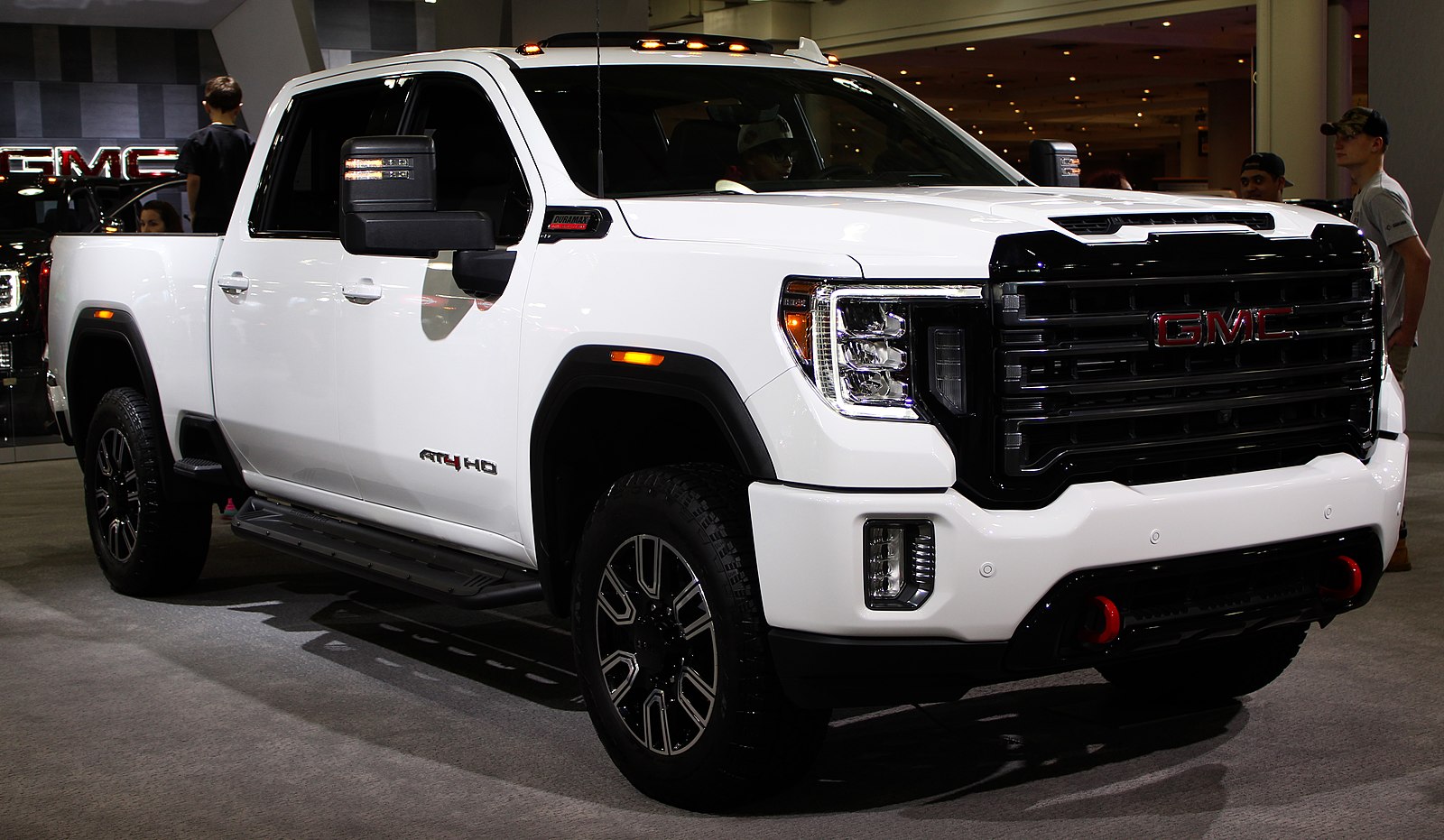
The LMM, introduced in mid-2007, was the first Duramax engine to incorporate a Diesel Particulate Filter (DPF) to meet the new emissions mandates. The DPF is designed to capture soot from the exhaust, which is then periodically burned off through a process called “regeneration.” This system, while effective at reducing particulate emissions, added a significant layer of complexity to the engine’s operation and maintenance.
The LMM also featured other emission-related components, such as exhaust gas recirculation (EGR) systems that were more aggressively implemented. While the LMM retained the fundamental strength of the LBZ’s core design, the DPF and associated systems became a common area of concern for owners. Improper regeneration cycles, particularly for trucks used primarily for short-haul or city driving, could lead to DPF clogging, illuminated dashboard warning lights, and reduced engine performance.
Addressing these DPF-related issues often involved ensuring the truck completed its regeneration cycles, which typically requires sustained driving at highway speeds. For those who regularly tow heavy loads or drive long distances, the LMM can still be a very capable engine. However, potential buyers should be aware of the DPF system’s maintenance requirements and the potential for costly repairs if it becomes problematic. Many owners opted for aftermarket solutions to bypass or delete the DPF system to avoid these issues, although this has legal implications and affects emissions.
LML (2011-2016): Advanced Emissions and Increased Power
The LML, introduced in 2011, represented another significant evolution for the Duramax, primarily driven by further tightening of emissions regulations. This generation introduced Selective Catalytic Reduction (SCR) technology, which uses Diesel Exhaust Fluid (DEF) to further reduce nitrogen oxide (NOx) emissions. The LML also featured a redesigned fuel system and a more powerful turbocharger, contributing to an impressive increase in horsepower and torque figures for its time.
The LML engines are known for their strong performance and refinement. They offered a quieter and smoother driving experience compared to earlier generations. However, the added complexity of the SCR system and the need to frequently refill the DEF tank became a new maintenance item for owners. Issues with the DEF system, such as faulty sensors or pumps, could lead to the truck entering a “limp mode” with reduced power, preventing it from being driven.
Furthermore, the LML’s increased power output, coupled with the complex emissions control systems, meant that aftermarket performance modifications needed to be carefully considered. While the engine internals are robust, the integrated emissions systems can be sensitive to changes, and improper tuning could lead to operational problems or void warranties. For daily driving and towing, the LML is a very competent and powerful engine, but owners must be diligent with DEF refills and be aware of the potential maintenance associated with its advanced emissions control.
Factors Beyond Engine Codes: What Makes a Year “Best”?
While engine codes provide a clear framework for understanding Duramax evolution, identifying the “best” year involves a broader consideration of reliability, maintenance history, specific truck model improvements, and the evolving landscape of diesel technology.
Reliability and Component Longevity: The Unseen Metrics
Reliability is paramount for any diesel engine, especially one expected to perform demanding tasks. While certain engine codes are inherently considered more robust, the actual reliability of a specific Duramax year can be heavily influenced by the truck’s overall maintenance history. Regular oil changes, fuel filter replacements, and adherence to manufacturer service intervals are critical.
For example, while the LB7 has a known injector issue, a meticulously maintained LB7 with replaced or refurbished injectors might be more reliable than a later model with a poorly maintained emissions system. Similarly, the LBZ, while inherently strong, can suffer from premature turbocharger failure if oil changes are neglected or if the turbo is constantly subjected to excessive heat without proper cool-down periods.
When evaluating a used Duramax, inspecting maintenance records is as important as understanding the engine code. A documented history of proactive maintenance on any Duramax generation suggests a higher probability of long-term reliability.
Truck Model Integration and Refinements
The Duramax engine is not an isolated entity; it’s integrated into specific truck models (Chevrolet Silverado HD, GMC Sierra HD). Each model year within a Duramax generation can also see subtle improvements or refinements to the truck’s chassis, transmission, cooling systems, and electrical components. For instance, later model years within an engine generation might benefit from supplier changes or minor design tweaks that enhance overall vehicle dependability.
The Allison transmission, often paired with Duramax engines, also plays a crucial role in the overall powertrain reliability. While generally robust, specific transmission software updates or hardware revisions across model years can influence their performance and longevity. Researching the specific truck model and its known issues alongside the engine code is therefore essential.

The Influence of Emissions Regulations and Aftermarket Support
As discussed, emissions regulations have profoundly shaped Duramax development. While later models offer cleaner operation, they also introduce greater complexity and potential for expensive repairs. For enthusiasts who prioritize simplicity and have access to reliable mechanics or enjoy performing their own maintenance, earlier Duramax engines (particularly the LBZ) may be more appealing due to their less intricate emissions systems.
Conversely, if operating in regions with strict emissions testing or if environmental impact is a primary concern, newer Duramax models with their advanced emissions controls might be the preferable choice, provided the owner is committed to their upkeep. The aftermarket support for Duramax engines is extensive, with a wide array of performance upgrades, reliability enhancements, and diagnostic tools available. This support can help mitigate some of the known issues associated with specific model years, but it also means that buyers should be aware of whether a vehicle has undergone significant aftermarket modifications, as these can impact both reliability and resale value.
Ultimately, the “best” Duramax year is a subjective determination that depends on individual priorities. For raw power and relative simplicity, the LBZ often takes the crown. For a balance of modern features and proven durability, later LB7s and LLYs can be excellent choices. Those prioritizing the latest emissions technology and refined performance will look to the LML, understanding the commitment required for its complex systems. A thorough inspection, a comprehensive understanding of maintenance history, and a clear definition of your intended use are the most critical factors in identifying the ideal Duramax for your needs.
aViewFromTheCave is a participant in the Amazon Services LLC Associates Program, an affiliate advertising program designed to provide a means for sites to earn advertising fees by advertising and linking to Amazon.com. Amazon, the Amazon logo, AmazonSupply, and the AmazonSupply logo are trademarks of Amazon.com, Inc. or its affiliates. As an Amazon Associate we earn affiliate commissions from qualifying purchases.